

2015 Honda CR-V Engine Control Module: A Guide to Programming, Vibration Issues, and Replacement
This guide covers the essential programming requirements, known software updates for vibration, and cost-saving tips for replacing the ECM in your 2015 Honda CR-V.
- A replacement ECM (new or used) MUST be programmed to the vehicle by a dealer or a qualified shop with J2534 tools; the car will not start otherwise.
- Vibration issues on the 2015 CR-V are a known problem addressed by a software update (TSB 15-046), not necessarily a faulty ECM.
- Always match the OEM part number on the module exactly to ensure compatibility with your vehicle's trim and options.
- Buying a used OEM ECM and paying for programming is significantly more cost-effective than purchasing a new module from a dealer.
Symptoms of a Failing ECM
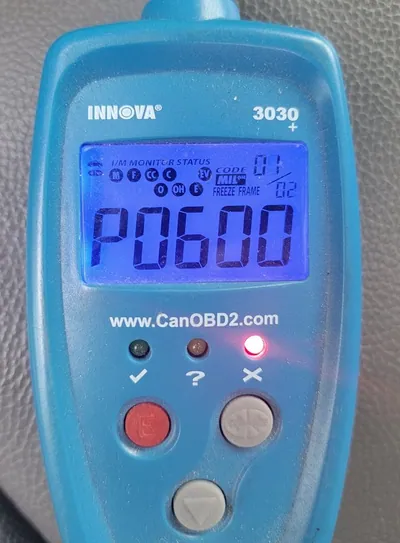
A failing Engine Control Module can cause a wide range of symptoms, from subtle performance issues to a complete no-start condition. Because the ECM controls so many systems, problems can sometimes be mistaken for other component failures.
- Check Engine Light: This is the most common symptom. Specific trouble codes pointing to internal ECM errors (like P0600-P060A or P1607) are a strong indicator of failure.
- Engine Stalling or Misfiring: The engine may stall unexpectedly, run rough, or misfire. This can be intermittent.
- No-Start Condition: The engine may crank but refuse to start. This can happen if the ECM is not powering the fuel pump or ignition system, or if it has lost its programming with the immobilizer.
- Poor Performance and Fuel Economy: You might notice a sudden drop in gas mileage, or the vehicle may feel sluggish and underpowered.
- Transmission Shifting Problems: The ECM works with the Transmission Control Module (TCM). A faulty ECM can lead to erratic shifting or other issues with the CVT.
Known Issues, TSBs, and Recalls

While the ECM itself is generally reliable, there are several factory communications related to its software and associated vehicle problems.
Technical Service Bulletin 15-046: Vibration Issues
The most widely reported issue for the 2015 CR-V is a noticeable vibration felt in the driver's seat under three specific conditions:
- While stopped with the vehicle in gear.
- While driving between 1,000–1,200 RPM (at takeoff).
- While driving between 1,800–2,200 RPM (around 40-50 mph).
Honda released TSB 15-046, which includes a software update for the ECM/PCM to address these vibrations. The update for the second and third modes was found to be effective for many owners. However, the bulletin noted that this software update could slightly decrease fuel economy by approximately 0.70 MPG. If you are experiencing these specific vibrations, a dealership or a qualified shop can check if your ECM has the latest software version.
🎬 Watch: A detailed look at the TSB 15-046 vibration fixTechnical Service Bulletin 18-072: Engine Stalls in Reverse
Some 2015-2016 CR-V models may experience the engine stalling within 10-14 seconds of a cold start when shifted into reverse. TSB 18-072 identifies the cause as an internal transmission issue. However, diagnosis requires a technician to retrieve an on-board snapshot from the PGM-FI (the engine computer), making the ECM a key part of the diagnostic process.
Recalls
There have been no recalls issued for the ECM itself. However, other recalls for the 2015 CR-V can cause symptoms like engine stalling, which could be misdiagnosed as an ECM problem. These include recalls for improperly torqued connecting rod bolts and failing fuel pumps.
Important: A replacement ECM, whether new or used, MUST be programmed to the vehicle. The car will not start until this procedure is completed.
Buying a Used Engine Control Module

Given the high cost of a new OEM module, a used ECM is an excellent value. However, you must follow these steps to ensure compatibility and a successful repair.
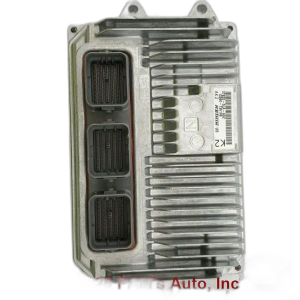
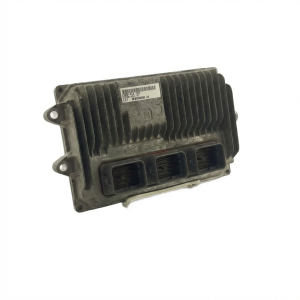
- Match the Part Number Exactly: The part number is printed on a sticker on the ECM's case. It is absolutely critical to match this number. While some part numbers supersede others (e.g., 37820-5LA-318 replaces several earlier versions), your safest bet is a direct match. There are many different ECMs for the 2015 CR-V based on trim level (LX, EX, EX-L, Touring) and drivetrain (2WD vs. AWD), so VIN verification with a dealer is a good idea if you are unsure.
- Physical Inspection: When you receive the used ECM, inspect it for any signs of physical damage, corrosion on the pins, or evidence that the case has been opened. Do not install a module that appears damaged.
- Plan for Programming: A used ECM is a paperweight until it is programmed. Before you buy, confirm you have a way to get it programmed. This means either scheduling an appointment with a Honda dealership or confirming that a local independent shop has a J2534 pass-thru device and the necessary Honda i-HDS software subscription.
Programming and Immobilizer Requirements
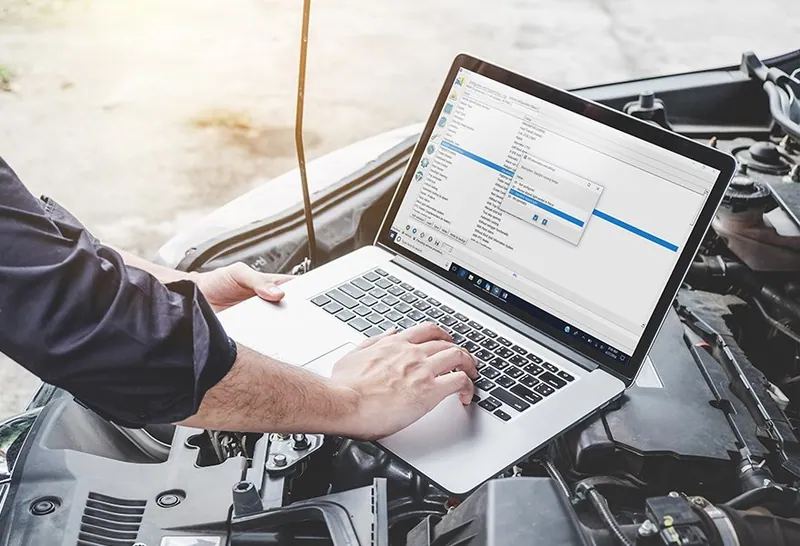
When an ECM is replaced in a 2015 Honda CR-V, it must be programmed to the vehicle's specific VIN and, most importantly, to the immobilizer system. The immobilizer is an anti-theft system that prevents the engine from starting unless it recognizes a properly coded key. The ECM is a key component of this system.
Who can program the ECM?
- Honda Dealerships: Any Honda dealer can perform the programming. This is the most straightforward, albeit often most expensive, option.
- Independent Repair Shops: Many independent shops now have the tools to perform this service. They need a J2534-compliant pass-thru device and a subscription to Honda's diagnostic software (i-HDS). It is wise to call shops in your area and ask specifically if they can perform 'Honda ECM/PCM replacement and programming' for your vehicle.
- Locksmiths: Some advanced automotive locksmiths also have this capability, as it ties into key programming.
Pro Tip: To perform the programming, the shop will need access to the vehicle and all of your car keys. The process involves registering the new ECM to the car and then re-registering all existing keys to the new ECM.
🎬 Watch: Step-by-step Honda computer swap and programming demonstrationCost Breakdown
The cost of replacing the ECM can vary significantly based on the source of the part.
| Item | Estimated Cost |
|---|---|
| New OEM ECM (Part Only) | $900 - $1,300 |
| Used OEM ECM (Part Only) | $100 - $250 |
| Remanufactured ECM | $200 - $400 (plus programming) |
| Shop Labor (Replacement & Programming) | $200 - $400 |
| Total (with New OEM Part) | $1,100 - $1,700 |
| Total (with Used OEM Part) | $300 - $650 |
Frequently Asked Questions (FAQ)
Do I absolutely have to program a replacement ECM?
Yes. For the 2015 Honda CR-V, programming is not optional. The ECM is linked to the vehicle's immobilizer anti-theft system. A non-programmed ECM will not allow the engine to start.
Where is the ECM located on a 2015 Honda CR-V?
The Engine Control Module (ECM/PCM) is located behind the glove box on the passenger side of the vehicle.
🎬 See this guide on how to pull a Honda computerCan I install the ECM myself and drive it to the dealer for programming?
No. Once you install the replacement ECM, the vehicle will not start. You will need to have the vehicle towed to the dealership or arrange for a mobile mechanic who can perform the programming on-site.
My CR-V vibrates. Does that mean my ECM is bad?
Not necessarily. A vibration issue on a 2015 CR-V is more likely related to the software on your current ECM. Before replacing the module, you should have a dealer or qualified shop check if your vehicle is covered by TSB 15-046 and if the software update has been performed.
Will a used ECM from a CR-V with different options (e.g., AWD vs. 2WD) work?
It is not recommended. Different trim levels and options have different part numbers for a reason. Using an incorrect module, even if it can be programmed, may cause certain features to not work correctly or result in persistent check engine lights. Always match the part number exactly.
Helpful Videos



Technical Specifications
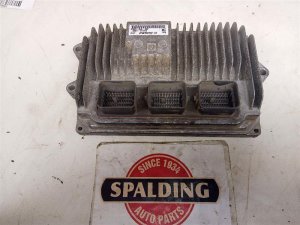
OEM Part Numbers: 37820-5LA-318 37820-5LA-A71 37820-5LA-A72 37820-5LA-A73 37820-5LA-A74 37820-5LA-A42 37820-5LA-A43 37820-5LA-A52 37820-5LA-A53 37820-5LA-A63 37820-5LA-A83 37820-5LA-A93 37820-5LA-C72
Location: Behind the passenger side glove box.
We Have This Part in Stock

The information in this article is provided for general reference and educational purposes only. Vehicle specifications, procedures, and part compatibility can vary by production date, trim level, and region. Always consult your vehicle's factory service manual and verify part numbers before purchasing or performing repairs. Safety-critical components such as airbags, seat belts, and braking systems should be installed by a qualified professional.
- Honda CR-V:
- 🎬 Helpful Videos
- 🛍️ Shop This Part
- Symptoms of a Failing ECM
- Known Issues, TSBs, and Recalls
- Technical Service Bulletin 15-046: Vibration Issues
- Technical Service Bulletin 18-072: Engine Stalls in Reverse
- Recalls
- Buying a Used Engine Control Module
- Programming and Immobilizer Requirements
- Cost Breakdown
- Frequently Asked Questions (FAQ)
- 🎟️ Get 5% Off