

2009-2010 Honda Pilot ECM: AWD-Only Modules, Programming, and Failure Guide
This guide covers the critical programming steps and compatibility warnings you must know before replacing the engine computer in your All-Wheel Drive (AWD) Honda Pilot.
- A replacement ECM for a 2009-2010 Pilot MUST be programmed to the vehicle's immobilizer and VIN by a dealer or qualified shop.
- The specified part numbers are for All-Wheel Drive (AWD) models only; a Front-Wheel Drive (FWD) ECM is not compatible.
- Before buying a replacement, always verify the exact OEM part number on your original module.
- Engine misfires and VCM-related issues (codes P0301-P0304, P3400, P3497) may be fixable with a software update (TSB 13-082) rather than a full ECM replacement.
Symptoms of a Failing ECM
A failing ECM can cause a wide range of confusing and intermittent issues. Because it controls so many systems, symptoms can often mimic other problems. Here are the most common signs that the ECM may be at fault:
- Check Engine Light: This is the most obvious sign. An illuminated Malfunction Indicator Lamp (MIL) is often the first warning. Codes related to internal processor failure (P0600-P060A) are a strong indicator of a bad ECM.
- Engine Performance Issues: You may experience rough idling, stalling, engine misfires, poor acceleration, or reduced fuel economy. These occur because the ECM is no longer able to correctly manage the air-fuel mixture or ignition timing.
- No-Start Condition: If the ECM fails completely, it may not be able to activate the fuel pump or ignition system, preventing the engine from starting at all. The engine may crank but will not fire.
- Communication Errors: A mechanic's diagnostic scan tool may be unable to communicate with the ECM. This lack of communication points directly to a problem with the module itself or its power/ground circuits.
- Intermittent Problems: Issues that come and go as the vehicle heats up or cools down can sometimes be traced to failing electronic components or cracked solder joints within the ECM.
Known Issues, Recalls, and Technical Service Bulletins (TSBs)
While there are no direct recalls for the ECM itself on the 2009-2010 Honda Pilot, several TSBs and recalls involve software updates to the module or address issues that can be misdiagnosed as ECM failure.
TSB 13-082: Engine Misfire and VCM Issues
Many owners of 2nd generation Pilots have experienced issues related to the Variable Cylinder Management (VCM) system, which can cause spark plug fouling, excessive oil consumption, and engine misfires (DTCs P0301-P0304). Honda addressed this with a warranty extension and a software update for the PCM (ECM) for 2009-2011 models. If you experience these symptoms, it's important to ensure this software update has been performed before condemning the ECM. Related diagnostic codes include P3400 and P3497.
Recalls
The 2009-2010 Pilot has been subject to numerous recalls, primarily for airbag inflators and seatbelts. While not directly related to the ECM, it's crucial to ensure all safety recalls have been completed on your vehicle. You can check your vehicle's status on the NHTSA website.
Warning: The part numbers listed (37820-RN0-A74, 37820-RN0-A75, 37820-RN0-A76, 37820-RN0-A77, 37820-RN0-A78, 37820-RN0-A79) are for All-Wheel Drive (AWD) models only. These will not work in a Front-Wheel Drive (FWD) vehicle. The AWD ECM contains specific software to control the VTM-4 lock system. Using the wrong module will cause system malfunctions and likely prevent the vehicle from operating correctly.
Programming and Immobilizer Requirements
This is the most critical part of replacing the ECM in a 2009-2010 Honda Pilot. A replacement ECM, whether new or used, is not plug-and-play. It must be professionally programmed to your specific vehicle.
- Immobilizer System Syncing: The ECM is a key part of the vehicle's anti-theft system. When you install a different ECM, it will not recognize your existing keys. The car will not start until the keys are registered to the replacement ECM.
- VIN Programming: The vehicle's unique Vehicle Identification Number (VIN) must be written to the replacement ECM. This ensures it communicates correctly with other modules in the car.
Who Can Program the ECM?
- Honda Dealerships: Dealers have the proprietary Honda Diagnostic System (HDS) and are fully equipped to program a new ECM.
- Independent Repair Shops: Many independent shops that specialize in Honda vehicles have the HDS or an equivalent J2534 pass-thru device that can perform the necessary programming.
- Automotive Locksmiths: Some advanced automotive locksmiths have the tools and software to reprogram the immobilizer and sync keys to a new ECM.
- Mail-In Services: Some companies offer a service where you send them your original ECM and the replacement unit. They transfer the immobilizer and VIN data, making the replacement unit plug-and-play when you receive it back. This can be a convenient option if you don't have local programming resources.
Pro Tip: Before buying a used ECM, call local dealerships and independent shops to confirm they are willing and able to program a customer-supplied used part and inquire about their rates. Some shops may refuse to install or program parts they did not source themselves.
Buying a Used Engine Control Module (ECM)
Purchasing a used OEM ECM is a great way to save a significant amount of money compared to a new unit from the dealer. However, you must be careful to get the correct part and buy from a reputable source.
- Verify the Part Number: The most important step is to match the part number exactly. Locate the ECM in your vehicle (typically in the right front of the engine compartment) and read the number on the sticker. The part number should be one of the known AWD numbers like 37820-RN0-A74 or its successors.
- Inspect for Damage: When you receive the used ECM, inspect the case for any signs of physical damage, like dents or cracks. Check the electrical connectors for corrosion, bent pins, or water intrusion.
- Choose a Reputable Seller: Buy from a seller who offers a warranty and a clear return policy. This is crucial for an electronic part that requires programming to verify its function. A 90-day or 6-month warranty is common for used parts.
- Budget for Programming: Remember that the cost of the part is not the final cost. You must factor in the labor and programming fees from a qualified shop, which can add $100-$300 or more to the total.
Cost Breakdown
Prices can vary based on your location and the chosen supplier. Here is a general cost comparison:
| Part Type | Estimated Cost |
|---|---|
| New OEM | $850 - $1,250 |
| Remanufactured | $300 - $500 |
| Used OEM | $50 - $200 |
| Shop Labor (Install & Program) | $150 - $400 |
Frequently Asked Questions (FAQ)
Does a replacement ECM for a 2009-2010 Pilot need to be programmed?
Yes, absolutely. The replacement ECM must be programmed to the vehicle's immobilizer system and have the VIN written to it. Without this step, the vehicle will not start.
Can I program a Honda Pilot ECM myself?
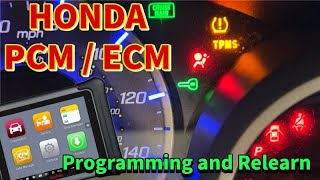
No, not unless you are a professional with access to specialized diagnostic tools like the Honda HDS or a J2534 pass-thru device 🎬 Watch: How a used Honda ECM is programmed with professional tools and a software subscription. This is not a DIY-friendly procedure.
Will my car start after I just install a used ECM?
No. The immobilizer in the used ECM will not recognize your keys, and the anti-theft system will prevent the engine from starting. It must be reprogrammed first.
What's the difference between an ECM, ECU, and PCM?
These terms are often used interchangeably. ECU (Engine Control Unit) is a general term. ECM (Engine Control Module) is more specific. PCM (Powertrain Control Module) is often the most accurate term for modern vehicles, as this single module typically controls both the engine and the automatic transmission. For the Pilot, you will see all three terms used to describe the same part.
Helpful Videos
Technical Specifications
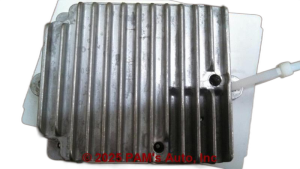
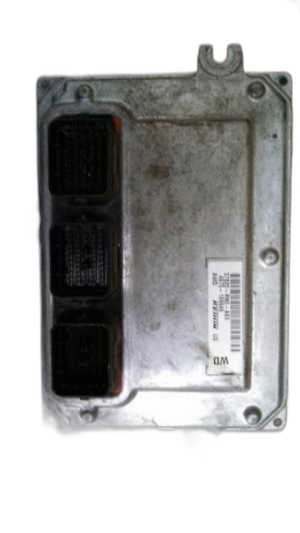
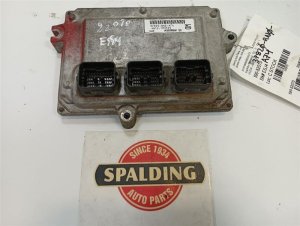
OEM Part Numbers: 37820-RN0-A74 37820-RN0-A75 37820-RN0-A76 37820-RN0-A77 37820-RN0-A78 37820-RN0-A79
Module is for All-Wheel Drive (AWD) models with the 3.5L V6 engine.
We Have This Part in Stock

The information in this article is provided for general reference and educational purposes only. Vehicle specifications, procedures, and part compatibility can vary by production date, trim level, and region. Always consult your vehicle's factory service manual and verify part numbers before purchasing or performing repairs. Safety-critical components such as airbags, seat belts, and braking systems should be installed by a qualified professional.
- Honda Pilot:
- 🎬 Helpful Videos
- 🛍️ Shop This Part
- Symptoms of a Failing ECM
- Known Issues, Recalls, and Technical Service Bulletins (TSBs)
- TSB 13-082: Engine Misfire and VCM Issues
- Recalls
- Programming and Immobilizer Requirements
- Who Can Program the ECM?
- Buying a Used Engine Control Module (ECM)
- Cost Breakdown
- Frequently Asked Questions (FAQ)
- 🎟️ Get 5% Off