

2011 Honda Pilot Engine Control Module: Failure, Programming, and Replacement
This guide covers common symptoms, critical programming requirements, and costs for the 2011 Honda Pilot ECM, helping you diagnose and replace it correctly.
- A replacement ECM for a 2011 Pilot MUST be programmed to the vehicle by a dealer, locksmith, or through a mail-in cloning service to sync with the immobilizer system.
- Always match the OEM part number exactly when buying a used ECM. Common numbers include 37820-RN0-A31, 37820-RN0-A81, and others.
- Before replacing the ECM for misfire codes (P0301-P0304), check if TSB A13-082 (a PCM software update) has been performed, as it could be the actual fix.
- Symptoms like stalling, no-start, and poor performance can be caused by many other parts; an ECM failure is rare and should be diagnosed by eliminating more common causes first.
Symptoms of a Failing 2011 Honda Pilot ECM
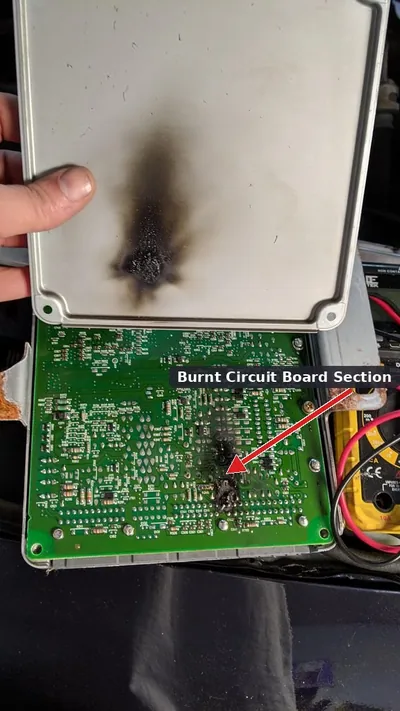
Diagnosing a faulty ECM can be tricky because its symptoms often mimic other, more common issues like bad sensors or ignition components. An ECM failure is relatively rare, so it's wise to rule out simpler problems first. 🎬 Watch: Common signs and symptoms of a failing engine computer However, if you experience several of the following issues simultaneously, the ECM might be the culprit.
- Check Engine Light: An illuminated Check Engine Light is the most common sign. If the light stays on and you get codes pointing to an internal circuit failure, it's a strong indicator.
- Engine Performance Issues: A failing ECM can cause a wide range of problems, including engine stalling, random misfires, rough idling, hesitation, and a sudden loss of power. 🎬 See how a bad ECM affects your engine's performance This is often due to the ECM sending incorrect commands for the air-fuel mixture and ignition timing.
- Car Won't Start: If the ECM is completely dead or fails to communicate with essential sensors, the engine may crank but fail to start.
- Poor Fuel Economy: A sudden, unexplained drop in gas mileage can happen if the ECM incorrectly regulates the air-fuel ratio, causing the engine to run too rich.
- Transmission Shifting Problems: The ECM shares data with the transmission control module. Faulty data can lead to hard or delayed shifts.
Common Diagnostic Trouble Codes (DTCs)
While many codes can indicate an ECM-related issue, some point more directly to an internal failure. A sudden flood of various sensor and communication codes can also suggest the ECM is the root cause.
🎬 Learn the warnings and know when to replace your ECM- P1607: ECM/PCM Internal Circuit Failure A
- P0606: ECM/PCM Processor Fault
- 51-01, 53-13: Codes reported by owners indicating CPU internal circuit malfunction and ECM/PCM relation failure.
- Other codes like P0171 (System Too Lean) and P0174 (Bank 2 System Too Lean) can sometimes be triggered by a faulty ECM, though they more commonly point to other issues.
Known Issues, Recalls, and Technical Service Bulletins (TSBs)

As of early 2026, there are no specific recalls issued by the National Highway Traffic Safety Administration (NHTSA) for the Engine Control Module itself on the 2011 Honda Pilot. However, several TSBs and a warranty extension are relevant.
- TSB A13-082: This bulletin addresses an issue where piston rings on certain cylinders can align, leading to spark plug fouling and setting misfire codes (P0301-P0304). The corrective action for 2009-2011 models involves a PCM software update to help prevent the condition. This highlights the importance of having the latest software on your ECM.
- VCM-Related Issues: The 3.5L V6 engine in the Pilot uses Variable Cylinder Management (VCM), which can lead to oil consumption and fouled spark plugs, particularly on cylinders 1-4. This can cause misfires and rough idling. While not a direct ECM failure, the associated TSB involves an ECM software update as part of the fix.
Important: Before replacing the ECM for misfire codes, ensure TSB A13-082 has been performed. A simple software update might resolve the issue without needing a costly hardware replacement.
ECM Programming and Immobilizer Requirements
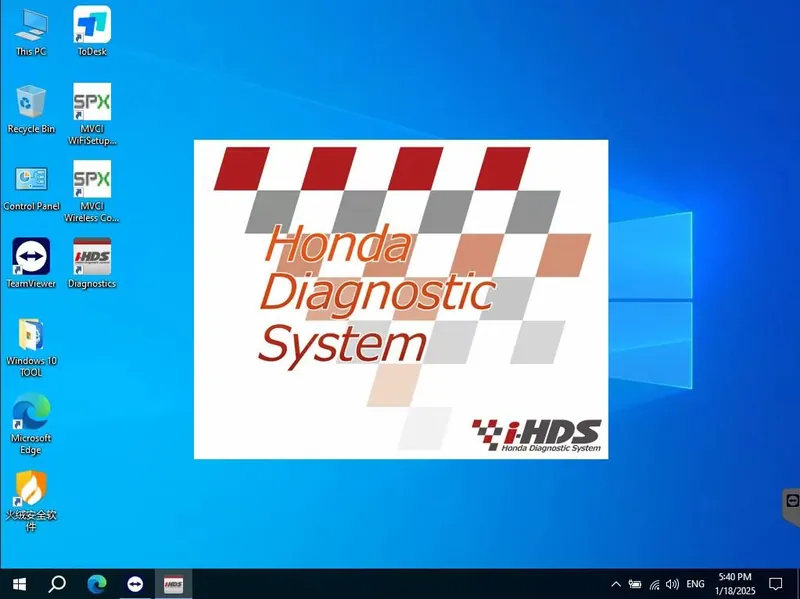
Yes, a replacement ECM for a 2011 Honda Pilot must be programmed to the vehicle. This is not an optional step. The ECM is a critical part of the vehicle's immobilizer (anti-theft) system. The ECM, keys, and immobilizer unit are all synced together. If you install a new or used ECM without programming, the immobilizer will prevent the engine from starting.
Who Can Program the ECM?
- Honda Dealership: A dealership has the proprietary HDS (Honda Diagnostic System) software required to program a new or used ECM to your vehicle and sync it with your existing keys.
- Qualified Locksmiths/Independent Shops: Some automotive locksmiths and independent repair shops with advanced diagnostic tools (like a J2534 pass-thru device) and the appropriate software subscriptions can also perform this programming.
- Mail-In Services: Some companies offer a mail-in cloning service. You send them your original (faulty) ECM and the replacement (used) ECM. They transfer the VIN and immobilizer data from your old unit to the replacement, making it a "plug-and-play" installation when you get it back. This can be a convenient option that avoids a trip to the dealer.
Buying a Used 2011 Honda Pilot ECM
Purchasing a used OEM ECM is a cost-effective alternative to buying a new one, but careful verification is essential. Given the programming requirements, a used ECM offers the same functionality as a new one once it's properly synced to your vehicle.
How to Verify Compatibility
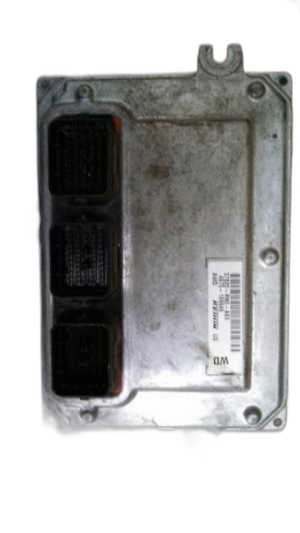
- Match the Part Number Exactly: The most critical step is to match the OEM part number on your original ECM with the number on the used unit. Do not rely on visual similarity alone. Common part numbers for the 2011 Honda Pilot include 37820-RN0-A31, 37820-RN0-A81, 37820-RN0-A82, 37820-RN0-A83, and 37820-RN0-A84.
- Verify Drivetrain: The initial data indicates that these ECMs are for All-Wheel Drive (AWD) models. While not definitively confirmed in searches, it is crucial to ensure the donor vehicle had the same drivetrain (AWD vs. FWD) as yours.
- Inspect for Damage: When you receive the used ECM, check the case for any signs of physical damage, like cracks or dents. Carefully inspect the connector pins to ensure none are bent, broken, or corroded. Water intrusion is a known cause of electronic module failure, so look for any signs of moisture or corrosion.
Pro Tip: Take a clear photo of the part number sticker on your original ECM before you start shopping. This will be your single most important piece of information for finding a compatible replacement.
Cost of Replacing a 2011 Honda Pilot ECM
The cost can vary significantly based on the part source and labor for programming.
| Item | Estimated Cost |
|---|---|
| New OEM Part | $860 - $1,350 |
| Remanufactured / Programmed | $400 - $450 |
| Used OEM Part (from salvage) | $40 - $150 |
| Shop Labor (Installation & Programming) | $100 - $250 |
Frequently Asked Questions (FAQ)
Do I have to take my Pilot to the dealer to replace the ECM?
Not necessarily. While a Honda dealer can always perform the replacement and programming, many independent shops and automotive locksmiths have the tools to do the job. Additionally, you can use a mail-in service to clone your existing ECM's data onto a used unit, which would then not require further programming upon installation.
Will a used ECM from a Pilot with a different VIN work?
Yes, but only if it is reprogrammed for your vehicle. You cannot simply swap a used ECM from another vehicle and expect it to work, as the immobilizer data and VIN will not match. The replacement ECM must be wiped and programmed with your vehicle's specific information.
Is the ECM the same as the PCM or ECU?
Yes. The terms Engine Control Module (ECM), Engine Control Unit (ECU), and Powertrain Control Module (PCM) are often used interchangeably to refer to the main engine computer. Honda typically refers to it as the PCM or ECM.
Where is the ECM located on a 2011 Honda Pilot?
The ECM on a second-generation Honda Pilot is typically located in the engine bay, on the passenger side, near the firewall or shock tower. It is a metal box with several large electrical connectors.
Helpful Videos

Technical Specifications
OEM Part Numbers: 37820-RN0-A31 37820-RN0-A81 37820-RN0-A82 37820-RN0-A83 37820-RN0-A84
For 2011 Honda Pilot with 3.5L V6 engine and All-Wheel Drive (AWD).
We Have This Part in Stock

The information in this article is provided for general reference and educational purposes only. Vehicle specifications, procedures, and part compatibility can vary by production date, trim level, and region. Always consult your vehicle's factory service manual and verify part numbers before purchasing or performing repairs. Safety-critical components such as airbags, seat belts, and braking systems should be installed by a qualified professional.
- Honda Pilot:
- 🎬 Helpful Videos
- 🛍️ Shop This Part
- Symptoms of a Failing 2011 Honda Pilot ECM
- Common Diagnostic Trouble Codes (DTCs)
- Known Issues, Recalls, and Technical Service Bulletins (TSBs)
- ECM Programming and Immobilizer Requirements
- Who Can Program the ECM?
- Buying a Used 2011 Honda Pilot ECM
- How to Verify Compatibility
- Cost of Replacing a 2011 Honda Pilot ECM
- Frequently Asked Questions (FAQ)
- 🎟️ Get 5% Off