

2012-2015 Honda Pilot ECM Failure: Immobilizer Programming and Replacement Guide
Learn the symptoms of a failing Engine Control Module (ECM) in your Honda Pilot, and why a simple swap won't work without special immobilizer programming.
- A replacement ECM (new or used) absolutely must be programmed to the vehicle's immobilizer system, otherwise the engine will not start.
- The ECM is located behind the passenger-side kick panel, making the physical swap easy for a DIYer, but programming requires special tools.
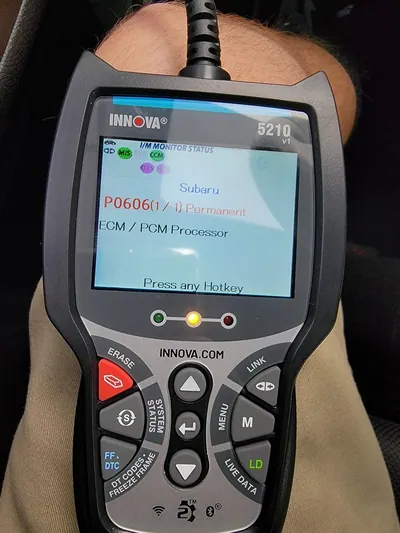
- Common failure symptoms include a no-start condition with a flashing green key light, a check engine light with code P0606, and random engine stalling.
- When buying a used ECM, you must match the OEM part number (e.g., 38700-SZA-A11) but do not need to worry about matching the VIN or mileage.
Symptoms of a Failing 2012-2015 Pilot ECM

A failing ECM can cause a wide range of confusing and intermittent issues. Because it controls so many different systems, the symptoms are not always straightforward. Here are the most common signs that your Pilot's ECM may be in trouble:
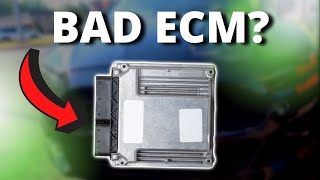
🎬 Watch: A visual guide to common symptoms of a bad ECM- Check Engine Light: This is often the first sign. The light may be steady or, in severe cases like a misfire, it may flash. Codes specifically pointing to an internal processor fault, like P0606, are a strong indicator of ECM failure.
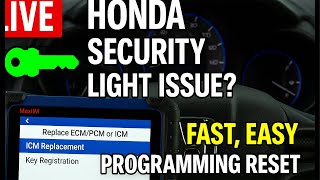
- Engine Will Not Start: A completely dead ECM can result in a no-crank or a crank-no-start condition. This is often because the ECM is a critical part of the anti-theft immobilizer system. If the immobilizer's green key light is flashing on the dashboard, it means the ECM is not recognizing the key. 🎬 See how to fix a flashing green key light using Autel
- Poor Engine Performance: You might experience stalling for no reason, engine stuttering or misfiring, rough idling, and poor acceleration. These issues can happen when the ECM fails to make the correct calculations for the air-fuel mixture and spark timing.
- Transmission Shifting Problems: The ECM communicates with the transmission control module to ensure smooth shifting. A faulty ECM can send bad data, leading to hard or erratic shifts.
- Multiple Unrelated Codes: Sometimes a failing ECM will store multiple, seemingly random trouble codes for sensors that are actually working correctly. This can lead to misdiagnosis and unnecessary replacement of other parts.
Known Issues, TSBs, and Recalls
While there are no direct recalls for the ECM itself on the 2012-2015 Pilot, there are several Technical Service Bulletins (TSBs) that involve software updates to the module to correct other problems.
- TSB 13-082: This bulletin addresses engine misfires (DTCs P0301-P0304) caused by piston rings rotating and leading to spark plug fouling. For 2012-2013 models, the fix involves cleaning pistons and replacing rings, as they were equipped with updated software from the factory. A warranty extension was issued for this issue.
- TSB for Excessive Vibration: Several bulletins were issued to address excessive vibration felt between 30 and 65 mph. The corrective action for this issue is to update the PCM software to adjust the VCM operation and torque converter lock-up. This directly relates to the ECM's control over the powertrain and ACM system.
- DTC P0606 (ECM/PCM Processor Malfunction): An older Honda TSB notes that this code can sometimes be set incorrectly due to a low battery voltage condition, and a software update can resolve it. Before condemning the ECM for a P0606 code, ensure the vehicle's battery and charging system are in good health.
Warning: A replacement ECM, whether new or used, MUST be programmed to your vehicle's immobilizer system. If you install a different ECM without programming, the engine will not start.
Programming and Immobilizer Requirements
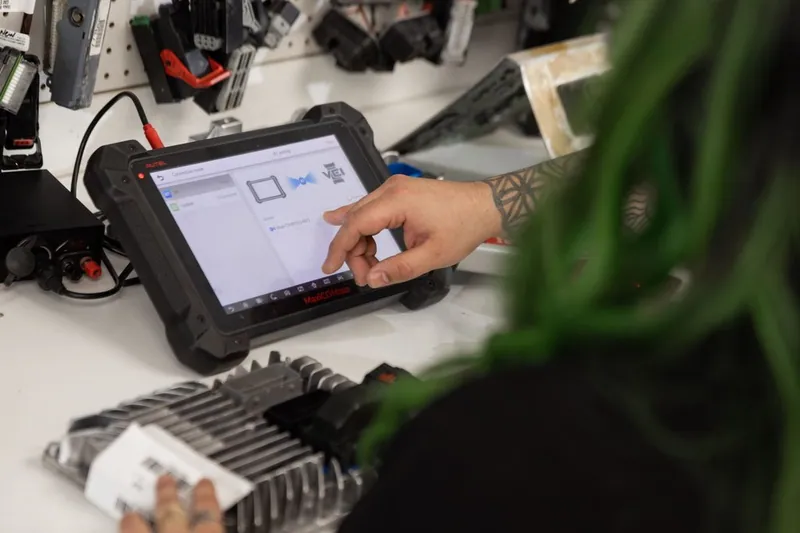
This is the most critical part of replacing the ECM in a 2012-2015 Honda Pilot. The ECM is linked to the immobilizer system as a theft-prevention measure. The system works by ensuring the transponder chip in your key, the immobilizer control unit, and the ECM all recognize each other. When you swap the ECM, this link is broken.
Who Can Program a Honda ECM?
- Honda Dealerships: They have the proprietary Honda Diagnostic System (HDS) and can perform the required initialization and key registration.
- Automotive Locksmiths: Many professional locksmiths have advanced tools like the Autel MaxiIM that can perform immobilizer functions, including registering a new or used ECM to the vehicle.
- Independent Repair Shops: A well-equipped independent shop that services Hondas will often have the necessary J2534 pass-thru device or a high-end scan tool to perform the programming.
The process involves using a diagnostic tool to make the vehicle's immobilizer system 'learn' the new ECM and re-register all existing keys to it.
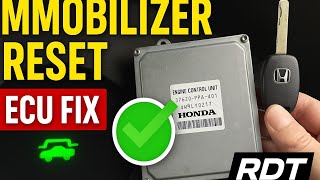
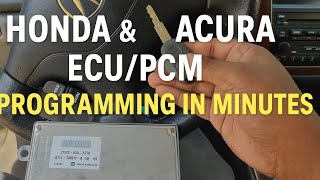
🎬 Watch: Step-by-step guide to programming a Honda ECU and immobilizerBuying a Used Engine Control Module for Your Pilot
A used OEM ECM is a great way to save a significant amount of money, but you must be careful to ensure compatibility and factor in the cost of programming.
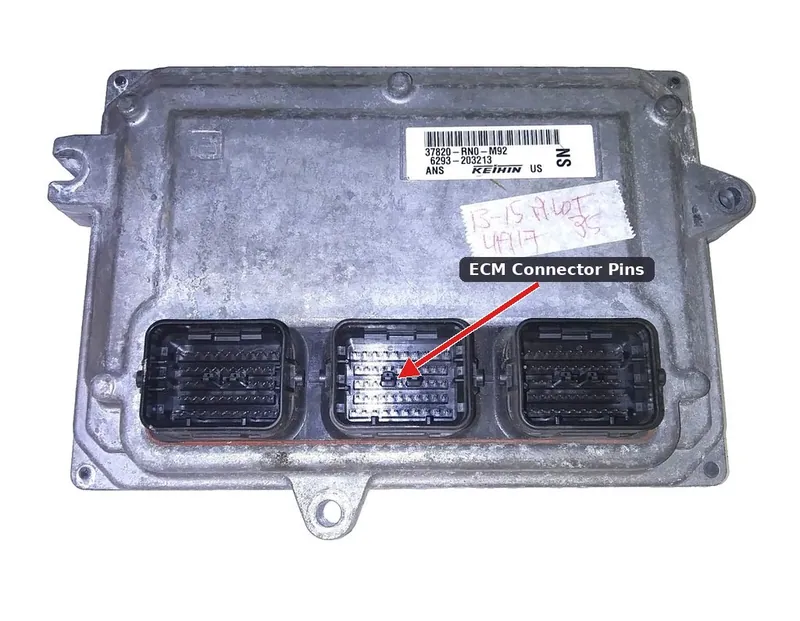
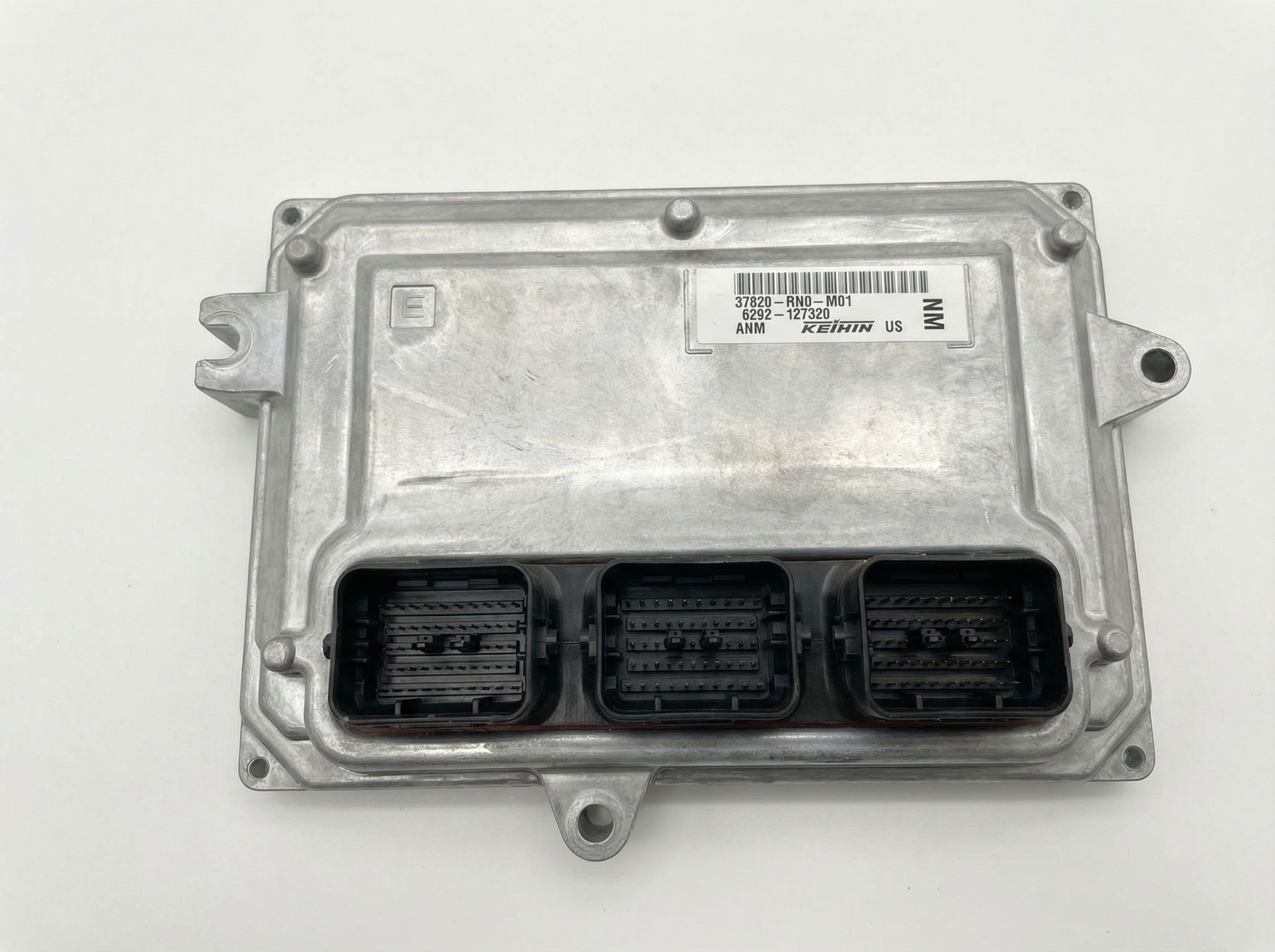
- Match the Part Number Exactly: The most important step is to match the OEM part number on your original ECM with the used one you are buying. The primary part number for this module is 38700-SZA-A11. There may be other compatible numbers, but an exact match is the safest bet.
- Inspect for Damage: Do not buy a module with any signs of physical damage, especially to the connector pins. Since this module is located in the passenger-side kick panel area, it is less prone to engine heat but could be susceptible to water damage from a windshield or heater core leak. Check for any signs of corrosion or water marks.
- Source from a Reputable Seller: Purchase from a seller that offers a warranty and guarantees the part is in good, testable condition.
- Cloning Services: Some companies offer a service where you send them your original ECM and the replacement used ECM. They will transfer (clone) the immobilizer data from your old module to the new one, making the replacement 'plug-and-play' with no additional programming needed. This can be a convenient option if you can have the vehicle off the road while the modules are shipped.
Cost Breakdown
Prices can vary based on your location and the chosen repair path. Here are some typical cost estimates:
| Part/Service | Estimated Cost |
|---|---|
| New OEM ECM | $400 - $600 |
| Used OEM ECM | $30 - $100 |
| Remanufactured / Cloning Service | $400 - $450 |
| Shop Labor (Physical Swap) | $96 - $141 |
| Shop Labor (Programming) | $100 - $250 |
| Total Dealer Replacement (New OEM) | $1,000 - $1,500+ |
| Total DIY w/ Used Part + Locksmith Programming | $200 - $450 |
Frequently Asked Questions (FAQ)
Can I replace the ECM myself?
Yes, the physical replacement is straightforward for a DIYer. The module is located behind the passenger-side kick panel and is held in by a few bolts. However, the vehicle will not start after the swap until it is towed to a dealer or locksmith for immobilizer programming.
Will a used ECM from a junkyard work in my 2014 Pilot?
Yes, provided the part number is an exact match for your original module and it is correctly programmed to your vehicle's immobilizer system after installation. The module fits all 2012-2015 Pilot models.
What happens if I just install a new ECM without programming it?
The engine will crank but will not start. The green key-shaped immobilizer light on your dashboard will flash, indicating that the ECM does not recognize your key. The immobilizer system prevents the engine from getting fuel and spark.
Does the VIN or mileage on the used ECM need to match my car?
No. The mileage is stored in the instrument cluster, not the ECM. During the programming process, the technician will write your vehicle's VIN to the replacement ECM, so it does not need to match beforehand.
Helpful Videos
Technical Specifications
OEM Part Numbers: 38700-SZA-A11 38700SZAA11
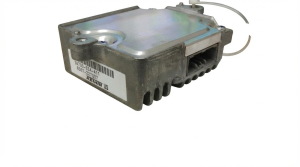
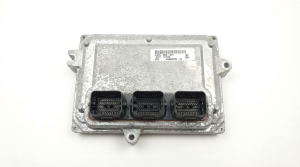
Controls engine functions and the Active Control Engine Mount (ACM) system. Located in the passenger side (RH) kick panel area.
We Have This Part in Stock

The information in this article is provided for general reference and educational purposes only. Vehicle specifications, procedures, and part compatibility can vary by production date, trim level, and region. Always consult your vehicle's factory service manual and verify part numbers before purchasing or performing repairs. Safety-critical components such as airbags, seat belts, and braking systems should be installed by a qualified professional.
- Honda Pilot: