

2015-2017 Hyundai Accent ECM: Programming, Failure Symptoms, and Replacement Guide
This guide covers the essential information you need before replacing the Engine Control Module (ECM) in your 2015-2017 Hyundai Accent, with a focus on the mandatory programming requirements.
- A replacement ECM for a 2015-2017 Accent MUST be programmed to the vehicle's VIN and immobilizer system to function.
- Programming requires special tools and must be done by a Hyundai dealer or a qualified independent shop; it is not a DIY task.
- Always match the OEM part number on your original ECM exactly with the replacement unit.
- A software update (TSB 17-FL-001) may fix a P0441 code without needing to replace the entire module.
Symptoms of a Failing Engine Control Module
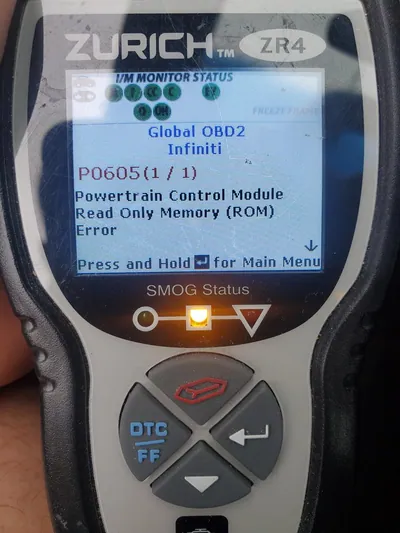
An ECM failure can cause a wide range of problems, from a simple check engine light to a car that won't start at all. Because the ECM controls so many different systems, symptoms can sometimes be mistaken for other issues. Always perform a thorough diagnosis before condemning the ECM.
- Check Engine Light: This is the most common symptom. A failing ECM can trigger codes for sensors that are actually working correctly, or it can set codes specifically related to internal module failure.
- Engine Performance Issues: You may experience engine stuttering, misfires, a sudden loss of power, or poor acceleration. This happens when the ECM can't properly calculate the air-fuel mixture or ignition timing.
- No-Start or Hard Starting: The engine may crank but refuse to start. The ECM controls the fuel injectors and ignition coils, and if it fails to send the correct signals, the engine won't run. 🎬 Watch: Troubleshooting a 2015 Accent that cranks but won't start.
- Engine Stalling: The engine may shut off unexpectedly while driving or when coming to a stop.
- Poor Fuel Economy: A sudden, unexplained drop in gas mileage can be a sign that the ECM is not managing the engine's fuel delivery efficiently.
- Erratic Transmission Shifting (Automatic): The ECM communicates with the transmission control module to ensure smooth shifts. A faulty ECM can send incorrect data, leading to harsh or delayed shifting.
Common Diagnostic Trouble Codes (DTCs)
While many codes can indicate an ECM-related problem, codes in the P06xx range often point directly to an internal failure of the module itself.
- P0600 - P0605: These codes indicate various internal control module errors, such as ROM/RAM errors, processor faults, or communication issues.
- P0101, P0102: Mass Airflow (MAF) Sensor circuit problems.
- P0171, P0174: System Too Lean. While often caused by vacuum leaks, a faulty ECM can also be the culprit.
- P0300-P0304: Misfire codes for random or specific cylinders.
- P0441: Incorrect Purge Flow. Note that a Technical Service Bulletin (TSB) exists for this code, which is resolved by a software update, not necessarily a hardware replacement.
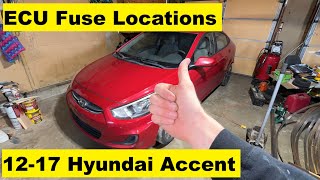
Warning: The presence of these codes does not automatically mean the ECM has failed. A qualified technician should always rule out sensor, wiring, and connector issues 🎬 Check this video to find and inspect your ECU fuses. before replacing the ECM.
Known Issues, TSBs, and Recalls

While there are no major recalls specifically for ECM failure on the 2015-2017 Accent, there are relevant service bulletins that involve software updates.
- TSB 17-FL-001: Some vehicles may display a check engine light with DTC P0441 (Incorrect Purge Flow) stored. Hyundai released a software update for the ECM to correct the diagnostic logic for this code. This does not require replacing the ECM.
- NHTSA Recall 20V-750 / Hyundai Recall 198: This recall affects a wide range of Hyundai models, including the 2012-2015 Accent. The Anti-Lock Brake System (ABS) module can leak brake fluid internally, causing an electrical short and increasing the risk of an engine compartment fire. This is a separate computer from the ECM, but it highlights the potential for electronic module issues.
Buying a Used Engine Control Module (ECM)

Purchasing a used OEM ECM is a cost-effective way to get your Accent back on the road, but there are critical steps you must follow to ensure success. The single most important factor is programming.
Critical Warning: A replacement ECM for a 2015-2017 Hyundai Accent MUST be programmed to your vehicle. You cannot simply swap the module and expect the car to start. The ECM is linked to your car's Vehicle Identification Number (VIN) and the anti-theft immobilizer system, which involves the transponder chips in your keys.
Steps for Buying a Used ECM:
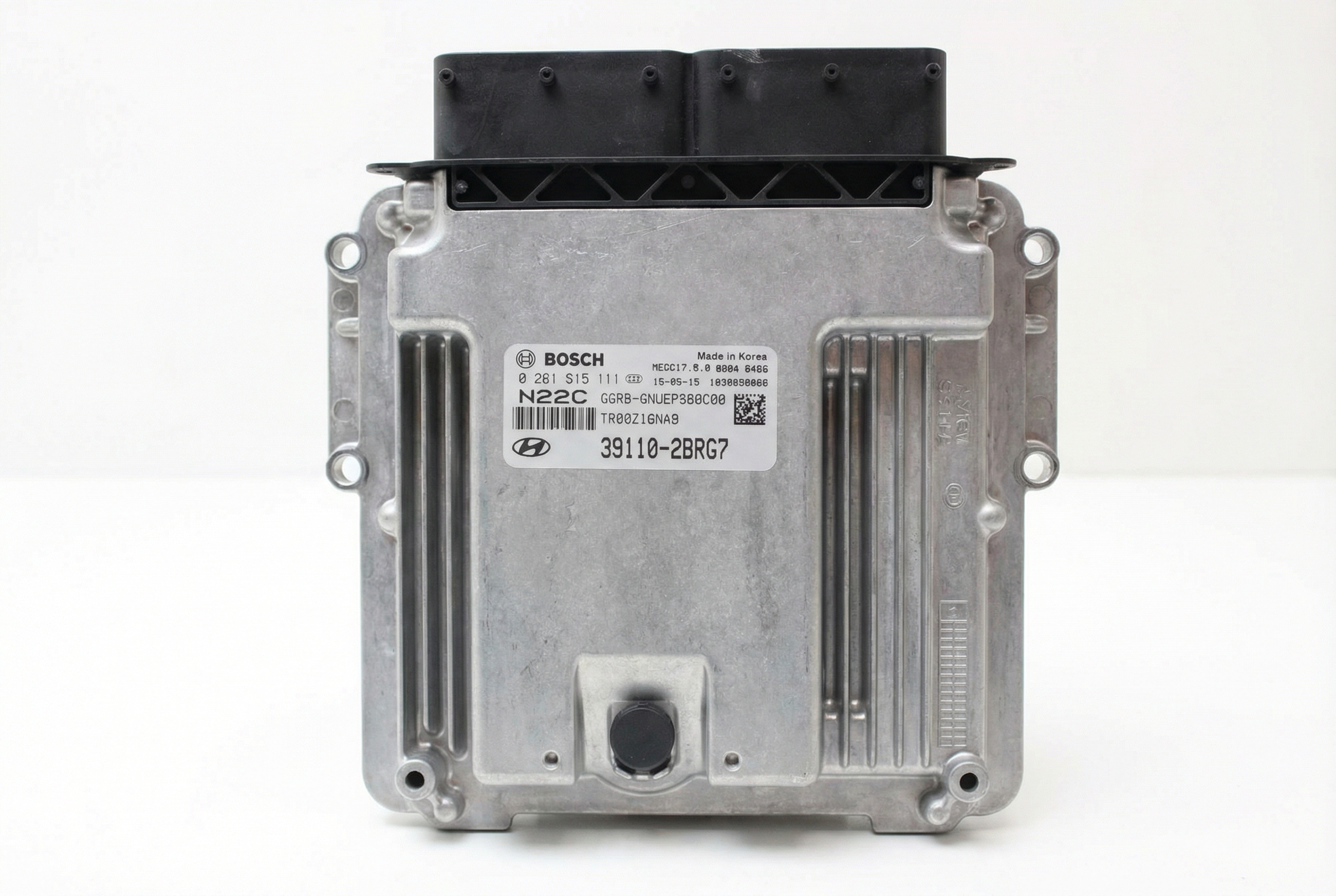
- Match the Part Number Exactly: Before you buy, locate your vehicle's original ECM and find the OEM part number printed on its label. The replacement unit must have the exact same part number to be compatible. Common part numbers include 39110-2BRG7, 391102BRB5, 391102BRG0, and 391102BRG5.
- Plan for Programming: Before purchasing the used ECM, contact your local Hyundai dealership or a qualified independent auto repair shop that specializes in import vehicles. Ask them if they are able and willing to program a customer-supplied used ECM. Some shops or dealers may refuse. Specialized automotive locksmiths may also offer this service.
- Inspect the Part: When you receive the used ECM, inspect it for any physical damage. Look for corrosion on the pins, cracks in the casing, or any signs that the unit has been opened or tampered with.
- Consider Pre-Programmed Units: Some online sellers offer refurbished or used ECMs that they can pre-program to your car's VIN before shipping. This can be a convenient option, making the installation "plug and play." You will need to provide your VIN at the time of purchase.
Cost Breakdown
The cost to replace an ECM can vary dramatically depending on the source of the part.
| Part Source | Estimated Part Cost |
|---|---|
| New OEM | $1,300 - $1,975 |
| Remanufactured / Pre-Programmed | $270 - $450 |
| Used OEM | $80 - $200 |
| Shop Labor (Physical Swap) | $100 - $160 |
| Shop Labor (Programming) | $150 - $400 (Varies widely by shop) |
Frequently Asked Questions (FAQ)
Does a replacement ECM for a 2015-2017 Accent have to be programmed?
Yes, absolutely. The ECM is tied to your vehicle's VIN and immobilizer system. A replacement module, whether new or used, must be programmed by a Hyundai dealer or a properly equipped independent shop to recognize your specific vehicle and keys. Without programming, the car will not start.
Can I program a Hyundai ECM myself?
No, this is not a DIY job. Programming requires specialized, expensive diagnostic tools (like the Hyundai GDS) and access to manufacturer software. An attempt to do it yourself without the proper equipment will fail.
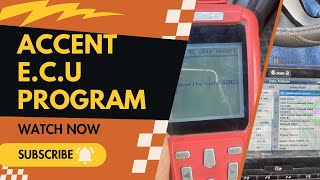
🎬 See a demonstration of the Hyundai ECU programming process.Can a locksmith program a Hyundai ECM?
Some specialized automotive locksmiths have the advanced tools required to program keys and modules for Hyundai vehicles. It is worth calling local automotive locksmiths to inquire about their capabilities and pricing, as they may be a viable alternative to the dealership.
What's the difference between an ECM, ECU, and PCM?
The terms are often used interchangeably. ECM (Engine Control Module) and ECU (Engine Control Unit) typically refer to the computer that controls only the engine. PCM (Powertrain Control Module) usually means the computer controls both the engine and the automatic transmission. For the 2015-2017 Accent, these terms all refer to the same main computer.
Helpful Videos
Technical Specifications
OEM Part Numbers: 39110-2BRG7 391102BRB5 391102BRG0 391102BRG5 391102BRB7
Fits 2015-2017 Hyundai Accent models with 1.6L GDI engine and automatic transmission for the US market.
We Have This Part in Stock

The information in this article is provided for general reference and educational purposes only. Vehicle specifications, procedures, and part compatibility can vary by production date, trim level, and region. Always consult your vehicle's factory service manual and verify part numbers before purchasing or performing repairs. Safety-critical components such as airbags, seat belts, and braking systems should be installed by a qualified professional.
- Hyundai Accent: