

2020-2022 Hyundai Accent ECM: Programming, Immobilizer, and Replacement Guide
This guide covers the essential details of replacing the Engine Control Module (ECM) in your 2020-2022 Hyundai Accent, with a focus on mandatory programming and compatibility.
- A replacement ECM for a 2020-2022 Accent MUST be programmed to the vehicle's VIN and immobilizer system to function.
- Match the OEM part number exactly (e.g., 39100-2M010, 39100-2M011, 39100-2M012) to ensure compatibility.
- This ECM is for models with a 1.6L engine, automatic transmission, and a traditional key (not push-button start).
- Programming can be done by a dealer, a well-equipped independent shop, or some automotive locksmiths; it is not a DIY job without special tools.
What the Engine Control Module (ECM) Does on Your Hyundai Accent
The Engine Control Module (ECM) is the master computer that manages your Accent's 1.6L engine. Think of it as the brain of the operation. It takes in information from dozens of sensors—like the oxygen sensors in the exhaust, the mass airflow sensor measuring air intake, and the crankshaft position sensor tracking engine speed. Using this data, it makes millions of calculations per second to control two key things: the amount of fuel injected into the cylinders and the precise moment the spark plugs ignite that fuel. This constant adjustment ensures the engine produces optimal power, achieves the best possible fuel economy, and keeps emissions within legal limits. It also plays a role in transmission shifting and communicates with other modules in the car, like the anti-lock brake system and the immobilizer.
Common Symptoms of a Failing 2020-2022 Accent ECM
A failing ECM can cause a wide range of problems, from simple check engine lights to a car that won't start at all. Because the ECM controls so many functions, symptoms can sometimes be mistaken for other issues.
- Check Engine Light: This is the most common symptom. The ECM will trigger the light when it detects a fault in one of its own circuits or in a sensor it monitors. Specific ECM-related fault codes include P0600 through P0605, which point to internal module errors.
- Engine Performance Issues: A bad ECM can lead to rough idling, engine stuttering or misfiring, and a noticeable loss of power or acceleration. This happens when the ECM can't properly calculate the air-fuel ratio or ignition timing.
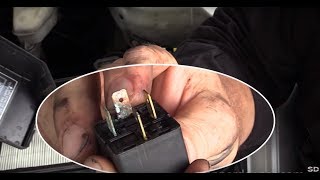
- Car Won't Start: If the ECM is completely dead, it cannot control the fuel injectors or spark plugs, and the engine will crank but not start. 🎬 Watch: How to troubleshoot a no-start condition on your Hyundai It may also fail to communicate with the immobilizer system, preventing the car from starting as a security measure.
- Poor Fuel Economy: A sudden drop in gas mileage can be a sign that the ECM is not managing the engine's fuel delivery efficiently.
- Erratic Shifting: In automatic transmission models, a faulty ECM can send incorrect data to the transmission control module, causing hard, delayed, or erratic gear shifts.
Known Issues, Recalls, and Service Bulletins
While there are no widespread recalls specifically for the ECM on the 2020-2022 Hyundai Accent, it's important to be aware of related issues.
- Recalls: The 2020-2022 Accent has been subject to several safety recalls, most notably for exploding seat belt pretensioners (NHTSA Recall No. 22V-123) and improperly secured steering columns. These do not directly involve the ECM but highlight the importance of checking your vehicle's VIN for any open safety campaigns.
- Technical Service Bulletins (TSBs): Hyundai has issued TSBs for this generation of Accent that involve software updates to the ECU. TSB #22-01-082H, for example, addresses a software upgrade to improve an internal mileage calculation error. TSBs are not recalls, but are instructions for dealers to fix known, non-safety-critical issues. This shows that software updates are a normal part of the vehicle's lifecycle.
Pro Tip: Before replacing an ECM for a performance issue, always check with a Hyundai dealer to see if there is a software update available. Sometimes a reflash can solve the problem without needing to replace the hardware.
Buying a Used ECM for Your 2020-2022 Accent: What You MUST Know
This is the most critical part of the process. Modern ECMs are not simple plug-and-play parts. Due to anti-theft systems and vehicle-specific data, you must follow specific steps to ensure a used ECM will work in your car.
Programming is MANDATORY
A replacement ECM, whether new or used, will not work until it is programmed to your specific vehicle. The ECM stores the vehicle's unique Vehicle Identification Number (VIN) and security information related to the immobilizer system. Installing an ECM from another car without reprogramming will result in a no-start condition.
Warning: The 2020-2022 Hyundai Accent uses an immobilizer system. For models with a traditional key (not push-button start), a transponder chip in the key must be recognized by the ECM. If the ECM is not programmed to recognize your keys, the engine's fuel system will be disabled, and the car will not start.
Compatibility Checklist
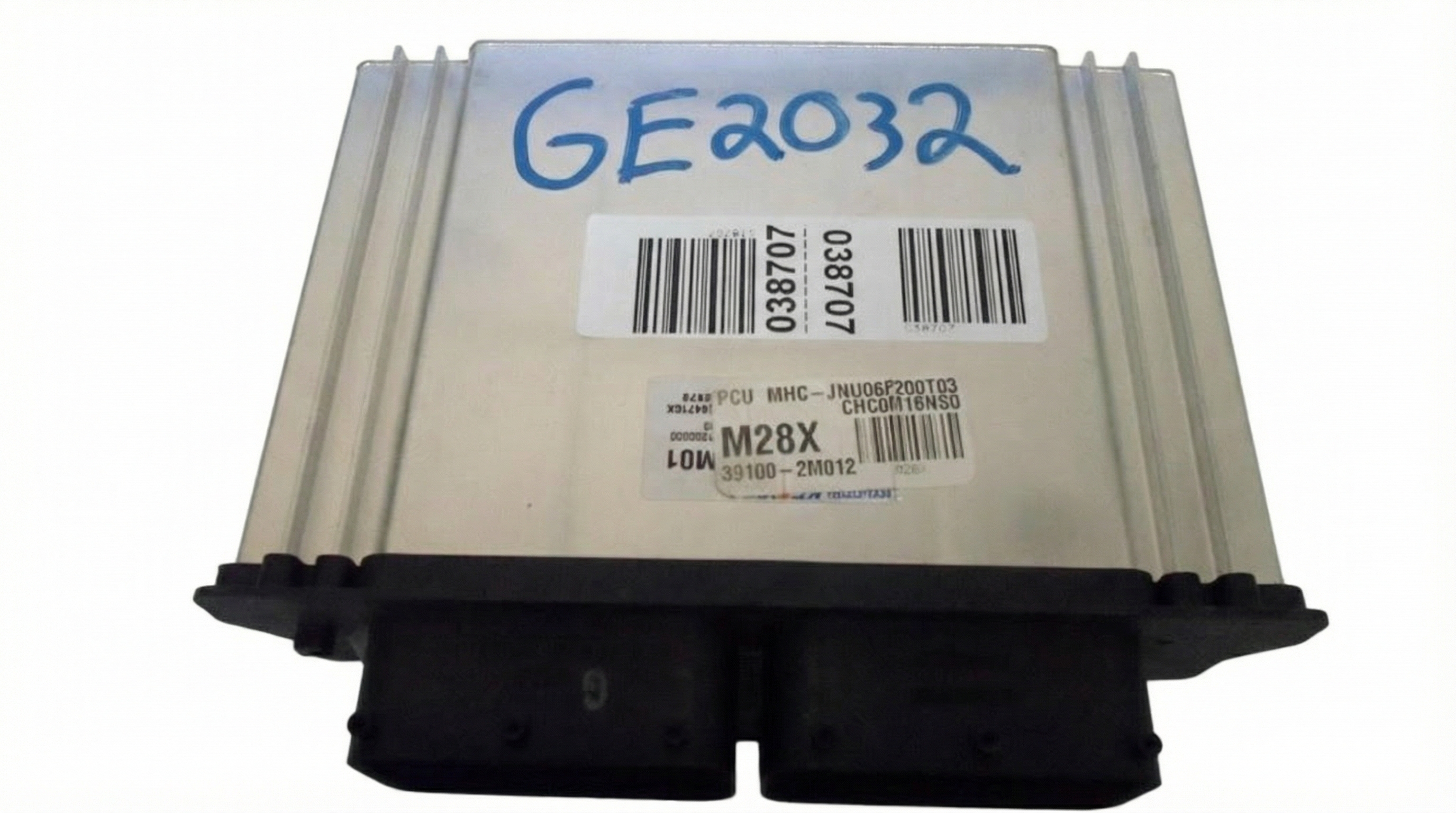
- Match the Part Number Exactly: The most important step is to match the OEM part number from your original ECM to the replacement unit. The known part numbers for this vehicle are 39100-2M010, 39100-2M011, and 39100-2M012. Even a small difference in the part number can indicate different software or hardware meant for another trim level or option package.
- Verify Transmission and Options: The initial data specifies this ECM fits 1.6L models with an automatic transmission and without a push-button start system. Ensure the donor vehicle of the used ECM had the exact same configuration.
- Physical Inspection: When you receive the used ECM, inspect it for any signs of physical damage, especially to the connectors. Check for corrosion, bent pins, or cracks in the casing. Avoid any units that show signs of water damage.
Who Can Program the ECM?
You have a few options for programming, but a DIY approach is generally not feasible without specialized tools.
- Hyundai Dealership: This is the most reliable, but often most expensive, option. They have the correct equipment and access to the latest factory software.
- Independent Repair Shop: Many independent shops that specialize in diagnostics have J-2534 pass-thru devices and subscriptions to Hyundai's technical service website, allowing them to perform factory-level programming.
- Automotive Locksmiths: Some advanced automotive locksmiths have the tools to program ECMs and keys, especially when immobilizer issues are involved. It's essential to call ahead and confirm they can work on this specific year and model.
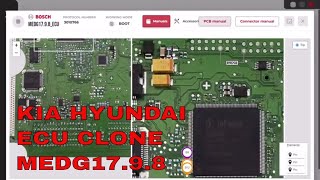
- Mail-In Services: Some companies offer mail-in services where you send them your original and replacement ECMs, and they clone the data. 🎬 See how professionals clone and program a Hyundai ECU Other services will program a refurbished unit to your VIN before shipping it to you, advertising it as 'Plug and Play'.
Replacement Cost Comparison
Prices can vary significantly based on the source of the part and labor rates. Programming costs are often separate from the installation labor.
| Item | Estimated Cost |
|---|---|
| New OEM ECM (Part Only) | $525 - $775 |
| Used OEM ECM (Part Only) | $75 - $250 |
| Remanufactured ECM (Pre-programmed) | $270 - $450 |
| Shop Labor (Installation) | $100 - $200 |
| Shop Labor (Programming) | $150 - $300 |
Frequently Asked Questions (FAQ)
Do I have to take my car to the dealer to get a new ECM programmed?
Not necessarily. While a Hyundai dealer is a guaranteed option, many qualified independent auto repair shops and some mobile mechanics or automotive locksmiths have the J-2534 equipment and software subscriptions required to program a new or used ECM to your vehicle. Always call ahead to verify they have the capability for your specific year and model.
Can I just swap an ECM from another Accent with the same part number?
No. Even if the part number is an exact match, the ECM is tied to the original car's VIN and immobilizer key data. Swapping it without reprogramming will cause the immobilizer to activate, and the car will not start. The replacement ECM must be professionally programmed to your car.
What is the difference between an ECM, ECU, and PCM?
For most modern passenger cars, these terms are used interchangeably. ECM (Engine Control Module), ECU (Engine Control Unit), and PCM (Powertrain Control Module) all refer to the main computer that controls the engine. PCM is often considered the most accurate term as it typically manages both the engine and the automatic transmission.
Will a used ECM affect my car's mileage reading?
The odometer reading is typically stored in the instrument cluster, not the ECM. However, the ECM does store the VIN. During a state emissions inspection, the technician will scan the ECM to read the VIN. If the VIN in the ECM does not match the VIN on the vehicle's chassis, it will fail the inspection. This is another reason why proper programming is essential.
Helpful Videos
Technical Specifications
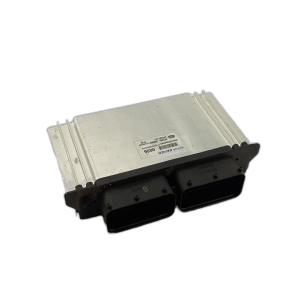
OEM Part Numbers: 39100-2M010 39100-2M011 39100-2M012
Fits 1.6L engine with automatic transmission and without push-button start/immobilizer.
We Have This Part in Stock

The information in this article is provided for general reference and educational purposes only. Vehicle specifications, procedures, and part compatibility can vary by production date, trim level, and region. Always consult your vehicle's factory service manual and verify part numbers before purchasing or performing repairs. Safety-critical components such as airbags, seat belts, and braking systems should be installed by a qualified professional.
- Hyundai Accent:
- 🎬 Helpful Videos
- 🛍️ Shop This Part
- What the Engine Control Module (ECM) Does on Your Hyundai Accent
- Common Symptoms of a Failing 2020-2022 Accent ECM
- Known Issues, Recalls, and Service Bulletins
- Buying a Used ECM for Your 2020-2022 Accent: What You MUST Know
- Programming is MANDATORY
- Compatibility Checklist
- Who Can Program the ECM?
- Replacement Cost Comparison
- Frequently Asked Questions (FAQ)
- 🎟️ Get 5% Off