

2020 Hyundai Elantra 2.0L Engine Control Module: Programming, Recalls, and Replacement Guide
This in-depth guide covers the critical programming requirements, known engine recalls that mimic ECM failure, and compatibility details for the 2020 Hyundai Elantra 2.0L ECM.
- A replacement ECM (new or used) MUST be programmed to the vehicle by a dealer or qualified shop to function.
- The OEM part number is 391712EFJ5. It must match exactly and is only for 2.0L CVT US-built models.
- Symptoms like stalling and engine noise could be from a major engine recall (NHTSA 21V-301), not a bad ECM. Check for open recalls first.
- Some running issues may be fixed with a simple dealer software update (reflash) instead of a full ECM replacement.
Understanding Your 2020 Elantra's Engine Control Module (ECM)
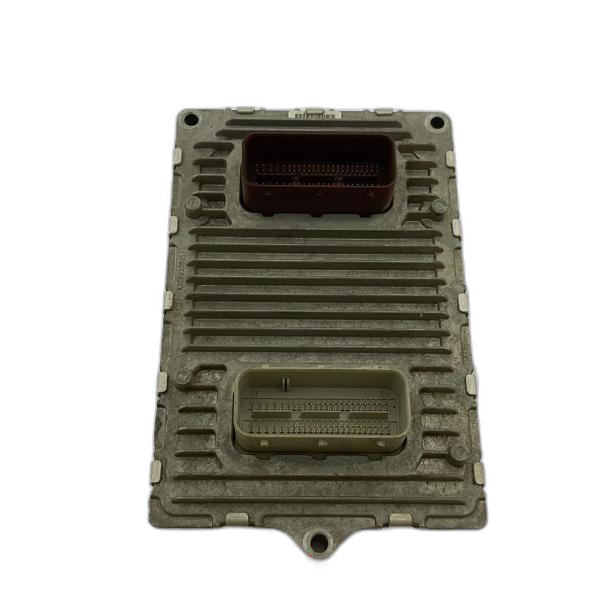
The Engine Control Module (ECM) is a vital component in your 2020 Hyundai Elantra with the 2.0L engine. It's not just a simple part; it's the master computer that manages everything from starting the engine to how smoothly it accelerates. It constantly adjusts engine parameters based on data from sensors that measure airflow, oxygen content in the exhaust, engine speed, and more. When this module fails, it can cause a wide range of problems, from a simple check engine light to a car that won't start at all.
Symptoms of a Failing 2020 Elantra ECM
A failing ECM can produce a variety of symptoms. Because the ECM is tied to so many systems, it's important to properly diagnose the issue, as other failing parts can sometimes mimic ECM failure.
- Check Engine Light: This is the most common symptom. The ECM will trigger a check engine light when it detects a fault in its own circuits or in a system it monitors. Specific codes for internal ECM failure include P0600, P0601, P0602, P0603, P0604, and P0605.
- Engine Won't Start: The ECM controls the fuel and spark needed for ignition. If the module is faulty, it may not send the correct signals, resulting in a no-start condition.
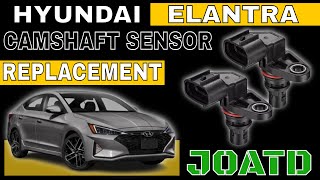
- Poor Engine Performance: You might experience engine stuttering, misfires, stalling for no reason, or a 🎬 See how a bad camshaft sensor can cause similar stalling. sudden loss of power. This happens when the ECM can't properly regulate the air-fuel ratio or ignition timing.
- Reduced Fuel Economy: A sudden, unexplained drop in gas mileage can be a sign that the ECM is not managing the engine's fuel delivery efficiently.
- Erratic Shifting: The ECM shares data with the transmission control module. Faulty data can lead to rough or delayed gear shifts.
Pro Tip: Before condemning the ECM, be aware of a major engine recall for the 2020 Elantra 2.0L engine. Symptoms like stalling, engine noise, and oil consumption could be related to this recall and not the ECM itself.
Known Issues, Recalls, and Technical Service Bulletins (TSBs)
For the 2020 Elantra 2.0L, several factory communications are critical to understand before replacing the ECM.
NHTSA Recall 21V-301: Improperly Heat-Treated Piston Rings
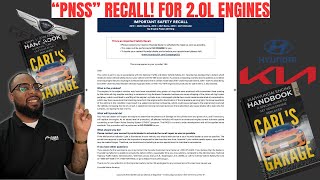
This is the most significant issue affecting the 2020 Elantra with the 2.0L Nu MPI engine. The piston oil rings may be overly hard, causing them to chip and score the cylinder walls. This can lead to excessive oil consumption, engine knocking, stalling, and eventually complete engine failure or even a fire. Because the symptoms include stalling and poor performance, this mechanical issue can easily be misdiagnosed as an ECM problem. The fix involves a dealer inspection and, if necessary, a complete engine replacement, free of charge. Hyundai also developed a software update (Piston Ring Noise Sensing System or PNSS) 🎬 Watch: Understanding the piston ring recall and PNSS software update. to help detect the problem earlier.
ECM Software Update TSBs
Hyundai has issued Technical Service Bulletins (TSBs) for the 2020 Elantra's ECM. One update revises the logic for Diagnostic Trouble Codes (DTCs) P0068, P0101, and P0106 to prevent a false check engine light. Another TSB updates the knock sensor software to better detect the engine noise associated with the piston ring recall. In these cases, a simple software reflash at the dealership may solve the problem without needing to replace the entire ECM.
Buying a Used Engine Control Module: What You Must Know
Purchasing a used OEM ECM is a great way to save money, but there are critical details you cannot overlook. Failure to follow these guidelines will result in a part that does not work.
1. Match the Part Number Exactly
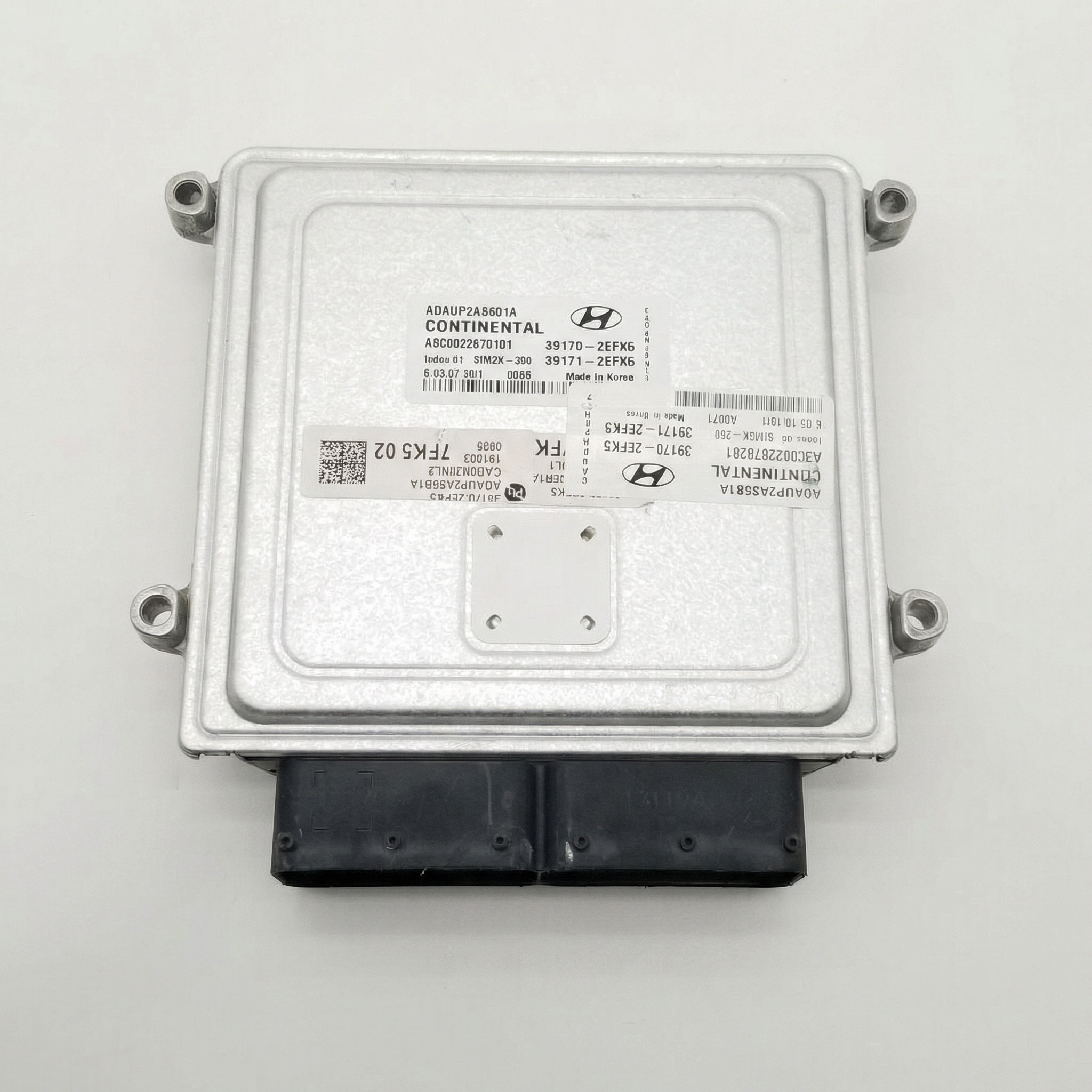
The correct OEM part number for this specific vehicle configuration is 391712EFJ5. Do not install a module with a different part number, even if it came from another 2020 Elantra. Different engines, transmissions, and even emissions standards use different modules.
2. Verify Vehicle Compatibility
This ECM, part number 391712EFJ5, only fits:
- 2020 Hyundai Elantra Sedan (SE, SEL, Limited, Value Edition trims)
- 2.0L 4-Cylinder Engine
- Automatic (CVT) Transmission
- US-Built, US Market Vehicle
An ECM from a Korean-built Elantra or one with a different engine will not work.
3. Plan for Programming
Warning: A replacement ECM, whether new or used, WILL NOT start or run the vehicle until it is programmed. This is not a plug-and-play part. The module must be programmed to your vehicle's unique Vehicle Identification Number (VIN) and its immobilizer system.
After physical installation, the vehicle must be taken to a Hyundai dealership or a qualified independent repair shop that has Hyundai-specific diagnostic tools (like a GDS, Autel, or Maxisys scanner) to perform the programming. Some automotive locksmiths may also have this capability, but you must confirm with them beforehand.
4. Inspect the Used Part
When your used ECM arrives, inspect it carefully. Look for any signs of physical damage, corrosion on the pins, or evidence of water intrusion. The case should be sealed and all connector pins should be straight and clean.
Cost to Replace a 2020 Hyundai Elantra ECM
The cost can vary significantly based on the source of the part and labor rates.
| Part Source | Estimated Part Cost |
|---|---|
| New OEM (Dealer) | $460 - $685 |
| Used OEM (Recycled) | $75 - $150 |
| Remanufactured (Pre-Programmed) | $200 - $400+ (Varies by supplier) |
| Shop Labor (Installation & Programming) | $150 - $300 |
Note: Labor costs can vary. The physical swap is quick, but programming is where most of the labor time is. A software update alone is estimated at 0.3 hours, but initial programming and system checks may take 1-2 hours.
Frequently Asked Questions (FAQ)
Does a used 2020 Elantra ECM need to be programmed?
Yes, absolutely. The ECM is tied to the car's anti-theft immobilizer system. A replacement module must be programmed to your car's VIN by a dealer or a properly equipped independent shop for the engine to start and run.
Can I install the ECM myself and then drive it to the dealer?
You can install the ECM yourself, but the car will likely not start. You will need to have the vehicle towed to a dealership or a shop that can perform the programming on-site.
🎬 Watch: A walkthrough of the Hyundai ECM programming procedure.My car is stalling. Is it a bad ECM or the engine recall?
It could be either. The symptoms of the major engine recall (NHTSA 21V-301) for the 2.0L engine—stalling, noise, oil loss—can mimic a bad ECM. It is highly recommended to have a Hyundai dealer check if your vehicle is affected by this recall before you spend money replacing the ECM.
Why can't I use an ECM from a 2020 Elantra with the 1.4L Turbo engine?
Different engines have completely different management needs. The ECM for the 1.4L Turbo engine (part number 39103-03001) has different hardware and software designed for a turbocharged, direct-injection engine and will not work with the 2.0L naturally aspirated engine. You must match the part number exactly.
Helpful Videos



Technical Specifications
OEM Part Numbers: 391712EFJ5
Fits 2020 Elantra with 2.0L Nu MPI engine, automatic (CVT) transmission, and SULEV emissions. For US-built vehicles only.
We Have This Part in Stock

The information in this article is provided for general reference and educational purposes only. Vehicle specifications, procedures, and part compatibility can vary by production date, trim level, and region. Always consult your vehicle's factory service manual and verify part numbers before purchasing or performing repairs. Safety-critical components such as airbags, seat belts, and braking systems should be installed by a qualified professional.
- Hyundai Elantra:
- 🎬 Helpful Videos
- 🛍️ Shop This Part
- Understanding Your 2020 Elantra's Engine Control Module (ECM)
- Symptoms of a Failing 2020 Elantra ECM
- Known Issues, Recalls, and Technical Service Bulletins (TSBs)
- NHTSA Recall 21V-301: Improperly Heat-Treated Piston Rings
- ECM Software Update TSBs
- Buying a Used Engine Control Module: What You Must Know
- 1. Match the Part Number Exactly
- 2. Verify Vehicle Compatibility
- 3. Plan for Programming
- 4. Inspect the Used Part
- Cost to Replace a 2020 Hyundai Elantra ECM
- Frequently Asked Questions (FAQ)
- 🎟️ Get 5% Off