

2017-2018 Hyundai Santa Fe 2.4L ECM: A Guide to Programming, Compatibility, and Replacement
This guide covers the critical details of replacing the Engine Control Module on your 2017-2018 Hyundai Santa Fe, including mandatory programming, common symptoms, and how to buy the right used part.
- This ECM is NOT plug-and-play. It requires mandatory programming by a dealer or a qualified shop to sync with your vehicle's VIN and immobilizer system.
- Compatibility is critical. The ECM must be for a 2017-2018 Santa Fe with a 2.4L engine, All-Wheel Drive (AWD), and a traditional turn-key ignition.
- A software update (TSB 21-01-023H-4) is available to help the ECM detect early signs of engine bearing failure, a known issue with this engine family.
- A used OEM module is a viable, low-cost option, but you must match the part number exactly and budget for professional programming.
Symptoms of a Failing ECM
A bad Engine Control Module can cause a wide range of problems, from a simple check engine light to a car that won't start at all. Because the ECM controls so many different systems, symptoms can sometimes be confusing and mimic other issues. Look for these common signs of failure.
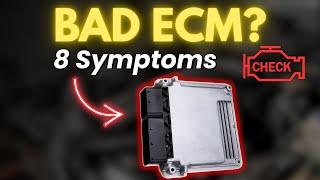
🎬 Watch: A visual guide to common bad ECM symptoms.- Check Engine Light: This is the most common symptom. The light may stay on constantly, or it might come and go. If the ECM has an internal fault, you may see codes like P0600, P0601, P0602, P0603, P0604, or P0605, which point directly to a problem with the module itself.
- Engine Stalling or No-Start: The engine may shut off for no reason while driving or refuse to start at all. This can happen if the ECM fails to properly command the fuel pump or ignition coils.
- Poor Engine Performance: You might notice a sudden drop in fuel economy, a loss of power, hesitation during acceleration, or engine misfires. This happens when the ECM can no longer correctly manage the air-fuel mixture or ignition timing.
- Communication Failures: A mechanic's diagnostic scan tool may be unable to communicate with the ECM. This is a strong indicator that the module itself has failed.
- Transmission Shifting Problems: On automatic transmission vehicles, a faulty ECM can send incorrect data to the transmission controller, leading to rough, erratic, or delayed shifting.
Compatibility Warning: The information in this guide is specifically for 2017-2018 Hyundai Santa Fe models with a 2.4L engine, All-Wheel Drive (AWD), and a conventional turn-key ignition. These ECMs will not work in vehicles with a push-button start system or Front-Wheel Drive (FWD). Part numbers must match exactly.
Known Issues, TSBs, and Recalls
The 2017-2018 Santa Fe is part of the generation of Hyundai vehicles known for issues with the Theta II GDI engine, including premature bearing wear that can lead to engine failure. While many engine replacements have occurred under warranty and recalls, not all ECM-related issues are directly covered.
Technical Service Bulletin (TSB) for Knock Sensor Software
Hyundai issued a service campaign (Campaign 966 / TSB 21-01-023H-4) to update the ECM software. This update enhances the knock sensor's ability to detect abnormal engine bearing noise. If it detects a problem, it will put the vehicle into 'Engine Protection Mode,' which limits engine RPMs to about 1800-2000 and flashes the check engine light. This is designed to prevent catastrophic engine damage and allow the owner to drive to a dealer for repair. This software update is a critical function of the ECM to protect the engine.
🎬 See how the Hyundai Knock Sensor Detection System works.Recalls
It is important to distinguish between recalls affecting different versions of the Santa Fe.
- Engine Crankshaft Recall (3.3L V6 Only): NHTSA recall 17V578000 was issued for some 2017 Santa Fe models due to crankshaft issues that could cause engine bearing wear and stalling. However, this recall specifically applies to vehicles with the 3.3L V6 engine, not the 2.4L engine covered in this guide.
- ABS Module Fire Risk: NHTSA recall 22V-056 affects certain 2016-2018 Santa Fe models. The Anti-Lock Brake System (ABS) module can malfunction and cause an electrical short, potentially leading to an engine compartment fire, even when the car is parked. While not a direct ECM failure, a fire in the engine bay can easily damage the ECM and its wiring.
Buying a Used Engine Control Module
Purchasing a used OEM ECM is a cost-effective way to get your Santa Fe back on the road, but you must follow these steps carefully to ensure you get the right part.
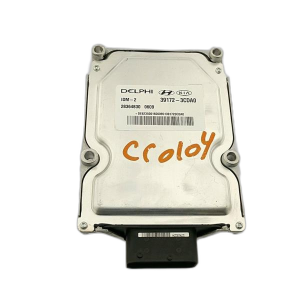
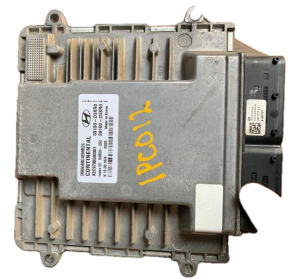
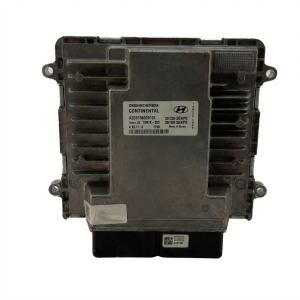
- Match the Part Number Exactly: The most critical step is to match the OEM part number on your original ECM to the number on the used unit. Known part numbers for this application include 39100-2GKR5, 39100-2GKR6, and 39130-2GKR5. Do not install a module with a different part number, even if it looks identical.
- Verify Vehicle Options: Confirm the donor vehicle had the same key specifications: a 2.4L engine, All-Wheel Drive (AWD), and a standard turn-key ignition. An ECM from a push-button start or FWD vehicle is not compatible.
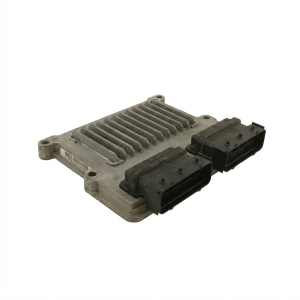
- Inspect for Damage: When you receive the used ECM, check the case for any signs of physical damage, like cracks or dents. Inspect the connector pins to ensure none are bent, broken, or corroded.
- Budget for Programming: A used ECM is NOT a plug-and-play part. It must be programmed to your vehicle's Vehicle Identification Number (VIN) and synced with the immobilizer system. Factor this cost into your total repair budget.
Programming and Immobilizer Requirements
This is the most important step after installation. If the ECM is not programmed correctly, your car will not start. The ECM is linked to the vehicle's anti-theft or immobilizer system, which recognizes your specific key.
Pro Tip: Some online sellers offer pre-programmed or 'cloning' services. This often requires you to send them your original ECM so they can copy the immobilizer and VIN data to the replacement unit. This can make the installation truly plug-and-play and may be a good option if you can't get the car to a shop easily.
Who Can Program the ECM?
- Hyundai Dealership: A dealer has the factory tools and software to program a new or used ECM to your vehicle. This is the most reliable, but often most expensive, option.
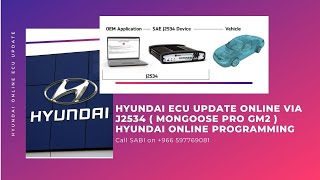
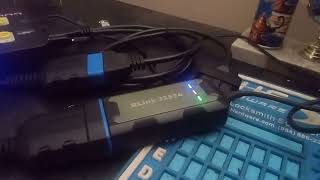
- Independent Repair Shop: Many independent shops can program a Hyundai ECM. They must have a professional diagnostic tool and a J-2534 Pass-Thru device. This device acts as a bridge between their computer and your car, allowing them to use the official Hyundai software with a paid subscription. 🎬 Watch: How shops use J2534 tools for Hyundai reprogramming.
- Locksmiths: While an automotive locksmith can often program new keys to a car, they typically do not have the specialized equipment to program a replacement ECM.
You cannot program the ECM yourself without access to these expensive professional tools and software subscriptions.
Cost Breakdown
The total cost of replacing the ECM can vary significantly based on the part source and labor rates. Physical installation is quick, but programming adds time and cost.
| Item | Estimated Cost | Notes |
|---|---|---|
| New OEM Part | $1000 - $1400 | Purchased from a Hyundai dealership. |
| Used OEM Part | $125 - $250 | Commonly found on sites like eBay or from auto recyclers. |
| Remanufactured Part | $300 - $700 | Price varies. Some include programming services for a higher cost. |
| Shop Labor (Installation) | $100 - $160 | This covers the physical removal and replacement, which typically takes about an hour. |
| Shop Labor (Programming) | $120 - $200 | This is a separate charge for programming the module to the vehicle. It usually takes about one hour of labor. |
Frequently Asked Questions (FAQ)
Can I install the ECM myself and then drive it to the shop for programming?
No. After you install a different ECM, the car's immobilizer system will not recognize it, and the engine will not start. You will need to have the vehicle towed to the shop for programming.
Does the VIN or mileage need to match on a used ECM?
No, the VIN and mileage from the donor car do not need to match. The programming process involves writing your car's VIN into the replacement ECM. Some companies that offer mail-in programming services will ask for your VIN to pre-program the unit before shipping it to you.
What happens if I install an ECM from a push-button start car into my turn-key start car?
It will not work. The internal hardware and software logic for the ignition and anti-theft systems are completely different. You must use an ECM that matches your vehicle's original ignition system type.
Is a remanufactured ECM a good option?
Yes, a remanufactured ECM from a reputable supplier can be an excellent choice. These units are often repaired to fix common factory faults and are thoroughly tested. Many come with a warranty and can be a reliable alternative to a more expensive new part.
Helpful Videos
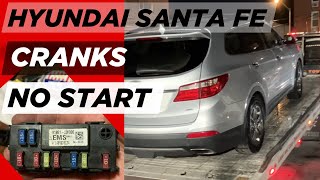
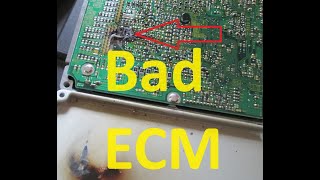


Technical Specifications
OEM Part Numbers: 391002GKR5 391002GKR6 391302GKR5
For vehicles with 2.4L Theta II GDI engine, All-Wheel Drive (AWD), and conventional turn-key ignition system.
We Have This Part in Stock

The information in this article is provided for general reference and educational purposes only. Vehicle specifications, procedures, and part compatibility can vary by production date, trim level, and region. Always consult your vehicle's factory service manual and verify part numbers before purchasing or performing repairs. Safety-critical components such as airbags, seat belts, and braking systems should be installed by a qualified professional.
- Hyundai Santa Fe:
- 🎬 Helpful Videos
- 🛍️ Shop This Part
- Symptoms of a Failing ECM
- Known Issues, TSBs, and Recalls
- Technical Service Bulletin (TSB) for Knock Sensor Software
- Recalls
- Buying a Used Engine Control Module
- Programming and Immobilizer Requirements
- Who Can Program the ECM?
- Cost Breakdown
- Frequently Asked Questions (FAQ)
- 🎟️ Get 5% Off