

2017-2018 Hyundai Santa Fe Sport ECM: Failure Symptoms, Programming, and Replacement Guide
This guide covers the critical details of diagnosing, replacing, and programming the Engine Control Module (ECM) for the 2017-2018 Hyundai Santa Fe Sport.
- Programming is mandatory. A replacement ECM for a 2017-2018 Santa Fe Sport will not work until it is programmed to your vehicle's VIN and immobilizer system.
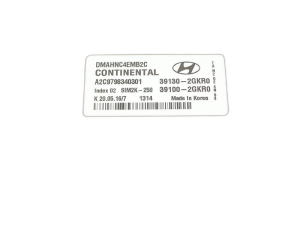
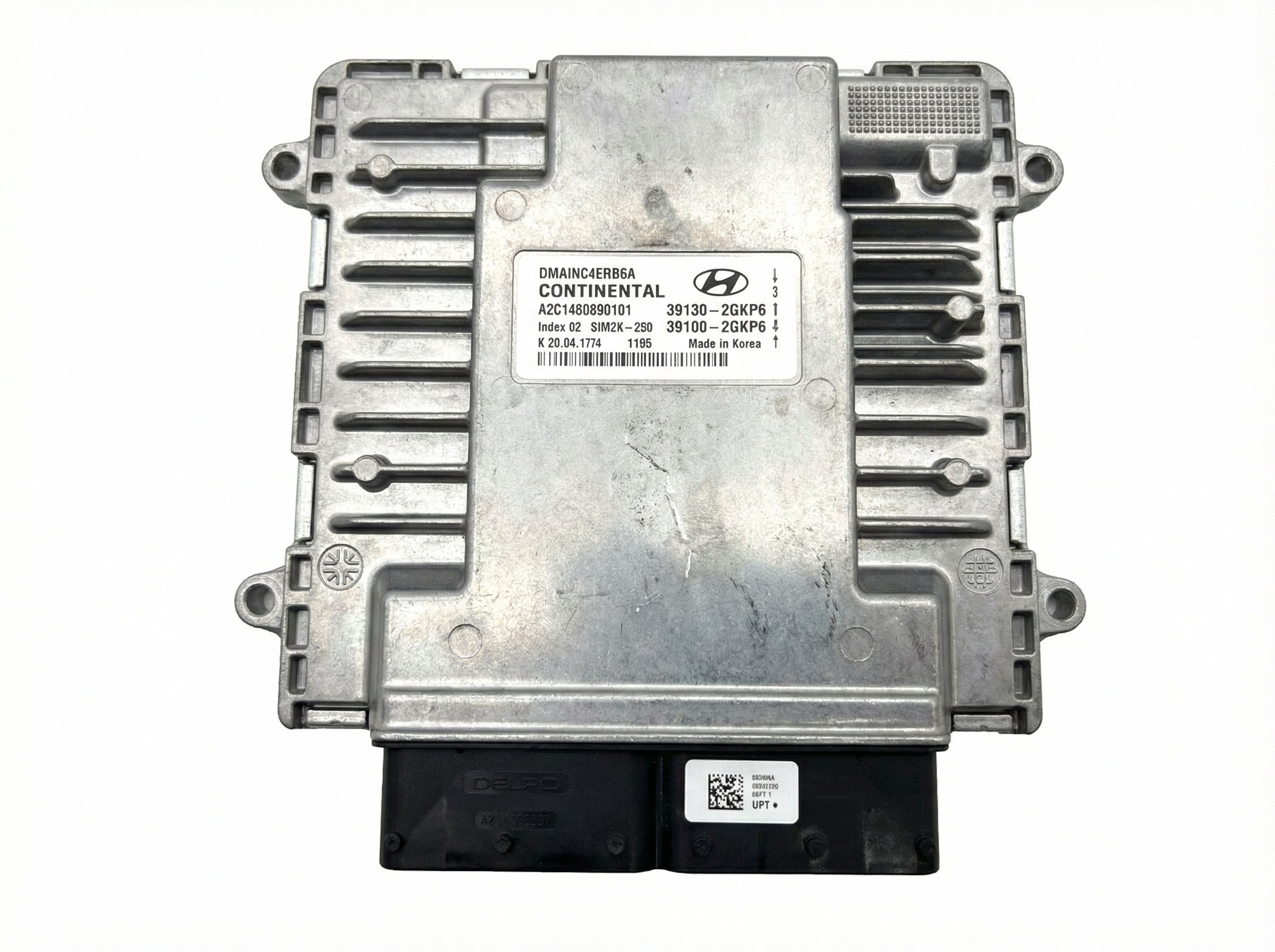
- Match the OEM part number exactly. The most common part numbers are 39100-2GKS0 and 39100-2GKS1, but check your original unit to be certain.
- A dealership or a properly equipped independent shop/automotive locksmith is required for programming.
- Rule out other issues first. Symptoms of a bad ECM can mimic other failures, such as faulty sensors or wiring. A proper diagnosis is essential.
Symptoms of a Failing ECM
A failing Engine Control Module can cause a wide range of issues, from subtle performance problems to a no-start condition. Here are the most common symptoms for the 2017-2018 Santa Fe Sport:
- Check Engine Light: This is often the first and most obvious sign. If the light remains on even after addressing other potential issues, the ECM itself could be the culprit.
- Engine Performance Problems: A faulty ECM can lead to engine misfires, stuttering, hesitation during acceleration, or a sudden loss of power. This happens because the computer can no longer correctly manage the air-fuel mixture or ignition timing.
- Car Won't Start: The engine may crank but fail to start. This can be due to the ECM not sending the correct signals to the fuel injectors or ignition coils.
- Poor Fuel Economy: If you notice a sudden and significant drop in your vehicle's gas mileage, it could be a sign that the ECM is not managing the fuel system efficiently.
- Rough or Irregular Shifting: In some cases, a failing ECM can interfere with the operation of the transmission, leading to harsh or erratic gear changes.
Associated OBD-II codes for ECM failure can be generic, such as P0605 (Internal Control Module Read Only Memory (ROM) Error), or more specific codes related to sensor circuits that the ECM controls. It's important to have a professional diagnosis to rule out other failing components before condemning the ECM.
Known Issues, TSBs, and Recalls
While there are no widespread recalls specifically for the ECM on the 2017-2018 Santa Fe Sport, there are related service campaigns and recalls that owners should be aware of:
- Service Campaign 9C2 (TSB 26-01-013H): This campaign involves a software update for the ECM to address elevated engine-out emissions on certain vehicles with Theta II engines.
- NHTSA Recall 22V056000 (Hyundai Recall 218): This recall addresses a potential electrical short in the Anti-Lock Brake System (ABS) module, which could lead to an engine compartment fire. While not a direct ECM failure, it is a critical safety issue involving a related electronic module. Owners are advised to park outside and away from structures until the repair is completed.
- Engine Issues: Many Hyundai vehicles from this era, including the Santa Fe Sport, have been subject to recalls and warranty extensions for engine problems related to connecting rod bearing wear. Symptoms like engine knocking, stalling, and illumination of the oil pressure light can sometimes be misdiagnosed as ECM issues.
Warning: A replacement ECM for the 2017-2018 Hyundai Santa Fe Sport must be programmed to the vehicle. This is not a plug-and-play part. Failure to program the module will result in a no-start condition and potential communication errors with other vehicle systems.
Programming and Immobilizer Information
This is the most critical step in replacing the ECM. The module is linked to the vehicle's immobilizer system, which prevents theft by ensuring only a recognized key can start the engine.
- VIN Programming: The replacement ECM must be programmed with your vehicle's unique Vehicle Identification Number (VIN). This allows it to communicate with the other control modules on the car.
- Immobilizer Relearn: After installation, a procedure must be performed to sync the new ECM with the vehicle's keys and immobilizer system. Without this step, the security system will not recognize the new ECM and will prevent the engine from starting. Diagnostic codes like P1690 (SMARTRA No Response) and P1691 (Immobilizer Antenna Error) can appear if this process is not done correctly.
- Who Can Program It? A Hyundai dealership is the most reliable option, as they have the specific diagnostic tools (GDS - Global Diagnostic System) and software required. Some well-equipped independent shops and certified automotive locksmiths may also have the capability to program Hyundai ECMs. However, it is essential to confirm this with the shop before purchasing the part.
Buying a Used Engine Control Module
Purchasing a used OEM ECM is a cost-effective alternative to buying a new unit from the dealer. However, there are important factors to consider to ensure you get a compatible and functional part.
- Match the Part Number: The most crucial step is to match the OEM part number exactly. The primary part numbers for this vehicle are 39100-2GKS0 and 39100-2GKS1. There may be other compatible numbers depending on the specific engine (2.0L or 2.4L), drivetrain (FWD or AWD), and features like push-button start. Always verify the part number on your original module before ordering a replacement.
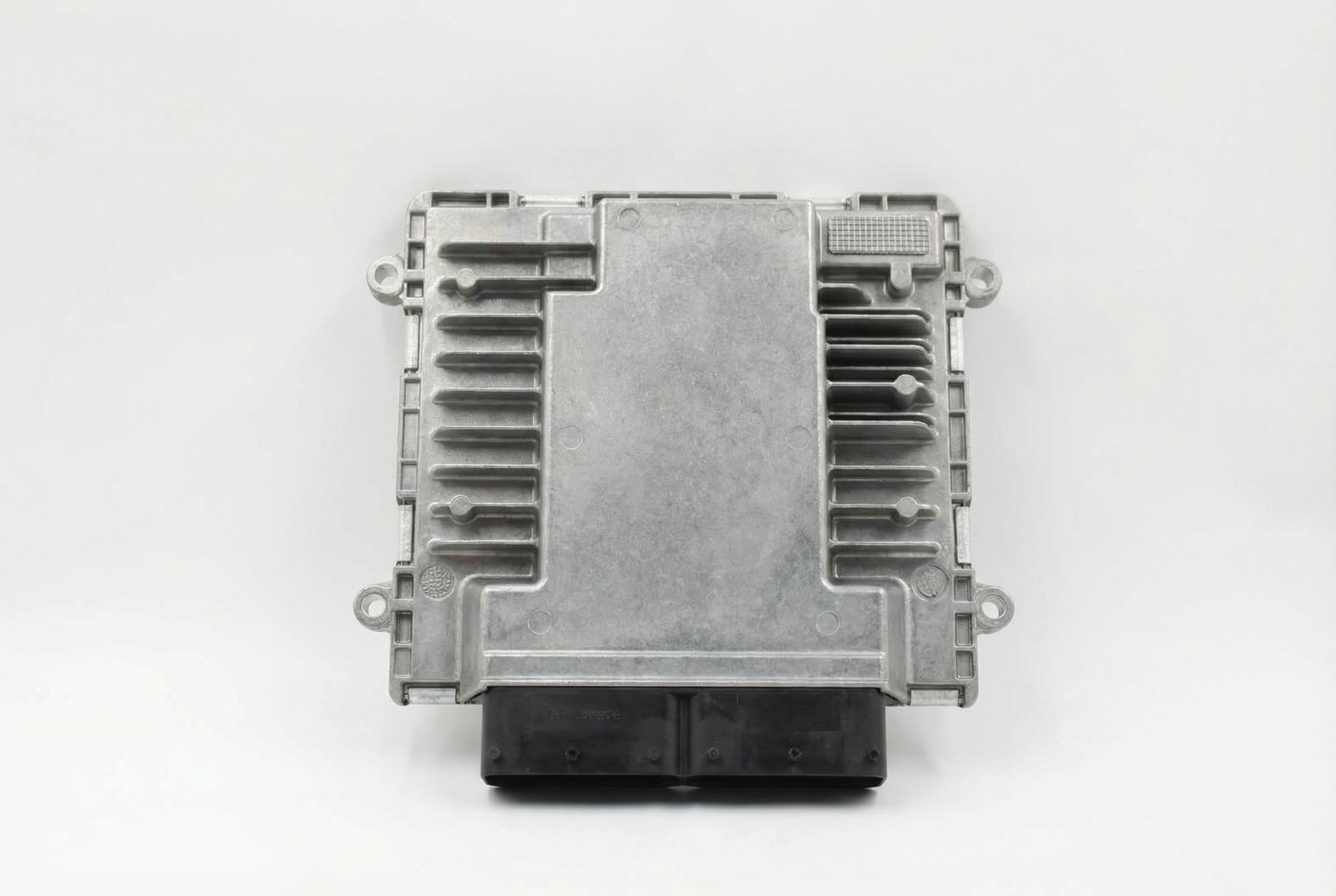
- Physical Inspection: When you receive the used ECM, inspect the case for any signs of physical damage, such as cracks or dents. Check the connector pins to ensure they are straight and free of corrosion. Water damage is a common cause of ECM failure, so look for any signs of moisture intrusion.
- Source and Warranty: Purchase from a reputable seller that offers a warranty. This protects you in case the part is defective.
- Programming Costs: Remember to factor in the cost of programming when buying a used ECM. This is a mandatory expense to get the part working in your vehicle.
Cost Breakdown
The cost of replacing the ECM can vary significantly based on the type of part you choose and labor rates in your area.
| Part/Service | Estimated Cost |
|---|---|
| New OEM | $715 - $1,050 |
| Used OEM | $50 - $200 |
| Remanufactured | $200 - $700 |
| Shop Labor (Replacement & Programming) | $100 - $250 |
Frequently Asked Questions
Do I have to take my Santa Fe Sport to the dealer to get a new ECM programmed?
While the dealership is a guaranteed option, some independent auto repair shops and specialized automotive locksmiths have the necessary equipment to program a Hyundai ECM. Always call ahead to verify they can perform the service on your specific year and model before having the vehicle towed or the part installed.
Can I install the ECM myself and then have it programmed?
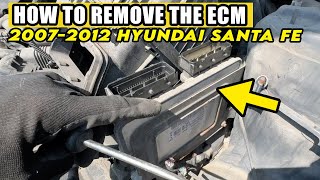
Yes. The physical replacement of the ECM is relatively straightforward for a DIY mechanic. It is typically located in the engine compartment, near the battery. 🎬 Watch: See how to remove the engine control module yourself. You can install the used module yourself and then have the vehicle towed to a shop for the final programming, which can save you money on labor.
Will a used ECM from a car with a different VIN work?
Yes, provided the part number is an exact match. However, it absolutely must be reprogrammed with your car's VIN and have the immobilizer system relearned. The old VIN will be wiped and replaced with your vehicle's information during the programming process.
What causes an ECM to fail?
ECM failure is not common, but it can be caused by several factors. The most frequent causes include voltage overloads from shorts in other components (like solenoids or sensors), internal corrosion from water intrusion, excessive heat, and vibrations over time that can damage internal solder joints.
Helpful Videos
Technical Specifications
OEM Part Numbers: 39100-2GKS0 39100-2GKS1 39100-2GKP1 39100-2GKP5 39100-2GKR1
Module requires programming and synchronization with the vehicle's immobilizer system.
We Have This Part in Stock

The information in this article is provided for general reference and educational purposes only. Vehicle specifications, procedures, and part compatibility can vary by production date, trim level, and region. Always consult your vehicle's factory service manual and verify part numbers before purchasing or performing repairs. Safety-critical components such as airbags, seat belts, and braking systems should be installed by a qualified professional.
- Hyundai Santa Fe Sport: