

2010-2013 Hyundai Tucson ECM: Failures, Programming, and Replacement Guide
This guide covers common failure symptoms, critical programming requirements, and how to choose the right used Engine Control Module for your 2.4L Tucson.
- Programming is mandatory. A replacement ECM must be programmed to the vehicle's VIN and immobilizer system by a dealer or a properly equipped shop; the car will not start otherwise.
- Compatibility is extremely specific. This ECM only fits 2010-2013 Tucsons with the 2.4L engine, automatic transmission, Federal emissions, and a conventional key (no push-button start).
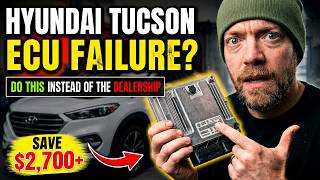
- Symptoms of failure include a no-start condition, engine stalling, poor performance, and a check engine light with internal module fault codes (P06xx).
- A used OEM module is a viable, cost-effective option, but you must factor in the cost and logistics of professional programming before purchasing.
Symptoms of a Failing ECM
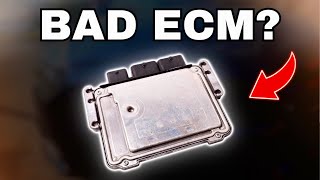
A failing Engine Control Module in a 2010-2013 Tucson can cause a variety of confusing symptoms. Because the ECM controls so many systems, its failure can sometimes mimic other problems. However, 🎬 Watch: Common symptoms of a bad ECM you shouldn't ignore. certain signs point more directly to the ECM as the culprit.
- Check Engine Light: This is often the first and most obvious sign. While many issues can trigger the light, codes related to the module's internal memory or communication are a strong indicator of ECM failure.
- Engine Stalling or Misfiring: The engine may stall unexpectedly, run rough, stutter, or misfire. This happens because the ECM is no longer able to correctly manage the fuel and ignition systems.
- Car Won't Start: A completely failed ECM can prevent the engine from starting at all. The engine may crank over but will not fire up because the ECM isn't sending the necessary signals to the fuel injectors or ignition coils.
- Poor Performance and Fuel Economy: You might notice a sudden drop in gas mileage or a significant loss of power and acceleration.
- No Communication with Scan Tool: If a diagnostic scanner cannot communicate with the vehicle, it can point to a failed ECM or a problem with its power or ground circuits. This is often indicated by a U0100 'Lost Communication with ECM' code.
Common Diagnostic Trouble Codes (DTCs)
While many codes can result from a bad ECM, codes in the P06xx range are specifically for internal computer failures. Look for codes such as:
- P0601: Internal Control Module Memory Check Sum Error
- P0605: Internal Control Module Read Only Memory (ROM) Error
- P2610: ECM/PCM Internal Engine Off Timer Performance
- U0100: Lost Communication With ECM/PCM
It's important to note that other issues like a bad mass airflow sensor, faulty oxygen sensors, or vacuum leaks can also cause stalling and rough idling, so proper diagnosis is key.
Known Issues, TSBs, and Recalls
While there are no direct recalls for ECM hardware failure on the 2010-2013 Tucson, several related campaigns and Technical Service Bulletins (TSBs) involve the ECM software.
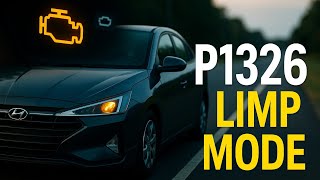
- TSB 21-01-023H-1 (and others): Hyundai issued service campaigns to update the ECM software to better detect abnormal engine bearing noise (related to potential engine failure). This update helps identify a problem by putting the vehicle into a limited-power "Engine Protection Mode" and storing code P1326, but it does not indicate an ECM failure itself. 🎬 See how to handle P1326 codes and engine limp mode.
- NHTSA Recall 23V-651: This major recall is for the Anti-Lock Brake System (ABS) module, not the ECM. The ABS module can leak fluid internally, causing an electrical short and increasing the risk of an engine compartment fire. Symptoms can include an illuminated ABS light or a burning smell. Hyundai's remedy is to replace the ABS fuse with a lower amperage one.
Warning: The symptoms of the ABS module recall (burning smell, smoke) can be mistaken for other electrical failures. Due to the fire risk, Hyundai advises owners to park these vehicles outside and away from structures until the recall is performed.
Buying a Used Engine Control Module (ECM)
A used OEM ECM is a cost-effective alternative to a new unit, but careful purchasing is critical. Because this module is tied to the vehicle's security system, you cannot simply swap it and expect the car to start.
1. Verify Compatibility (This is CRITICAL)
- Match the Part Number: The single most important step is to match the OEM part number on your original ECM with the part number of the used unit. Even a one-digit difference can mean incompatibility. Known part numbers include 391062G800, 391062G801, 391062G802, 391062G803, 391062G880, and 39136-2G801.
- Check Engine, Transmission, and Ignition: This ECM is specifically for models with the 2.4L engine, an automatic transmission, and a conventional key ignition. It will NOT work with a push-button start system.
- Confirm Emissions Type: This module is for vehicles with Federal emissions only. It is not compatible with California emissions vehicles. This information is usually found on a sticker under the hood.
2. Plan for Programming
A replacement ECM for this Tucson MUST be programmed to the vehicle. It is not a plug-and-play part. The ECM is linked to the vehicle's anti-theft immobilizer system. If you install a used ECM without programming, the immobilizer will prevent the engine from starting.
- Who can program it? A Hyundai dealership is the most reliable option, as they have the proprietary GDS (Global Diagnostic System) equipment. Some well-equipped independent shops with a J2534 pass-through device and a subscription to Hyundai's technical service may also be able to perform the programming. It is unlikely a standard locksmith can program this module.
- What is involved? The process involves teaching the replacement ECM the vehicle's specific PIN code and registering the existing keys to the new module. 🎬 Watch this walkthrough of the Hyundai ECM programming procedure.
Pro Tip: Before buying a used ECM, call your local dealer or a trusted independent shop. Confirm they are willing and able to program a used module and ask for a price quote. Some shops may refuse to work with customer-supplied used parts.
3. Physical Inspection
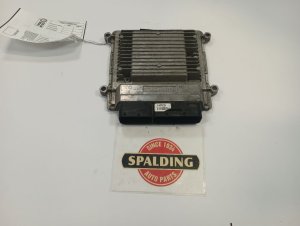
When you receive the used ECM, inspect it for any signs of damage. Look for corrosion on the pins, cracks in the casing, or any evidence of water intrusion or heat damage. A reputable seller should provide a guarantee against these issues.
Cost of Replacement
The cost to replace the ECM can vary widely depending on the source of the part and labor rates.
| Part/Service | Estimated Cost |
|---|---|
| New OEM Part | $1,450 - $2,180 |
| Used OEM Part | $70 - $220 |
| Remanufactured / Pre-Programmed | $250 - $600 |
| Shop Labor (Installation & Programming) | $180 - $400 |
Note: Labor costs typically include 1-2 hours for physical replacement and programming. Prices are estimates and can vary by location and service provider.
Frequently Asked Questions (FAQ)
Do I absolutely have to program a replacement ECM?
Yes, programming is mandatory for the 2010-2013 Tucson. The ECM is a key component of the anti-theft immobilizer system. Without programming the replacement module to your vehicle's VIN and keys, the engine will not start.
Can I install the ECM myself to save money?
Yes, the physical installation of the ECM is relatively simple for a DIY mechanic and typically takes less than an hour. However, the vehicle will not be drivable until the module is professionally programmed. You could install the part yourself and then have the vehicle towed to a dealer or shop for programming.
What's the difference between an ECM, ECU, and PCM?
The terms are often used interchangeably. ECM (Engine Control Module) and ECU (Engine Control Unit) mean the same thing. PCM (Powertrain Control Module) is a module that controls both the engine and transmission. For this Tucson, the terms effectively refer to the same computer.
Can a bad ECM be repaired instead of replaced?
In some cases, yes. Issues like failed capacitors or cracked solder joints can sometimes be repaired by specialized electronics services. This can be cheaper than a new unit. However, for most people, replacing the module with a guaranteed used or remanufactured unit is a more straightforward and reliable solution.
Helpful Videos

Technical Specifications
OEM Part Numbers: 391062G800 391062G801 391062G802 391062G803 391062G880 39136-2G801
Fits: 2.4L Engine, Automatic Transmission, Conventional Key Ignition, Federal Emissions
We Have This Part in Stock

The information in this article is provided for general reference and educational purposes only. Vehicle specifications, procedures, and part compatibility can vary by production date, trim level, and region. Always consult your vehicle's factory service manual and verify part numbers before purchasing or performing repairs. Safety-critical components such as airbags, seat belts, and braking systems should be installed by a qualified professional.
- Hyundai Tucson:
- 🎬 Helpful Videos
- 🛍️ Shop This Part
- Symptoms of a Failing ECM
- Common Diagnostic Trouble Codes (DTCs)
- Known Issues, TSBs, and Recalls
- Buying a Used Engine Control Module (ECM)
- 1. Verify Compatibility (This is CRITICAL)
- 2. Plan for Programming
- 3. Physical Inspection
- Cost of Replacement
- Frequently Asked Questions (FAQ)
- 🎟️ Get 5% Off