

2014-2015 Hyundai Tucson ECM: Understanding Failures, Programming, and Engine Issues
This guide covers the critical details of diagnosing, replacing, and programming the Engine Control Module (ECM) in your 2014-2015 Tucson, including its link to major engine service campaigns.
- A replacement ECM MUST be programmed to the vehicle's VIN and immobilizer system by a dealer or properly equipped shop; it is not a plug-and-play part.
- A flashing check engine light with code P1326 is likely NOT a failed ECM, but rather the engine protection system detecting a potential bearing failure. See a dealer for warranty campaign inspection.
- Always match the OEM part number exactly when purchasing a used ECM. Common part numbers include 39133-2ELC1, 39133-2ELC3, and 39133-2ELC5.
- Remanufactured "Plug and Play" modules, programmed to your VIN before shipping, can be a convenient option to avoid a separate programming appointment.
Known Issues, Service Campaigns, and Recalls
While the ECM itself is not subject to a direct recall, the 2014-2015 Hyundai Tucson is involved in significant engine-related service campaigns that require an ECM software update. It's crucial to understand these issues, as they can be mistaken for a faulty ECM.
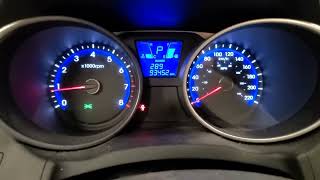
Engine Protection Mode (Limp Mode): Many owners experience a flashing check engine light and a sudden loss of power, where the vehicle's speed is limited to around 40-45 MPH and RPMs are restricted to 1800-2000. This is often caused by the Diagnostic Trouble Code (DTC) P1326. This is not an ECM failure; it is the ECM doing its job correctly. It's an intentional "Engine Protection Mode" triggered by a software update designed to detect excessive engine bearing wear before catastrophic engine failure occurs.
Service Campaign 966 (TXXM) / TSB 22-01-028H
Hyundai released a critical software update for the ECM to enhance the knock sensor's detection logic. This update helps the computer identify vibrations characteristic of connecting rod bearing failure, a known issue with these engines. If these vibrations are detected, the ECM triggers code P1326 and puts the vehicle in limp mode to prevent further damage. Hyundai extended the engine warranty for this specific issue to 15 years/150,000 miles for original and subsequent owners. Before suspecting a bad ECM, a dealer must check if your vehicle has had this update and whether it is eligible for engine inspection or replacement under this campaign.
Safety Recall 218: ABS Module Fire Risk
There is a major safety recall for an unrelated electronic module: the Anti-Lock Brake System (ABS) module. This module can malfunction and cause an electrical short, potentially leading to an engine compartment fire, even when the vehicle is parked and turned off. Owners are advised to park outside and away from structures until this recall repair is performed. 🎬 See this expert breakdown of the ABS module fire risk recall. While this is not an ECM issue, it's a critical electrical problem for this vehicle that owners should be aware of.
Symptoms of a Failing ECM
A completely failed ECM will present different symptoms than the P1326 limp mode described above. True ECM failure can be caused by internal component degradation, voltage spikes, or water damage. Here are the common signs:
🎬 Watch: A visual guide to common symptoms of a bad ECM.- Check Engine Light: The check engine light is on, and the code stored is P0605 (Internal Control Module Read Only Memory Error), which points directly to an internal computer fault.
- No Start or Hard Starting: The engine cranks but will not start, or takes a very long time to start. This can happen because the ECM is not commanding the fuel injectors or ignition coils to fire.
- Engine Stalling or Misfiring: The engine may stall intermittently, misfire, or run very poorly for no apparent reason. This can be due to the ECM failing to make correct fuel and spark adjustments.
- Poor Performance and Fuel Economy: A noticeable drop in power, acceleration, and fuel efficiency can occur if the ECM is not managing the engine correctly.
- Erratic Automatic Transmission Shifting: The ECM communicates with the transmission controller. A faulty ECM can send bad data, leading to harsh or incorrect gear shifts.
- Multiple Unrelated Trouble Codes: Sometimes a failing ECM will set a variety of seemingly unrelated codes for different sensors at the same time.
Buying a Used Engine Control Module (ECM)
Purchasing a used OEM ECM is a cost-effective solution, but it requires careful attention to detail. Because this is a sensitive electronic component tied to your vehicle's security, you cannot simply swap it and drive away.
Warning: A replacement ECM, whether new or used, WILL NOT function until it is programmed to your vehicle's Vehicle Identification Number (VIN) and its keys are registered to the immobilizer system.
Compatibility and Inspection
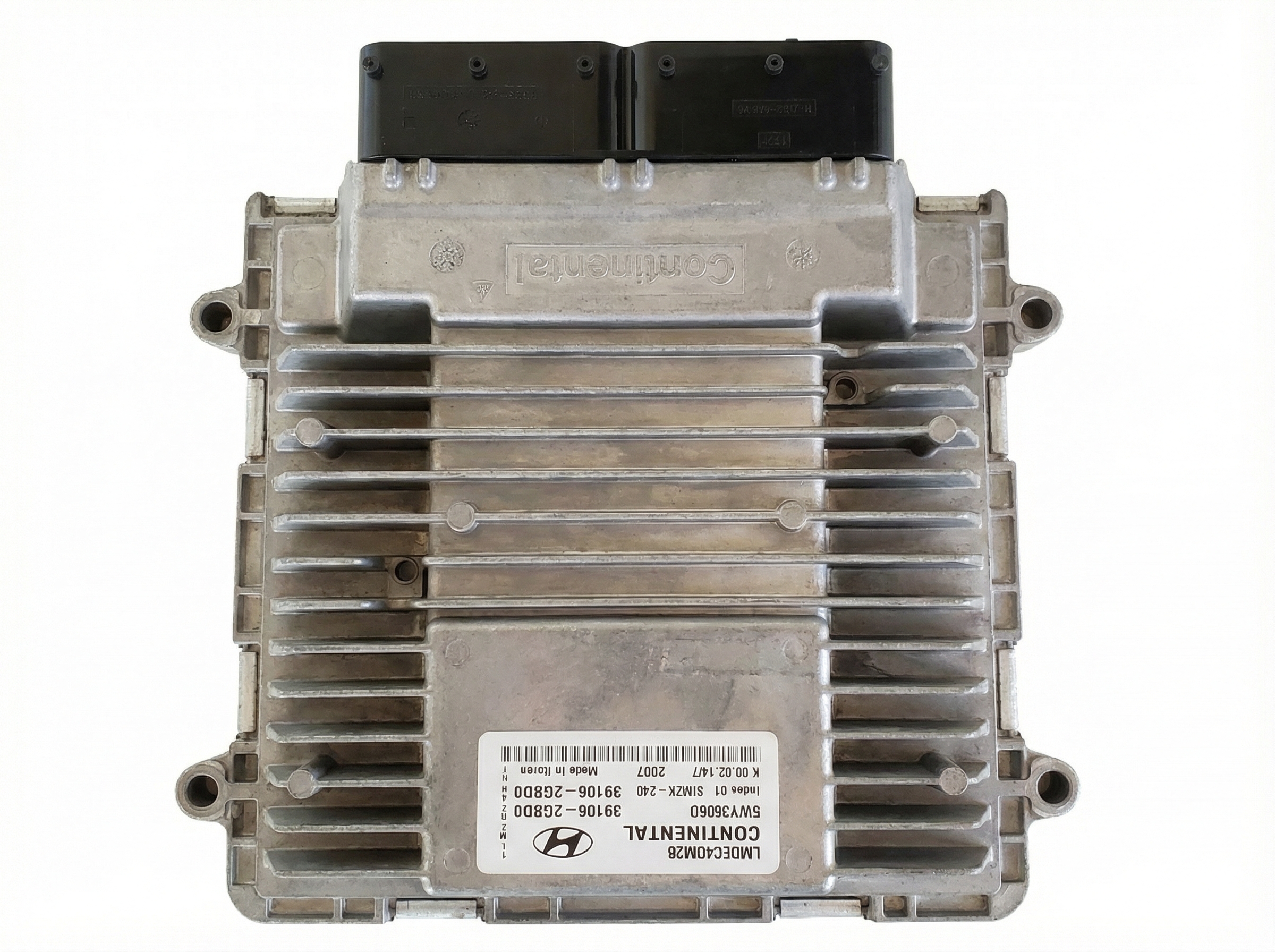
- Match Part Numbers Exactly: The most critical step is to match the OEM part number on your original ECM to the used unit you are buying. The correct part numbers for this application include 39133-2ELC1, 39133-2ELC3, and 39133-2ELC5. Do not rely on visual appearance alone.
- Physical Inspection: When you receive the used module, inspect the case for any signs that it has been opened, which could indicate a failed repair attempt. Check the electrical connectors for corrosion, bent pins, or water damage.
- Why Used OEM is a Good Choice: Used OEM modules are often more reliable than new aftermarket units because they use the original factory hardware and firmware, ensuring proper communication with other vehicle modules.
Installation and Programming Requirements
Physically replacing the ECM is straightforward, typically involving disconnecting the battery and removing a few bolts and electrical connectors. The challenge is the electronic programming that must follow.
Immobilizer and Key Programming
The ECM is a core part of the vehicle's anti-theft system (immobilizer). When you install a different ECM, it does not recognize your existing keys. The car will crank but will not start until a "key teaching" procedure is performed.
- Who Can Program It? This procedure requires a professional-grade scan tool with Hyundai-specific software and a unique PIN code for your vehicle, which is obtained from the dealer. A Hyundai dealership can always perform this service. Many specialized independent auto repair shops and some automotive locksmiths also have the tools and subscriptions required.
- DIY Is Not Feasible: Due to the need for proprietary software and security PINs, programming a Hyundai ECM is not a do-it-yourself job.
"Plug and Play" Remanufactured Modules
Some companies sell remanufactured ECMs that are advertised as "Plug and Play". For this service, you provide the company with your vehicle's VIN when you order. They pre-program the replacement ECM with your VIN and the latest software updates, and may also clone the immobilizer data from your old unit. This can potentially allow you to install the module without needing a separate trip for programming, making it a convenient option.
Cost Breakdown
Prices can vary based on your location and the supplier. The programming cost is in addition to the part cost unless you buy a pre-programmed unit.
| Part or Service | Estimated Cost |
|---|---|
| New OEM ECM | $920 - $1,400 |
| Used OEM ECM | $75 - $150 |
| Remanufactured (Plug & Play) | $250 - $500 |
| Shop Labor (Programming) | $100 - $250 |
Frequently Asked Questions (FAQ)
Can I drive my Tucson if the ECM is failing?
It is not recommended. If the ECM is truly failing, it can cause the engine to stall unexpectedly, which is a major safety hazard. If your car is in "limp mode" due to code P1326, you can drive it for a short distance to a repair shop, but performance will be severely limited.
Will the car start after I install a used ECM?
No. The engine will crank, but it will not start because the replacement ECM is not paired with your vehicle's immobilizer and keys. It must be electronically programmed by a dealer or qualified shop first.
What is the difference between an ECM, ECU, and PCM?
The terms are often used interchangeably. ECM (Engine Control Module) and ECU (Engine Control Unit) mean the same thing. PCM (Powertrain Control Module) is a term for a module that controls both the engine and the automatic transmission in one unit. For the 2014-2015 Tucson, these terms all refer to the main engine computer.
My mechanic says I have code P1326. Do I need a new ECM?
No, almost certainly not. Code P1326 means the ECM's knock sensor software has detected a potential engine bearing problem and has put the car in a protective limp mode. The ECM is functioning correctly. The vehicle needs to be taken to a Hyundai dealer for inspection under the engine warranty extension campaign (TXXM).
Helpful Videos

Technical Specifications
OEM Part Numbers: 39133-2ELC1 39133-2ELC3 39133-2ELC5 391332ELC 391332ELC1 391332ELC3 391332ELC5
Module requires VIN programming and key registration to function.
We Have This Part in Stock

The information in this article is provided for general reference and educational purposes only. Vehicle specifications, procedures, and part compatibility can vary by production date, trim level, and region. Always consult your vehicle's factory service manual and verify part numbers before purchasing or performing repairs. Safety-critical components such as airbags, seat belts, and braking systems should be installed by a qualified professional.
- Hyundai Tucson:
- 🎬 Helpful Videos
- 🛍️ Shop This Part
- Known Issues, Service Campaigns, and Recalls
- Service Campaign 966 (TXXM) / TSB 22-01-028H
- Safety Recall 218: ABS Module Fire Risk
- Symptoms of a Failing ECM
- Buying a Used Engine Control Module (ECM)
- Compatibility and Inspection
- Installation and Programming Requirements
- Immobilizer and Key Programming
- "Plug and Play" Remanufactured Modules
- Cost Breakdown
- Frequently Asked Questions (FAQ)
- 🎟️ Get 5% Off