

2019-2021 Hyundai Tucson ECM: Failure Symptoms, Programming, and Replacement Guide
This guide covers common failure symptoms, mandatory programming requirements, and how to select a reliable used Engine Control Module for your 2019-2021 Tucson.
- Programming is mandatory. A replacement ECM must be programmed to your vehicle's VIN and immobilizer system by a dealer or qualified shop; the car will not start otherwise.
- Compatibility is extremely specific. This ECM only fits 2019-2021 Tucsons with the 2.0L engine, All-Wheel Drive, and a conventional turn-key ignition.
- Always match the OEM part number exactly. Do not install an ECM with a different part number than your original.
- Rule out other issues first. Symptoms of a bad ECM can overlap with major recalls for the ABS module and known engine mechanical problems on these vehicles.
Symptoms of a Failing ECM
A failing Engine Control Module can cause a wide range of confusing and intermittent problems. Because the ECM controls so many different systems, its failure can mimic other issues. However, there are several key indicators that point toward the ECM as the culprit.
- Check Engine Light: This is the most common symptom. A persistent Check Engine Light, especially when accompanied by other symptoms, can indicate an internal ECM fault.
- Engine Performance Issues: You may experience a sudden loss of power, poor acceleration, rough idling, stuttering, or engine misfires. These issues occur because the ECM is no longer correctly managing the air-fuel mixture and ignition timing.
- Car Won't Start: A completely failed ECM will prevent the engine from starting. The engine may crank but will not fire up because the ECM isn't sending the necessary signals to the fuel injectors and ignition coils.
- Poor Fuel Economy: If you notice a sudden, significant drop in your gas mileage, a faulty ECM could be to blame. It may be commanding the injectors to deliver too much fuel, leading to a rich running condition.
- Erratic Shifting or Transmission Problems: The ECM communicates with the Transmission Control Module (TCM). A bad ECM can send incorrect data, leading to harsh, delayed, or improper gear shifts.
Common Diagnostic Trouble Codes (DTCs)
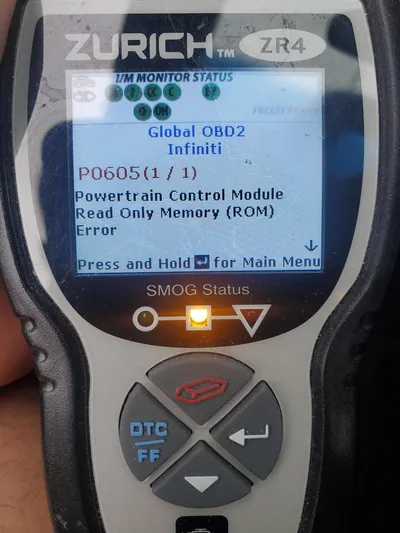
While many codes can be triggered by a faulty ECM, codes in the P06xx range specifically relate to the computer and its internal circuits. Look for codes such as:
- P0601: Internal Control Module Memory Check Sum Error
- P0605: Internal Control Module Read Only Memory (ROM) Error
- P2610: ECM/PCM Internal Engine Off Timer Performance
You may also see communication error codes, like U0100 (Lost Communication with ECM), which indicate a problem with the module itself or its network connection.
Known Issues, Recalls, and Technical Service Bulletins (TSBs)

It's important to distinguish between a faulty ECM and other widespread issues affecting the 2019-2021 Hyundai Tucson. While these models have been subject to significant recalls, none are for a direct ECM hardware failure. However, some symptoms may overlap.
- NHTSA Recall 20V543000 (Expanded): This major recall concerns the Anti-Lock Brake System (ABS) module, not the ECM. The ABS module's hydraulic electronic control unit (HECU) can corrode internally, causing an electrical short that could lead to an engine compartment fire. Symptoms can include a burning smell, smoke, or an illuminated ABS light. Hyundai's remedy involves replacing a fuse and, for some models, updating the software. Owners were advised to park their vehicles outdoors and away from structures until the repair was completed.
- Engine Failure Issues: The 2.0L engine in these Tucsons has been noted for problems like stalling, excessive oil consumption, and premature failure. Hyundai has issued TSBs (like 22-01-023H-2) related to the Check Engine light illuminating with code P1326, which points to connecting rod bearing wear. Another campaign (Service Campaign 966) involved a software update to the ECM to better detect abnormal engine bearing noise. These are engine mechanical issues, not primary ECM failures, though they do involve ECM software updates.
Pro Tip: Before condemning the ECM, ensure all relevant recalls and TSBs have been performed on your vehicle. A dealership can check your VIN to see which updates are pending. An engine problem or an ABS module fault could present symptoms similar to a bad ECM.
ECM Programming and Immobilizer Requirements

THIS IS THE MOST CRITICAL PART OF THE REPLACEMENT PROCESS. A replacement ECM, whether new or used, will NOT function until it is programmed to your specific vehicle. The car will not start without this step.
- Immobilizer Link: The ECM is a key component of the vehicle's anti-theft immobilizer system. It is electronically linked to your key and the Body Control Module (BCM). When you install a different ECM, this link is broken, and the immobilizer will prevent the engine from starting.
- VIN Programming: The vehicle's unique 17-digit Vehicle Identification Number (VIN) must be written to the replacement ECM. This ensures it communicates correctly with the other modules on the vehicle.
Who Can Program a Hyundai ECM?
- Hyundai Dealerships: This is the most straightforward, albeit often most expensive, option. They have the proprietary GDS (Global Diagnostic System) software required for the job.
- Qualified Independent Shops: Many professional auto repair shops invest in advanced diagnostic tools with J-2534 "pass-thru" capabilities. This allows them to use the official Hyundai software via a subscription to program modules. 🎬 Watch: A walkthrough of the Hyundai aftermarket ECM programming procedure.
- Remote Programming Services: There are services that can remotely connect to a computer at your mechanic's shop to perform the necessary programming online.
- DIY: This is not recommended for the average DIY mechanic. The cost of the J-2534 device and the Hyundai software subscription makes it impractical for a one-time job.
Buying a Used Engine Control Module (ECM)

A used OEM ECM can be a cost-effective and reliable alternative to a brand-new unit. However, you must be extremely careful to purchase the correct part.
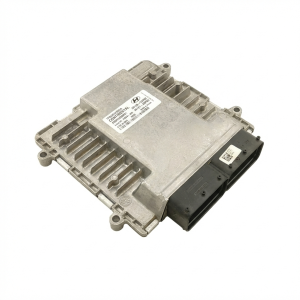
Warning: This ECM is specifically for 2019-2021 Hyundai Tucson models equipped with the 2.0L engine, All-Wheel Drive (AWD), and a traditional turn-key ignition. It is NOT compatible with vehicles that have a keyless push-button start system.
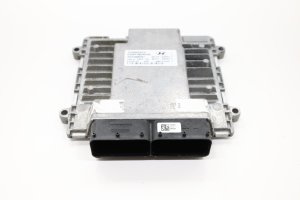
- Match the Part Number Exactly: The single most important step is to match the OEM part number on the label of your original ECM. There are several part numbers for this application, including 39131-2E324, 39131-2E904, and 39133-2ETF1. Do not rely on visual appearance alone.
- Inspect for Damage: When you receive the used ECM, check the case for any signs of physical damage, like cracks or dents. Most importantly, inspect the connector pins to ensure none are bent, broken, or corroded. Corrosion is a major red flag indicating possible internal water damage.
- Buy From a Reputable Source: Purchase from an established seller that offers a warranty. This protects you in case the part is defective. Ask about their testing process and return policy before you buy.
Cost Breakdown
The cost of replacing an ECM can vary significantly based on the source of the part and labor rates. Remember to factor in the mandatory programming cost.
| Item | Estimated Cost |
|---|---|
| New OEM ECM (Part Only) | $530 - $1,550 |
| Used OEM ECM (Part Only) | $35 - $170 |
| Shop Labor (Installation & Programming) | $80 - $200+ |
| Total Estimated Cost (Used Part) | $115 - $370+ |
| Total Estimated Cost (New Part) | $610 - $1,750+ |
Frequently Asked Questions (FAQ)
Do I have to take my Tucson to a dealer for ECM programming?
No, not necessarily. While a Hyundai dealer can always perform the programming, many well-equipped independent repair shops have the necessary J-2534 pass-thru tools and software subscriptions to program a new or used ECM to your vehicle.
Will a used ECM from another Tucson work in my car?
Yes, but only if the part number is an exact match and it comes from a vehicle with the same specifications (2.0L engine, AWD, turn-key ignition). It will still require professional programming to link it to your vehicle's VIN and immobilizer system before the car will start.
What's the difference between an ECM, ECU, and PCM?
The terms are often used interchangeably. ECM (Engine Control Module) and ECU (Engine Control Unit) refer to the same computer. PCM (Powertrain Control Module) is a broader term for a module that controls both the engine and the transmission. For this Tucson, the terms effectively refer to the same part.
Can I drive my car with a bad ECM?
It is not recommended. If the ECM has failed completely, the car will not start. If it is failing intermittently, it can cause the engine to stall, run poorly, or shut off unexpectedly, which is a serious safety hazard while driving.
Helpful Videos
Technical Specifications
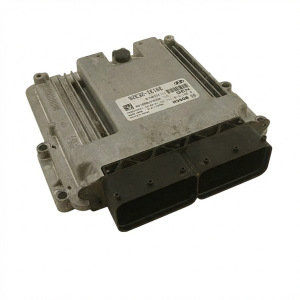
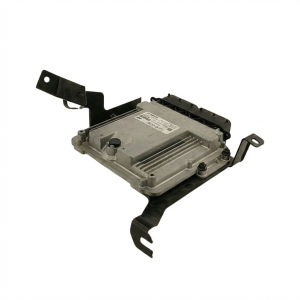
OEM Part Numbers: 39131-2E324 39131-2E904 39133-2ETF1
Fits 2.0L Nu GDI engine, All-Wheel Drive (AWD) models, and conventional turn-key ignition systems only.
We Have This Part in Stock

The information in this article is provided for general reference and educational purposes only. Vehicle specifications, procedures, and part compatibility can vary by production date, trim level, and region. Always consult your vehicle's factory service manual and verify part numbers before purchasing or performing repairs. Safety-critical components such as airbags, seat belts, and braking systems should be installed by a qualified professional.
- Hyundai Tucson:
- 🎬 Helpful Videos
- 🛍️ Shop This Part
- Symptoms of a Failing ECM
- Common Diagnostic Trouble Codes (DTCs)
- Known Issues, Recalls, and Technical Service Bulletins (TSBs)
- ECM Programming and Immobilizer Requirements
- Who Can Program a Hyundai ECM?
- Buying a Used Engine Control Module (ECM)
- Cost Breakdown
- Frequently Asked Questions (FAQ)
- 🎟️ Get 5% Off