

2020-2022 Hyundai Venue ECM: Programming, Part Numbers, and Replacement Guide
A definitive guide to diagnosing, replacing, and correctly programming the Engine Control Module for the 2020-2022 Hyundai Venue.
- A replacement ECM MUST be programmed by a dealer or qualified shop to work; it is not a plug-and-play part.
- There are two different ECMs: Part #39100-2M135 is for models WITHOUT push-button start, and #39100-2M185 is for models WITH push-button start. You must match your original part number exactly.
- Some 2021 models may be eligible for a free dealer software update under Service Campaign T8K to improve ECM logic.
- You can save significant money by purchasing a used OEM module and paying an independent shop for programming, rather than going to a dealer for the entire job.
Symptoms of a Failing ECM in a Hyundai Venue
ECM failure is uncommon, but when it happens, it can cause a wide range of confusing symptoms. Because the ECM controls so many different systems, a problem with the module can sometimes be misdiagnosed as an issue with a sensor or another component. Watch for these signs of a potential ECM failure:
- Check Engine Light: This is the most common symptom. A variety of Diagnostic Trouble Codes (DTCs) may be stored. Sometimes, you may see a flood of seemingly unrelated codes at once.
- Engine Performance Issues: You might experience engine misfires, rough idling, stalling, hesitation during acceleration, or a general loss of power.
- No-Start Condition: The engine may crank but refuse to start. This can happen if the ECM is not properly managing the fuel or spark, or if there's an issue with the immobilizer system.
- Poor Fuel Economy: If the ECM is not correctly calculating the air-fuel mixture, your vehicle's gas mileage may suddenly decrease.
- Transmission Shifting Problems: The ECM works with the transmission controller. Erratic or harsh shifting in the automatic (CVT) transmission can sometimes be traced back to a faulty ECM.
- Intermittent Electrical Problems: In rare cases, an internally shorting ECM can cause strange electrical behavior elsewhere in the vehicle.
Known Issues, TSBs, and Recalls
While there are no direct recalls for the ECM on the 2020-2022 Hyundai Venue, there is a relevant software update and a major safety recall for this generation.
Service Campaign T8K (TSB 22-01-056H)
Hyundai issued a service campaign for certain 2021 Venue vehicles produced between May 4, 2021, and July 9, 2021. This involves a software update for the ECM to improve its logic. The update addresses two potential issues:
- An internal mileage calculation error that could cause OBD compliance issues.
- Improves the logic for Diagnostic Trouble Code (DTC) P05CC, related to the cold intake continuously variable valve timing (CVVT) system.
Dealers are instructed to perform this update whenever an affected vehicle is in for service.
Safety Recall: Seat Belt Pretensioners (NHTSA #22V458)
A significant recall affects 72,470 Venue vehicles from the 2020-2022 model years. The front seat belt pretensioners can explode upon deployment in a crash, potentially projecting metal fragments and causing injury. The remedy involves dealers securing the pretensioners with a cap. This is unrelated to the ECM but is a critical safety issue for all owners of these vehicles to be aware of.
Warning: Before purchasing any parts, it's a good idea to check with a Hyundai dealer or use the NHTSA's website to see if your vehicle has any open recalls or service campaigns.
Buying a Used Engine Control Module (ECM)
Purchasing a used OEM ECM is a great way to save money, but careful verification is critical to avoid buying an incompatible part. For electronic modules like this, used OEM is often more reliable than new aftermarket alternatives.
1. Match the Part Number EXACTLY
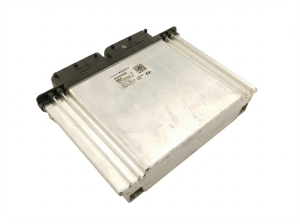
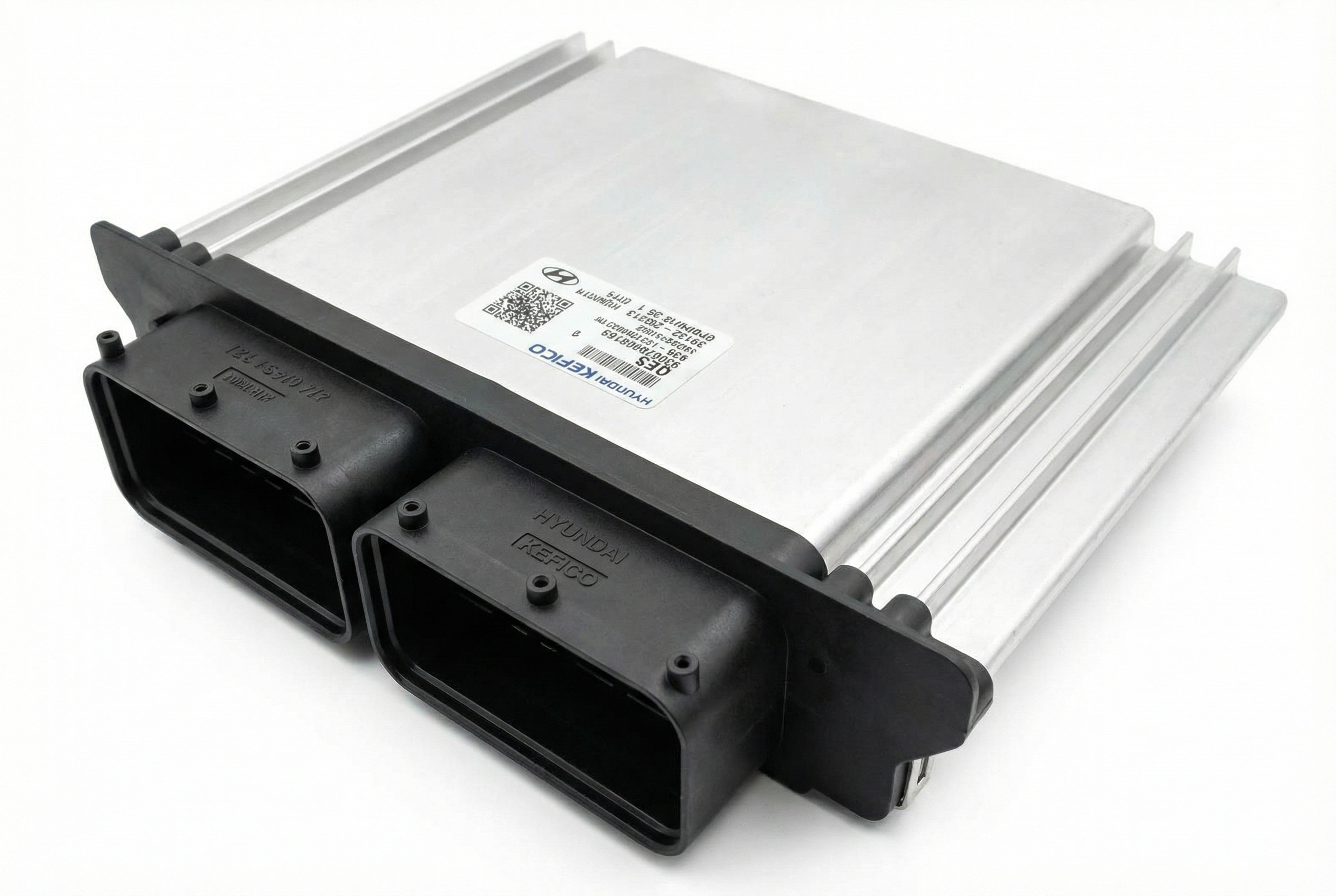
This is the most important step. Do not rely on visual matches alone. There are two primary ECMs for the 2020-2022 Venue, and they are not interchangeable. You must remove your original ECM and read the part number on its label.
- Part Number 39100-2M135: Fits models with a 1.6L engine, Automatic (CVT) transmission, and WITHOUT push-button start (i.e., uses a traditional key).
- Part Number 39100-2M185: Fits models with a 1.6L engine, Automatic (CVT) transmission, and WITH push-button start.
Installing the wrong module will result in a no-start condition and programming failure.
2. Physical Inspection
When you receive the used ECM, inspect it carefully before installation.
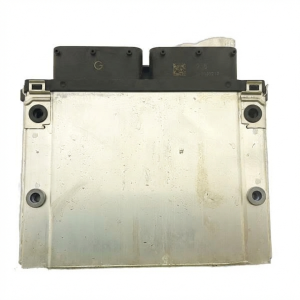
- Check for Corrosion: Look for any white or green crust on the aluminum case or inside the connector pins. Water damage is a common cause of ECM failure and should be avoided.
- Intact Connectors: Ensure the plastic connectors and all pins are straight and undamaged. Bent pins can cause poor connections or short circuits.
- Unopened Case: Avoid modules that look like they have been pried open. The factory seal should be intact.
3. Consider Pre-Programmed Modules
Some specialized retailers sell used OEM ECMs that are pre-programmed to your vehicle's VIN before they are shipped. This makes the installation "plug and play" and can save you a separate trip for programming. This service typically requires you to provide your VIN at the time of purchase.
Programming and Immobilizer Requirements
A replacement ECM for a Hyundai Venue absolutely requires programming to function. This is not an optional step. The ECM is a central part of the vehicle's anti-theft (immobilizer) system.
Warning: You cannot simply swap a used ECM from another vehicle and expect it to work. The engine will not start until the module is properly programmed to your vehicle and its keys.
The programming process involves several steps:
- Installation: The new or used ECM is physically installed in the vehicle.
- Neutralization: A technician uses a diagnostic tool to "neutralize" the immobilizer function in the replacement ECM, preparing it to be paired with a new vehicle.
- Key Teaching: The technician then teaches the vehicle's existing keys to the new ECM. This process requires a special 6-digit PIN code that is specific to your vehicle and must typically be obtained from a Hyundai dealership.
Who Can Program the ECM?
- Hyundai Dealerships: They have the factory tools (GDS) and access to PIN codes to perform the programming.
- Qualified Independent Shops: Many modern repair shops have a J-2534 "passthru" device and a subscription to Hyundai's technical service website. This allows them to perform factory-level programming.
- Automotive Locksmiths: Some advanced automotive locksmiths specialize in ECM and immobilizer work and may be able to program the module. However, not all locksmiths have this capability, so you must inquire specifically about ECM replacement programming.
Cost Breakdown
The cost to replace the ECM can vary significantly based on the parts source and labor rates.
| Item | Estimated Cost | Notes |
|---|---|---|
| New OEM Part | $540 - $760 | Price from a Hyundai dealership. |
| New Aftermarket Part | Not Generally Available | For a critical component like the ECM, OEM is strongly recommended. |
| Used OEM Part | $90 - $250 | Prices vary based on supplier and condition. |
| Remanufactured Part | $200 - $400 | Often includes pre-programming to your VIN. |
| Shop Labor (Replacement) | $110 - $160 | This is for the physical swap of the module. |
| Shop Labor (Programming) | $150 - $400 | This is a separate step and can vary widely. Some shops may bundle it with the replacement labor. |
| Total (Dealer) | $800 - $1,500+ | Using a new OEM part and dealer labor/programming. |
| Total (DIY + Shop Program) | $240 - $650 | Buying a used part and paying an independent shop for programming only. |
Frequently Asked Questions (FAQ)
Do I have to take my Venue to the dealer to replace the ECM?
Not necessarily. While a Hyundai dealer can always perform the work, a qualified independent auto repair shop with a J-2534 programming tool and a Hyundai techline subscription can also program a new or used ECM. Some advanced automotive locksmiths may also have this capability.
Can I install the ECM myself to save money?
Yes, the physical installation of the ECM is relatively straightforward for a DIY mechanic. However, the vehicle will not start or run until the module is professionally programmed. You can save on labor by installing it yourself and then having the vehicle towed to a shop for programming, or by using a mobile technician who can program it at your location.
What is the difference between an ECM, ECU, and PCM?
The terms are often used interchangeably. ECM (Engine Control Module) and ECU (Engine Control Unit) mean the same thing. PCM (Powertrain Control Module) is a term for a module that controls both the engine and the transmission in a single unit. For the Hyundai Venue, these terms all refer to the same main computer.
Will a used ECM affect my vehicle's mileage reading?
No. The vehicle's mileage (odometer reading) is stored in the instrument cluster, not the ECM. Swapping the ECM will not change your odometer reading.
Technical Specifications
OEM Part Numbers: 39100-2M135 39100-2M185
Fits 2020-2022 Hyundai Venue with 1.6L Gamma II MPI engine and IVT (CVT) automatic transmission.
We Have This Part in Stock

The information in this article is provided for general reference and educational purposes only. Vehicle specifications, procedures, and part compatibility can vary by production date, trim level, and region. Always consult your vehicle's factory service manual and verify part numbers before purchasing or performing repairs. Safety-critical components such as airbags, seat belts, and braking systems should be installed by a qualified professional.
- Hyundai Venue:
- 🛍️ Shop This Part
- Symptoms of a Failing ECM in a Hyundai Venue
- Known Issues, TSBs, and Recalls
- Service Campaign T8K (TSB 22-01-056H)
- Safety Recall: Seat Belt Pretensioners (NHTSA #22V458)
- Buying a Used Engine Control Module (ECM)
- 1. Match the Part Number EXACTLY
- 2. Physical Inspection
- 3. Consider Pre-Programmed Modules
- Programming and Immobilizer Requirements
- Who Can Program the ECM?
- Cost Breakdown
- Frequently Asked Questions (FAQ)
- 🎟️ Get 5% Off