

2011-2013 Forte & Forte Koup ECM: Programming, Recalls, and Replacement Guide
This guide covers common failure symptoms, mandatory programming requirements, and how to choose the right used ECM for your 2011-2013 Kia Forte or Forte Koup.
- A replacement ECM MUST be programmed to the vehicle's keys by a dealer or equipped locksmith; the car will not start otherwise.
- Compatibility is critical. The used ECM must match the original's engine (2.0L), transmission (Auto), emissions (Federal), and ignition type (keyed, not push-button).
- Two major safety recalls exist: one for engine fire risk (NHTSA 20V750) requiring an ECM software update, and one for ABS module fire risk (NHTSA 23V652000). Verify they have been completed.
- Before replacing the ECM, check simpler components like the ECM power relay in the fuse box, as a failure there can mimic a dead ECM.
Symptoms of a Failing Kia Forte ECM

A failing ECM can cause a wide range of confusing and intermittent issues. Before suspecting the ECM, it's always a good idea to check the battery, alternator, and engine grounds, as these can cause similar problems. However, if those components are good, your ECM might be the culprit.
🎬 Watch: Common signs your engine computer is failing- Check Engine Light: This is the most common symptom. The light may be on constantly, or it may come and go. Often, you'll find codes stored that are specifically for the ECM itself (like P0600-P0605), or you might get false codes for sensors you've already replaced.
- Engine Stalling or Misfiring: The engine may stall unexpectedly while driving or stutter and misfire because the ECM is failing to provide the correct fuel and spark commands.
- No-Start Condition: You might find that the engine cranks but refuses to start. This can happen if the ECM isn't activating the fuel pump or ignition coils. In some cases, there may be no communication with the ECM at all, which can be identified by a check engine light that doesn't illuminate when the key is first turned on.
- Poor Performance and Fuel Economy: If the ECM is not managing the engine correctly, you may notice a sudden drop in gas mileage or a general lack of power and acceleration.
- Automatic Transmission Problems: The ECM shares data with the Transmission Control Module (TCM). A faulty ECM can send incorrect data, leading to harsh shifting, delayed shifts, or the transmission getting stuck in one gear (limp mode).
Common Diagnostic Trouble Codes (DTCs)
| Code | Description |
|---|---|
| P0600-P0605 | Internal Control Module Communication/Memory/Processor Errors. These codes point directly to a problem within the ECM itself. |
| P1608 | PCM (Powertrain Control Module) Malfunction. |
| P1693 | MIL (Malfunction Indicator Lamp) Circuit Malfunction. This can indicate the ECM is unable to command the check engine light on. |
| U-Series Codes | Network communication codes (e.g., U0100 - Lost Communication with ECM/PCM) can indicate the ECM is not communicating with other modules on the vehicle. |
Warning: Before condemning the ECM, check the main ECM power relay, usually found in the under-hood fuse box. A faulty relay can mimic a dead ECM and is a much cheaper and simpler part to replace.
🎬 See how to locate and replace the ECM relayImportant Recalls for 2011-2013 Forte & Forte Koup

There are two major safety recalls that affect the engine and related control systems on these vehicles. It is critical to ensure these have been performed.
NHTSA Recall 20V750: Engine Failure and Fire Risk
This recall addresses a defect that can lead to excessive connecting rod bearing wear, which can cause engine damage and, in some cases, an engine compartment fire. The remedy involves a dealer inspection, an engine test, and an update to the ECM software. This update installs a Knock Sensor Detection System (KSDS) designed to detect early signs of engine failure.
NHTSA Recall 23V652000: HECU Fire Risk
This recall is for the Hydraulic Electronic Control Unit (HECU), part of the anti-lock brake system. It can develop an internal electrical short, creating a fire risk while driving or even when the vehicle is parked and turned off. Kia advises owners to park their vehicles outside and away from structures until the repair, which involves replacing a fuse in the fuse box, is completed.
Buying a Used Engine Control Module

Purchasing a used OEM ECM is a cost-effective way to get your Forte back on the road, but careful matching is essential. A new OEM unit can be very expensive, and aftermarket options can be unreliable.
Verify Compatibility: The Critical Checklist
You cannot simply use any ECM from a 2011-2013 Forte. The replacement module MUST match your vehicle's original configuration. When sourcing a used part, verify the following:
- Engine: 2.0L
- Transmission: Automatic
- Emissions: Federal Emissions (not California/PZEV)
- Ignition System: Conventional Key Ignition (not Push-Button Start)
Warning: An ECM from a vehicle with a push-button start will not work in a vehicle with a traditional metal key due to differences in the immobilizer system.
The best way to ensure a match is to compare the OEM part number from your original ECM to the one you are buying. The part numbers provided (391222G180, 391222G181, 391222G182, etc.) are a good starting point, but always double-check against your specific unit.
ECM Programming and Immobilizer Requirements
This is the most critical step of the replacement process. You cannot simply swap the ECM and start the car. The replacement ECM, whether new or used, must be programmed to your vehicle's existing keys.
These Kia models use a transponder-based immobilizer system (sometimes called SMARTRA). A small chip in your key communicates with the ECM. If the codes don't match, the ECM will not allow the engine to start as an anti-theft measure.
- Programming is Mandatory: The vehicle will crank but not start until the keys are "taught" to the replacement ECM.
- Who Can Program It?: A Kia dealership is the most reliable option. Many professional automotive locksmiths and some independent repair shops with advanced diagnostic scan tools (like Autel or Snap-on) and access to vehicle security information can also perform this service.
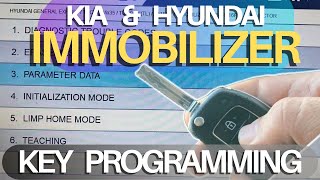
- The Process: A technician uses a scan tool to perform a "key teaching" or "immobilizer initialization" procedure. This requires a 6-digit security PIN code that must be obtained from a Kia dealer using the car's Vehicle Identification Number (VIN). 🎬 Watch: How the key teaching and immobilizer programming process works
Pro Tip: When you call a shop or locksmith, specifically ask if they can program a replacement ECM for a 2012 Kia Forte and if they can obtain the required PIN code. Not all shops have this capability.
ECM Replacement Overview

The physical replacement of the ECM is relatively straightforward for a DIYer with basic tools.
- Disconnect the Battery: Always disconnect the negative battery terminal before working on any electronic components.
- Locate the ECM: The ECM is located in the engine bay, typically behind the battery on the driver's side, near the firewall. You may need to remove the battery to gain access.
- Disconnect Connectors: Carefully unlock and unplug the large electrical connectors from the ECM.
- Unbolt the ECM: Remove the mounting bolts (usually 10mm) holding the ECM and its bracket in place.
- Installation: Installation is the reverse of removal. Secure the new ECM, plug in the connectors, and reinstall the battery. The final, mandatory step is to have the vehicle towed to a dealer or appropriate shop for programming.
Cost to Replace a 2011-2013 Kia Forte ECM
The total cost will vary based on the part source and labor rates in your area. Remember to factor in the mandatory programming cost.
| Item | Estimated Cost | Notes |
|---|---|---|
| New OEM ECM | $1,000 - $1,600 | Purchased from a Kia dealership. |
| Remanufactured ECM | $200 - $400 | From a specialty vendor, often pre-programmed to your VIN, but key teaching is still required on-vehicle. |
| Used OEM ECM | $50 - $125 | From a salvage yard or online marketplace like eBay. |
| Shop Labor (Replacement & Programming) | $200 - $450 | Includes physical installation and the key programming procedure. Programming alone can be $150-$250. |
Frequently Asked Questions (FAQ)
Do I have to program a replacement ECM for my Kia Forte?
Yes, programming is absolutely required. The car's immobilizer system links your keys to the ECM, and a replacement unit will not allow the engine to start until it is programmed to accept your existing keys.
Can I drive my car with a bad ECM?
It is not recommended. A failing ECM can cause the engine to stall at any time, including at high speeds or in traffic, which is a serious safety risk. It can also lead to poor performance and potentially damage other components like the catalytic converter.
Where is the ECM located on a 2011-2013 Kia Forte?
The ECM is located in the engine compartment. It is typically found on the driver's side, mounted to the firewall behind the battery. You will likely need to remove the battery and battery tray to access it.
Can a locksmith program the new ECM?
Yes, many automotive locksmiths have the advanced scan tools and security credentials needed to program a replacement ECM to your vehicle. However, you must confirm this with the specific locksmith beforehand, as not all of them offer this service.
Helpful Videos
Technical Specifications
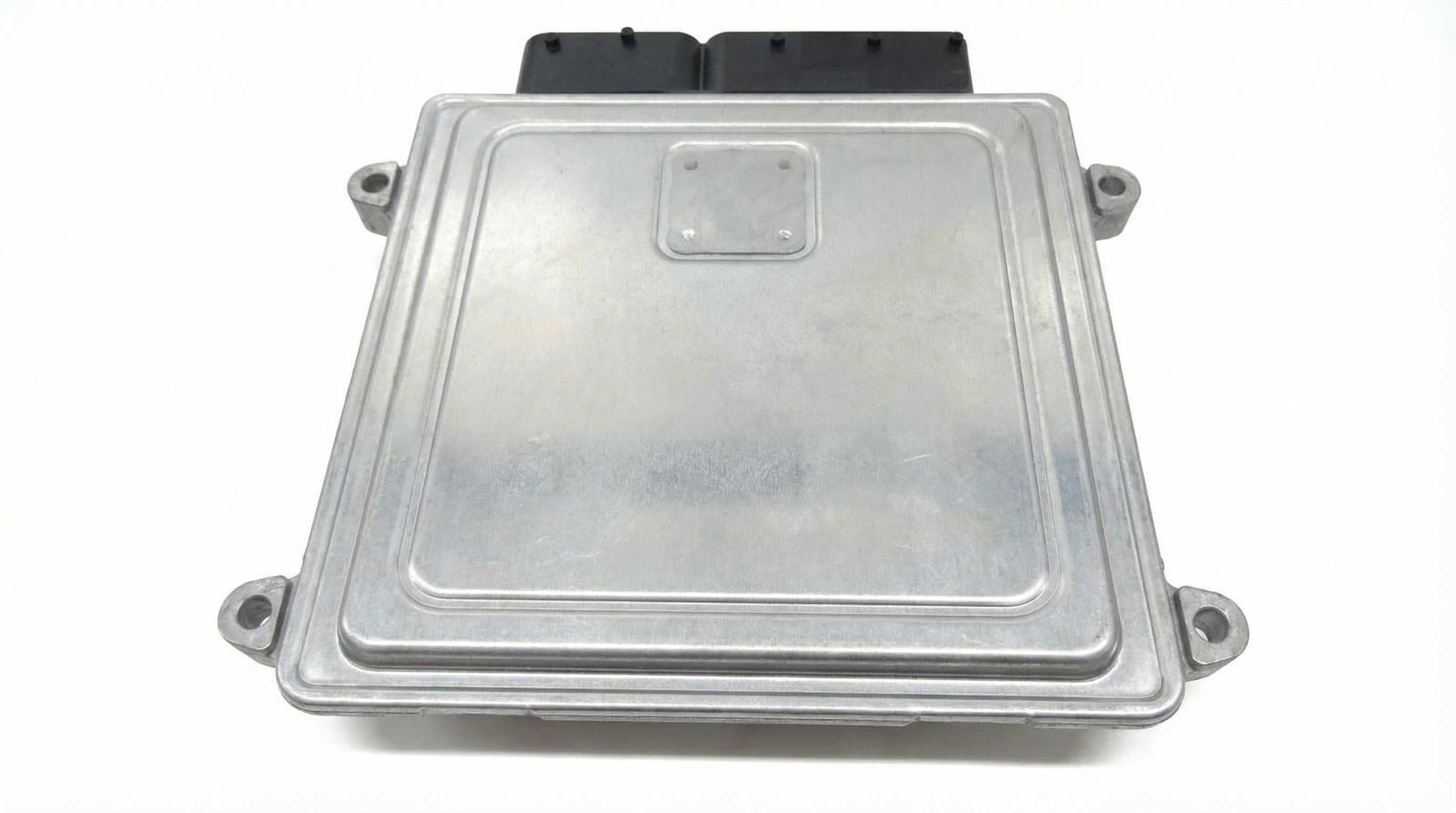
OEM Part Numbers: 391222G180 391222G181 391222G182 391822G180 391822G181 391822G182 39122-2G200
Fits: 2.0L Engine, Automatic Transmission, Federal Emissions, Conventional Key Ignition.
We Have This Part in Stock

The information in this article is provided for general reference and educational purposes only. Vehicle specifications, procedures, and part compatibility can vary by production date, trim level, and region. Always consult your vehicle's factory service manual and verify part numbers before purchasing or performing repairs. Safety-critical components such as airbags, seat belts, and braking systems should be installed by a qualified professional.
- Kia Forte:
- Kia Forte Koup:
- 🎬 Helpful Videos
- 🛍️ Shop This Part
- Symptoms of a Failing Kia Forte ECM
- Common Diagnostic Trouble Codes (DTCs)
- Important Recalls for 2011-2013 Forte & Forte Koup
- NHTSA Recall 20V750: Engine Failure and Fire Risk
- NHTSA Recall 23V652000: HECU Fire Risk
- Buying a Used Engine Control Module
- Verify Compatibility: The Critical Checklist
- ECM Programming and Immobilizer Requirements
- ECM Replacement Overview
- Cost to Replace a 2011-2013 Kia Forte ECM
- Frequently Asked Questions (FAQ)
- 🎟️ Get 5% Off