

2010-2013 Kia Sportage ECM: Stalling, No-Start Issues, and Programming Guide
This guide covers common failure symptoms, critical compatibility details, and the essential programming steps for the 2010-2013 Kia Sportage 2.4L Engine Control Module.
- This ECM is NOT plug-and-play; it requires programming by a Kia dealer or a specialized shop to sync with your vehicle's anti-theft system.
- Compatibility is critical: this part only fits 2.4L, automatic, Federal emissions, turn-key ignition models. It will NOT work with PZEV emissions or push-button start.
- Many engine stalling and limp mode issues are related to the Knock Sensor Detection System (KSDS) update, not necessarily a failed ECM. Check for code P1326.
- Several major recalls for engine fire risk exist for this vehicle; ensure all recall work has been completed by checking the VIN on the NHTSA website.
Symptoms of a Failing ECM

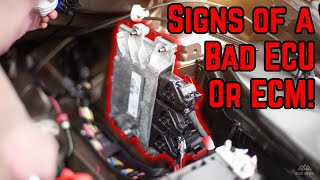
A bad Engine Control Module can cause a variety of confusing symptoms. Because the ECM controls so many different parts of the engine, its failure can often be mistaken for a bad sensor or a mechanical problem. Here are the most common signs that the ECM in your 🎬 Watch: A breakdown of common signs and symptoms of ECM failure. 2010-2013 Sportage may be failing:
- Check Engine Light: This is the most obvious sign. The light may stay on constantly or flash. A flashing light often points to a serious issue like a misfire that could damage other components.
- Engine Stalling or No-Start: The ECM controls the signals for fuel and spark. If it fails, it can cause the engine to stall unexpectedly while driving or prevent it from starting at all. This can be intermittent, making it difficult to diagnose.
- Rough Idle and Misfires: An incorrect signal from the ECM can disrupt the engine's timing and air-fuel balance, leading to a rough idle, stuttering, or engine misfires.
- Poor Performance and Fuel Economy: You might notice the vehicle hesitating during acceleration or a sudden drop in gas mileage. This can happen if the ECM sends the wrong instructions to the fuel injectors or ignition coils.
- Vehicle Enters "Limp Mode": In some cases, a failing ECM can trigger a reduced power mode, known as "Limp Home Mode." This will severely limit engine RPMs and vehicle speed to prevent further damage.
Known Issues, Recalls, and Technical Service Bulletins (TSBs)

The 2010-2013 Kia Sportage, particularly with the 2.4L Theta II engine, has been subject to several important recalls and service campaigns that relate to the engine and its control systems.
Engine-Related Recalls and Campaigns
- Knock Sensor Detection System (KSDS) Update (Product Improvement Campaign): This is a critical software update for the ECM. Kia developed the KSDS to detect vibrations that indicate premature connecting rod bearing wear, a known issue with these engines. If detected, the ECM will trigger a flashing Malfunction Indicator Lamp (MIL), store trouble code P1326, and put the vehicle into Limp Home Mode to prevent catastrophic engine failure. This update is often a prerequisite for warranty coverage on engine repairs.
- NHTSA Recall 18V907000: This recall addresses a potential fuel leak from the high-pressure fuel pipe, which may have been damaged or improperly installed during a previous engine replacement related to the KSDS campaign or other warranty work.
- NHTSA Recall 20V750000: This recall was issued for potential engine compartment fires that can occur while driving. The remedy involves dealers inspecting for fuel or oil leaks and updating the KSDS software.
- NHTSA Recall 23V652000 (Kia #SC284): This recall is for a fire risk originating from the Hydraulic Electronic Control Unit (HECU), which controls the anti-lock brakes. An electrical short in the HECU can cause a fire, even when the car is parked. While not the ECM itself, a fire from another module can easily damage the ECM and its wiring. Owners are advised to park outside and away from structures until the repair is completed.
Pro Tip: Before purchasing a used ECM, it's wise to check if your vehicle has had the KSDS software update performed by a Kia dealer. Many symptoms of a failing engine bearing (leading to Limp Mode) can be misdiagnosed as a faulty ECM.
Buying a Used 2010-2013 Sportage ECM: What to Know

Purchasing a used OEM ECM is a cost-effective solution, but careful matching is essential. An incompatible module will not work. Pay close attention to the following details to ensure you get the right part.
Compatibility Checklist
This ECM is highly specific. Your vehicle MUST match all of the following criteria:
- Engine: 2.4L 4-Cylinder Only
- Transmission: Automatic Transmission Only
- Emissions: Federal Emissions Only. It will NOT work for vehicles with California (PZEV) emissions. Check the Vehicle Emission Control Information sticker under the hood to verify.
- Ignition System: Conventional Turn-Key Ignition Only. It will NOT work for vehicles with a keyless push-button start system or a smart key fob.
Part Number Verification
Always match the part number on your original ECM to the part number on the replacement unit. Known compatible OEM part numbers for this specific configuration include:
- 39107-2G690
- 39107-2G691
- 39107-2G692
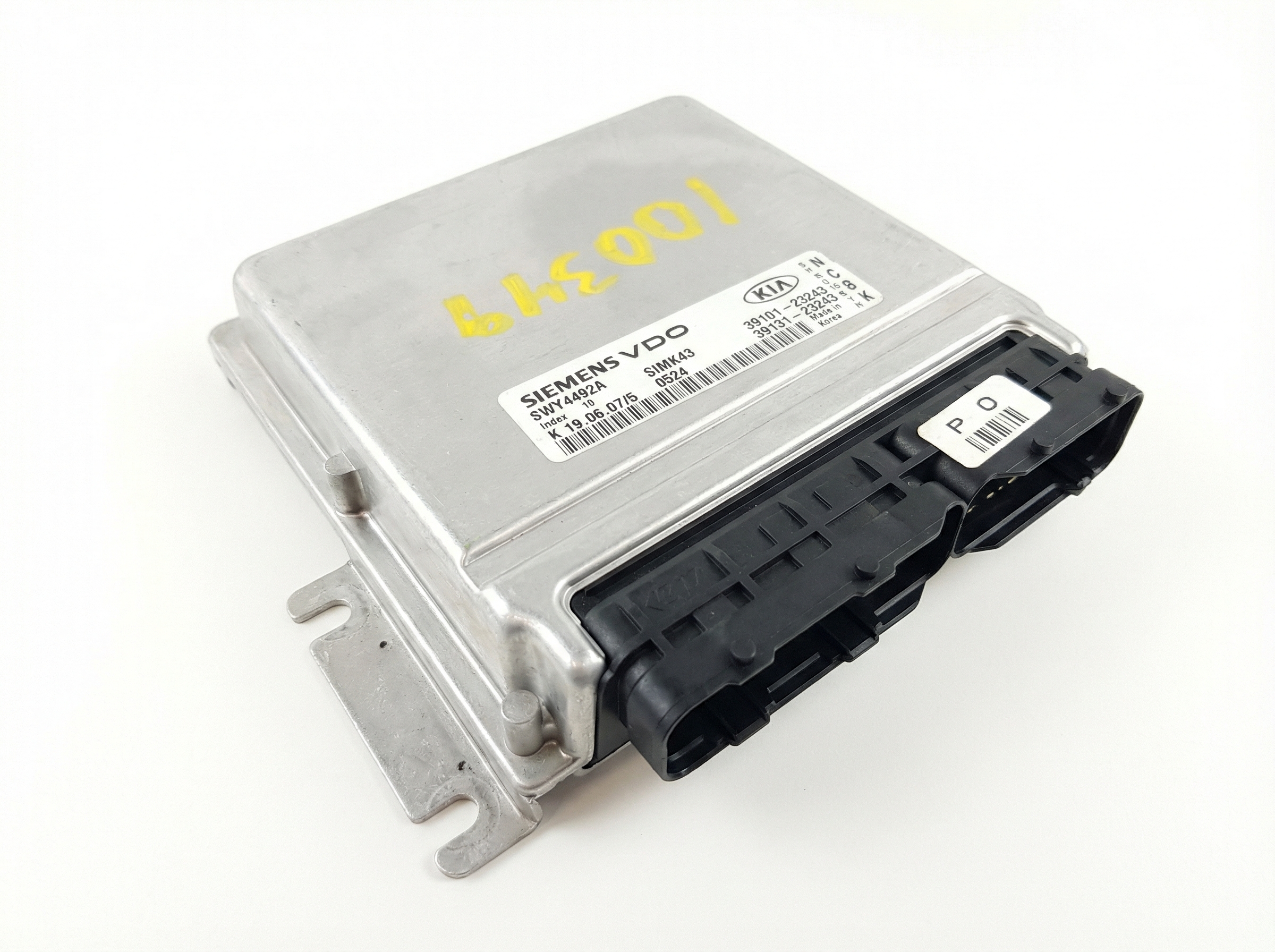
You can find the part number on a sticker on the outside of the metal ECM case.
Programming and Installation

Warning: This module is NOT plug-and-play. It requires programming to function with your vehicle.
A replacement ECM, whether new or used, must be programmed to your vehicle's unique Vehicle Identification Number (VIN) and anti-theft immobilizer system. If the module is not programmed, the engine will crank but will not start, or it will start and then immediately shut off.
This programming procedure syncs the replacement ECM with the transponder chips in your keys. This is a security feature to prevent theft.
Who Can Program the ECM?
- Kia Dealership: A Kia dealer is the most reliable option. They have the proprietary Global Diagnostic System (GDS) tool required to perform the ECM replacement function and teach the keys to the new module.
- Qualified Independent Shop: Some independent repair shops that specialize in Asian vehicles may have advanced diagnostic tools (like AutoTuner or similar) with the capability to program Kia ECMs. However, you must confirm this with the shop before having the work done.
- Locksmiths & DIY: Most locksmiths and DIY mechanics do not have the expensive, specialized equipment needed for this task.
Cost to Replace the ECM
The cost can vary significantly based on the source of the part and labor rates. A Reddit user reported a shop quote of over $1500 for a new OEM part alone. Programming costs are additional.
| Item | Estimated Cost |
|---|---|
| New OEM | $790 - $1,270 |
| Remanufactured | $290 - $450 |
| Used OEM | $75 - $200 |
| Shop Labor (Installation & Programming) | $150 - $400 |
Frequently Asked Questions (FAQ)
Does a replacement ECM for a 2010-2013 Sportage need to be programmed?
Yes, absolutely. The replacement module must be programmed to your vehicle's VIN and existing keys. Without programming, the car's anti-theft system will prevent the engine from running.
Where is the ECM located on the 2010-2013 Kia Sportage?
The ECM is typically located inside the passenger cabin, under the dashboard on the passenger's side. The AWD control module fuse is located in the interior fuse box near the driver's door.
🎬 See this quick guide to finding the AWD ECM fuse location.What OBD-II code means the ECM is bad?
While any number of codes can result from a faulty ECM, codes specifically pointing to an internal processor failure are the most direct. These include P0601 (Internal Control Module Memory Check Sum Error) and P1608 (PCM Malfunction). However, it's more common for a bad ECM to cause a flood of other seemingly unrelated codes. A very common code related to the KSDS software update is P1326, which indicates the system has detected potential engine bearing failure and has entered Limp Mode.
Can I drive my Sportage with a bad ECM?
It is strongly not recommended. If the ECM is causing the engine to stall, it creates a serious safety hazard as you could lose power in traffic or at high speeds. If the vehicle is in Limp Mode, your speed and RPMs will be severely restricted. It is best to have the vehicle towed for diagnosis and repair.
Helpful Videos
Technical Specifications
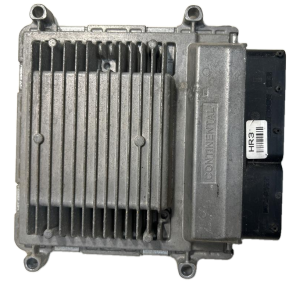
OEM Part Numbers: 39107-2G692 391072G690 391072G691
Fits: 2.4L Engine, Automatic Transmission, Federal Emissions, Turn-Key Ignition
We Have This Part in Stock

The information in this article is provided for general reference and educational purposes only. Vehicle specifications, procedures, and part compatibility can vary by production date, trim level, and region. Always consult your vehicle's factory service manual and verify part numbers before purchasing or performing repairs. Safety-critical components such as airbags, seat belts, and braking systems should be installed by a qualified professional.
- Kia Sportage:
- 🎬 Helpful Videos
- 🛍️ Shop This Part
- Symptoms of a Failing ECM
- Known Issues, Recalls, and Technical Service Bulletins (TSBs)
- Engine-Related Recalls and Campaigns
- Buying a Used 2010-2013 Sportage ECM: What to Know
- Compatibility Checklist
- Part Number Verification
- Programming and Installation
- Who Can Program the ECM?
- Cost to Replace the ECM
- Frequently Asked Questions (FAQ)
- 🎟️ Get 5% Off