

2008-2009 Mazda 3 ECM: Programming, Immobilizer, and Federal vs. PZEV Guide
This guide covers the critical details for replacing the Engine Control Module in a 2008-2009 Mazda 3, including mandatory programming and vital emissions compatibility checks.
- A replacement ECM MUST be programmed by a dealer or qualified shop to work; it is not a plug-and-play part due to the immobilizer system.
- You must verify if your car has Federal or California (PZEV) emissions and buy a matching ECM; they are not interchangeable.
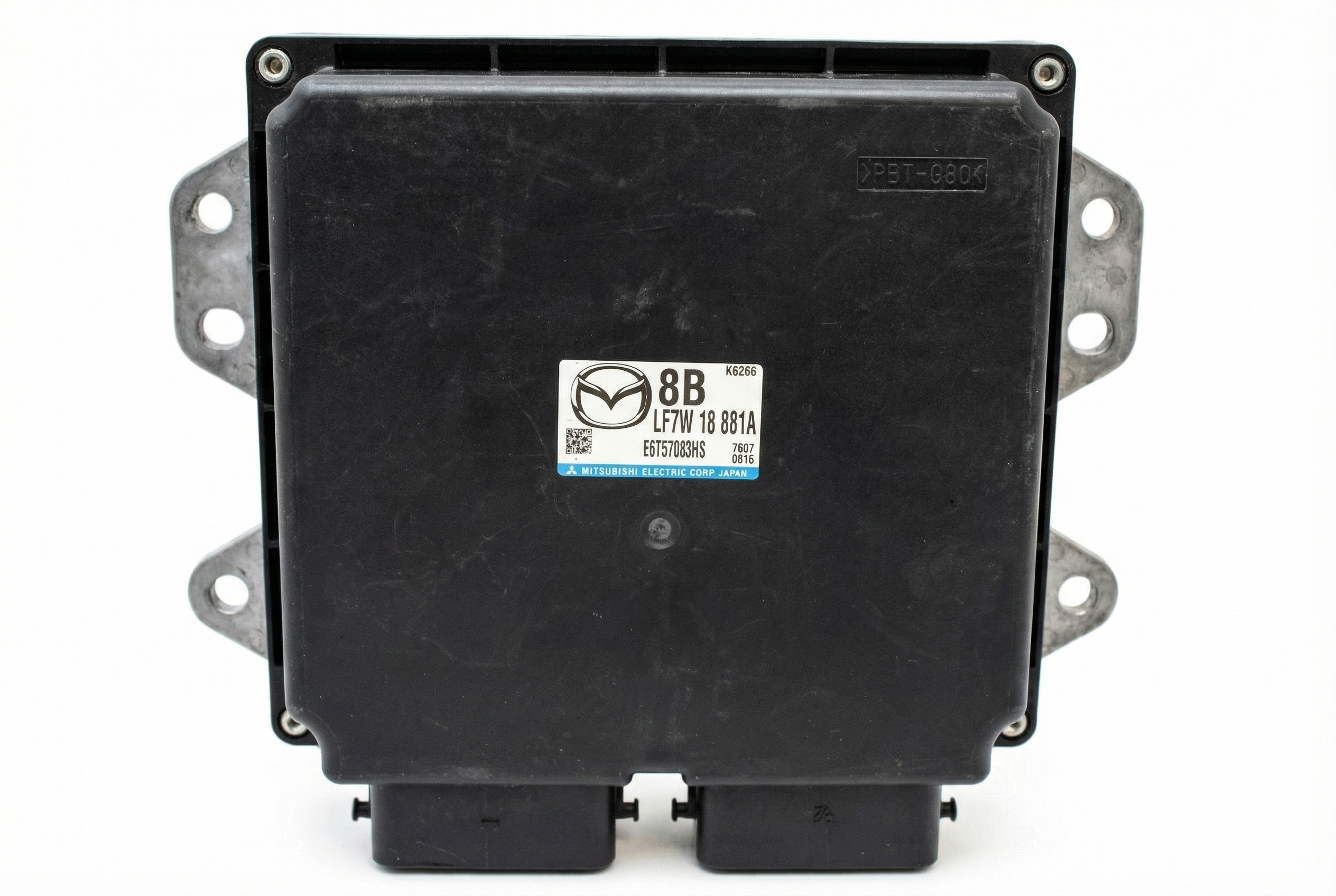
- The OEM part numbers are LF7W18881, LF7W18881A, LF7W18881B, LF7W18881C, and LF7W18881D for Federal emissions models.
- Symptoms like crank-no-start or poor performance can also be caused by bad sensors or wiring, so a thorough diagnosis is essential before replacing the ECM.
Symptoms of a Failing 2008-2009 Mazda 3 ECM
A failing Engine Control Module can cause a variety of confusing symptoms. Because the ECM controls so many different parts of the engine, a failure can sometimes be misdiagnosed as a bad sensor or other component. The most reliable way to diagnose a bad ECM is to look for multiple, seemingly unrelated electronic issues and specific diagnostic codes.
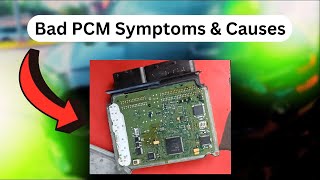
🎬 Watch: A breakdown of common symptoms and causes of PCM failure.- Check Engine Light: This is the most common symptom. The light may be on constantly, and you may find codes related to ECM internal errors or communication failures.
- Engine Performance Issues: You might experience engine stuttering, misfires, a sudden loss of power, or poor acceleration. This happens when the ECM can no longer correctly manage the air-fuel mixture or ignition timing.
- Car Will Not Start: A completely failed ECM can prevent the engine from starting. It may crank but not fire up because the ECM is not sending signals to the fuel injectors or ignition coils.
- Poor Fuel Economy: If you notice a sudden and significant drop in your gas mileage, it could be a sign that the ECM is not managing the engine's fuel delivery efficiently.
- Transmission Shifting Problems: On automatic transmission models, the ECM works with the Transmission Control Module (TCM). A faulty ECM can sometimes cause harsh shifting or other transmission-related issues.
Common Diagnostic Trouble Codes (DTCs)
While many codes can point to a failing ECM, codes specifically related to the module's internal processor or memory are a strong indicator of failure. Look for codes such as:
- P0600 - P0607: These codes relate to internal control module communication and processor faults, such as "Internal Control Module Memory Check Sum Error" or "ECM/PCM Processor Fault".
- U-Series Codes (e.g., U0100): These codes indicate a loss of communication with the ECM, which can happen if the module has failed.
- P1260: This code indicates a theft attempt has been detected, which can be triggered if the ECM has lost its programming or is not communicating with the immobilizer system correctly.
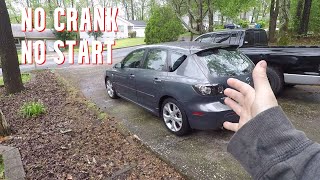
Warning: Many of these symptoms can also be caused by a failing sensor, a bad ground wire, or a corroded wiring harness. For example, a faulty crankshaft position sensor can cause a crank-no-start condition that mimics a dead ECM. 🎬 See how to troubleshoot a no-crank no-start condition before replacing parts. Always perform a full diagnosis before replacing the module.
Known Issues, Recalls, and Technical Service Bulletins (TSBs)
As of early 2026, there are no specific recalls for ECM failure on the 2008-2009 Mazda 3. However, several related recalls and TSBs exist for this generation:
- NHTSA Recall 10V374000: Affects some 2007-2009 Mazda 3 vehicles for a potential sudden loss of power steering assist.
- NHTSA Recall 11V329000: Pertains to a faulty windshield wiper motor ground terminal on some 2008-2009 models.
- NHTSA Recall 5509E: A compliance recall for some 2009 Mazda 3 models equipped with Dynamic Stability Control (DSC), which required the DSC control module to be replaced.
- TSB SB-01-007-09: Addresses unstable idling or stalling shortly after the vehicle stops, with no DTCs present. This could be related to ECM software.
Buying a Used 2008-2009 Mazda 3 ECM: What to Know
Buying a used ECM is a cost-effective solution, but it requires careful attention to detail to ensure compatibility and proper function. This is not a simple plug-and-play part.
1. Programming and Immobilizer Synchronization are Required
Critical: You cannot simply install a used ECM and start the car. The vehicle's anti-theft system, known as the Passive Anti-theft System (PATS), links the ECM to your specific keys. When you install a different ECM, this link is broken, and the immobilizer will prevent the engine from starting. The replacement ECM must be professionally programmed to your car's Vehicle Identification Number (VIN) and synchronized with the immobilizer module and keys.
2. Who Can Program the ECM?
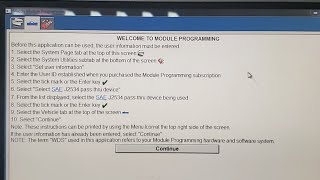
Programming requires specialized equipment and software, typically the Mazda Diagnostic and Repair Software (MDARS) or the older Ford Integrated Diagnostic System (IDS).
🎬 Watch: A demonstration of the Mazda PCM flash programming process.- Mazda Dealership: A dealership is the most reliable option for programming. They have the correct tools and access to the latest software updates.
- Qualified Independent Shops: Some independent auto repair shops that specialize in imports or electronics may have the necessary tools and subscriptions to program Mazda modules. Always confirm with the shop before bringing them the part.
- Automotive Locksmiths: Some advanced automotive locksmiths can perform key and immobilizer programming.
- Mail-In Services: Several companies offer mail-in services where you send them your VIN, and they pre-program the used ECM before shipping it to you. While this simplifies the process, a final key relearn or parameter reset may still be required once the part is installed in the vehicle.
3. Federal vs. California (PZEV) Emissions: A Critical Compatibility Check
The 2008-2009 Mazda 3 was built with two different emissions systems: Federal (FED) and California PZEV (Partial Zero-Emission Vehicle). The ECMs for these two systems are not interchangeable. The provided part numbers (LF7W-18-881 series) are for Federal emissions vehicles only.
To check which system your car has, look for the Vehicle Emission Control Information (VECI) sticker under the hood. This sticker will clearly state whether the vehicle conforms to U.S. EPA (Federal) regulations or California (PZEV) regulations. You must buy an ECM that matches your car's emissions system.
4. Part Number Matching and Inspection
Always match the OEM part number from your original ECM to the replacement unit. The part numbers for this module often have a letter at the end that indicates a revision (e.g., LF7W18881A, LF7W18881B, etc.). Later revisions are generally backward compatible, but it is always safest to match the full number. When inspecting a used unit, check for:
- No Corrosion: The pins in the connectors should be clean and straight. Green or white corrosion is a major red flag.
- Intact Case: Ensure the housing isn't cracked or show signs of being pried open.
- No Water Damage: Look for any signs of water lines or mineral deposits on the case.
Replacement Cost Comparison
The cost of replacing a Mazda 3 ECM varies greatly depending on the source of the part and labor for programming.
| Part Source | Estimated Cost |
|---|---|
| New OEM (Dealer) | $660 - $980 |
| New Aftermarket | Not commonly available |
| Used OEM (Recycled) | $75 - $250 |
| Remanufactured / Repair Service | $105 - $300 |
| Shop Labor (Installation & Programming) | $200 - $400 (typically 2-3 hours) |
Frequently Asked Questions (FAQ)
Where is the ECM located on a 2008-2009 Mazda 3?
The ECM (or PCM) is typically located in the engine bay, underneath the battery tray and air filter housing. Some sources suggest it may be in the center console ahead of the shifter, but the engine bay location is more common for this model. You will need to remove the battery and its tray to access it.
Can I drive my car with a failing ECM?
It is not recommended. A failing ECM can cause the engine to stall unexpectedly at any time, which is a serious safety hazard. If the car is experiencing severe performance issues or won't start, it should be towed.
Will my car start after I install a used ECM?
No, it will not start until the ECM is programmed to your car. The immobilizer system will prevent the engine from running as a security measure. The car will likely crank but not start, and you may see a flashing security light on the dashboard.
How do I know if my Mazda 3 is Federal or PZEV?
Check the Vehicle Emission Control Information (VECI) sticker located in the engine compartment, usually on the underside of the hood. The sticker will explicitly state which emissions standards the vehicle meets. A sticker mentioning "PZEV" or "California" means it is a California emissions vehicle.
Helpful Videos
Technical Specifications
OEM Part Numbers: LF7W18881 LF7W18881A LF7W18881B LF7W18881C LF7W18881D
Fits 2008-2009 Mazda 3 with Federal emissions ONLY. Not compatible with California PZEV models.
We Have This Part in Stock

The information in this article is provided for general reference and educational purposes only. Vehicle specifications, procedures, and part compatibility can vary by production date, trim level, and region. Always consult your vehicle's factory service manual and verify part numbers before purchasing or performing repairs. Safety-critical components such as airbags, seat belts, and braking systems should be installed by a qualified professional.
- Mazda 3:
- 🎬 Helpful Videos
- 🛍️ Shop This Part
- Symptoms of a Failing 2008-2009 Mazda 3 ECM
- Common Diagnostic Trouble Codes (DTCs)
- Known Issues, Recalls, and Technical Service Bulletins (TSBs)
- Buying a Used 2008-2009 Mazda 3 ECM: What to Know
- 1. Programming and Immobilizer Synchronization are Required
- 2. Who Can Program the ECM?
- 3. Federal vs. California (PZEV) Emissions: A Critical Compatibility Check
- 4. Part Number Matching and Inspection
- Replacement Cost Comparison
- Frequently Asked Questions (FAQ)
- 🎟️ Get 5% Off