

2010 Mazda3 2.0L ECM: Solving Stalls, No-Starts, and Programming Puzzles
This guide covers the critical details of diagnosing, replacing, and programming the Engine Control Module for the 2010 Mazda3 with the 2.0L engine and automatic transmission.
- A replacement ECM for a 2010 Mazda3 MUST be programmed to the vehicle's VIN and have the keys relearned to it to function.
- Always match the OEM part number from your original module exactly to ensure compatibility.
- Before replacing the ECM, check for the engine harness recall (NHTSA 09V126000), as chafed wires can mimic ECM failure symptoms.
- Programming can be done by a dealer, a properly equipped independent shop, or some automotive locksmiths.
- A used OEM module is a viable option, but it requires professional programming and inspection for corrosion before purchase.
Symptoms of a Failing 2010 Mazda3 ECM
A faulty Engine Control Module can cause a variety of confusing symptoms. Because the ECM controls so many different systems, its failure can sometimes be misdiagnosed as a bad sensor or another component. Watch for these common signs:
- Check Engine Light: This is often the first indicator. Specific codes pointing to an internal ECM error are a clear sign.
- Engine Performance Issues: You might experience engine stuttering, misfires, a sudden loss of power, or poor acceleration.
- Car Won't Start: The engine may crank but fail to start. This can sometimes happen intermittently, especially in cold weather, and may be correctable with a software update as noted in a TSB.
- Poor Fuel Economy: A sudden, unexplained drop in gas mileage can be caused by the ECM failing to manage the air-fuel mixture correctly.
- Erratic Shifting (Automatic Transmission): Since the ECM works with the transmission controller, you might notice harsh, delayed, or incorrect gear shifts.
- Stalling: The engine may stall unexpectedly, either while idling or driving.
Common Diagnostic Trouble Codes (DTCs)
If your Check Engine Light is on, a code scanner may show codes that point directly to an ECM failure. Look for codes in the P06xx range, such as:
- P0601: Internal Control Module Memory Check Sum Error
- P0602: Control Module Programming Error
- P0603: Internal Control Module Keep Alive Memory (KAM) Error
- P0604: Internal Control Module Random Access Memory (RAM) Error
- P0605: Internal Control Module Read Only Memory (ROM) Error
- P0606: ECM/PCM Processor Fault
It's also possible for a faulty ECM to cause other codes by sending bad commands or misinterpreting sensor data.
Known Issues, Recalls, and Technical Service Bulletins (TSBs)
NHTSA Recall 09V126000: Engine Harness Chafing
A significant issue for some 2010 Mazda3 vehicles involves the engine wiring harness. Mazda issued a recall because the harness could rub against the starter motor housing, causing wires to short-circuit. This could lead to symptoms like poor shift quality, engine control malfunction, and even cause the main fuse to blow, resulting in the engine stalling without the ability to restart. The fix involves dealers inspecting the harness, repairing it if necessary, and adding a protective clip. While not a failure of the ECM itself, the symptoms of this harness issue can easily be mistaken for a bad module.
Pro Tip: Before condemning your ECM, inspect the wiring harness near the starter motor for any signs of chafing or damage. This could be the true source of your electrical problems and is a much cheaper fix.
TSB 01-005/13: Engine Cranks But No Start in Cold Weather
Mazda released a technical service bulletin for 2010-2013 Mazda3s with the 2.0L engine that experience a crank-no-start condition in cold weather without any stored trouble codes. This issue is caused by the PCM's software logic and is resolved by reprogramming (flashing) the module with an updated calibration file at a dealership.
TSB 01-015/16: Check Engine Light with DTC P2096
For some 2010 Mazda3 vehicles with the 2.0L engine, a Check Engine Light with code P2096 (Target A/F feedback system too lean) may appear. This is caused by improper PCM control logic. The solution is for a dealer to reprogram the PCM with updated software.
Buying a Used 2010 Mazda3 ECM
Purchasing a used ECM can save you a significant amount of money, but it requires careful attention to detail. Because this module is tied to your vehicle's security and specific functions, you cannot simply swap it and expect it to work.
1. Compatibility is Critical: Match Your Part Number
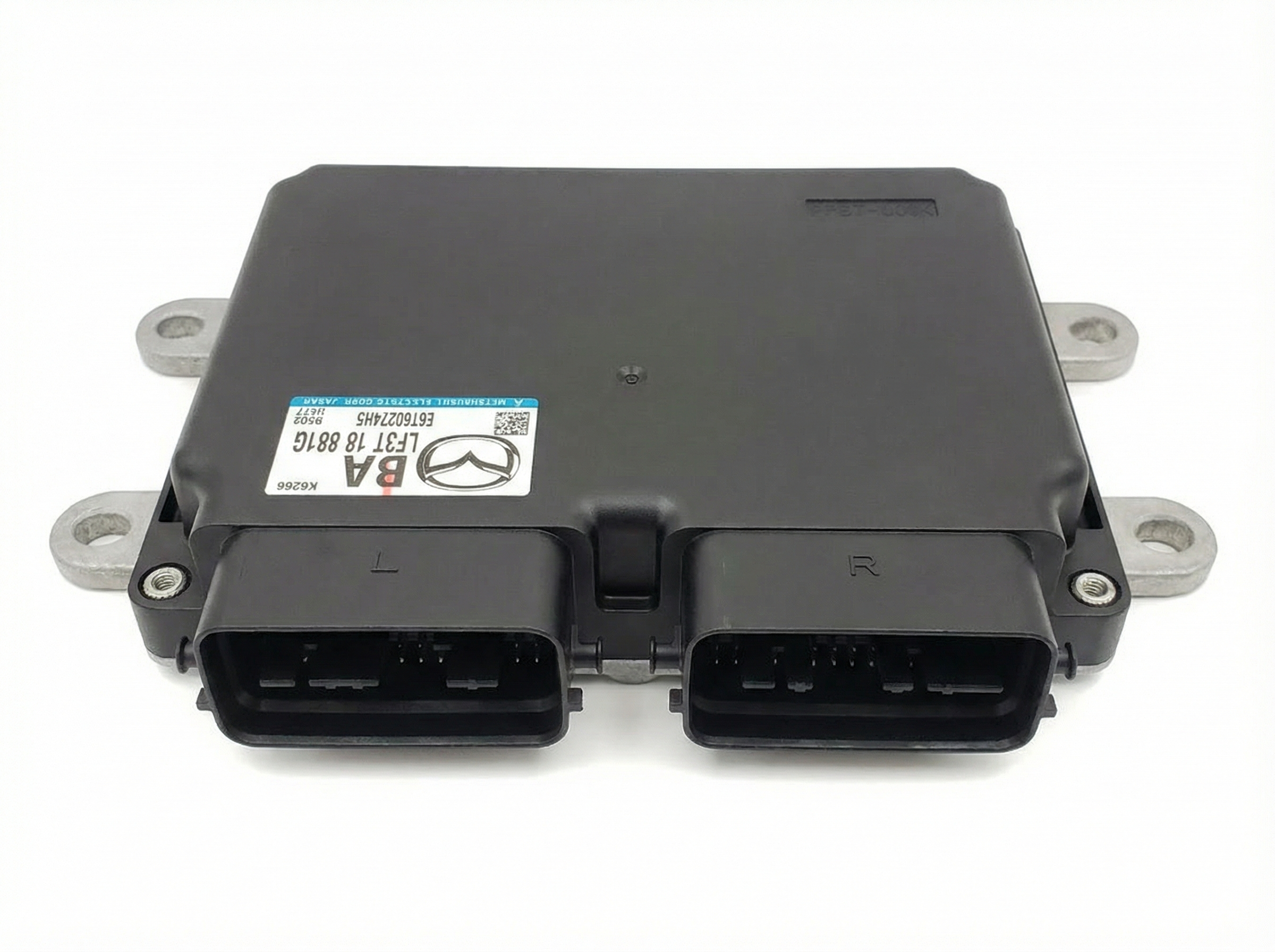
The most important step is to match the part number from your original ECM exactly. The part number is printed on the module's label. For the 2010 Mazda3 with a 2.0L engine and automatic transmission, several compatible part numbers exist, often indicating minor revisions:
- LF3T-18-881C
- LF3T-18-881D
- LF3T-18-881E
- LF3T-18-881F
- LF3T-18-881G
- LF3T-18-881H
While these may be interchangeable, it is always safest to get an exact match. Using an ECM from a vehicle with a different engine (like the 2.5L) or transmission will not work.
2. Programming is NOT Optional
A replacement ECM, whether new or used, must be programmed to your car. The ECM is linked to the immobilizer system, which prevents theft by ensuring the module only works with your specific keys. Without programming, the car will not start.
Warning: A used ECM will not be 'plug and play'. It contains the VIN and key data from its donor vehicle. It must be reprogrammed to your vehicle's VIN and have your keys relearned to it.
3. Who Can Program the Replacement ECM?
- Mazda Dealership: The dealer has the factory tools (Mazda IDS) and software access to perform the programming. This is the most reliable, but also the most expensive, option.
- Independent Repair Shop: Many professional shops have advanced diagnostic tools (like Autel or Snap-on) and a J2534 pass-thru device with a subscription to Mazda's software, allowing them to program modules.
- Automotive Locksmith: Some well-equipped locksmiths have the tools to program keys and perform the immobilizer relearn procedure required when an ECM is swapped. This can be a cost-effective option, especially if you need the vehicle towed.
4. Physical Inspection Checklist
When buying a used ECM, inspect it carefully:
- Check for Corrosion: The ECM is located under the battery tray, making it susceptible to damage from leaking battery acid. Look for any white, crusty residue on the case or connectors.
- Inspect the Connectors: Ensure all pins are straight and clean. Bent or damaged pins will prevent it from working.
- Look for Signs of Tampering: Check if the case has been pried open. This could indicate a failed repair attempt.
Replacement Cost Breakdown
The cost to replace the ECM can vary widely based on the part source and labor rates.
| Item | Estimated Cost |
|---|---|
| New OEM (Dealer) | $615 - $1,120 |
| Remanufactured | $250 - $350 |
| Used OEM | $75 - $175 |
| Shop Labor (Replacement & Programming) | $150 - $400 |
Frequently Asked Questions (FAQ)
Where is the ECM located on a 2010 Mazda3?
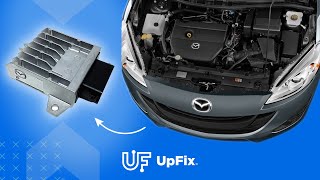
The ECM is located in the engine bay, underneath the battery and battery tray. To access it, you must first remove the battery and then the plastic battery box. 🎬 Watch: Step-by-step guide to removing your Mazda3 ECM. The ECM is bolted near the firewall.
Can I drive my car with a failing ECM?
It is not recommended. Depending on the failure mode, you could experience sudden stalling, which is a major safety risk, especially in traffic. Other symptoms like poor performance and bad fuel economy will only get worse. If the car won't start, you won't be able to drive it at all.
Do I need to take my car to the dealer for programming?
Not necessarily. While a Mazda dealer can always perform the programming, many independent auto repair shops and some mobile automotive locksmiths have the necessary equipment to program a replacement ECM and relearn your keys to the vehicle. It is wise to call ahead to confirm they have the capability for a 2010 Mazda3.
What's the difference between the ECM and the TCM?
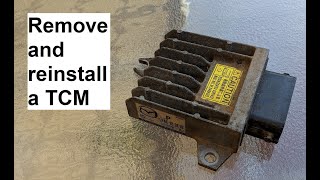
The ECM (Engine Control Module) is the main computer for the engine. The TCM (Transmission Control Module) is a separate computer dedicated to controlling the automatic transmission. On the 2010 Mazda3, these are two different parts, though they communicate constantly. The TCM is located on top of the transmission itself, 🎬 See how to access and replace the TCM. under the ECM and battery box. A failure in the TCM can also cause shifting problems and warning lights.
🎬 Watch: How to locate and repair a faulty TCM.Helpful Videos

Technical Specifications
OEM Part Numbers: LF3T18881C LF3T18881D LF3T18881E LF3T18881F LF3T18881G LF3T18881H LSYM-18-881B
For vehicles with 2.0L engine and automatic transmission. Location: In engine bay, under the battery tray.
We Have This Part in Stock

The information in this article is provided for general reference and educational purposes only. Vehicle specifications, procedures, and part compatibility can vary by production date, trim level, and region. Always consult your vehicle's factory service manual and verify part numbers before purchasing or performing repairs. Safety-critical components such as airbags, seat belts, and braking systems should be installed by a qualified professional.
- Mazda MAZDA3:
- 🎬 Helpful Videos
- 🛍️ Shop This Part
- Symptoms of a Failing 2010 Mazda3 ECM
- Common Diagnostic Trouble Codes (DTCs)
- Known Issues, Recalls, and Technical Service Bulletins (TSBs)
- NHTSA Recall 09V126000: Engine Harness Chafing
- TSB 01-005/13: Engine Cranks But No Start in Cold Weather
- TSB 01-015/16: Check Engine Light with DTC P2096
- Buying a Used 2010 Mazda3 ECM
- 1. Compatibility is Critical: Match Your Part Number
- 2. Programming is NOT Optional
- 3. Who Can Program the Replacement ECM?
- 4. Physical Inspection Checklist
- Replacement Cost Breakdown
- Frequently Asked Questions (FAQ)
- 🎟️ Get 5% Off