

2012-2013 Mazda 3 2.0L ECM: Programming, Failures, and Replacement Guide
A complete guide to diagnosing, replacing, and programming the Engine Control Module on 2012-2013 Mazda 3 models with the 2.0L non-Skyactiv engine.
- This ECM is only for 2012-2013 Mazda 3s with the 2.0L non-Skyactiv engine and 5-speed automatic transmission.
- A replacement ECM MUST be programmed to the car by a dealer or qualified shop with Mazda-specific software; the car will not start without this step.
- Factor in the cost of programming (typically $150-$300) when considering a used ECM.
- Common failure symptoms include a no-start condition, random stalling, poor performance, and a check engine light with codes like P0606 or U0100.
Symptoms of a Failing Mazda 3 ECM
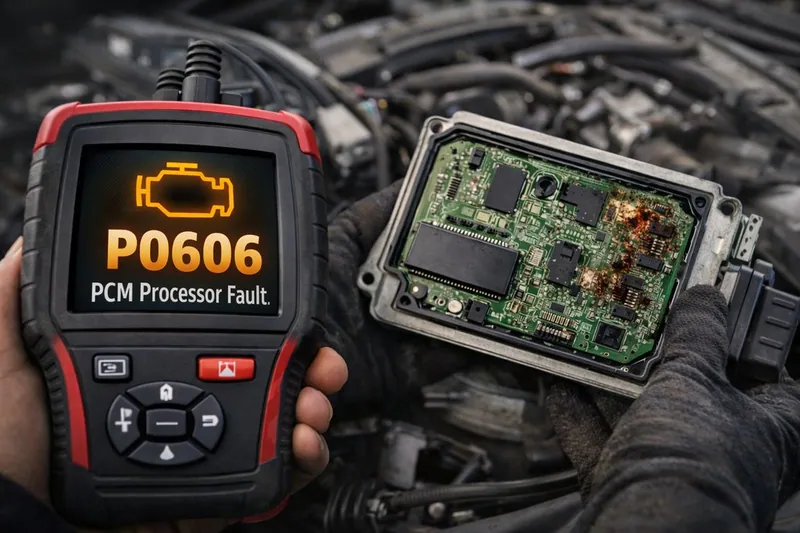
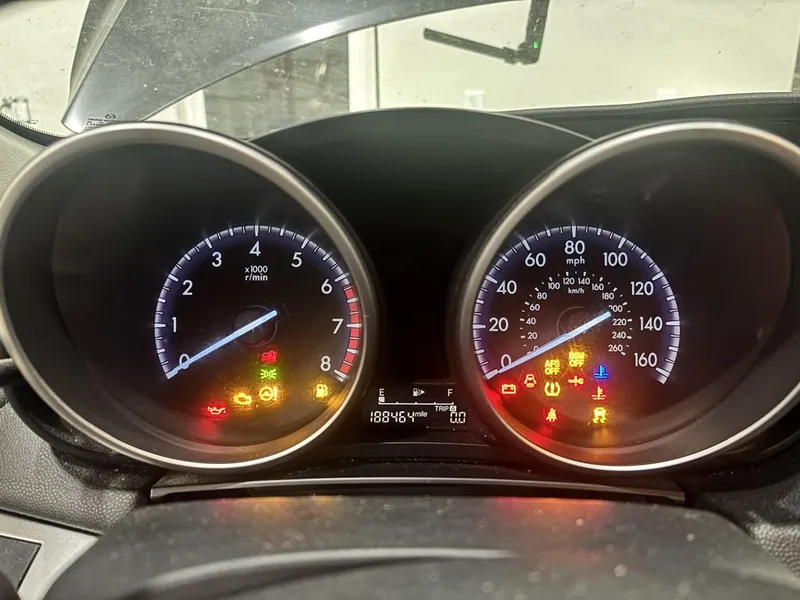
A failing ECM can cause a variety of symptoms, ranging from a simple check engine light to a car that won't start at all. Because the ECM controls so many different systems, its failure can sometimes be misdiagnosed as a problem with another component.
🎬 Watch: 5 common signs your Mazda's ECM is failing- Check Engine Light: This is the most common symptom. The light may be steady or, in cases of severe misfires, flashing.
- Engine Performance Issues: You may experience rough idling, engine stalling, misfires, hesitation during acceleration, or a general loss of power.
- No-Start Condition: The engine may crank but fail to start. This can happen if the ECM is not sending signals to the fuel injectors or ignition coils.
- Poor Fuel Economy: If the ECM is not managing the engine's fuel delivery correctly, you may notice a sudden drop in gas mileage.
- Communication Errors: A failing ECM can lose communication with other modules in the vehicle. This can lead to multiple, seemingly unrelated warning lights on the dashboard and diagnostic codes in the 'U' series (e.g., U0100, U0115).
- Failed Emissions Test: An improperly functioning ECM can lead to incorrect air/fuel mixtures and higher emissions, causing the vehicle to fail an emissions test.
Common Diagnostic Trouble Codes (DTCs)
When the ECM detects a problem with itself, it will often store a specific trouble code. An OBD-II scanner can read these codes. While many codes can point to a failed ECM, some of the most direct indicators are in the P0600 range:
- P0600 - P0606: These codes, such as P0606 (ECM/PCM Processor Fault), point directly to an internal failure within the control module.
- U-Series Codes: Codes like U0100 (Lost Communication With ECM/PCM) indicate that other modules on the vehicle can no longer communicate with the engine computer.
Warning: Many other component failures (like a bad sensor or wiring short) can cause symptoms similar to ECM failure. Always perform a thorough diagnosis to rule out other potential causes before condemning the ECM.
Known Issues, TSBs, and Recalls

As of early 2026, there are no specific recalls issued by the National Highway Traffic Safety Administration (NHTSA) for the ECM itself on the 2012-2013 Mazda 3. However, several Technical Service Bulletins (TSBs) have been issued that involve reprogramming the PCM (another name for the ECM) to fix software-related issues.
- TSB 01-004/14: For some 2012-13 Mazda 3 models with the Skyactiv engine, this TSB addresses a check engine light with code P013A:00 (HO2S circuit slow response) by reprogramming the PCM with updated software.
- MSP38 (TSB 01-024/12): This Mazda Service Program for certain 2012 Mazda 3 Skyactiv models addresses rough idle or stalling after long idle periods by reprogramming the PCM.
- TSB for P0128:00: For some 2012-2013 models, a PCM reprogram was issued to correct a false 'Thermostat stuck open' code.
While these TSBs may not apply to the specific non-Skyactiv model this guide covers, they show that Mazda frequently uses software updates to solve drivability problems. This reinforces the need to ensure any replacement ECM is programmed with the latest available software.
Buying a Used Engine Control Module: What You Must Know
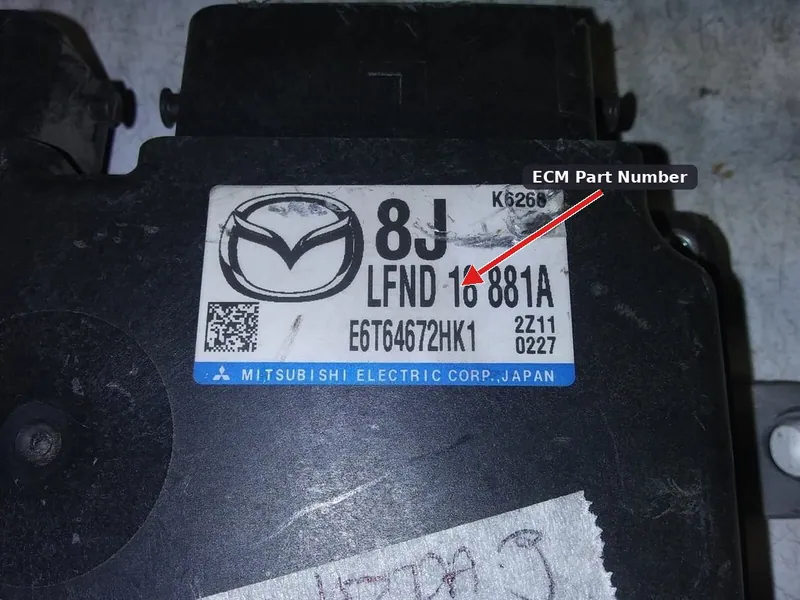
A used OEM ECM is a great way to save money, but there are critical details you must get right. Failure to do so will result in a part that does not work.
1. Compatibility is Critical: Engine, Transmission, and Emissions
This is the most important step. The ECM must be from a vehicle with the exact same configuration.
- Vehicle: 2012-2013 Mazda 3
- Engine: 2.0L non-Skyactiv (VIN 8th digit 'F' or 'G')
- Transmission: 5-speed Automatic Transmission
An ECM from a vehicle with a manual transmission or the Skyactiv engine will not work. You must also match the emissions type. Part numbers beginning with 'LFND' are for California emissions vehicles, while 'LFJE' are for Federal emissions. Check the emissions label under your vehicle's hood to be sure.
2. Part Number Matching
Always verify the part number on your original ECM matches the one you are buying. The part number is printed on a white label on the module's case. The part numbers covered in this guide are:
- LFJE18881
- LFJE18881A
- LFJE18881B
- LFND18881
- LFND18881A
- LFND18881B
Letters at the end of the part number often indicate minor revisions, and later letters (like 'B') can often replace earlier ones (like 'A'). When in doubt, match the number exactly.
Warning: A replacement ECM absolutely MUST be programmed to your vehicle. The car will not start or run correctly until this is done. This is not a 'plug and play' part.
3. The #1 Issue: Programming and Immobilizer
Once installed, a used ECM must be programmed to your car. This process syncs the module to your vehicle's Vehicle Identification Number (VIN) and, most importantly, to the immobilizer system. The immobilizer is an anti-theft system that prevents the engine from starting unless it recognizes a properly coded key.
🎬 See how the Mazda immobilizer system works with your keys- Will the car start after I install it? No. The immobilizer system in the replacement ECM will not recognize your keys, and the car will crank but not start.
- Who can program it? A Mazda dealership is the most reliable option, as they have the proprietary Mazda Diagnostic System (MDS) software required. Some professional independent shops or automotive locksmiths with advanced, dealer-level scan tools may also be able to perform the programming.
- What is the process? A technician connects the scan tool to the vehicle, downloads the correct software from Mazda based on your VIN, and then performs a key registration or 'parameter reset' to teach the new ECM to accept your existing keys.
Pro Tip: Before buying a used ECM, call local dealerships or qualified locksmiths to confirm they are willing and able to program a customer-supplied used module and ask for a price quote. Some may refuse or charge a premium.
4. Physical Inspection
When you receive the used ECM, inspect it carefully. Look for signs of water damage (corrosion on the case or pins), physical damage (cracked case, bent pins), or evidence that the case has been opened, which could indicate a failed repair attempt.
Cost Breakdown for ECM Replacement
The cost can vary significantly depending on the path you choose. Remember to factor in the mandatory programming cost.
| Part Type | Estimated Part Cost |
|---|---|
| New OEM | $1,100 - $1,250 |
| Remanufactured | $250 - $550 |
| Used OEM | $75 - $200 |
| Shop Labor (Installation & Programming) | $200 - $450 |
Note: Labor costs typically include 1-1.5 hours for physical installation and another 1-1.5 hours for programming and key relearn procedures.
Frequently Asked Questions (FAQ)
Do I absolutely have to program a used ECM?
Yes, 100%. The vehicle will not start without programming 🎬 Watch this guide on resetting the Mazda anti-theft system the replacement ECM to your car's immobilizer system. This is a mandatory step.
Can I program the ECM myself?
For the average DIY mechanic, the answer is no. Programming requires expensive, proprietary tools like the Mazda MDS or high-end professional scan tools, along with a subscription to access the necessary software files from Mazda.
My mechanic says I need a new wiring harness too. Is that common?
It can be. The primary cause of ECM failure is often external. Water intrusion or corrosion can damage the connector pins on both the ECM and the wiring harness that plugs into it. If the harness connectors are corroded or damaged, they must be repaired or replaced along with the ECM to ensure a lasting fix.
What's the difference between an ECM, PCM, and ECU?
For this vehicle, the terms are often used interchangeably. ECM (Engine Control Module), ECU (Engine Control Unit), and PCM (Powertrain Control Module) all refer to the same computer that controls the engine. PCM is technically the most accurate term as it also manages the automatic transmission.
Helpful Videos

Technical Specifications
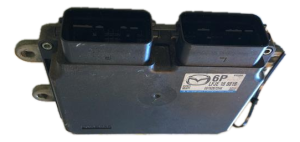
OEM Part Numbers: LFJE18881 LFJE18881A LFJE18881B LFND18881 LFND18881A LFND18881B
Fits 2012-2013 Mazda 3 with 2.0L non-Skyactiv engine and 5-speed automatic transmission. Located mounted by the battery.
We Have This Part in Stock

The information in this article is provided for general reference and educational purposes only. Vehicle specifications, procedures, and part compatibility can vary by production date, trim level, and region. Always consult your vehicle's factory service manual and verify part numbers before purchasing or performing repairs. Safety-critical components such as airbags, seat belts, and braking systems should be installed by a qualified professional.
- Mazda MAZDA3:
- 🎬 Helpful Videos
- 🛍️ Shop This Part
- Symptoms of a Failing Mazda 3 ECM
- Common Diagnostic Trouble Codes (DTCs)
- Known Issues, TSBs, and Recalls
- Buying a Used Engine Control Module: What You Must Know
- 1. Compatibility is Critical: Engine, Transmission, and Emissions
- 2. Part Number Matching
- 3. The #1 Issue: Programming and Immobilizer
- 4. Physical Inspection
- Cost Breakdown for ECM Replacement
- Frequently Asked Questions (FAQ)
- 🎟️ Get 5% Off