

2009 Nissan Altima ECM: A Guide to Failure Symptoms, Recalls, and Replacement Programming
This in-depth guide covers the common problems, programming requirements, and replacement costs for the 2009 Nissan Altima 2.5L Engine Control Module.
- Programming is mandatory. A replacement ECM will not start the car until it is programmed to the vehicle's anti-theft system by a dealer or a properly equipped shop.
- Compatibility is critical. The ECM must be for a 2009 Altima with a 2.5L engine, automatic (CVT) transmission, and Federal emissions.
- Part numbers must match. Always verify that the part number on the replacement ECM matches your original module.
- A recall may apply. Check if your vehicle is covered by Nissan's voluntary emissions recall (PC130) for a free ECM reprogram.
Symptoms of a Failing 2009 Nissan Altima ECM
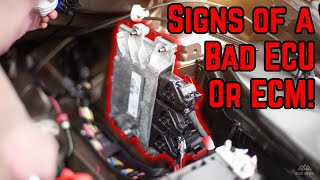
A failing Engine Control Module can cause a wide range of problems, from minor annoyances to critical failures that prevent the vehicle from starting. Because the ECM controls so many different systems, symptoms can often be mistaken for other issues. 🎬 Watch: Common signs and symptoms of a failing ECM Diagnosis often involves ruling out other potential causes like bad sensors or wiring first.
- Check Engine Light: An illuminated Check Engine Light is one of the most common signs of an ECM-related issue. If the light stays on consistently and other potential causes have been ruled out, the ECM could be the culprit.
- Engine Stalling or Misfiring: The engine may stall unexpectedly, misfire, or run rough. This can be due to the ECM failing to properly regulate the air-fuel mixture or ignition timing.
- Car Won't Start: A complete failure of the ECM can result in a no-start condition where the engine cranks but will not turn over. This happens because the ECM is not sending the correct signals to the fuel injectors or ignition coils.
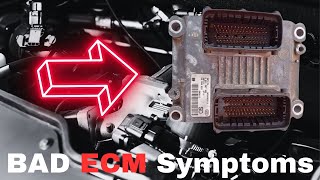
- Poor Engine Performance: You might notice a sudden loss of power, hesitation during acceleration, or a significant drop in fuel economy. 🎬 See more examples of how a bad ECM affects performance
- Transmission Shifting Problems: The ECM communicates with the Transmission Control Module (TCM). A faulty ECM can send incorrect data, leading to rough or erratic shifting.
Known Issues, TSBs, and Recalls
For the 2009 Nissan Altima, there is a significant voluntary emissions recall campaign that involves the ECM.
Voluntary Emissions Recall PC130
Nissan identified that some 2009 Altima models were built with an improperly calibrated ECM. This calibration error could cause the system to incorrectly interpret normal engine valve closure as engine knock. This issue could lead to minor drivability problems and a slight decrease in fuel economy. To fix this, Nissan dealers will reprogram the ECM at no charge. For vehicles with over 50,000 miles, the recall service also includes replacing the exhaust manifold. There are no other major safety recalls directly related to the Engine Control Module for this vehicle.
Compatibility Warning: This ECM is specifically for 2009 Nissan Altima models with a 2.5L engine, automatic (CVT) transmission, and Federal emissions. It is not compatible with Hybrid models or vehicles with California emissions. Always verify the emissions standard of your vehicle by checking the sticker under the hood before purchasing a replacement.
Programming and Immobilizer Information
This is the most critical step of replacing the ECM. A replacement ECM, whether new or used, must be programmed to the vehicle. The 2009 Altima is equipped with the Nissan Anti-Theft System (NATS), which prevents the engine from starting unless the key, immobilizer unit, and ECM are all registered to each other. After installing a different ECM, the car will not start until this registration process, also called C/U initialization, is completed.
Who Can Program the ECM?
- Nissan Dealerships: Dealers have the proprietary CONSULT-II or CONSULT-III diagnostic tool required for this procedure.
- Automotive Locksmiths & Independent Shops: Many professional locksmiths and well-equipped independent repair shops have advanced aftermarket tools (like Autel or Launch scanners) or J2534 pass-thru devices that can perform the necessary key and module programming for Nissan vehicles. However, it's essential to confirm they have the specific capability for a 2009 Nissan Altima before proceeding.
Pro Tip: Some online retailers sell remanufactured or used ECMs that are pre-programmed to your vehicle's VIN. You provide your VIN at the time of purchase, and they flash the module before shipping it. This can make the unit "plug and play," potentially avoiding a separate trip for programming. However, a key registration procedure may still be required.
Buying a Used 2009 Altima ECM
Purchasing a used OEM ECM can be a cost-effective solution, but careful verification is essential.
- Match the Part Number Exactly: The most important step is to match the OEM part number from your original module to the used one. Common part numbers for this vehicle include 23710-ZN65B, 23710ZN65A, MEC120180B1, and MEC120181A1. The number is printed on a sticker on the ECM's case.
- Verify Compatibility: Double-check that the donor vehicle had the same configuration: 2.5L engine, automatic (CVT) transmission, and Federal emissions. An ECM from a California emissions vehicle or a Hybrid model will not work.
- Inspect for Damage: When you receive the used ECM, inspect the case for any signs that it has been opened. Check the connector pins for corrosion, moisture, or physical damage.
- Budget for Programming: Remember that installing a used ECM is not the final step. You must have the module programmed to your car's immobilizer system, so factor this cost into your budget.
Cost Breakdown
The cost to replace a 2009 Altima ECM can vary significantly based on the part source and labor rates.
| Item | Estimated Cost |
|---|---|
| New OEM | $800 - $1,500 |
| Remanufactured | $200 - $400 |
| Used OEM | $30 - $75 |
| Shop Labor (Installation & Programming) | $150 - $300 |
Frequently Asked Questions (FAQ)
Does a used 2009 Altima ECM need to be programmed?
Yes, absolutely. Due to the Nissan Anti-Theft System (NATS), any replacement ECM must be electronically registered to the vehicle's keys and immobilizer system before the engine will start. This requires specialized diagnostic tools.
Will my car start right after I install a used ECM?
No, it will not. The engine will crank, but the NATS immobilizer will prevent it from starting until the programming and initialization procedure is completed by a dealer or qualified shop.
Where is the ECM located on a 2009 Nissan Altima?
The ECM is typically located in the engine bay, near the firewall on the passenger side, or behind the glove box. You will need to remove plastic covers or the glove box assembly to access it.
Can I use an ECM from a California emissions car in my Federal emissions car?
No. The hardware and software calibrations for Federal and California emissions standards are different. Using the wrong type of ECM will likely cause performance issues, trigger a Check Engine Light, and cause the vehicle to fail an emissions test.
Helpful Videos
Technical Specifications
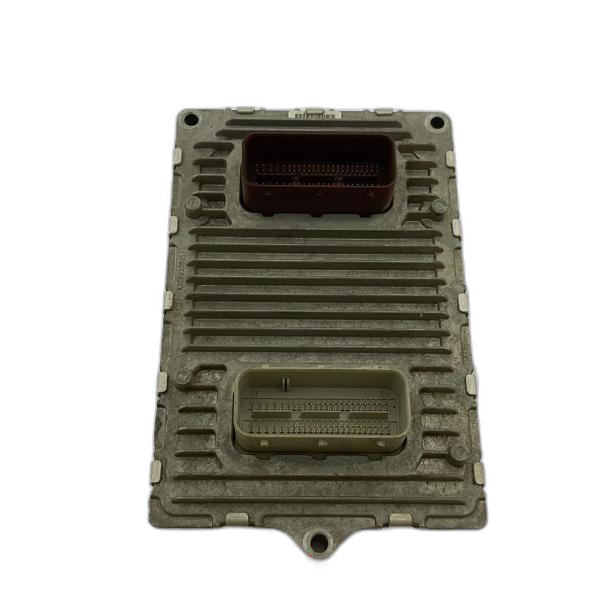
OEM Part Numbers: 23710-ZN65B 23710ZN65A MEC120180B1 MEC120181A1
For 2.5L Engine (QR25DE), Automatic (CVT) Transmission, Federal Emissions only.
We Have This Part in Stock

The information in this article is provided for general reference and educational purposes only. Vehicle specifications, procedures, and part compatibility can vary by production date, trim level, and region. Always consult your vehicle's factory service manual and verify part numbers before purchasing or performing repairs. Safety-critical components such as airbags, seat belts, and braking systems should be installed by a qualified professional.
- Nissan Altima:
- 🎬 Helpful Videos
- 🛍️ Shop This Part
- Symptoms of a Failing 2009 Nissan Altima ECM
- Known Issues, TSBs, and Recalls
- Voluntary Emissions Recall PC130
- Programming and Immobilizer Information
- Who Can Program the ECM?
- Buying a Used 2009 Altima ECM
- Cost Breakdown
- Frequently Asked Questions (FAQ)
- 🎟️ Get 5% Off