

2006 Nissan Quest ECM: Solving Stalls, Water Damage, and Programming Puzzles
This in-depth guide covers the common failure points, programming requirements, and replacement costs for the 2006 Nissan Quest Engine Control Module.
- The ECM is located under the passenger-side cowl and is extremely prone to water damage and rust, which is a primary cause of failure.
- A replacement ECM (new or used) is NOT plug-and-play. It requires programming by a dealer or qualified locksmith to register the VIN and all vehicle keys to avoid a no-start condition.
- A recall (Nissan R0606) was issued for an ECM software glitch that could cause the engine to stall at low speeds; the fix is a dealer reprogram.
- If you send your original ECM out for repair instead of replacing it, you can often avoid the need for expensive key programming.
Known Issue: Water Damage and Corrosion
Warning: The ECM in the 2004-2009 Nissan Quest is highly susceptible to water damage due to a design flaw. It is located in the engine compartment directly under the passenger-side windshield cowl grate. Water, snow, and road salt can drain directly onto the ECM's metal case, causing severe rust and corrosion over time. This can lead to water intrusion and complete failure of the module, often resulting in an expensive repair. It is highly recommended to periodically inspect the ECM for any signs of rust or moisture and to ensure the cowl drains are clear.
🎬 Watch: How to check and prevent your ECM from rusting.Symptoms of a Failing 2006 Quest ECM
A failing ECM can produce a variety of symptoms, from a simple check engine light to a vehicle that won't start at all. Because the ECM controls so many systems, symptoms can sometimes be mistaken for other problems.
- Engine Stalling or Shutting Off: The engine may stall unexpectedly, especially at low speeds. This was the subject of a Nissan recall campaign (R0606) where the ECM logic would misinterpret a brief signal loss from the crankshaft position sensor, causing the engine to stop without warning.
- No-Start Condition: The engine may crank but refuse to start. This can be due 🎬 See this walkthrough for fixing a Quest that won't start. to the ECM not commanding spark or fuel, or because of an immobilizer issue.
- Check Engine Light: An illuminated Check Engine Light is a common symptom. Codes specifically pointing to internal ECM failure include P0601 (Internal Control Module Memory Check Sum Error) and P0605 (Internal Control Module Read Only Memory Error). However, the ECM can also falsely trigger codes for other sensors.
- Poor Engine Performance: You may experience reduced power, hesitation on acceleration, rough idling, engine misfires, or a sudden drop in fuel economy.
- Loss of Acceleration: A user on a public forum reported an issue where the gas pedal would become unresponsive, which was later diagnosed with codes P2100 and P2101, related to the electronic throttle control (ETC) system managed by the ECM.
- Shifting Problems: The ECM communicates with the transmission control module, so a faulty ECM can lead to harsh or erratic shifting.
Recall and Technical Service Bulletins (TSBs)
NHTSA Recall R0606 (NHTSA #06V432000)
Nissan issued a voluntary safety recall in 2006 for an issue where the engine could stall at low speeds. The problem was traced to the ECM's programming logic for interpreting the crankshaft position sensor signal. The official remedy was to have a Nissan dealer reprogram the ECM with updated software. This service was performed free of charge. If you are experiencing random stalling, it is worth checking with a Nissan dealer to see if this recall action was performed on your vehicle.
Emissions Test Readiness (NTB15-055)
A Nissan TSB notes that after an ECM is reprogrammed, the vehicle may need to idle for up to 22 minutes. This allows the module to calculate a new Calibration Verification Number (CVN), which is required to pass most state emissions tests. If you have your ECM replaced or reprogrammed, be sure to perform this idle period before heading to an inspection station.
Buying a Used Engine Control Module
Given the high cost of a new OEM module, a used ECM from a reputable recycler is often the most practical solution. However, there are critical factors to consider.
1. Match the Part Number EXACTLY
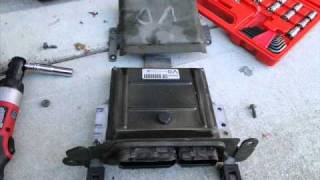
The part number on your replacement ECM must be an exact match to the one in your vehicle. The primary OEM part number for the 2006 Quest is 23710-ZM01A, which supersedes the older part number 23710-ZM01B. Using an ECM with a different part number will likely result in compatibility issues or a no-start condition.
2. Inspect for Physical Damage
When buying a used unit, physically inspect it for signs of the common water damage issue. Look for rust, corrosion, or water stains on the metal case and around the connectors. Avoid any module that shows signs of moisture intrusion.
3. Budget for Programming
A used ECM is NOT a plug-and-play part. It must be programmed to your vehicle's VIN and have your existing keys registered to it. Factoring in the cost of programming is essential when deciding between new, used, or remanufactured options.
4. Why Used OEM is Often a Good Choice
Unlike mechanical parts, an electronic module like an ECM does not wear out with mileage. Its functionality is identical to a new one, provided it is undamaged. A used OEM unit that has been tested and inspected is a reliable way to save 50-80% compared to a new part from the dealer.
Programming, Keys, and the NATS Immobilizer
Critical: You cannot simply swap the ECM on a 2006 Nissan Quest and expect the car to start. The ECM is a core component of the Nissan Anti-Theft System (NATS). A replacement ECM will not recognize your keys, and the immobilizer will prevent the engine from starting.
After physical installation, the following procedures must be performed by a Nissan dealer or a qualified independent shop with a dealer-level scan tool (like Nissan CONSULT or a high-end Autel/Launch scanner):
🎬 Watch: How to program an ECM swap and write the VIN.- Control Unit Initialization: The new ECM must be initialized to the vehicle.
- VIN Registration: Your vehicle's 17-digit VIN must be written to the replacement ECM.
- Key Registration: All of your vehicle's keys (including spares) must be re-registered to the new ECM at the same time. Any key not present during this process will be erased from the system and will no longer start the car.
Pro Tip: While a dealer is the most certain option for programming, many automotive locksmiths and some independent repair shops have the necessary tools to perform the NATS key registration and can often do so at a lower cost. It is wise to call ahead and confirm they can program an ECM for a 2006 Nissan Quest.
Replacement Cost Comparison
The cost of resolving an ECM issue can vary widely based on the path you choose. Programming costs are separate and typically add $100 - $250 to the total.
| Part Type | Estimated Cost |
|---|---|
| New OEM (Dealer) | $1,200 - $1,600 |
| Remanufactured | $200 - $500 |
| Used OEM (Salvage) | $75 - $250 |
| Shop Labor (Physical Swap) | $100 - $175 |
| Shop Labor (Programming) | $100 - $250 |
Frequently Asked Questions (FAQ)
Can I drive my 2006 Quest with a bad ECM?
It is not recommended. Depending on the failure mode, you could experience sudden stalling in traffic, which is a serious safety risk. If the vehicle is running poorly, you also risk damaging other components like the catalytic converter. If the ECM has failed completely, the vehicle will not start at all.
Is the ECM covered under the emissions warranty?
The Federal Emissions Warranty for a 2006 vehicle's ECM was 8 years or 80,000 miles, whichever came first. As of now, all 2006 Quests are well beyond this warranty period. Some owners have reported that Nissan has denied warranty claims for ECM failure caused by rust, as the warranty may not cover damage from external environmental factors.
Where is the ECM located on the 2006 Nissan Quest?
The ECM is located in the engine bay, on the passenger side, underneath the black plastic windshield cowl cover. You can see it by looking through the grate on the cowl.
Can I just repair my existing ECM?
Yes, repair services are available that can fix common internal failures. If you send your original module for repair, you typically do not need to perform any programming when you reinstall it, as it retains your vehicle's VIN and key data. This can be a cost-effective option that avoids the hassle of key registration.
Helpful Videos
Technical Specifications
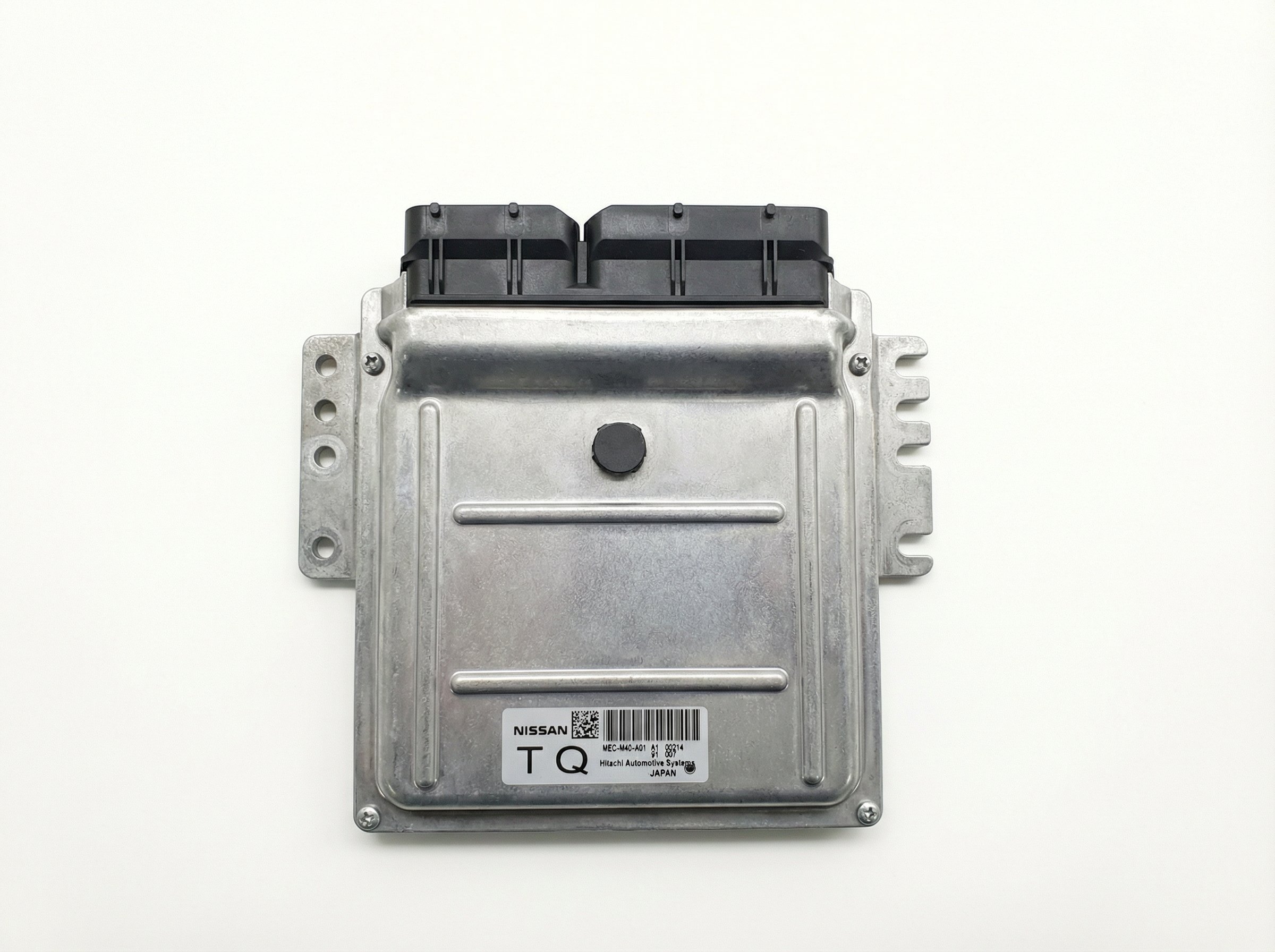
OEM Part Numbers: 23710-ZM01A 23710-ZM01B MEC83-020 B1 MEC83-021 A1
Fits 2006 Nissan Quest with 3.5L V6 engine and 5-speed automatic transmission only.
We Have This Part in Stock

The information in this article is provided for general reference and educational purposes only. Vehicle specifications, procedures, and part compatibility can vary by production date, trim level, and region. Always consult your vehicle's factory service manual and verify part numbers before purchasing or performing repairs. Safety-critical components such as airbags, seat belts, and braking systems should be installed by a qualified professional.
- Nissan Quest:
- 🎬 Helpful Videos
- 🛍️ Shop This Part
- Known Issue: Water Damage and Corrosion
- Symptoms of a Failing 2006 Quest ECM
- Recall and Technical Service Bulletins (TSBs)
- NHTSA Recall R0606 (NHTSA #06V432000)
- Emissions Test Readiness (NTB15-055)
- Buying a Used Engine Control Module
- 1. Match the Part Number EXACTLY
- 2. Inspect for Physical Damage
- 3. Budget for Programming
- 4. Why Used OEM is Often a Good Choice
- Programming, Keys, and the NATS Immobilizer
- Replacement Cost Comparison
- Frequently Asked Questions (FAQ)
- 🎟️ Get 5% Off