

2012-2015 Porsche Panamera Hybrid ECM: Decoding Failures, Programming, and Water Damage
This definitive guide covers the critical programming, immobilizer, and water-related issues you'll face when diagnosing or replacing the Engine Control Module in a Panamera S Hybrid or S E-Hybrid.
- This ECM is for the 3.0L Hybrid models only; verify the 5th digit of the VIN is 'D' before buying.
- Programming is ALWAYS required. A used ECM will not work without being cloned or programmed by a dealer/specialist with a Porsche PIWIS tool.
- The primary cause of failure is water damage from clogged plenum drains under the windshield cowl where the ECM is located.
- ECM cloning, where data from your old unit is copied to a used one, is often the most cost-effective solution for a plug-and-play repair.
Symptoms of a Failing ECM
An ECM failure in the Panamera Hybrid can be difficult to diagnose because it can cause a wide variety of symptoms, many of which mimic other component failures. Be aware of the following signs:
- Check Engine Light: This is the most common symptom. A persistent Check Engine Light, especially when accompanied by performance issues, can point to the ECM.
- "Engine Control Fault" Message: The dashboard may display a specific, urgent warning like "Engine Control Fault. Visit workshop." This often puts the car into a reduced-power "limp mode."
- No-Start or Stalling: The vehicle may crank but fail to start, or it may stall unexpectedly while driving. This happens when the ECM cannot properly command the fuel and spark systems.
- Rough Idle and Poor Performance: You may notice erratic idling, engine hesitation, stuttering, or a significant loss of power.
- Hybrid System Faults: A failing ECM can cause communication errors with the hybrid systems, leading to messages like "Hybrid system failure" and preventing the car from starting or using its electric drive.
- Flood of Unrelated Fault Codes: One of the strongest indicators of an internal ECM failure is when a diagnostic scan reveals a long list of seemingly random fault codes for various sensors and systems. This suggests the ECM itself is the source of the errors, not the individual components.
Common diagnostic trouble codes (DTCs) associated with internal ECM failure include P0601, P0603, P0604, and P0605.
Warning: Many of these symptoms can also be caused by simpler issues like a low battery, a faulty sensor, or wiring problems. A professional diagnosis is essential to avoid replacing an expensive ECM unnecessarily.
Known Issues: Water Damage is the Primary Culprit
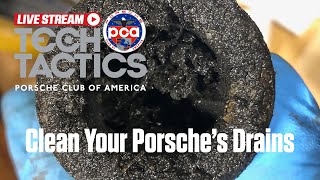
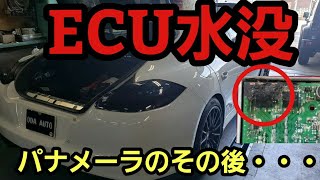
The most significant known issue for the Panamera's ECM is not electronic fragility, but water damage. The ECM is located in the plenum area (water box) under the plastic cowl cover at the base of the windshield on the driver's side. This area is designed to drain water away, but if the drains become clogged with leaves, dirt, and other debris, the plenum can fill with water, submerging the ECM and its connectors.
🎬 Watch: The damage caused when a Panamera ECU is submergedThis design vulnerability is well-documented. Porsche even issued a major recall (NHTSA Campaign ID: 19V401000, Porsche internal code: AKA7) for the A/C blower control unit on 2010-2016 Panameras, which can short circuit due to water intrusion in a similar area, posing a fire risk. While this recall doesn't cover the ECM, it highlights the vehicle's susceptibility to water-related electrical problems. Regular cleaning of the plenum drains is critical 🎬 Watch: How to clear your drain tubes to prevent flooding preventative maintenance for any Panamera owner.
Buying a Used Engine Control Module (ECM)
Due to the high cost of a new ECM, a used OEM unit is a popular choice. However, there are critical steps you must follow to ensure a successful repair.
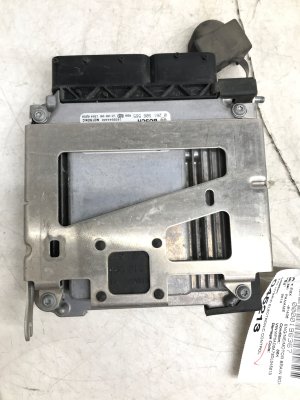
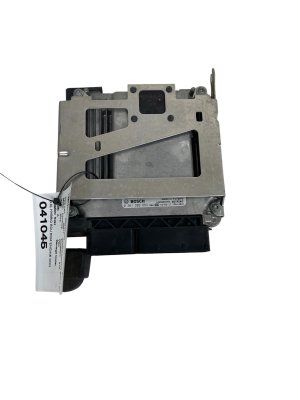
- Match the Part Number EXACTLY: There are several ECM part numbers for this vehicle range. You must match the Bosch and Porsche part numbers on your original module precisely. Verified OEM part numbers include 0261S09663, 7PP915022, 7PP915022H, 97061819700, 970618198, and 97061819801.
- Verify Vehicle Compatibility (VIN Check): This ECM is only for the 3.0L V6 Hybrid models (S Hybrid and S E-Hybrid). It is critical to verify that the 5th digit of your vehicle's VIN is 'D' to ensure compatibility. This character in the VIN identifies the engine type.
- Physical Inspection: When you receive the used module, inspect it carefully for any signs of physical damage, especially corrosion on the case or pins. Green or white crusty residue is a clear sign of water damage, and you should not install the part.
- Understand Programming Requirements: A used ECM is NOT a plug-and-play part. It must be programmed to your vehicle's specific VIN and immobilizer system. Factor the cost of programming into your budget.
Replacement and Programming: Not a DIY Job
While physically swapping the ECM is straightforward for a mechanic, making it work is a complex task that requires specialized tools and knowledge. The ECM is a core component of the vehicle's anti-theft and immobilizer system.
Critical: You cannot simply install a used ECM and expect the car to start. The immobilizer will prevent the engine from running. The module MUST be programmed.
You have three main options for replacement:
- Porsche Dealership: The dealer will install a new ECM and program it using the proprietary Porsche PIWIS Tester. This is the most expensive but most reliable option.
- ECM Cloning Service: This is often the best option when using a recycled part. You send your original (faulty) ECM and the replacement (used) ECM to a specialized electronics repair service. They will extract the VIN, immobilizer data, and key information from your old module and "clone" it onto the replacement unit. The returned module is then plug-and-play, requiring no further programming. 🎬 See how specialists clone a Porsche ECU for a replacement
- Independent Specialist: A qualified independent Porsche specialist with an official PIWIS tool and an online subscription (PPN) can program a used module to your car. This process, often called "commissioning," teaches the car's immobilizer system to accept the new ECM.
Cost Comparison
| Service/Part | Estimated Cost |
|---|---|
| New OEM ECM (Part Only) | $2,200 - $3,000 |
| Used OEM ECM (Part Only) | $250 - $850 |
| ECM Cloning/Repair Service | $200 - $500 |
| Shop Labor (Physical Swap) | $150 - $300 (1-2 hours) |
| Dealer Programming Labor | $300 - $600+ |
Frequently Asked Questions (FAQ)
Can I drive my car with a failing ECM?
It is not recommended. Depending on the failure mode, the vehicle may stall unexpectedly, enter a low-power limp mode, or fail to start at all, leaving you stranded. An unpredictable engine is a major safety risk.
Why is the 5th digit of the VIN so important?
The Vehicle Identification Number (VIN) is a standardized code. For these Porsches, the 5th character identifies the specific engine installed at the factory. Ensuring it is a 'D' confirms the vehicle is a Hybrid model that uses this specific ECM, preventing the purchase of an incompatible part from a non-hybrid Panamera.
Can my regular mechanic replace my Panamera's ECM?
While most mechanics can physically swap the module, very few have the expensive, specialized Porsche PIWIS diagnostic tool required to program it. Unless they can facilitate an ECM cloning service, this job is best left to a Porsche dealer or a dedicated Porsche independent specialist.
What is ECM cloning?
Cloning is a process where a specialist service reads the unique data—including the VIN, security codes, and key information—from your original ECM and writes it onto a replacement (used) module. This makes the replacement module an exact digital copy of the original, allowing it to work in your car without any additional programming from a dealer.
Helpful Videos
Technical Specifications
OEM Part Numbers: 0261S09663 7PP915022 7PP915022H 97061819700 970618198 97061819801
Bosch Motronic MED17.1.1
We Have This Part in Stock

The information in this article is provided for general reference and educational purposes only. Vehicle specifications, procedures, and part compatibility can vary by production date, trim level, and region. Always consult your vehicle's factory service manual and verify part numbers before purchasing or performing repairs. Safety-critical components such as airbags, seat belts, and braking systems should be installed by a qualified professional.
- Porsche Panamera: