

2016 Subaru Forester ECM: Programming, Problems, and Replacement Guide
This guide covers common failure symptoms, replacement costs, and the critical programming requirements for the 2016 Subaru Forester Engine Control Module.
- A replacement ECM, new or used, MUST be programmed to your vehicle's VIN and immobilizer system by a dealer or qualified shop to function.
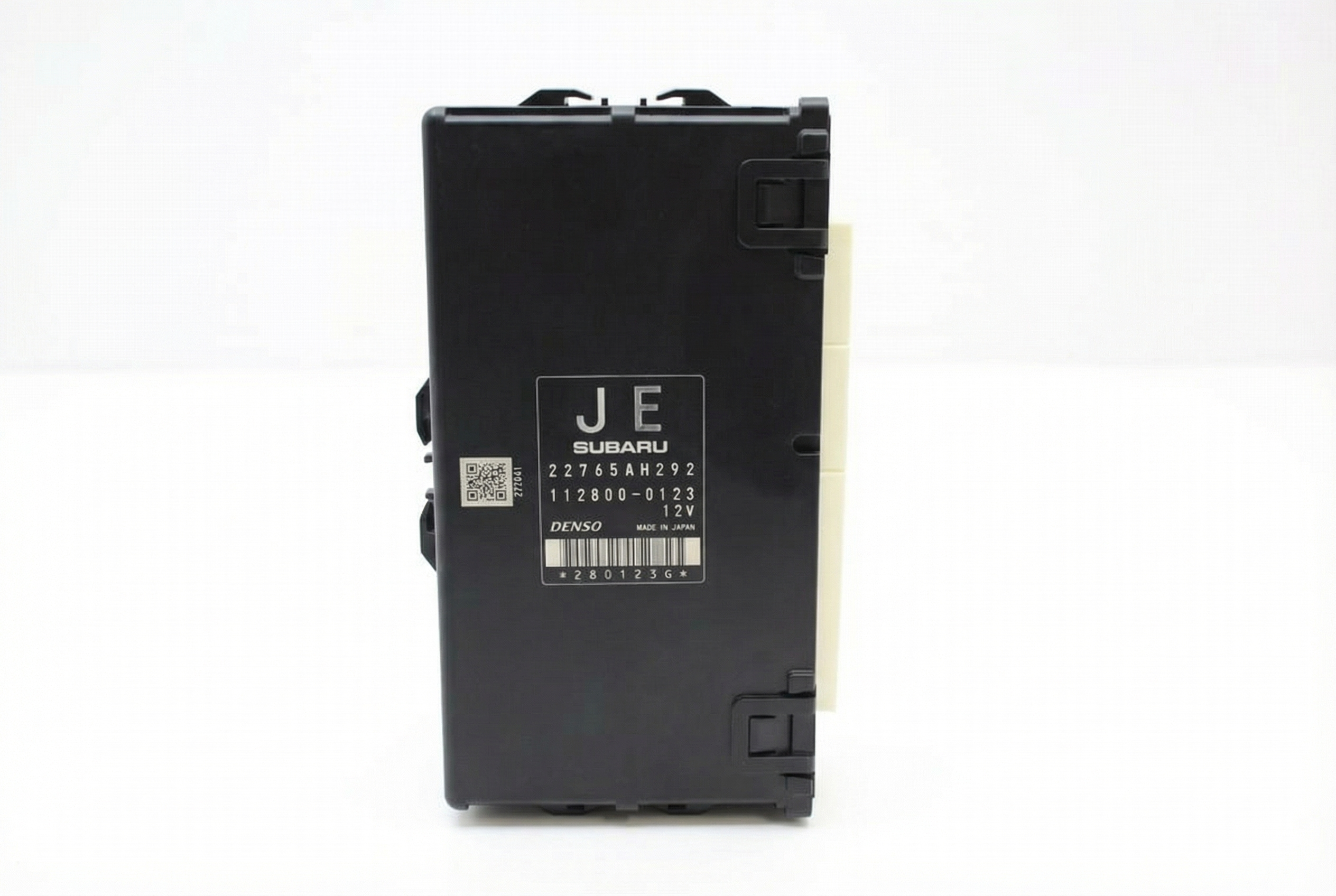
- Always match the OEM part number exactly. For the 2016 Forester (non-turbo/auto), this includes 22765AH290, 22765AH291, 22765AH292, and the superseding part 22765AH295.
- Some performance issues like rough idle or surging may be fixed with a software update (reflash) from a dealer, as detailed in Subaru TSBs 11-169-16 and 11-161-16.
- Symptoms of a failing ECM can mimic other problems; always rule out simpler issues like sensors or wiring before replacing the expensive module.
Symptoms of a Failing ECM in a 2016 Subaru Forester
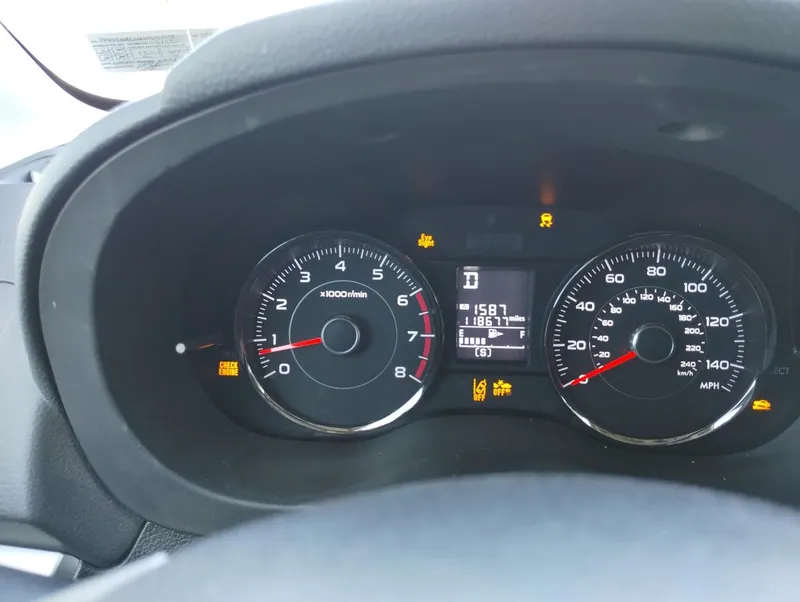
A failing Engine Control Module can cause a wide range of confusing and often intermittent problems. Because the ECM controls so many different systems, symptoms can be varied and sometimes mimic other, less serious issues. If you notice any of the following, the ECM could be a potential cause.
🎬 Watch: Symptoms of a bad ECM you should not ignore.- Check Engine Light: The most common symptom is an illuminated Check Engine Light. A failing ECM may set a variety of codes, sometimes for sensors that are actually working correctly. Codes like P0600, P0601, P0604, or P0606 are strong indicators of an internal ECM fault.
- Engine Performance Issues: You may experience engine hesitation, stuttering, misfires, or a sudden loss of power. This can be due to the ECM failing to correctly manage the air-fuel mixture or ignition timing.
- Rough or Unstable Idle: The engine may idle erratically, or stall when coming to a stop. This can be particularly noticeable after the engine has warmed up.
- Car Won't Start: A completely failed ECM can prevent the engine from starting at all. The engine may crank but not fire, or there may be no crank at all.
- Poor Fuel Economy: A sudden, unexplained drop in gas mileage can be a sign that the ECM is no longer managing the engine's fuel delivery efficiently.
- Multiple Warning Lights: In some cases, a failing ECM can cause other warning lights, like the Vehicle Dynamics Control (VDC) and Hill Start Assist lights, to illuminate along with the Check Engine Light.
Known Issues, TSBs, and Recalls
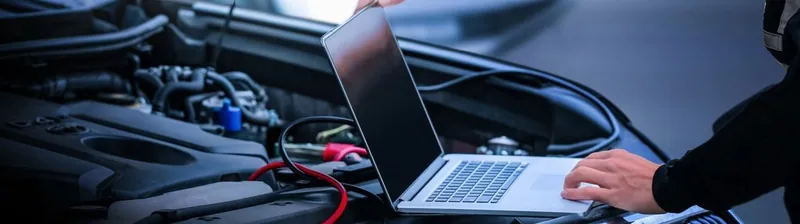
While there are no specific recalls for the ECM itself on the 2016 Forester, Subaru has issued several Technical Service Bulletins (TSBs) that involve reprogramming the module to fix performance issues.
- TSB 11-169-16: For 2016 Forester turbo models, this TSB addresses issues of spark knock (pinging), surging on acceleration, and Check Engine Light illumination for codes P2270 and/or P0137. The fix is an ECM software update.
- TSB 11-161-16: This bulletin provides new reprogramming files to fix a rough idle after a warm engine restart, which could in rare cases also store a P0300 misfire code. This logic was incorporated into new vehicles during the 2016 model year production.
- Recall WTA-62 (NHTSA ID 16V162): While not an ECM recall, it's relevant for 2015-2016 Forester 2.0XT (turbo) models. A cracking turbocharger air intake duct could cause a rough idle, power loss, and stalling. These symptoms can be mistaken for an ECM problem.
Important: Many drivability issues can be caused by software glitches that can be resolved with a simple reflash or update by a dealership, as outlined in the TSBs above. Always investigate the possibility of a software update before replacing the entire module.
Buying a Used Engine Control Module (ECM)
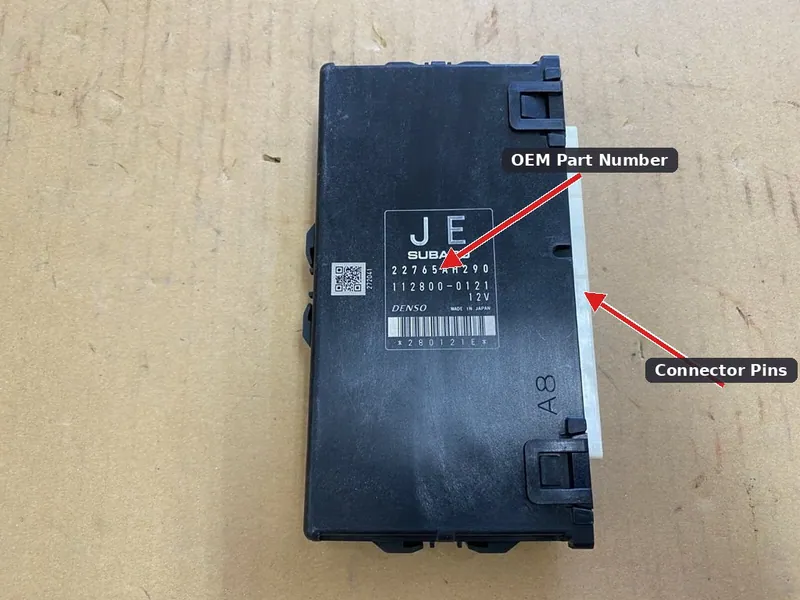
Purchasing a used OEM ECM is a cost-effective way to get your Forester back on the road. However, because this is a complex electronic component tied to your vehicle's security system, there are critical factors to consider.
- Part Number Match is CRITICAL: You MUST match the part number on your original ECM exactly. Even a single digit difference can mean the part is for a different transmission, emissions system, or feature set, and it will not work. The primary OEM part numbers for the 2016 Forester (non-turbo, automatic transmission) are 22765AH290, 22765AH291, and 22765AH292. The number 22765AH295 is a later replacement that supersedes the earlier versions.
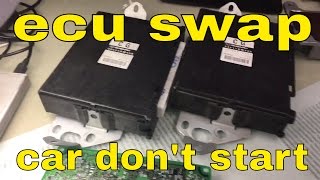
- Physical Inspection: When you receive the used ECM, inspect it for any signs of physical damage, corrosion on the pins, or evidence of water intrusion. 🎬 See this walkthrough on how to swap a Subaru ECU. The case should be sealed and free of cracks.
- Source Matters: Buy from a reputable seller who guarantees the part is in good working order. A recycled part from a vehicle with low mileage is ideal.
- Programming is Required: A used ECM is not a plug-and-play part. It must be programmed to your vehicle's specific Vehicle Identification Number (VIN) and synchronized with the immobilizer system. Failure to do this will result in a no-start condition.
Programming and Immobilizer Sync
This is the most important step in the replacement process. The ECM, immobilizer, and keys all contain security codes that must match for the engine to start. When you install a used ECM, its codes will not match your vehicle's.
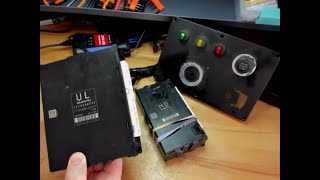
Pro Tip: Before sending your car to be programmed, confirm with the shop that they have the capability to program a used Subaru ECM. Not all independent shops or locksmiths have the expensive, specialized tools (like the Subaru Select Monitor) required. A Subaru dealership can always perform this service.
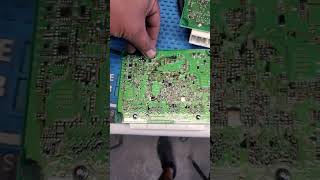
In some cases, a specialized electronics repair service can "clone" the data from your old ECM to the replacement unit. This involves physically transferring the VIN and immobilizer data from the original module's memory chip to the donor module. This can sometimes be a way to avoid a trip to the dealer, but it requires sending both modules to a specialist. This is often the only solution if the original ECM is completely dead and cannot be communicated with.
🎬 Watch: How a specialized shop can clone your Subaru ECM.Cost to Replace a 2016 Forester ECM
The cost can vary significantly based on the parts you choose and who performs the labor.
| Item | Estimated Cost |
|---|---|
| New OEM (Dealer) | $680 - $1,042 (part only) |
| Remanufactured | $250 - $450 |
| Used OEM | $50 - $200 |
| Shop Labor (Installation & Programming) | $110 - $250 |
Frequently Asked Questions (FAQ)
Do I have to take my Forester to the dealer to replace the ECM?
Not necessarily, but it is often the most straightforward option. A Subaru dealership will have the correct diagnostic and programming tools (Subaru Select Monitor) to guarantee a successful installation. Some well-equipped independent shops or automotive locksmiths may also have the ability to program a replacement ECM, but you must confirm with them first.
Can I just swap an ECM from another 2016 Forester?
No. Due to the immobilizer system, you cannot simply swap a used ECM from another vehicle and expect it to work, even if the part number is identical. The car will not start until the replacement ECM is programmed to match your vehicle's VIN and security keys.
What is the difference between an ECM, ECU, and PCM?
The terms are often used interchangeably. ECM (Engine Control Module) and ECU (Engine Control Unit) mean the same thing. PCM (Powertrain Control Module) is a term for a more integrated unit that controls both the engine and the transmission. For the 2016 Forester, the component is generally referred to as the ECM.
Could a bad battery cause ECM problems?
Yes. A weak or failing battery can cause low voltage, which can lead to a host of confusing electronic issues, including setting false trouble codes in the ECM or even damaging the module during voltage spikes. Always ensure your battery and charging system are in good health before condemning the ECM.
Helpful Videos
![How to Change ECU [Engine Control Unit Swap // Subaru]](https://img.youtube.com/vi/-EmwuYWWbUE/mqdefault.jpg)
Technical Specifications
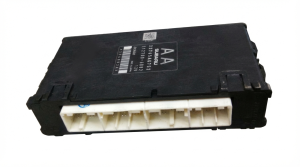
OEM Part Numbers: 22765AH290 22765AH291 22765AH292 22765AH295
Fits 2016 Subaru Forester models, typically non-turbo with automatic transmission. Requires programming to vehicle VIN and immobilizer system.
We Have This Part in Stock

The information in this article is provided for general reference and educational purposes only. Vehicle specifications, procedures, and part compatibility can vary by production date, trim level, and region. Always consult your vehicle's factory service manual and verify part numbers before purchasing or performing repairs. Safety-critical components such as airbags, seat belts, and braking systems should be installed by a qualified professional.
- Subaru Forester: