

2010-2011 Toyota Camry ECM: Solving Stalls, No-Starts, and Programming Headaches
This guide covers the critical details of diagnosing, replacing, and programming the Engine Control Module for the 2010-2011 Toyota Camry, including the crucial California vs. Federal emissions differences.
- A replacement ECM must be programmed to the car's immobilizer system, or the engine will not start.
- You must match the part number exactly, paying close attention to whether your car has California (PZEV) or Federal emissions, as the ECMs are different.
- Common failure symptoms include a no-start condition (P1604), stalling, poor performance, and communication errors (U0100).
- Before replacing the ECM, rule out simpler issues like a weak battery, bad ground connections, or a faulty fuel pump.
Symptoms of a Failing 2010-2011 Camry ECM

An ECM failure can cause a wide range of confusing symptoms that often mimic other problems. The issue could be the module itself or a sensor providing it with bad data. Pay close attention to these common warning signs.
- Check Engine Light: This is the most common symptom. The light may be steady or flashing.
- Engine Stalling or Misfiring: The engine may stall unexpectedly, run rough, or misfire, especially under load.
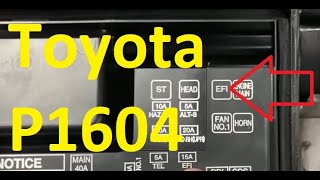
- No-Start or Hard Starting: The engine may crank but refuse to start, or take an unusually long time to fire up. This may be accompanied by diagnostic code P1604 (Startability Malfunction). 🎬 Watch: How to diagnose and fix the P1604 startability code.
- Poor Engine Performance: You might notice a significant loss of power, poor acceleration, and hesitation.
- Reduced Fuel Economy: A sudden drop in gas mileage can be a sign that the ECM is not managing the fuel mixture correctly.
- Erratic Transmission Shifting: Since the ECM communicates with the transmission controller, a faulty module can cause harsh, delayed, or incorrect shifting.
- Intermittent Electrical Issues: Problems like flickering dashboard lights or gauges behaving erratically can sometimes be traced back to the ECM.
Common Diagnostic Trouble Codes (DTCs)
While many codes can indicate an ECM-related issue, these are particularly relevant:
- P1604 - Startability Malfunction: This is an informational code that the ECM logs when the engine fails to start properly. It doesn't name the cause but confirms a starting problem exists, which could stem from the ECM, fuel system, or ignition system.
- U0100 - Lost Communication With ECM/PCM: This code indicates a communication failure on the vehicle's data network. The ECM is not communicating with other modules. This can be caused by a bad ECM, wiring issues, or even a weak battery.
- Other codes related to sensors and systems controlled by the ECM (e.g., P0101 for Mass Air Flow, P1349 for VVT system) can also be triggered by a failing module.
Pro Tip: Before condemning the ECM, always check the battery, terminals, and ground connections. A weak battery or poor connection can cause many of the same symptoms, including a U0100 code.
Known Issues, TSBs, and Recalls

TSB T-SB-0287-10: Harsh Shifting or Throttle Sensitivity
For some 2010-2011 Camry models, Toyota released a Technical Service Bulletin (TSB) to address complaints of aggressive shifting, strong engine braking, and sensitive throttle response. This is not a defect, but a drivability concern. The fix is a software update (recalibration) for the ECM and Transmission Control Module (TCM) that makes shifting smoother. This service is performed by a Toyota dealer and may be covered under the Federal Emission Warranty (8 years/80,000 miles) or California Emission Warranty (15 years/150,000 miles for PZEV models).
Safety Recall A0C: Brake Tube Interference (Early 2010 Models)
A safety recall was issued for 7,314 early production 2010 Camry 4-cylinder models. On these vehicles, a power steering hose may have been manufactured to an incorrect length, allowing it to rub against a rear brake line. Over time, this could wear a hole in the brake line, causing a loss of brake fluid and increasing stopping distance. The remedy involves a dealer inspection and adjustment or replacement of the brake tube at no charge.
Programming and Immobilizer Information
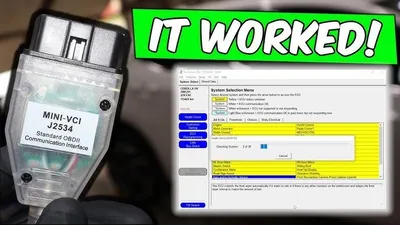
Warning: A replacement ECM, whether new or used, MUST be programmed to your vehicle. The car will not start until this procedure is completed due to the engine immobilizer system.
The ECM is linked to your Camry's engine immobilizer via the transponder chip in your key. When you install a different ECM, it will not recognize your existing keys. You have several options to resolve this:
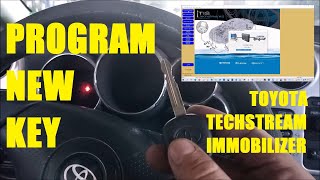
- Toyota Dealership: A dealer can program a new or used ECM to the vehicle using their proprietary Techstream software. 🎬 See how to program a new immobilizer key using Techstream. This is the most reliable but often most expensive option.
- Pre-Programmed Modules: Many online sellers offer used or remanufactured ECMs that are pre-programmed to your vehicle's VIN before shipping. You provide your VIN at the time of purchase, and the module arrives ready for a "plug-and-play" installation, though a final immobilizer relearn may still be required.
- Automotive Locksmith: A well-equipped locksmith can often perform the programming. Some may use advanced scan tools, while others may need to perform an "EEPROM dump," which involves removing the module to directly access the chip inside.
- DIY 30-Minute Relearn: A procedure exists for some Toyota models that may allow you to sync a replacement ECM without a scan tool. It involves shorting pins 4 and 13 on the OBD-II port with a jumper wire, turning the ignition ON, and waiting for 30-35 minutes until the security light stops blinking. While this method is documented in various forums and videos, success may vary.
Buying a Used Engine Control Module (ECM)

Purchasing a used OEM ECM is a cost-effective solution, but careful matching is essential to avoid compatibility issues. Here’s what to look for:
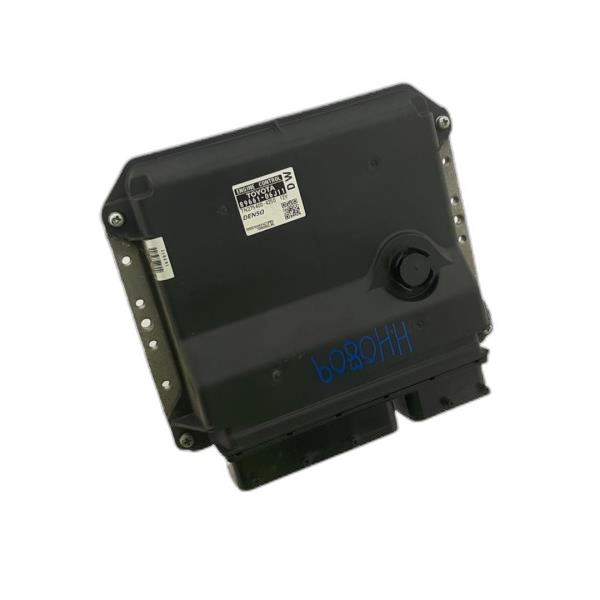
- Match the Part Number EXACTLY: Do not rely on the year and model alone. The most critical step is to physically inspect your original ECM and match the part number on its label. There are many variations.
- California (PZEV) vs. Federal (50-State) Emissions: This is the #1 trap for buyers. The 2010-2011 Camry uses different ECMs for vehicles built to California emissions standards (often marked PZEV) and those built to Federal standards. Installing the wrong type will cause a check engine light and prevent the car from passing an emissions test. The part number determines the emissions type.
- Known California Emissions Part Numbers: 89661-06J40, 89661-06J41, 89661-06J42, 89661-33F00.
- Known Federal Emissions Part Numbers: 89661-06N72, 89661-33E90, 89661-06J12, 89661-06J22.
- Inspect for Physical Damage: Check the used module for any signs of corrosion on the pins, cracks in the casing, or evidence of water intrusion. Since the ECM is located either in the engine bay or inside the cabin behind the glove box, it can be susceptible to moisture if drains are clogged or the vehicle has been in a flood.
- Why Used OEM is a Good Choice: Used original equipment (OEM) modules are built to Toyota's exact specifications. Unlike some new aftermarket units, they have the correct software and hardware designed for the vehicle, ensuring proper communication with all other onboard systems once programmed.
Cost of Replacement
The cost to replace a 2010-2011 Camry ECM can vary significantly based on the part source and labor.
| Item | Estimated Cost |
|---|---|
| New OEM ECM (Part Only) | $640 - $960 |
| Remanufactured / Programmed ECM | $215 - $650 |
| Used OEM ECM (Part Only) | $75 - $150 |
| Shop Labor (Installation & Programming) | $100 - $300 |
| Total Estimated Cost (New OEM Installed) | $740 - $1260+ |
| Total Estimated Cost (Used OEM Installed) | $175 - $450+ |
Frequently Asked Questions (FAQ)
Do I have to go to the dealer to replace my ECM?
No, you are not required to go to a dealer. An independent shop with Toyota-compatible scan tools or a qualified automotive locksmith can program a replacement ECM. Alternatively, you can buy a pre-programmed module online and install it yourself, which may only require a simple key relearn procedure.
Will a used ECM from another Camry work in my car?
Yes, but only if the part number is an exact match and it is for the correct emissions system (California or Federal). After installation, it must be reprogrammed to your vehicle's immobilizer system.
Where is the ECM located on a 2010-2011 Toyota Camry?
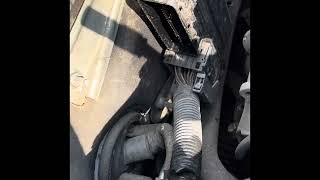
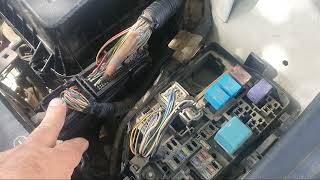
The ECM is typically located in the engine compartment, inside the driver's side fender area, or behind the glove box on the passenger side of the cabin. Always confirm the location on your specific vehicle before beginning work.
🎬 Watch this video to find and remove your Camry's ECM.Can water damage my Camry's ECM?
Yes. Although the module is in a protective case, water can still get in. Clogged cowl drains or flood damage can lead to water reaching the ECM, causing corrosion and short circuits. If you suspect water damage, the module should be inspected carefully.
My car cranks but won't start. Is it the ECM?
It could be, but it's not the most likely cause. A crank-no-start condition is more often caused by a weak battery, a failed fuel pump, or a bad crankshaft position sensor. If you have a P1604 (Startability Malfunction) code, it confirms the computer sees the problem but doesn't specify the cause. Proper diagnosis is needed before replacing the ECM.
Helpful Videos
Technical Specifications
OEM Part Numbers: 8966106J40 8966106J41 8966106J42 8966133F00 8966106N70 8966106N71 8966106N72 8966133E90 8966133E91 8966106J10 8966106J11 8966106J12 8966106J22
Location: Engine bay (driver's side fender area) or inside cabin (behind glove box). Requires programming and immobilizer synchronization upon replacement.
We Have This Part in Stock

The information in this article is provided for general reference and educational purposes only. Vehicle specifications, procedures, and part compatibility can vary by production date, trim level, and region. Always consult your vehicle's factory service manual and verify part numbers before purchasing or performing repairs. Safety-critical components such as airbags, seat belts, and braking systems should be installed by a qualified professional.
- Toyota Camry:
- 🎬 Helpful Videos
- 🛍️ Shop This Part
- Symptoms of a Failing 2010-2011 Camry ECM
- Common Diagnostic Trouble Codes (DTCs)
- Known Issues, TSBs, and Recalls
- TSB T-SB-0287-10: Harsh Shifting or Throttle Sensitivity
- Safety Recall A0C: Brake Tube Interference (Early 2010 Models)
- Programming and Immobilizer Information
- Buying a Used Engine Control Module (ECM)
- Cost of Replacement
- Frequently Asked Questions (FAQ)
- 🎟️ Get 5% Off