

2013 Toyota RAV4 Engine Control Module (ECM): Programming, Immobilizer, and Replacement Guide
Replacing the brain of your 2013 RAV4? Here's what you need to know about programming, part numbers, and avoiding a no-start condition after installation.
- Programming is mandatory. A replacement ECM will not work until it is programmed to the vehicle's immobilizer system.
- You must match the OEM part number on the ECM case exactly. There are many variations for the 2013 RAV4.
- A used OEM ECM is a viable, cost-effective option, but it still requires professional programming or cloning.
- Symptoms of a bad ECM can mimic other failures; thorough diagnosis is essential before replacement.
- A 'crank, no-start' condition is the most common result of installing an unprogrammed ECM.
Known Issues, TSBs, and Recalls

While the ECM itself has not been the subject of a specific recall for the 2013 Toyota RAV4, it's important to be aware of related issues. There are no widespread, documented patterns of premature ECM failure for this specific model year, unlike some earlier RAV4 generations which had known ECM problems.
Recalls
NHTSA Campaign Number 23V734000: This major recall affects 2013-2018 RAV4s and relates to the 12-volt battery. Certain replacement batteries have a top dimension that is too small, which can allow the battery to shift during turns. If it moves, the positive terminal can contact the hold-down bracket, causing a short circuit. A short circuit can lead to a sudden loss of electrical power and, in some cases, a fire under the hood. While this is not an ECM failure, a voltage spike or sudden loss of power from a short circuit could potentially damage sensitive electronics like the ECM.
Technical Service Bulletins (TSBs)
TSB T-SB-0023-15: This bulletin addresses a condition where some 2013-2015 RAV4s may experience a brief shudder when driving under light loads between 25 and 50 mph. The fix involves a modification to the ECM logic and potentially replacing the torque converter. This indicates that Toyota has issued software/firmware updates for these ECMs to resolve drivability issues. When sourcing a replacement ECM, it is beneficial to get one with the latest software updates.
Symptoms of a Failing ECM
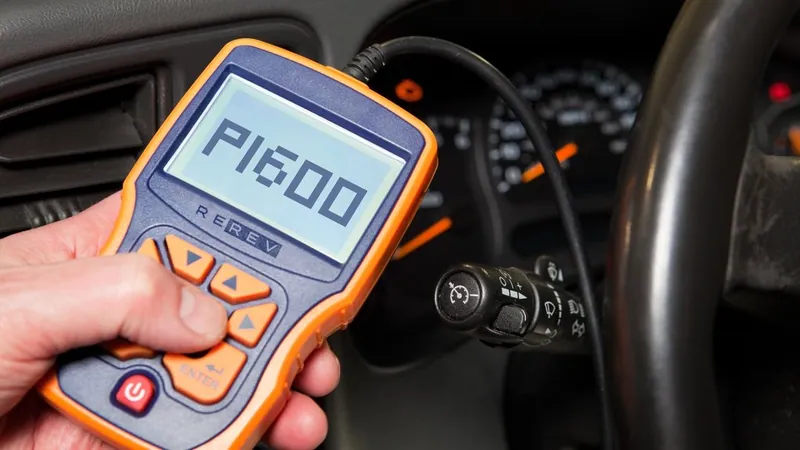
A failing ECM can create a variety of confusing and seemingly unrelated problems. Because it controls so many functions, symptoms can range from minor annoyances to critical failures that prevent the vehicle from starting.
- Check Engine Light: This is often the first and most obvious sign. A diagnostic scan is needed to read the specific trouble codes.
- Engine Performance Issues: You might experience rough idling, engine stalling, misfires, hesitation during acceleration, or a general loss of power. This happens when the ECM can't properly regulate the air-fuel mixture or ignition timing.
- No-Start Condition: The engine may crank but refuse to start. This can happen if the ECM isn't firing the spark plugs or activating the fuel injectors. In some cases, it can also cause a no-crank condition if it's tied into the anti-theft system.
- Poor Fuel Economy: If the ECM is not managing the engine efficiently, you may notice a sudden and significant drop in your gas mileage.
- Transmission Problems: The ECM works with the transmission controller. A faulty ECM can send incorrect signals, leading to erratic or harsh shifting.
- Miscellaneous Electrical Glitches: Problems like malfunctioning dashboard gauges or other random electrical issues can sometimes be traced back to a faulty ECM.
Common Diagnostic Trouble Codes (OBD-II)
While many codes can indicate an ECM-related problem, some are more directly linked to the module itself or its core functions. A code of P1600 (ECM BATT Malfunction) or P1605 (Knock Control CPU) points strongly toward an internal ECM issue. However, it's more common for an ECM failure to manifest as a series of communication or sensor circuit codes that don't resolve after replacing the indicated parts.
Warning: Many symptoms of a bad ECM can also be caused by simpler, less expensive-to-fix problems like a bad sensor, corroded wiring, or a weak battery. Always perform a thorough diagnosis before condemning the ECM.
Programming and Immobilizer Requirements

This is the most important section for anyone replacing the ECM on a 2013 Toyota RAV4. This is NOT a plug-and-play part. A replacement ECM, whether new or used, must be programmed to your specific vehicle to function.
Immobilizer Handshake
The 2013 RAV4 is equipped with a factory engine immobilizer system. This is an anti-theft feature that prevents the engine from starting unless a properly registered key is used. The ECM, the immobilizer module, and the transponder chip in your key must all recognize each other in a process often called a "handshake." If you install a new or used ECM, this handshake will fail, and the car will not start, even with your original key. You will likely experience a "crank-no-start" condition.
Programming Options
- Toyota Dealership: A Toyota dealer can program a new or used ECM to your vehicle using their proprietary Techstream software. This is the most straightforward but often most expensive option.
- Independent Repair Shops & Locksmiths: Many independent shops and automotive locksmiths have the tools and software (such as Autel scanners or XTOOL Nitro) to perform ECM programming and immobilizer resets for Toyota vehicles. This can be a more cost-effective option than the dealer. 🎬 See how to program a Toyota ECM using a Nitro scanner
- Mail-In Programming Services: Several companies offer services where you send them your original ECM and a replacement (used) ECM. They will clone the data from your original unit to the replacement, making it plug-and-play. Other services can program a replacement ECM to your vehicle's VIN before shipping it to you, sometimes including a simple OBD-II tool to complete the immobilizer reset process yourself.
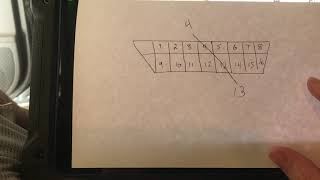
- DIY Handshake Procedure: For some Toyota models, there is a manual procedure that involves jumping specific pins (terminals 4 and 13) on the OBD-II port with a paperclip or wire and leaving the ignition on for about 30 minutes to force the immobilizer relearn process. While this is reported to work on many Toyotas, success on a 2013 RAV4 specifically is not guaranteed and should be attempted with caution. 🎬 Watch: How to perform a Toyota ECM reset without tools
Pro Tip: Before condemning your ECM, have a professional check for software updates. TSB T-SB-0023-15 shows that Toyota has released updated calibrations that can fix certain drivability issues without needing to replace the entire module.
Buying a Used 2013 RAV4 ECM

A used OEM ECM is a cost-effective and reliable alternative to a new unit, provided you take the right steps. Since all replacement ECMs require programming, the most important factor is getting a physically compatible and functional part.
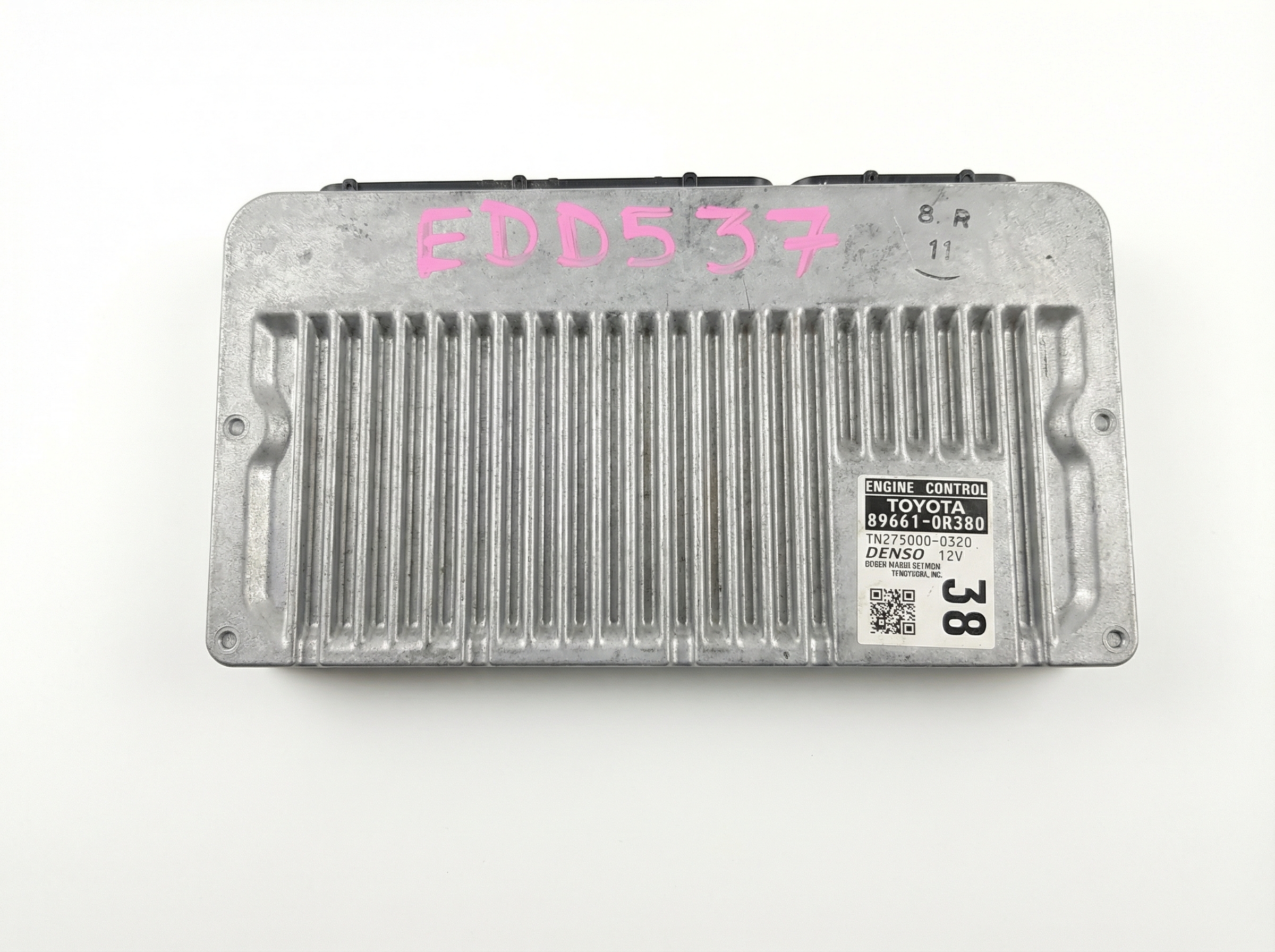
- Match the Part Number: This is absolutely critical. Toyota uses many different ECMs for the same model year depending on the drivetrain (FWD/AWD), build location (Japan/Canada), and specific features. The part number is printed on a label on the ECM's case. You MUST match this number exactly. Examples of part numbers for a 2013 RAV4 include 89661-0R390, 89661-42K50, 89661-0R080, and 89661-42U32.
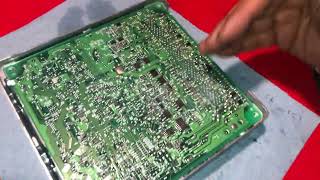
- Physical Inspection: When you receive the used ECM, inspect it carefully. Look for any signs of physical damage, especially to the connectors. Check for any evidence of water intrusion, which can look like white, chalky residue or corrosion on the circuit board or pins. An ECM with water damage is junk, even if it looks like it has been dried out. 🎬 Watch: What internal water damage looks like inside an ECM
- Donor Vehicle Mileage: The mileage of the donor vehicle is not a major concern, as the part itself does not wear out in the same way a mechanical part does. The key is that it is a functional electronic component.
- VIN and Options: The VIN and specific options of the donor car do not need to match, because the replacement ECM will be completely reprogrammed for your vehicle's VIN and configuration during the installation process.
Cost Comparison
Prices for an ECM can vary significantly depending on the source. The estimates below are for the part only and do not include the cost of programming, which can add $100-$300 to the total.
| Part Type | Estimated Cost | Notes |
|---|---|---|
| New OEM | $690 - $1,100 | Purchased from a Toyota dealership. |
| Used OEM | $100 - $300 | Sourced from a recycled vehicle. Price depends on part number and availability. |
| Remanufactured / Pre-Programmed | $300 - $650 | From specialty electronics suppliers. Often comes pre-programmed to your VIN. |
| Shop Labor (Physical Swap) | $98 - $143 | The physical replacement is simple; most of the cost is in diagnosis and programming. |
Frequently Asked Questions (FAQ)
Does a used ECM for a 2013 RAV4 need to be programmed?
Yes, absolutely. Due to the engine immobilizer system, any replacement ECM (new or used) must be programmed to your vehicle's VIN and have the keys registered to it. Without this step, the engine will not start.
Can I drive my RAV4 with a bad ECM?
It is not recommended. Depending on the failure mode, the vehicle may not start at all. If it does run, you risk the engine stalling at any time, which is a major safety hazard. Driving with a faulty ECM can also cause damage to other components, like the catalytic converter.
Why can't I just swap the ECM from another 2013 RAV4?
The engine immobilizer will prevent the car from starting. The ECM from the donor car is programmed to a different set of keys and a different immobilizer module. This security system must be reset and reprogrammed for your specific vehicle.
Where is the ECM located on a 2013 Toyota RAV4?
The ECM is typically located in the engine bay, often on the passenger side, mounted against the firewall or inner fender. It is a metal box with several large electrical connectors. The physical replacement is usually straightforward, involving disconnecting the battery, unplugging the connectors, and removing a few bolts.
Is it better to repair my original ECM or buy a used one?
If the failure is due to a common issue like water damage or a failed internal component, repair may be an option through a specialist. However, for many, buying a quality used OEM ECM and having it programmed is often a faster and more reliable solution. If you have your original ECM cloned to a used unit, you can avoid programming fees at a shop.
Helpful Videos

Technical Specifications
OEM Part Numbers: 89661-0R390 89661-0R391 89661-0R392 89661-0R080 89661-0R380 89661-0R381 89661-0R382 89661-42K50 89661-42U30 89661-42U31 89661-42U32 89661-42K60 89661-0R070 89661-0R400 89661-0R250 89661-42U40
The ECM for the 2013 Toyota RAV4 is specific to the vehicle's drivetrain (AWD or FWD), engine (2.5L 2AR-FE), and manufacturing plant (Canada or Japan).
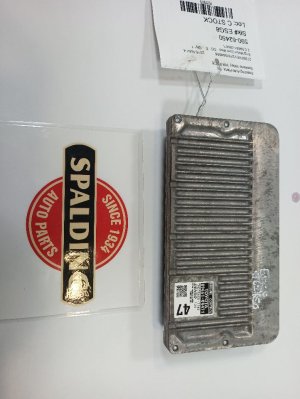
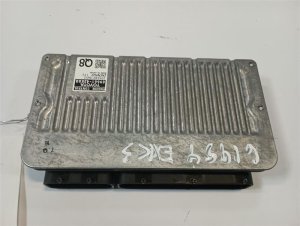
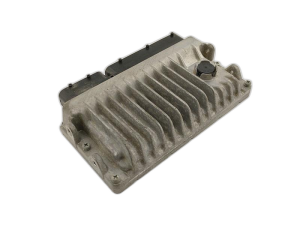
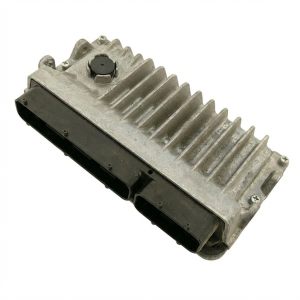
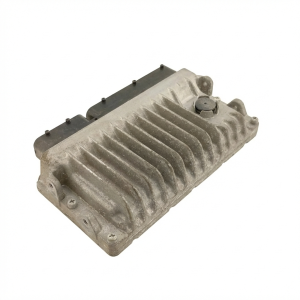
We Have This Part in Stock

The information in this article is provided for general reference and educational purposes only. Vehicle specifications, procedures, and part compatibility can vary by production date, trim level, and region. Always consult your vehicle's factory service manual and verify part numbers before purchasing or performing repairs. Safety-critical components such as airbags, seat belts, and braking systems should be installed by a qualified professional.
- Toyota RAV4:
- 🎬 Helpful Videos
- 🛍️ Shop This Part
- Known Issues, TSBs, and Recalls
- Recalls
- Technical Service Bulletins (TSBs)
- Symptoms of a Failing ECM
- Common Diagnostic Trouble Codes (OBD-II)
- Programming and Immobilizer Requirements
- Immobilizer Handshake
- Programming Options
- Buying a Used 2013 RAV4 ECM
- Cost Comparison
- Frequently Asked Questions (FAQ)
- 🎟️ Get 5% Off