

2018-2019 Toyota Sequoia ECM: Programming, Common Problems, and Replacement Guide
This guide covers the essential programming requirements, symptoms of failure, and costs associated with replacing the Engine Control Module in your 2018-2019 Toyota Sequoia.
- This is NOT a plug-and-play part. A replacement ECM must be professionally programmed to your vehicle's VIN and immobilizer system to function.
- Engine stalling, a common symptom of ECM failure, is more likely caused by a faulty fuel pump which was part of a major recall for these vehicles.
- When buying a used ECM, you must match the OEM part number exactly. The primary number is 89661-0CR90.
- A Toyota dealer, a qualified independent shop with Techstream software, or an advanced automotive locksmith can perform the necessary programming.
Symptoms of a Failing Engine Control Module
A failing ECM can cause a wide range of problems, many of which can mimic other component failures. It's important to perform a thorough diagnosis before condemning the ECM. Here are the most common symptoms:
- Check Engine Light: The most obvious sign is an illuminated Check Engine Light. The ECM will store trouble codes that can be read with an OBD-II scanner. Codes specifically pointing to internal processor failure (P0600-P0606) or communication errors (U0100) are strong indicators of a bad ECM.
- Engine Performance Issues: You may experience engine stumbling, misfires (which can trigger codes like P0300), hesitation on acceleration, or a general loss of power.
- Car Won't Start or Stalls: The ECM controls the fuel and spark needed to start and run the engine. A complete failure can result in a no-start condition, while intermittent issues can cause the engine to stall unexpectedly while driving.
- Poor Fuel Economy: If the ECM cannot properly regulate the air-fuel mixture, fuel efficiency can drop significantly.
- Erratic Transmission Shifting: The ECM works with the transmission control module to ensure smooth shifting. A faulty ECM can cause harsh, delayed, or irregular gear changes.
- Intermittent Electrical Problems: Since the ECM is a central computer, its failure can sometimes cause strange issues with dashboard gauges or other electronic accessories.
Known Issues, TSBs, and Recalls
While the ECM itself is not a common failure point on the 2018-2019 Sequoia, other issues can present similar symptoms, leading to a misdiagnosis.
Important Recalls
- Low-Pressure Fuel Pump Failure (NHTSA Recall 20V012000): A widespread recall was issued for a faulty low-pressure fuel pump inside the fuel tank. This pump can fail, causing the engine to stall while driving, which is a symptom easily mistaken for ECM failure. Before replacing your ECM for a stalling issue, ensure this recall has been performed on your vehicle.
- Air Bag ECU Software (NHTSA Recall 19V244000): This recall concerns the Airbag Electronic Control Unit (ECU), not the Engine Control Module (ECM). The airbag ECU may not deploy the airbags in a crash.
- Vehicle Stability Control (VSC) Deactivation (NHTSA Recall 18V211000): Electrical interference could cause the VSC system to be deactivated. The fix is a software update performed by a dealer.
Pro Tip: Always check for open recalls on your vehicle by entering your VIN on the NHTSA website. Symptoms related to the fuel pump recall are especially likely to be confused with a bad ECM.
CRITICAL: ECM Programming and Immobilizer Requirements
You cannot simply swap an ECM in a 2018-2019 Toyota Sequoia and expect it to work. The replacement module must be programmed to your specific vehicle.
- VIN Programming: The replacement ECM must be programmed with your vehicle's unique Vehicle Identification Number (VIN). This allows it to communicate correctly with all other modules on the vehicle.
- Immobilizer System Link: The ECM is a key component of the anti-theft immobilizer system. After installation, the new ECM must be synchronized with your existing keys. If this step is not performed, the immobilizer will prevent the engine from starting.
- Who Can Program It?
- Toyota Dealerships: Dealers have the required Toyota Techstream software and are fully equipped to program a new or used ECM.
- Independent Repair Shops: Many professional shops have Techstream software or a J2534 pass-thru device that allows them to perform the same programming as a dealer.
- Automotive Locksmiths: Some advanced automotive locksmiths have the tools to program the ECM and synchronize the immobilizer and keys.
Warning: Failure to properly program the ECM to the vehicle's VIN and immobilizer system will result in a no-start condition. This is not a plug-and-play part.
Buying a Used 2018-2019 Sequoia Engine Control Module
A used OEM ECM is an excellent, cost-effective alternative to a brand new unit. Because these modules are not a high-failure part, a used one from a reputable source is a reliable option. Here’s what to look for:
- Match the Part Number: This is the most important step. Match the OEM part number from your original ECM exactly. The primary part number is 89661-0CR90, which may be superseded by 89661-0CR91 or 89661-0CR92. Using an ECM with a different part number may result in compatibility issues.
- Inspect for Damage: Check the used module for any physical damage, especially to the housing and connector pins. Avoid any units that show signs of water intrusion or corrosion.
- Factor in Programming Costs: Remember that the cost of the part is not the final cost. You must budget for the labor to have the module professionally installed and programmed.
- Why Used OEM is a Good Choice: A used original Toyota ECM is guaranteed to have the correct hardware and base software for your vehicle. Aftermarket units can sometimes have compatibility issues or lack the latest firmware updates that an OEM unit can receive during programming.
Replacement Cost Comparison
The cost to replace the ECM can vary significantly based on the price of the part and local labor rates.
| Part Type | Estimated Cost |
|---|---|
| New OEM (Dealer) | $800 - $1,250 |
| New Aftermarket | $400 - $700 |
| Used OEM | $150 - $450 |
| Remanufactured | $300 - $600 |
| Shop Labor (Install & Program) | $200 - $500 |
Frequently Asked Questions (FAQ)
Do I have to take my Sequoia to the dealer to replace the ECM?
No, you are not required to go to a dealership. Many qualified independent auto repair shops and some mobile automotive locksmiths have the necessary tools, like Toyota's Techstream software, to program a replacement ECM. However, you should always confirm they have this capability before scheduling the repair.
Can I install the ECM myself and then have it programmed?
Yes. The physical replacement of the ECM is relatively straightforward for a DIY mechanic. It is typically located in the engine bay or behind the glove box and is secured with a few bolts and electrical connectors. You can install the part yourself and then have the vehicle towed to a shop for the required programming to save on labor costs.
Will a used ECM affect my vehicle's mileage?
No, the vehicle's mileage is stored in the instrument cluster, not the Engine Control Module. A replacement ECM will not change the odometer reading.
My car is stalling. Does that mean my ECM is bad?
Not necessarily. While a bad ECM can cause stalling, it's more likely to be caused by another issue. For the 2018-2019 Sequoia, a known fuel pump defect that was subject to a recall is a very common cause of engine stalling. Always have a complete diagnosis performed to rule out more common issues like fuel delivery problems, faulty sensors, or ignition system failures before replacing the expensive ECM.
Technical Specifications
OEM Part Numbers: 896610CR90 896610CR91 896610CR92
Fits 2018-2019 Toyota Sequoia models with the 5.7L V8 engine.
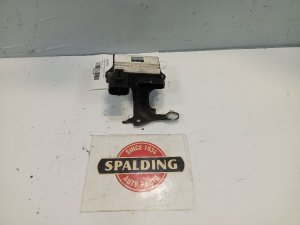
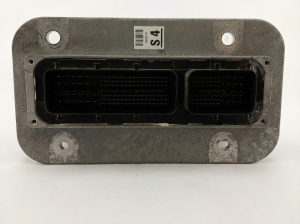
We Have This Part in Stock

The information in this article is provided for general reference and educational purposes only. Vehicle specifications, procedures, and part compatibility can vary by production date, trim level, and region. Always consult your vehicle's factory service manual and verify part numbers before purchasing or performing repairs. Safety-critical components such as airbags, seat belts, and braking systems should be installed by a qualified professional.
- Toyota Sequoia: