

2003 Toyota Tundra 4.7L V8 Engine Control Module (ECM): Failure Symptoms, Programming, and Replacement Guide
This guide covers common failures, symptoms, and the critical programming steps required when replacing the Engine Control Module on a 2003 Toyota Tundra with the 4.7L V8 engine.
- A replacement ECM for a 2003 Tundra MUST be programmed to the vehicle's immobilizer system to start the engine.
- Matching the OEM part number (e.g., 89661-0C430, 89661-0C431, 89661-0C432) is critical for compatibility.
- Buying a pre-programmed, remanufactured unit online is often the easiest and most cost-effective solution for DIY replacement.
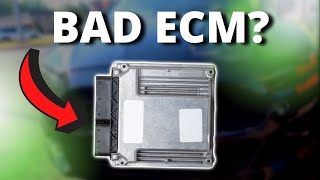
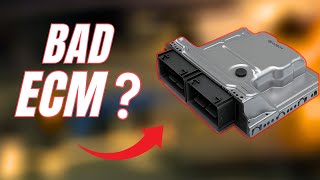
- Symptoms of a bad ECM include a no-start condition, stalling, poor performance, and a persistent check engine light.
Symptoms of a Failing 2003 Tundra ECM
A faulty ECM can cause a wide range of problems that may seem unrelated. Because it controls so many systems, diagnosis can be tricky. Here are the most common signs that your Tundra's ECM might be failing:
🎬 Watch: 11 common symptoms of a failing engine control module.- Check Engine Light: A persistent Check Engine Light is a primary symptom. The ECM may store codes related to its own internal failure (P0600-P0606 series) or throw codes for sensors it can no longer communicate with properly.
- Engine Performance Issues: You may experience stalling, rough idling, engine misfires, hesitation during acceleration, or a general loss of power. This happens when the ECM can't correctly manage the air-fuel mixture or ignition timing.
- No-Start Condition: The truck may crank but refuse to start. This can happen if the ECM isn't sending the correct signals to the fuel injectors or ignition coils.
- Poor Fuel Economy: A sudden and unexplained drop in gas mileage can be a sign that the ECM is commanding an incorrect, overly rich fuel mixture.
- Erratic Transmission Shifting: The ECM works with the transmission control module. A failing ECM can send bad data, leading to hard, delayed, or erratic shifts in automatic transmissions.
- Random Electrical Glitches: In some cases, a failing ECM can cause strange behavior in dashboard gauges or other electronic accessories.
Known Issues, TSBs, and Recalls
While there are no specific recalls for the ECM itself on the 2003 Toyota Tundra, several other issues for this model year are worth noting. The most significant recall for 2000-2003 Tundras involved frame rust and corrosion, which in some cases could affect components mounted to the frame, like brake lines. There was also a recall related to the passenger side front airbag inflator. A Technical Service Bulletin (TSB) was issued for some 2003-2004 Tundras for a cracked fuel filler neck that could cause EVAP-related check engine light codes (like P0442), which could be misdiagnosed as a more serious issue.
Pro Tip: Before condemning the ECM, ensure the battery is fully charged and the terminals are clean. A weak battery or poor connections can cause many of the same symptoms as a failing ECM.
Programming and Immobilizer Information
This is the most critical part of replacing the ECM in a 2003 Toyota Tundra. You cannot simply swap a used ECM and expect the truck to start. The ECM is linked to the vehicle's anti-theft system, known as the immobilizer.
Immobilizer System
The 2003 Tundra uses a transponder key system. A small chip in your key head communicates with an amplifier antenna around the ignition switch. This signal goes to the immobilizer ECU, which then verifies the key with the engine ECM. If the handshake fails, the ECM will prevent the engine from starting. When you install a different ECM, it will not recognize your existing keys, and the truck will not start.
Programming a Replacement ECM
To get a replacement ECM to work, it must be synchronized with your vehicle's immobilizer system and programmed with your vehicle's specific VIN.
- Pre-Programmed Units: Many online retailers sell used or remanufactured ECMs that are pre-programmed to your vehicle's VIN. You provide your VIN at the time of purchase, and they flash the module before shipping it. Some vendors even include a simple OBD-II reset tool and instructions to complete the immobilizer handshake process yourself, making it a "plug-and-play" installation.
- Dealer/Locksmith Programming: If you purchase a non-programmed used ECM, you will need a Toyota dealership or a qualified automotive locksmith with advanced tools like Toyota's Techstream software to perform the programming. This involves registering the new ECM to the vehicle and syncing it with your existing keys.
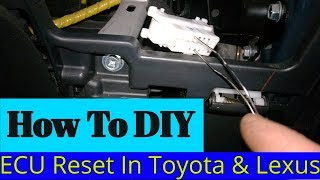
- DIY Reset Procedure: For some older Toyota models, a manual reset procedure exists. This involves using a jumper wire on specific pins of the OBD-II diagnostic port (pins 4 and 13) and leaving the ignition on for about 30 minutes to force the immobilizer to re-learn the ECM. This procedure should be performed with caution and is best left to those comfortable with vehicle electronics. 🎬 See how to perform this immobilizer reset without special tools.
Warning: Always confirm the programming requirements before purchasing a replacement ECM. A cheap, unprogrammed module can lead to expensive towing and programming fees that erase any initial savings.
Buying a Used 2003 Tundra ECM
A used OEM ECM is often a reliable and cost-effective solution. Aftermarket units are not widely available for this model, and new OEM units are expensive. Here’s what to look for when buying used:
- Match the Part Number: This is absolutely essential. The part number is printed clearly on the label of the ECM. For your 2003 Tundra 4.7L 4x2, you must match one of the compatible OEM part numbers: 89661-0C430, 89661-0C431, or 89661-0C432. The number 89661-0C432-84 is a remanufactured designation for 89661-0C432.
- Inspect for Damage: Do not buy a module with physical damage, corrosion on the pins, or signs of water intrusion (stains, rust). The connectors should be clean and all pins straight.
- Choose a Reputable Seller: Buy from sellers who offer a warranty and can verify the module's history. Ask about their return policy in case the part is defective.
- Consider a Pre-Programmed Service: The easiest option for a DIY repair is to buy from a vendor that programs the unit to your VIN before shipping. This eliminates the need for a trip to the dealer or locksmith.
Cost Comparison
| Part Type | Estimated Cost |
|---|---|
| New OEM | $590 - $875 |
| Remanufactured (Pre-Programmed) | $200 - $450 |
| Used OEM (Non-Programmed) | $100 - $250 |
| Shop Labor (Install & Program) | $150 - $400 |
ECM Location and Replacement Overview
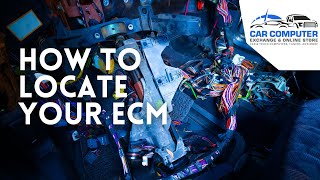
The ECM on a 2003 Toyota Tundra is typically located inside the cabin, behind the glove box.
🎬 Watch this guide to help locate your vehicle's ECM.- Disconnect the Battery: Always disconnect the negative battery terminal before working on any electronic components.
- Access the ECM: Remove the glove box assembly to gain access to the module. This usually involves removing a few screws and clips.
- Unplug and Remove: Carefully disconnect the electrical wiring harnesses from the old ECM. They have locking tabs that must be pressed to release. Then, unbolt the module from its mounting bracket.
- Install the New ECM: Bolt the new module in place and securely reconnect the wiring harnesses.
- Perform Immobilizer Reset: Reconnect the battery. Follow the specific instructions provided with your pre-programmed ECM or perform the necessary programming/reset procedure.
Frequently Asked Questions (FAQ)
Do I have to get a new ECM from a Toyota dealer?
No. A used or remanufactured OEM ECM is a perfectly valid and much more affordable option, provided you match the part number exactly and handle the programming requirements.
Will a bad ECM always cause a Check Engine Light?
Not always. While a Check Engine Light is common, an ECM can fail in ways that cause performance problems like stalling or rough idle without immediately triggering a specific code.
Can I use an ECM from a 4x4 Tundra in my 4x2 truck?
It is not recommended. The ECM is programmed for specific vehicle configurations, including the drivetrain. Using an incorrect module can cause compatibility issues with the transmission and other systems. Always match the part number and application exactly.
What causes an ECM to fail?
ECM failure is not common, but it can be caused by age, voltage spikes (from improper jump-starting), excessive heat, vibration, or internal component failure like cracked solder joints or bad capacitors. Water intrusion is also a common cause of failure.
Helpful Videos
Technical Specifications
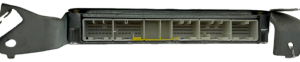
OEM Part Numbers: 89661-0C430 89661-0C431 89661-0C432 89661-0C432-84
Fits 2003 Toyota Tundra models with 4.7L V8 engine and 4x2 (RWD) drivetrain.
We Have This Part in Stock

The information in this article is provided for general reference and educational purposes only. Vehicle specifications, procedures, and part compatibility can vary by production date, trim level, and region. Always consult your vehicle's factory service manual and verify part numbers before purchasing or performing repairs. Safety-critical components such as airbags, seat belts, and braking systems should be installed by a qualified professional.
- Toyota Tundra:
- 🎬 Helpful Videos
- 🛍️ Shop This Part
- Symptoms of a Failing 2003 Tundra ECM
- Known Issues, TSBs, and Recalls
- Programming and Immobilizer Information
- Immobilizer System
- Programming a Replacement ECM
- Buying a Used 2003 Tundra ECM
- Cost Comparison
- ECM Location and Replacement Overview
- Frequently Asked Questions (FAQ)
- 🎟️ Get 5% Off