

1998 Volvo S70, V70 & C70 ECM: A Guide to Solving No-Start, Stalling, and Immobilizer Issues
Learn why you can't just swap the Engine Control Module in these non-turbo Volvos and how to correctly replace it without a costly trip to the dealer.
- This ECM is NOT plug-and-play. It is tied to the car's immobilizer and a replacement MUST be programmed.
- For a used ECM, 'cloning' data from your original module is the required procedure. Dealers typically cannot reprogram used modules.
- Ensure the replacement ECM is for a non-turbo, automatic transmission model without a secondary air pump, and check VIN ranges if applicable.
- Symptoms of failure include no-start, stalling, misfiring, and a Check Engine Light with codes like P0600 or P0605.
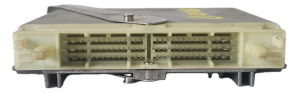
Critical Compatibility Warning: This specific Engine Control Module is for 1998 Volvo C70, S70, and V70 models equipped with a non-turbo engine and an automatic transmission. It is intended for vehicles that do NOT have a secondary air injection (AIR) pump. Compatibility may also be determined by your Vehicle Identification Number (VIN). For S70 sedans, this part fits vehicles up to VIN 483768. For V70 wagons, it fits vehicles up to VIN 425793. Always match the part number from your original ECM to the replacement part.
The Immobilizer Problem: Why You Can't Just Swap This ECM
The single most important thing to understand about replacing the ECM on a 1998 Volvo is that it is NOT a plug-and-play part. The ECM contains security information that is paired, or "married," to your car's immobilizer system and keys. If you simply install a used ECM from another vehicle, the immobilizer will not recognize it, and the car will not start. The engine may crank but will not fire up, or it may start and then immediately stall after two seconds.
A Volvo dealership can program a brand-new ECM to your car, but they are often unable or unwilling to reprogram a used one. This is because their diagnostic tools are designed to lock modules to a single VIN, preventing them from being re-used in other vehicles.
The Solution: Cloning Your Original ECM
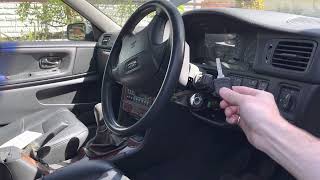
For buyers of used or recycled parts, the correct procedure is to have the data from your original ECM "cloned" onto the replacement unit. This involves sending both your original (faulty) ECM and the replacement ECM to a specialist service. They will extract the unique immobilizer data and vehicle-specific programming from your old module and write it onto the new one. Once this is done, the replacement ECM becomes an exact digital copy of the original, allowing it to be installed without any further programming. 🎬 See how the professional ECM cloning and replacement process works. This is the most reliable and cost-effective method for getting your car back on the road.
Symptoms of a Failing ECM
A failing ECM can cause a wide range of confusing and intermittent problems. Because the ECM controls so many functions, its failure can sometimes be misdiagnosed as a bad sensor or another component.
🎬 Watch: A guide to common symptoms of a failing ECM.- Check Engine Light: An illuminated Check Engine Light is one of the most common signs. The light may be steady or flashing.
- Engine Stalling or Misfiring: The engine may stall unexpectedly, stutter, or misfire. This can happen intermittently and without a clear pattern.
- Car Won't Start: A completely failed ECM will result in a no-start condition. The engine may crank but will not get the necessary fuel and spark signals to run.
- Poor Engine Performance: You might experience a noticeable loss of power, poor acceleration, and rough idling.
- Reduced Fuel Economy: A sudden and significant drop in gas mileage can be caused by the ECM failing to manage the air-fuel mixture correctly.
- Transmission Problems: Since the ECM communicates with the Transmission Control Module (TCM), a faulty ECM can sometimes cause erratic shifting or other transmission-related issues.
- No Communication with Scan Tool: If a diagnostic scanner cannot communicate with the vehicle's computer, it's a strong sign that the ECM itself may be the problem.
Common OBD-II Trouble Codes
While many codes can be triggered by a failing ECM, certain codes point more directly to an internal computer fault. Look for codes like:
- P0600: Serial Communication Link Malfunction
- P0605: Internal Control Module Read Only Memory (ROM) Error
- P0603: Internal Control Module Keep Alive Memory (KAM) Error
Keep in mind that Volvo-specific codes, often starting with "P1," may also be present and should be diagnosed by a qualified technician.
Buying a Used Engine Control Module
Purchasing a used OEM ECM is a smart, cost-effective option, but you must do it correctly. Here’s what you need to know:
- Match Part Numbers Exactly: Your primary task is to match the Volvo and Bosch part numbers on the replacement ECM with your original unit. These numbers are printed on a label on the module's case. Even a small difference can mean the unit is incompatible.
- Budget for Cloning: Remember that the cost of the part is not the final cost. You must factor in the price of a cloning service, which typically ranges from $150 to $300. Do not install the used ECM before it has been cloned.
- Inspect the Part: When you receive the used ECM, inspect the case for any signs of being pried open, which could indicate a failed repair attempt. Check the connector pins for corrosion, moisture, or damage.
- Choose a Reputable Seller: Buy from a seller who offers a warranty. This protects you in case the part arrives damaged or is internally faulty and cannot be cloned.
Cost Comparison for ECM Replacement
| Part / Service | Estimated Cost |
|---|---|
| New OEM ECM (Part Only) | $1,000 - $1,200+ |
| Remanufactured / Repaired ECM | $250 - $500 |
| Used OEM ECM (Part Only) | $50 - $150 |
| ECM Cloning Service | $150 - $300 |
| Shop Labor (Physical Swap) | $75 - $110 |
Replacement Procedure
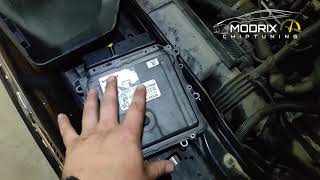
The physical act of swapping the ECM is straightforward and can be done with basic tools. The module is located in a black plastic box in the engine bay, near the passenger-side firewall and windshield.
Pro Tip: Before starting, disconnect the vehicle's battery. Some sources recommend waiting at least two minutes after shutting the engine off before disconnecting any modules to allow all systems to power down completely.
- Locate the ECU Box: Open the hood and find the black plastic box labeled "ECU" or with a similar marking, typically on the passenger side.
- Open the Box: Release the clips holding the cover on. You may need a flathead screwdriver to gently pry them open.
- Disconnect the Module: The ECM is held in place by a large connector with a lever or handle. Pull the handle back to disengage the connector and release the module.
- Remove the ECM: Once disconnected, the ECM can be lifted straight out of the box.
- Installation: Installation is the reverse of removal. Seat your cloned ECM firmly onto the connector, and push the lever to lock it in place. Secure the cover on the box and reconnect the battery.
Known Issues, TSBs, and Recalls
While there have been several safety recalls issued for the 1998 Volvo S70, V70, and C70 for issues related to headlights, fuel systems, and other components, there are no specific NHTSA recalls for the Engine Control Module itself. The failures associated with this part are generally due to age and wear of the electronic components rather than a specific manufacturing defect that prompted a recall.
Frequently Asked Questions (FAQ)
Do I have to program a replacement ECM for a 1998 Volvo?
Yes, absolutely. A replacement ECM, whether new or used, must be programmed to your vehicle's immobilizer system. For a used ECM, the standard and most effective method is to have the data from your original module cloned onto the replacement unit by a specialist service.
What happens if I just plug in a used ECM without programming?
The car will not start and run. The immobilizer system will prevent the engine from starting because the security codes in the used ECM will not match the codes stored in your car's keys and immobilizer module.
Can I use an ECM from a turbo model in my non-turbo car?
No. The ECMs are programmed with different fuel and ignition maps for turbo and non-turbo engines. Using the wrong type will result in poor performance, potential engine damage, and likely will not run correctly at all.
Where is the ECM located on a 1998 Volvo S70/V70/C70?
The ECM is located inside a black plastic box in the engine compartment. You can find it on the passenger side of the vehicle, near the firewall and the base of the windshield.
Helpful Videos

Technical Specifications
OEM Part Numbers: 8601419 8601612 86016128 9155736
Engine Management System: Bosch Motronic 4.4
We Have This Part in Stock

The information in this article is provided for general reference and educational purposes only. Vehicle specifications, procedures, and part compatibility can vary by production date, trim level, and region. Always consult your vehicle's factory service manual and verify part numbers before purchasing or performing repairs. Safety-critical components such as airbags, seat belts, and braking systems should be installed by a qualified professional.
- Volvo V70:
- Volvo C70:
- Volvo S70:
- 🎬 Helpful Videos
- 🛍️ Shop This Part
- The Immobilizer Problem: Why You Can't Just Swap This ECM
- Symptoms of a Failing ECM
- Common OBD-II Trouble Codes
- Buying a Used Engine Control Module
- Cost Comparison for ECM Replacement
- Replacement Procedure
- Known Issues, TSBs, and Recalls
- Frequently Asked Questions (FAQ)
- 🎟️ Get 5% Off