

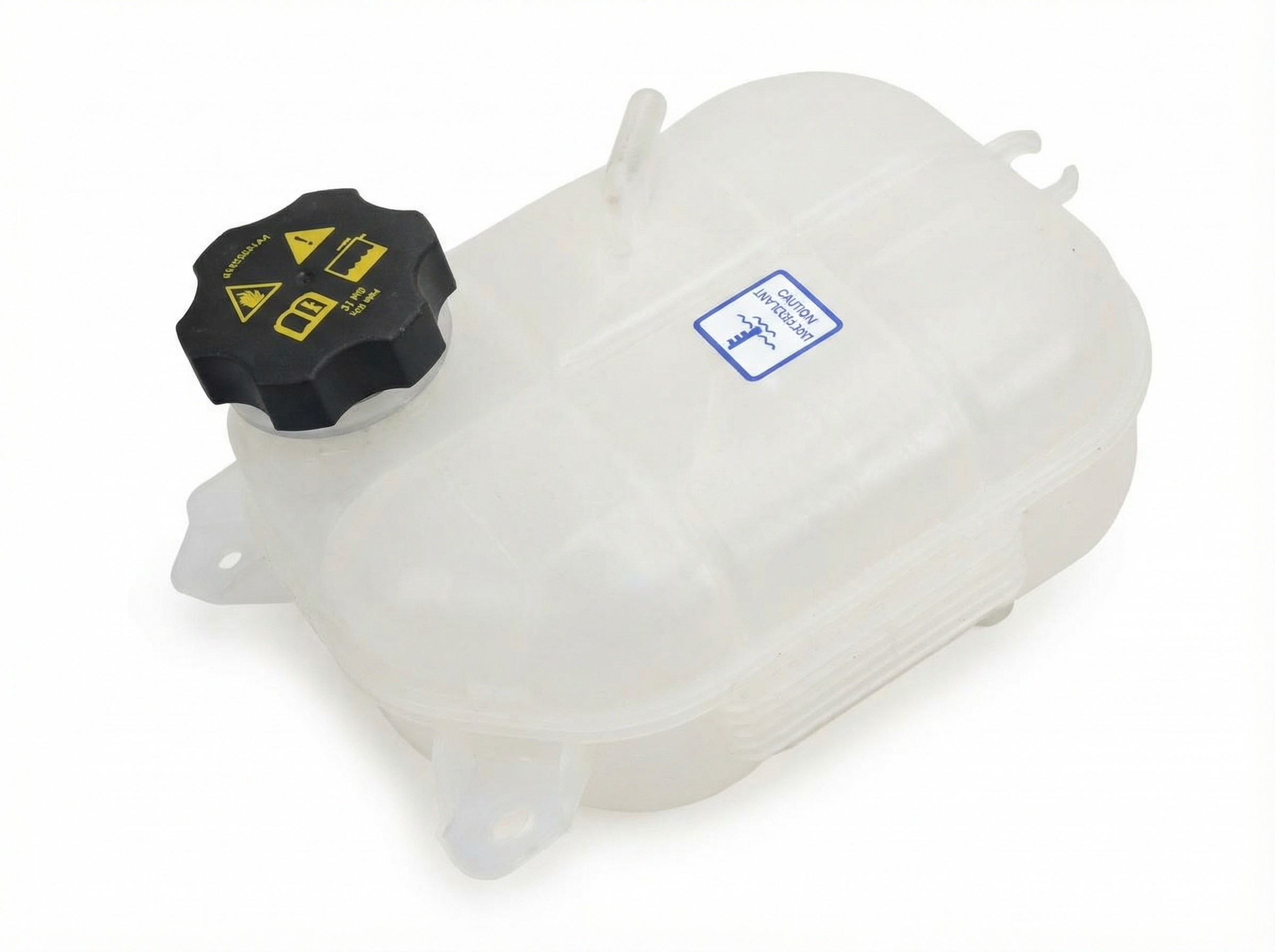
2013-2016 Dodge Dart Coolant Reservoir: Cracks, Leaks, and Replacement
A detailed guide to diagnosing, replacing, and buying a used engine coolant reservoir for the 2013-2016 Dodge Dart.
- The primary failure mode for the 2013-2016 Dodge Dart coolant reservoir is cracking due to heat and age, leading to coolant leaks and potential engine overheating.
- When replacing, it is critical to also install a new reservoir cap to ensure the system can hold pressure correctly.
- The replacement is a simple DIY job, typically taking less than an hour with basic hand tools.
- Always use the specified Mopar OAT coolant (meeting MS-12106) to prevent corrosion and system damage.
Symptoms of a Failing Dodge Dart Coolant Reservoir


A failing coolant reservoir can lead to serious engine problems if ignored. The plastic construction becomes brittle over time due to constant heat cycles in the engine bay. Here are the most common signs that your reservoir needs attention:
- Visible Coolant Leaks: This is the most obvious symptom. You may see puddles of brightly colored fluid (orange or pink for a Mopar OAT coolant) on the ground under the passenger side of the engine bay. You might also notice wet spots or dried coolant residue on or around the tank itself.
- Constantly Low Coolant Level: If you find yourself needing to top off the coolant frequently, there's likely a leak in the system. A cracked reservoir is a common cause, allowing coolant to leak out or evaporate slowly.
- Visible Cracks or Damage: Inspect the reservoir for hairline cracks, especially around the hose connections (nipples) and mounting points. The plastic can also become discolored and brittle with age.
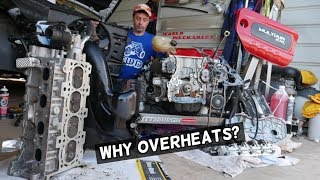
- Engine Overheating: If the reservoir can't maintain the proper coolant level, the engine may start to run hot. A temperature gauge spiking into the red, a coolant warning light on the dashboard, or steam coming from under the hood are all critical warnings. 🎬 Watch: Top 7 reasons why your Dodge Dart is overheating
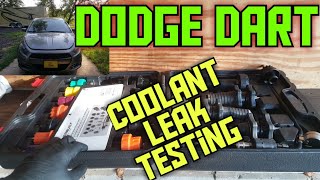
- Sweet Smell: Leaking coolant often produces a distinct sweet smell. If you notice this odor inside or outside your car, it's a strong indicator of a coolant leak. 🎬 See how to use a pressure tester to find leaks
Known Issues, TSBs, and Recalls

While there are no specific recalls for the coolant reservoir itself on the 2013-2016 Dodge Dart, cooling system problems are a known issue for this vehicle. Many owner complaints relate to coolant leaks and overheating. Forum discussions frequently mention plastic components in the cooling system, like hose connectors and the reservoir, becoming brittle and failing. One common failure point is a plastic 'T' connector in a coolant hose near the reservoir, which is prone to cracking from heat exposure. While the reservoir itself isn't subject to a recall, its failure is part of a larger pattern of cooling system component issues in the Dart.
Warning: Never open the coolant reservoir cap when the engine is hot. The system is under pressure and can spray scalding hot coolant, causing severe burns. Always wait for the engine to cool down completely before inspecting the coolant system.
Buying a Used 2013-2016 Dodge Dart Coolant Reservoir
A used OEM coolant reservoir can be a cost-effective and reliable alternative to a new part, especially when compared to cheap aftermarket options. However, careful inspection is key to getting a good part.
What to Inspect Before Buying:
- Check for Cracks: Meticulously inspect the entire surface of the plastic tank. Pay special attention to the seams, the hose nipples where the rubber hoses connect, and the mounting tabs. Use a flashlight to look for fine hairline cracks that can be hard to see.
- Examine the Plastic Quality: Look for discoloration. A tank that is yellowed, cloudy, or excessively dark has likely been exposed to many heat cycles and is more brittle and prone to failure than a clearer one.
- Inspect the Hose Nipples: Ensure the inlet and outlet nipples are not chipped, cracked, or deformed. This is a very common failure point.
- Verify Part Numbers: Match the part number on the used reservoir to your original part or the known OEM numbers (55111471AB, 55111471AC, 55111471AD, 55111471AE) to ensure compatibility. The latest part number in a supersession chain is generally the most revised and desirable.
- Check the Cap Sealing Surface: Make sure the neck of the reservoir where the cap seals is smooth and free of damage. An imperfect seal can prevent the system from holding pressure. It is highly recommended to use a new cap with any replacement reservoir.
Choosing a quality used OEM part often provides better fitment and durability than a low-cost aftermarket alternative. Aftermarket tanks can be made from lower-grade plastic that may not withstand the engine bay's heat and vibrations as well as the original Mopar part.
Replacement Information

Replacing the coolant reservoir on a 2013-2016 Dodge Dart is a straightforward job that a DIY mechanic with basic tools can typically accomplish.
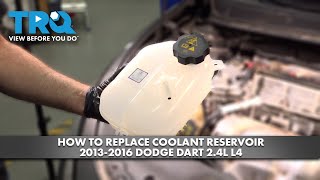
🎬 Watch this step-by-step reservoir replacement walkthrough for the 2.4L engine- Difficulty: 2 out of 5
- Estimated Time: 0.5 - 1 hour
- Tools Needed: 10mm socket, pliers, flat blade screwdriver, drain pan, and a funnel.
Basic Replacement Steps:
- Ensure the engine is completely cool.
- Place a drain pan under the radiator's drain plug (petcock) on the driver's side and drain a small amount of coolant to bring the level below the reservoir hoses.
- Disconnect the small overflow hose from the top of the reservoir.
- Using a 10mm socket, remove the bolts holding the reservoir in place.
- Lift the reservoir slightly and disconnect the larger hose from the bottom. Be prepared for some residual coolant to spill.
- Install the new reservoir by securing it with the bolts.
- Connect the bottom and top hoses, ensuring the clamps are secure.
- Refill the reservoir to the 'MAX' line with the correct type of coolant (Mopar OAT 10 Year/150,000 Mile).
- Start the engine with the reservoir cap off and let it run for several minutes to allow any air to bleed out of the system. Add more coolant as the level drops.
- Once the level is stable and no more bubbles are appearing, replace the cap and check for leaks.
Pro Tip: While you have the system partially drained, it's a good time to inspect the coolant hoses connected to the reservoir. If they feel brittle, swollen, or soft, it's best to replace them at the same time to prevent future leaks.
Cost Comparison
Prices for a 2013-2016 Dodge Dart coolant reservoir can vary significantly based on the source.
| Part Source | Estimated Price Range |
|---|---|
| New OEM (Mopar) | $60 - $90 |
| New Aftermarket (Dorman, etc.) | $25 - $65 |
| Used OEM | $35 - $75 |
| Shop Labor Cost | $40 - $100 |
Frequently Asked Questions (FAQ)
Can I drive with a cracked coolant reservoir?
It is not recommended. A cracked reservoir can lead to coolant loss, which can cause the engine to overheat, potentially resulting in severe and expensive damage like a blown head gasket.
What type of coolant does the 2013-2016 Dodge Dart use?
The Dodge Dart requires a specific Organic Additive Technology (OAT) coolant that meets Chrysler's MS-12106 specification. The Mopar 10 Year/150,000 Mile Antifreeze/Coolant is the recommended fluid. Using the wrong type of coolant can cause corrosion and damage to the cooling system.
Do I need to replace the reservoir cap too?
Yes, it is highly recommended to replace the cap when you replace the reservoir. The cap is a critical component that holds pressure in the system. A faulty cap can cause coolant to boil at a lower temperature, leading to overheating or coolant loss.
Why do the plastic parts on my Dart's cooling system keep failing?
The plastic components, including the reservoir and various hose connectors, are subjected to thousands of heat cycles. Over time, this constant heating and cooling makes the plastic brittle and prone to cracking. This is a common issue on many modern vehicles, not just the Dodge Dart.
Helpful Videos
Technical Specifications
OEM Part Numbers: 55111471AB 55111471AC 55111471AD 55111471AE
Material: Plastic, Pressurized System
We Have This Part in Stock

The information in this article is provided for general reference and educational purposes only. Vehicle specifications, procedures, and part compatibility can vary by production date, trim level, and region. Always consult your vehicle's factory service manual and verify part numbers before purchasing or performing repairs. Safety-critical components such as airbags, seat belts, and braking systems should be installed by a qualified professional.
- Dodge Dart:
- 🎬 Helpful Videos
- 🛍️ Shop This Part
- Symptoms of a Failing Dodge Dart Coolant Reservoir
- Known Issues, TSBs, and Recalls
- Buying a Used 2013-2016 Dodge Dart Coolant Reservoir
- What to Inspect Before Buying:
- Replacement Information
- Basic Replacement Steps:
- Cost Comparison
- Frequently Asked Questions (FAQ)
- 🎟️ Get 5% Off