

1999-2004 Odyssey & 2001-2002 MDX Coolant Reservoir: Why They Crack and What to Check Before Buying
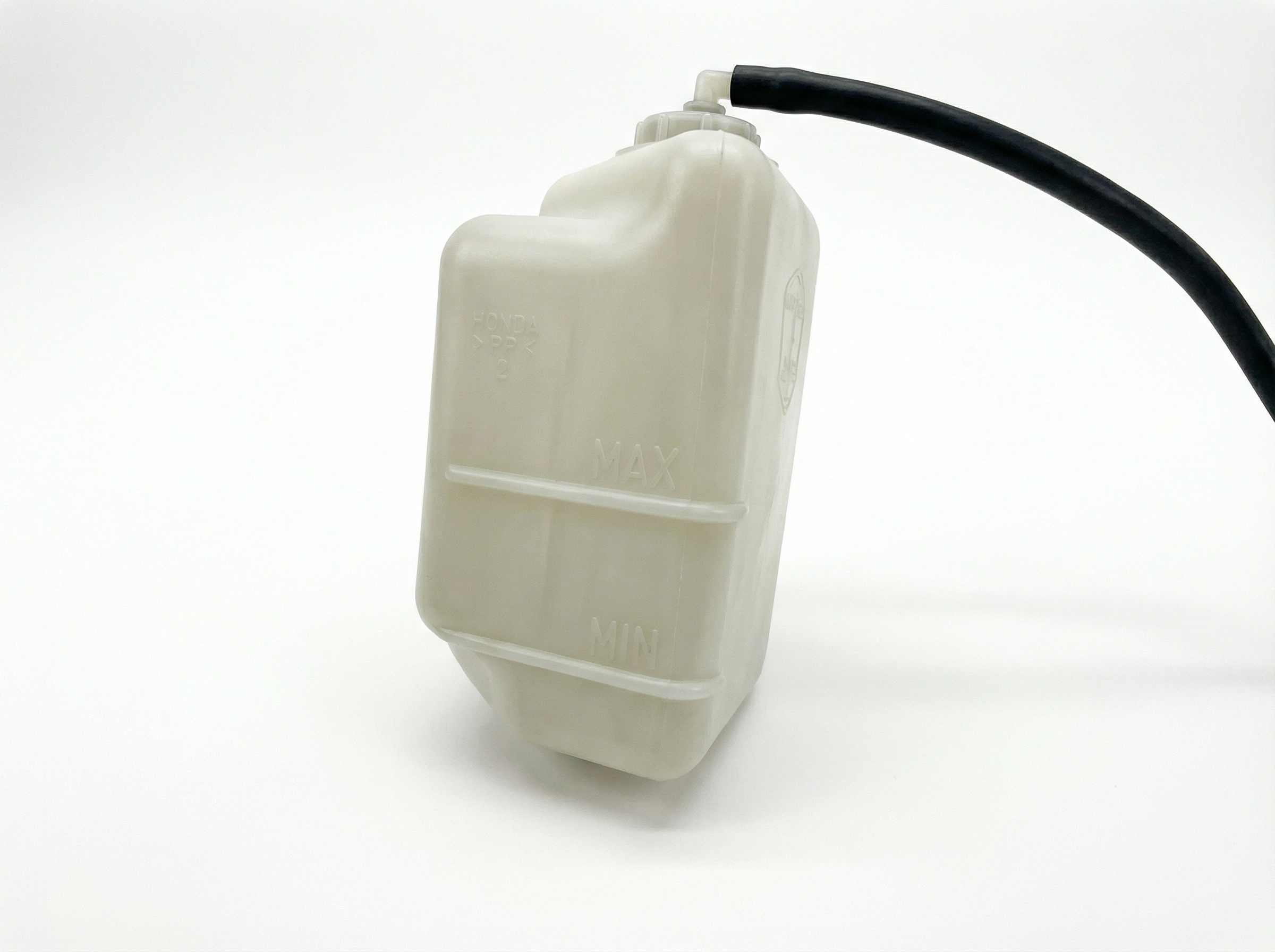
This guide covers the common failure points and replacement of the shared engine coolant reservoir for the Honda Odyssey (1999-2004) and Acura MDX (2001-2002).
- The OEM part 19101-P8F-A00 is discontinued, making a quality used OEM part a primary replacement option.
- Failure is typically due to the plastic becoming brittle and cracking from age and heat cycles.
- Key symptoms are visible leaks, constantly low coolant levels, a sweet smell, and potential engine overheating.
- Replacement is a very easy DIY job, requiring minimal tools and taking less than 30 minutes.
Symptoms of a Failing Coolant Reservoir
The plastic used in these reservoirs becomes brittle over time due to constant heat cycles in the engine bay. Failure is common and usually easy to spot. Look for these tell-tale signs:
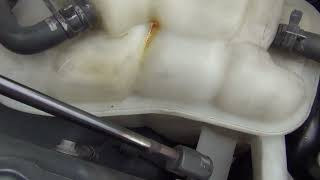
- Visible Coolant Leaks: You may find puddles of brightly colored fluid (green or blue for these models) on the ground under the front passenger side of the vehicle. You might also see white or colored crusty residue on the tank itself or on components below it where coolant has leaked and dried.
- Constantly Low Coolant Level: If you have to top off the coolant in the reservoir frequently, it's a strong sign of a leak. A slow leak from a hairline crack might not leave a puddle but will cause the level to drop over days or weeks.
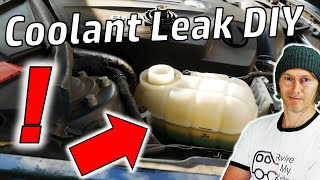
- Sweet Smell: Engine coolant has a distinct, sweet odor. If you smell this around your vehicle, especially when the engine is hot, 🎬 Watch this guide to find the source of your coolant leak. it's a classic sign of a coolant leak.
- Engine Overheating: If the reservoir has been leaking for a while, the cooling system can run low on fluid, leading to the engine temperature gauge climbing into the red. This is a serious condition that can cause severe engine damage if not addressed immediately.
Warning: Never open the radiator cap or the coolant reservoir cap when the engine is hot. The system is under pressure and can spray scalding hot coolant, causing serious burns.
Buying a Used Engine Coolant Reservoir: What to Inspect
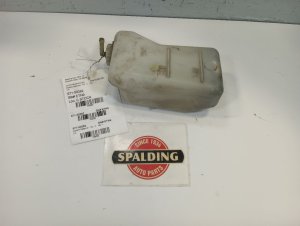
Since the original OEM part (19101-P8F-A00) is now discontinued by Honda and Acura, a high-quality used OEM reservoir is often the best choice for fit and durability. Cheap aftermarket tanks can have issues with fitment or use lower-grade plastic that becomes brittle even faster. Here’s what to check before buying a used one:
- Thorough Visual Inspection: Hold the tank up to a light and inspect every surface, inside and out. Pay close attention to the seams, mounting tabs, and the area around the hose connections. Look for any signs of hairline cracks, which can be difficult to see.
- Check for Brittleness: Gently squeeze the tank. A good part should have some slight flex. If it feels excessively hard, rigid, or makes crackling sounds, the plastic has likely become brittle and will fail soon.
- Inlet and Outlet Nipple: The small hose nipple is a common failure point. Inspect it closely for any cracks or stress marks. Ensure it is not brittle or crumbling.
- Stains and Discoloration: While some discoloration is normal, dark brown or oily stains inside the reservoir could indicate that the previous vehicle had a serious engine problem, like a blown head gasket. It's best to avoid tanks with heavy internal contamination.
- Included Cap: If the reservoir comes with a cap, inspect its rubber gasket. If the gasket is cracked, stiff, or damaged, it won't hold pressure and will need to be replaced.
Pro Tip: When inspecting a used reservoir, run your fingernail over any suspicious-looking lines. If your nail catches, it's likely a crack, even if it's hard to see.
🎬 See how to properly inspect your tank for hidden cracks.Replacement Overview & Difficulty
Replacing the coolant reservoir on a 1999-2004 Honda Odyssey or 2001-2002 Acura MDX is a very simple job, perfect for a beginner DIYer.
- Difficulty: 1 out of 5
- Time to Complete: 15-30 minutes
- Tools Needed: Pliers (for hose clamp), basic socket or screwdriver set (for mounting bolts/clips).
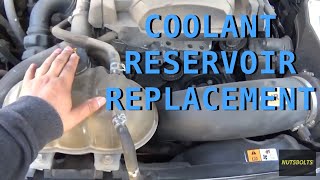
The basic steps involve letting the engine cool completely, removing one or two mounting bolts or clips that hold the tank in place, using pliers to slide the clamp off the overflow hose, pulling the hose off the tank, and lifting the old tank out. Installation is the reverse of removal. 🎬 Watch this step-by-step walkthrough of the reservoir replacement process. You can often transfer the existing coolant from the old tank to the new one if it's clean, or simply top off the new tank with fresh Honda Type 2 (blue) coolant.
Cost Comparison
The cost to replace this part is relatively low, especially if you do the work yourself.
| Part Type | Price Range |
|---|---|
| New OEM | Discontinued |
| Used OEM | $30 - $60 |
| New Aftermarket | $20 - $40 |
| Shop Labor | $40 - $60 |
Known Issues, Recalls, and TSBs
There are no specific recalls or Technical Service Bulletins (TSBs) from Honda or Acura for the failure of the coolant reservoir on these vehicles. However, age-related failure from heat and time is a well-documented and common issue for these plastic tanks across many vehicles of this era. While coolant leaks on the Odyssey and MDX can also be caused by the radiator, water pump, or hoses, the reservoir should always be a primary suspect due to its tendency to crack with age.
Frequently Asked Questions (FAQ)
Can I drive with a leaking coolant reservoir?
It is not recommended. A small leak can quickly become a large one, leading to a loss of coolant and causing the engine to overheat. An overheating engine can result in catastrophic damage, such as a warped cylinder head or a blown head gasket, which are extremely expensive repairs.
Is a new aftermarket reservoir better than a used OEM one?
Not always. While new, some aftermarket parts may use lower-quality plastic that doesn't last as long as the original factory part. A used OEM reservoir that is in good condition (not brittle or cracked) often provides better fitment and material durability than a cheap aftermarket alternative.
What type of coolant should I use in my Odyssey or MDX?
You should only use Honda/Acura Long Life Antifreeze/Coolant Type 2. This is a blue-colored coolant that comes pre-mixed with 50% distilled water. Do not use generic green or orange coolants, as they do not contain the correct additives for Honda/Acura cooling systems and can lead to corrosion.
How do I know if the reservoir cap is bad?
A bad cap will fail to hold pressure, which can cause coolant to boil over or leak from the cap itself. Inspect the rubber seals on the cap. If they are cracked, hard, or missing, the cap is bad. If you replace the reservoir, it is good practice to replace the cap as well.
Helpful Videos
Technical Specifications
OEM Part Numbers: 19101-P8F-A00 19101P8FA00
Material: Plastic. Location: Engine bay, passenger side.
We Have This Part in Stock

The information in this article is provided for general reference and educational purposes only. Vehicle specifications, procedures, and part compatibility can vary by production date, trim level, and region. Always consult your vehicle's factory service manual and verify part numbers before purchasing or performing repairs. Safety-critical components such as airbags, seat belts, and braking systems should be installed by a qualified professional.
- Honda Odyssey:
- Acura MDX: