

2007-2017 Lexus LS460 & LS600h Coolant Reservoir: Why They Crack and What to Check
A detailed guide to the common failure points, symptoms, and replacement costs for the engine coolant reservoir on the Lexus LS460 and LS600h.
- The primary failure mode is the plastic becoming brittle and developing hairline cracks from heat and age.
- This part fits both the LS460 and LS600h, but it is for the main engine only; the LS600h has a separate inverter coolant tank.
- When buying a used reservoir, a thorough inspection for hairline cracks and brittle plastic is essential.
- Always replace the reservoir cap when installing a new or used reservoir to ensure the system holds pressure.
Known Issues: A Common Failure Point
The plastic coolant reservoir in the 2007-2017 Lexus LS460 and 2008-2016 Lexus LS600h is a well-known weak point. Over many years of exposure to extreme heat and pressure cycles in the engine bay, the plastic becomes brittle. This brittleness eventually leads to the development of hairline cracks, which are the most common cause of failure for this part. These cracks often start small, causing a slow, almost unnoticeable coolant loss, but can quickly worsen, leading to more significant leaks and potential engine overheating. Forum discussions among owners frequently mention mysterious coolant loss that is eventually traced back to a cracked reservoir.
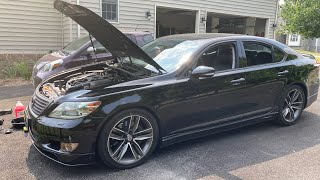
🎬 Watch: See how a technician identifies these hidden reservoir cracks.Compatibility Note: This reservoir is for the main engine cooling system on both the 4.6L V8 (LS460) and the 5.0L V8 Hybrid (LS600h). The LS600h has a second, separate coolant tank for its hybrid inverter system. This part does NOT replace the inverter coolant tank.
Symptoms of a Failing Coolant Reservoir
A failing coolant reservoir can cause several symptoms. Paying attention to these signs can help you catch the problem before it leads to engine damage.
- Low Coolant Warning Light: This is often the first sign. If you have to add coolant frequently, there is a leak somewhere in the system, and the reservoir is a primary suspect.
- Visible Coolant Leaks: You may see puddles of pink, orange, or green fluid under the front of your car. You might also notice pink or white crusty residue on or around the reservoir itself, which is dried coolant.
- Sweet Smell: Leaking coolant has a distinct, sweet smell. You may notice this odor around the car after driving or even inside the cabin.
- Engine Overheating: In advanced stages of failure, a significant coolant leak will cause the engine temperature gauge to rise into the red zone. If this happens, pull over immediately to prevent catastrophic engine damage.
- Visible Cracks: A visual inspection may reveal hairline cracks, yellowing, or discoloration on the plastic tank. These are clear signs that the plastic has become brittle and needs to be replaced.
Buying a Used Engine Coolant Reservoir: What to Inspect
A used OEM reservoir can be a smart, cost-effective replacement, as new OEM units can be expensive. However, because this part is known to fail from age, careful inspection is critical.
- Check for Cracks: This is the most important check. Use a bright flashlight to inspect the entire surface of the tank, especially around the seams, mounting points, and hose connections. Pay extra attention to the neck and the area where the cap seals. Flex the tank slightly to see if any hidden hairline cracks appear.
- Examine the Plastic's Condition: Look for signs of aging. Healthy plastic will have a uniform, slightly flexible feel. Avoid tanks that are yellowed, cloudy, or feel excessively hard and brittle.
- Inspect All Ports and Nipples: Ensure all hose connections are intact and free of cracks. The small nipple for the overflow hose is particularly fragile and a common breaking point. A used tank with a broken nipple is useless.
- Check the Cap Sealing Surface: The top rim of the reservoir's neck must be perfectly smooth and flat to ensure the cap can seal properly and hold pressure. Any nicks, warping, or cracks here will cause leaks.
- Verify Part Numbers: Ensure the part number on the used reservoir matches one of the compatible numbers for your vehicle to guarantee fitment.
Pro Tip: It is highly recommended to replace the reservoir cap when you replace the reservoir itself. A new cap ensures the system can hold the correct pressure, which is essential for proper cooling system function.
Replacement Information
Replacing the engine coolant reservoir is a relatively straightforward job that a DIY mechanic can typically accomplish.
- Difficulty: 2 out of 5
- Estimated Time: 0.5 - 1 hour
- Tools Needed: Pliers for hose clamps, basic socket set (10mm).
The basic process involves letting the engine cool completely, clamping off the main hose to prevent coolant loss, disconnecting the hoses and electrical sensor (if applicable), unbolting the old reservoir, and installing the new one in the reverse order. After installation, you will need to top off the coolant and properly bleed any air from the system.
🎬 Watch: This guide shows how to properly refill and bleed coolant.Cost Comparison
Prices can vary, but here is a general breakdown of what to expect:
| Part Type | Estimated Cost |
|---|---|
| New OEM (Dealer) | $245 - $425 |
| New Aftermarket | $50 - $150 |
| Used OEM | $75 - $200 |
| Shop Labor | $110 - $161 |
Frequently Asked Questions (FAQ)
Are there any recalls for the coolant reservoir on the LS460 or LS600h?
No. As of early 2026, there are no specific recalls issued by the NHTSA for the engine coolant reservoir on these vehicles. There have been recalls for other components like fuel pumps and valve springs, but not the coolant tank itself.
Can I just repair a crack in my old reservoir?
It is not recommended. The cooling system is under pressure, and plastic repair kits or epoxies are unlikely to hold for long. The appearance of one crack indicates the entire tank has become brittle, and other cracks will likely form soon. Replacement is the only safe and reliable solution.
Is the reservoir the same for all years of the LS460 and LS600h?
No, there are different part numbers for different year ranges. For example, part number 16470-38021 is listed for 2010-2012 models, while 16470-38082 is for 2013-2017 models. It is crucial to verify the correct part number for your specific vehicle year before purchasing.
My coolant is low, but I don't see a leak. Could it still be the reservoir?
Yes. A hairline crack can allow coolant to seep out and evaporate on the hot engine before it has a chance to drip to the ground. This results in a mysterious coolant loss. Other potential causes for hidden coolant loss include a faulty radiator cap, a leaking water pump, or a leak in the valley plate heat exchanger under the intake manifold, which is another known issue on these engines.
Helpful Videos

Technical Specifications
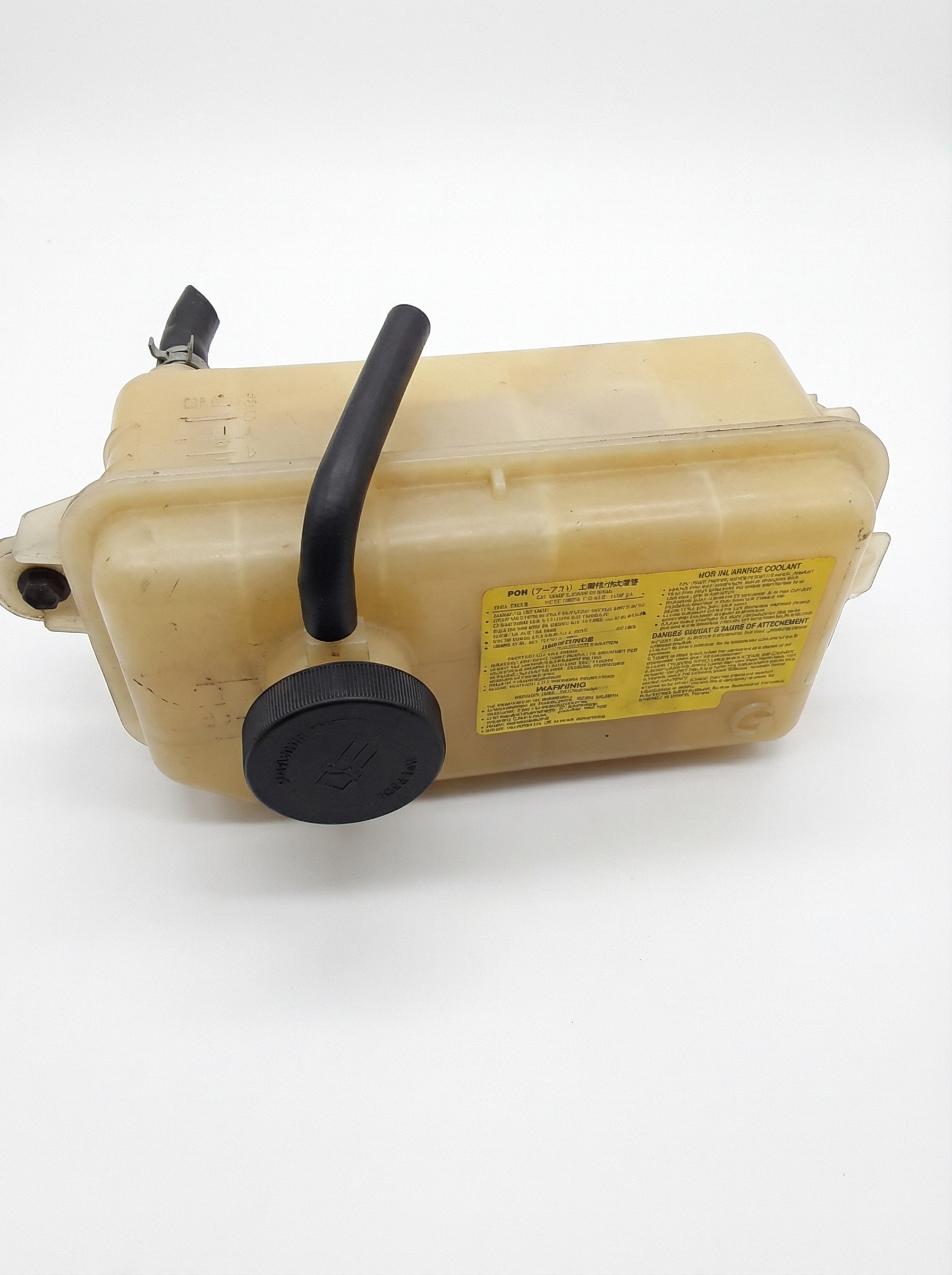
OEM Part Numbers: 16470-38020 16470-38021 16470-38080 16470-38081 16470-38082
Made of molded plastic. Includes reservoir cap. Connects to the radiator via an overflow hose.
We Have This Part in Stock

The information in this article is provided for general reference and educational purposes only. Vehicle specifications, procedures, and part compatibility can vary by production date, trim level, and region. Always consult your vehicle's factory service manual and verify part numbers before purchasing or performing repairs. Safety-critical components such as airbags, seat belts, and braking systems should be installed by a qualified professional.
- Lexus LS460:
- Lexus LS600h: