

2016-2025 Mazda MX-5 Miata Coolant Reservoir: Why They Fail and What to Buy
A detailed guide to the common failure points of the ND Miata coolant expansion tank, how to diagnose problems, and what to look for when buying a used replacement.
- The primary failure is cracking due to the original plastic becoming brittle from engine heat. A yellow or brown color is a key warning sign.
- Mazda updated the part. When buying a replacement, always get the newer part number P51B15351, not the older P51B15350.
- When buying used, inspect for color. A bright white tank is good; a yellowed tank is already failing and should be avoided.
- Replacement is simple (Difficulty 2/5) and can be done by a DIYer in under an hour with basic tools.
Symptoms of a Failing Coolant Reservoir
A failing coolant reservoir on a 2016-2025 Mazda MX-5 Miata can range from a minor annoyance to a critical issue that can lead to engine damage. The factory plastic tanks are known to become brittle and fail over time due to repeated heat cycles. Here are the most common symptoms to watch for:
- Visible Cracks: The most common failure point is a crack developing on the filler neck or along the seams of the plastic tank. These may start as hairline fractures and grow over time.
- Coolant Leaks: You may notice puddles of green or blue fluid under your car, particularly on the passenger side of the engine bay where the reservoir is located. A sweet smell of burning coolant is also a strong indicator of a leak.
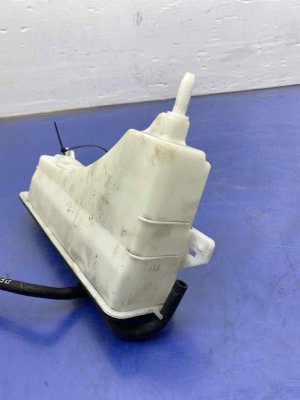
- Discoloration of the Plastic: A key warning sign is the discoloration of the tank itself. A new tank is a bright, semi-transparent white. Over time and with heat exposure, the plastic will turn yellow, then brown. A yellow or brown tank is significantly more brittle and prone to cracking.
- Low Coolant Warning Light: If your Miata is equipped with a coolant level sensor, a constant or intermittent warning light on your dashboard is a direct sign that the fluid level is dropping, likely due to a leak.
- Engine Overheating: This is the most severe symptom. If the reservoir fails catastrophically and a large amount of coolant is lost, the engine will not be able to cool itself properly. The temperature gauge will climb into the red, and you may see steam coming from the engine bay. If this happens, pull over immediately to prevent catastrophic engine damage.
Known Issues, TSBs, and Recalls
The plastic coolant expansion tank is a widely acknowledged weak point on the ND-generation (2016-2025) Mazda MX-5 Miata. The repeated high heat from the engine causes the original plastic to become brittle, leading to cracks and leaks, particularly around the filler neck. This issue is so common that a robust aftermarket of aluminum replacement tanks has emerged.
Mazda appears to have acknowledged the issue by updating the part. The original part number, P51B15350, was superseded by P51B15351. While not officially confirmed as a recall-level revision, it is common practice for manufacturers to update part numbers when a design or material is improved. When purchasing a replacement, opting for the newer P51B15351 part number is highly recommended.
As of early 2026, there are no specific recalls from Mazda or the National Highway Traffic Safety Administration (NHTSA) for the coolant reservoir itself. There have been other recalls for the 2016-2019 Miata related to automatic transmission software and airbag control modules, but none address the cooling system.
Pro Tip: Many owners choose to proactively replace the coolant tank as a preventative maintenance item, especially on cars that see track use or are driven hard. Waiting for it to fail can risk engine damage from overheating.
Buying a Used Engine Coolant Reservoir
While a brand new OEM reservoir is relatively inexpensive, a good used part can offer even better value. However, given the known failure rate of this part, careful inspection is critical. Here’s what to check:
- Check the Part Number: Insist on the updated part number, P51B15351. Avoid any used tanks with the older P51B15350 number, as they are more likely to be brittle and fail soon.
- Inspect the Color: This is the most important check. Look for the whitest, least-yellowed tank you can find. A bright white tank has had less heat exposure and is less brittle. Reject any tank that is yellowed or brown, as it is already at high risk of failure.
- Examine for Cracks: Meticulously inspect the entire tank, paying extremely close attention to the filler neck where the cap twists on, and all seams where the two halves of the tank are joined. Flex the part slightly in your hands to reveal any hidden hairline cracks.
- Check the Hose Nipples: Ensure the inlet and overflow nipples are intact, not cracked, and free of any plastic shavings that could enter your cooling system.
- Verify Included Components: A new OEM reservoir often comes with a new cap. Confirm if the used part includes the cap and if it's in good condition. The cap is also a maintenance item and should hold pressure correctly.
Cost Comparison
| Part Type | Estimated Cost |
|---|---|
| New OEM (Mazda P51B15351) | $30 - $45 |
| New Aftermarket (Aluminum) | $250 - $350 |
| Used OEM | $25 - $50 |
| Shop Labor | $75 - $150 |
Replacement Information
Replacing the coolant reservoir is a straightforward job that is very feasible for a DIY mechanic. The tank is easily accessible on the passenger side of the engine bay.
- Difficulty: 2 out of 5
- Estimated Time: 0.5 - 1 hour
- Tools Required: 10mm socket, pliers for hose clamps, fluid extractor or turkey baster, funnel.
Basic Replacement Steps:
- Ensure Engine is Cold: Never work on a cooling system when it's hot. The system is pressurized and can cause severe burns.
- Extract Old Coolant: Use a fluid extractor or a simple turkey baster to remove as much coolant as possible from the old reservoir.
- Disconnect Hoses: Use pliers to slide the spring clamps back on the two hoses connected to the tank, then carefully twist and pull the hoses off.
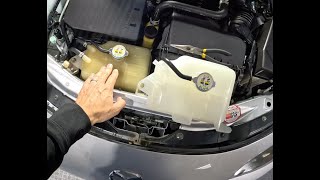
- Unbolt the Reservoir: Remove the 10mm bolts holding the reservoir in place. The tank should now lift out. 🎬 See this POV walkthrough of the reservoir replacement process.
- Install New Reservoir: Bolt the new tank in place, reconnect the hoses, and secure the clamps.
- Refill and Bleed: Refill the new reservoir to the 'FULL' line with the correct coolant (Mazda FL22). Start the engine with the reservoir cap off, let it warm up to operating temperature to allow any trapped air to escape (bleed the system), then top off the coolant as needed. 🎬 Watch: A pro guide to bleeding the cooling system the right way.
Warning: Always use Mazda FL22 long-life coolant. Using other types of coolant can cause damage to the cooling system and engine.
Frequently Asked Questions
Can I drive with a cracked coolant reservoir?
It is not recommended. A small crack can quickly turn into a large one, leading to rapid coolant loss and engine overheating. If you have a very minor leak, you might be able to make a short, slow-speed trip to a repair shop, but you must watch the temperature gauge like a hawk. If the engine starts to overheat, pull over immediately and shut it off.
Is an expensive aluminum tank better than the OEM plastic one?
For most daily drivers, a new OEM plastic tank (part number P51B15351) is a perfectly adequate and cost-effective solution that should last for many years. High-performance aluminum tanks are more durable and will not crack, making them a popular upgrade for track cars or owners who want a permanent solution, but they are significantly more expensive.
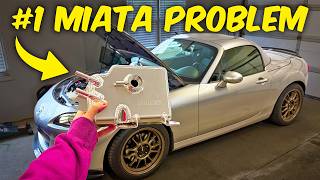
🎬 Watch: See an aluminum expansion tank installation for a permanent fix.Why did my reservoir turn yellow?
The yellowing is a result of the factory plastic breaking down from constant exposure to heat from the engine. This discoloration is a visual indicator that the plastic has become brittle and is at a high risk of cracking. If your tank is yellow, you should plan to replace it soon, even if it isn't leaking yet.
Do I need to bleed the cooling system after replacing the reservoir?
Yes. Any time you open the cooling system and introduce air, you need to bleed it. Trapped air can cause hot spots in the engine or give false readings on the temperature gauge. The process is simple: run the engine with the cap off until it reaches operating temperature, allowing air bubbles to escape, then top off the fluid.
Helpful Videos

Technical Specifications
OEM Part Numbers: P51B15350 P51B15351
Material: Plastic. Coolant Type: Mazda FL22.
We Have This Part in Stock

The information in this article is provided for general reference and educational purposes only. Vehicle specifications, procedures, and part compatibility can vary by production date, trim level, and region. Always consult your vehicle's factory service manual and verify part numbers before purchasing or performing repairs. Safety-critical components such as airbags, seat belts, and braking systems should be installed by a qualified professional.
- Mazda MX-5 Miata: