

2025 Subaru Forester Coolant Reservoir: Inspection, Failure Signs, and Replacement
A complete guide to understanding the engine coolant reservoir on your 2025 Subaru Forester, including how to spot problems and what to check when buying a used part.
- The primary failure mode for a coolant reservoir is developing cracks from heat and age, leading to leaks.
- When buying a used reservoir, meticulously inspect it for hairline cracks, especially at the seams and hose connection points.
- As a new model, the 2025 Forester has no documented common failures or recalls for this part, making a visual inspection of a used unit very important.
- Replacement is a simple, beginner-friendly DIY task that can be completed in under 30 minutes with basic tools.
Symptoms of a Failing Coolant Reservoir
Because the 2025 Forester is a new model, widespread failures are not yet documented. However, the symptoms for a failing coolant reservoir are consistent across most vehicles. Keep an eye out for these common signs:
- Visible Coolant Leaks: This is the most obvious symptom. You may see puddles of brightly colored fluid (typically blue or green for Subaru) on the ground under the front of your vehicle. You might also notice wet spots or dried coolant residue on the reservoir itself or on components nearby.
- Constantly Low Coolant Level: If you find yourself needing to top off the coolant frequently, you likely have a leak. A cracked reservoir can cause a slow leak that isn't always visible as a puddle.
- Engine Overheating: A significant coolant leak from the reservoir will lead to low coolant levels, which can cause your engine's temperature gauge to climb into the red zone. This is a serious condition that can cause severe engine damage if not addressed immediately.
- Coolant Smell: Engine coolant has a distinct, sweet smell. If you notice this odor around your vehicle after it has been running, it's a strong indicator of a coolant leak.
- Visible Cracks or Damage: The reservoir is made of plastic, which can become brittle and crack over time due to constant heat cycles in the engine bay. A visual inspection may reveal hairline cracks, discoloration, or bulging.
Known Issues, TSBs, and Recalls
As of early 2026, there are no specific recalls or Technical Service Bulletins (TSBs) issued by Subaru or the National Highway Traffic Safety Administration (NHTSA) for the engine coolant reservoir on the 2025 Subaru Forester. The vehicle is too new for long-term issues to have emerged. One recall (NHTSA ID: 25V-033) exists for the 2025 Forester concerning wheel lug seats, but it is unrelated to the cooling system. Always check for the latest recall information using your vehicle's VIN on the official NHTSA website.
Pro Tip: While there are no recalls for the reservoir itself, a recall for the 2024 Forester mentioned that a coolant leak from a different component (an engine water pipe) could contact a hot exhaust pipe and increase fire risk. This highlights the importance of addressing any coolant leak, regardless of its source.
Buying a Used 2025 Forester Coolant Reservoir: A Buyer's Guide
A used OEM reservoir is an excellent, cost-effective alternative to a new dealer part. Because the 2025 model is so new, a used part will have very little wear. However, a thorough inspection is still crucial.
What to Inspect Before You Buy:
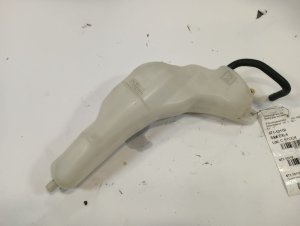
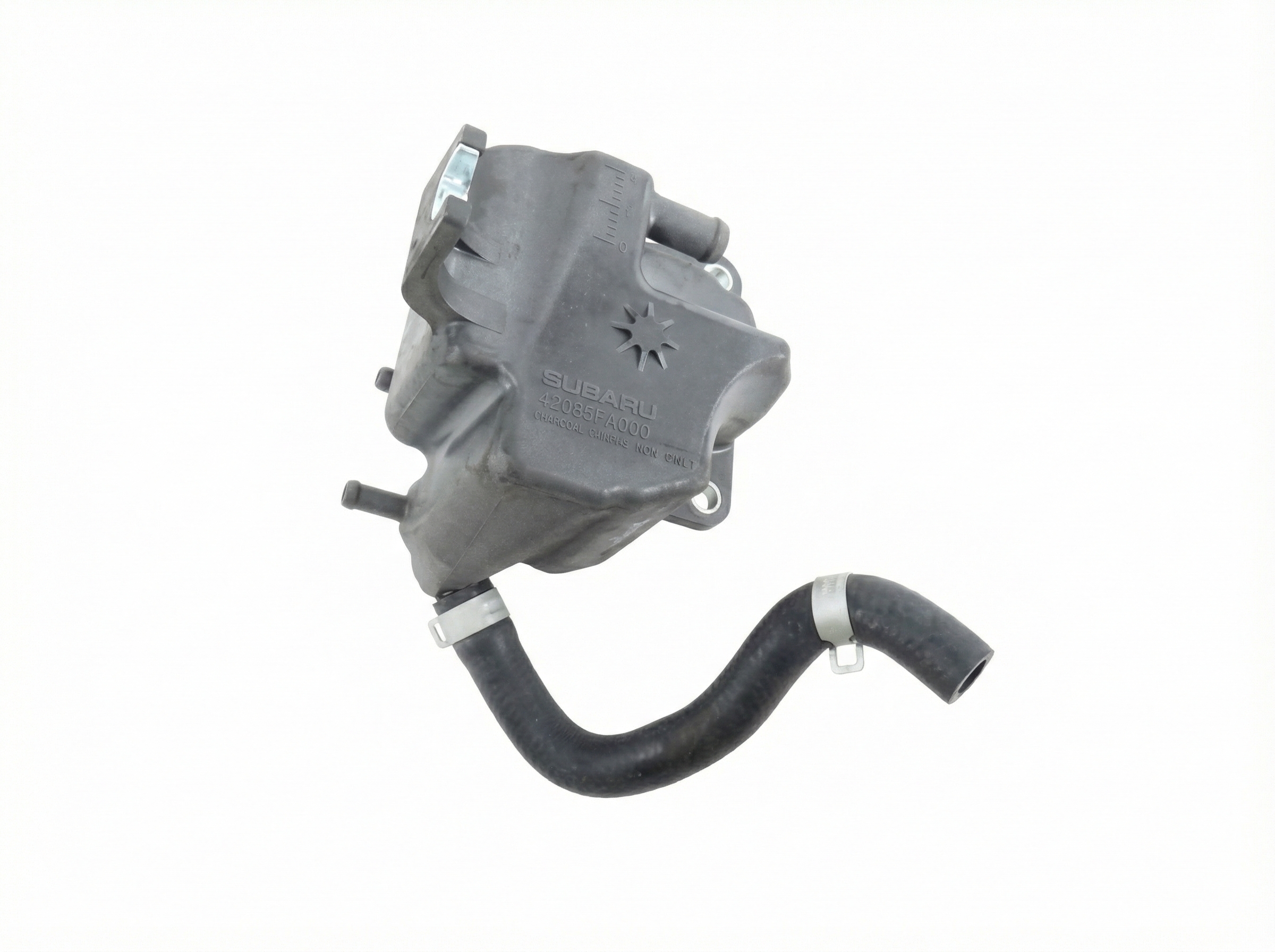
- Check for Cracks: Carefully inspect the entire surface of the plastic tank. Pay close attention to the seams, mounting points, and the inlet/outlet hose nipples, as these are common failure points. Flex the part slightly in your hands to reveal any hidden hairline cracks.
- Examine the Plastic: The plastic should be clean and free of any yellowing or chalky residue, which indicates heat damage and brittleness.
- Inspect Hose Connections: Ensure the small tubes where the hoses connect (the nipples) are perfectly round, solid, and have no cracks. These can easily be damaged during removal from the donor vehicle.
- Verify the Part Number: Make sure the part number matches your original part. The verified OEM part number for the 2025 Forester is 45150SL000.
- Check the Cap Sealing Surface: Look at the threaded neck of the reservoir. It should be smooth and free of any damage that could prevent the cap from sealing correctly.
Cost Comparison
Prices can vary by supplier and location. The following table provides an estimated cost breakdown for a 2025 Subaru Forester coolant reservoir.
| Part Type | Estimated Cost |
|---|---|
| New OEM (Dealer) | $50 - $70 |
| New Aftermarket | $30 - $80 (Availability may be limited for a new model year) |
| Used OEM | $25 - $50 |
| Shop Labor Cost | $95 - $125 |
Replacement Difficulty: 1/5
Replacing the coolant reservoir on a 2025 Subaru Forester is a straightforward job suitable for a beginner DIYer. Access is typically easy, and it requires only basic hand tools.
- Estimated Time: 20-30 minutes
- Tools Needed: Pliers (for hose clamps), basic socket or wrench set.
- DIY Feasible: Yes
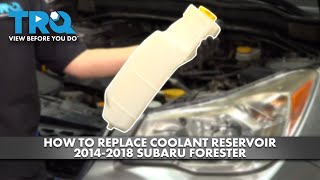
The basic steps involve letting the engine cool completely, disconnecting one or two small hoses, unbolting one or two mounting bolts, and lifting the reservoir out. The new one is installed in the reverse order. 🎬 Watch: This walkthrough shows how to swap a Forester reservoir. You may lose a small amount of coolant, which should be topped off afterward.
Frequently Asked Questions (FAQ)
Can I drive my 2025 Forester with a cracked coolant reservoir?
It is not recommended. A small leak can quickly become a large one, leading to significant coolant loss and engine overheating, which can cause catastrophic engine damage. If the leak is very minor, you may be able to drive a short distance to a repair shop, but you must monitor the engine temperature gauge constantly.
What type of coolant does the 2025 Subaru Forester use?
Subaru vehicles require a specific blue-colored Super Coolant. It is a non-silicate, non-amine, non-nitrite, and non-borate extended life coolant. Always use genuine Subaru coolant or an aftermarket equivalent specifically designed for modern Subaru engines to avoid cooling system damage.
Can I just use epoxy or sealant to fix a crack?
This is not a reliable or safe long-term solution. The cooling system is under pressure, and the plastic reservoir expands and contracts with heat. A temporary patch is very likely to fail, often without warning. Replacement is the only proper repair.
Is the coolant reservoir cap included with a new or used part?
It often is not. New reservoirs typically do not include a cap, and used reservoirs may or may not. The cap is a critical component that holds pressure, so if you are replacing the tank, it is a good idea to replace the cap at the same time, especially if the old one is several years old.
Helpful Videos
Technical Specifications
OEM Part Numbers: 45150SL000
Material: Plastic
We Have This Part in Stock

The information in this article is provided for general reference and educational purposes only. Vehicle specifications, procedures, and part compatibility can vary by production date, trim level, and region. Always consult your vehicle's factory service manual and verify part numbers before purchasing or performing repairs. Safety-critical components such as airbags, seat belts, and braking systems should be installed by a qualified professional.
- Subaru Forester: