

2010-2018 Prius, CT200h & HS250h Coolant Reservoir: Why It Fails and What It Might Be Hiding
This guide covers the common failure points of the engine coolant reservoir and reveals how it can be a critical warning sign for more serious engine problems.
- A leaking reservoir can be a symptom of a much larger problem, like a failing head gasket, especially on the Prius and CT200h.
- Always inspect for hairline cracks, especially around the mounting points and hose connections, before buying a used part.
- This part is shared across the 2010-15 Prius, 2012-18 Prius V, 2011-17 Lexus CT200h, and 2010-12 Lexus HS250h.
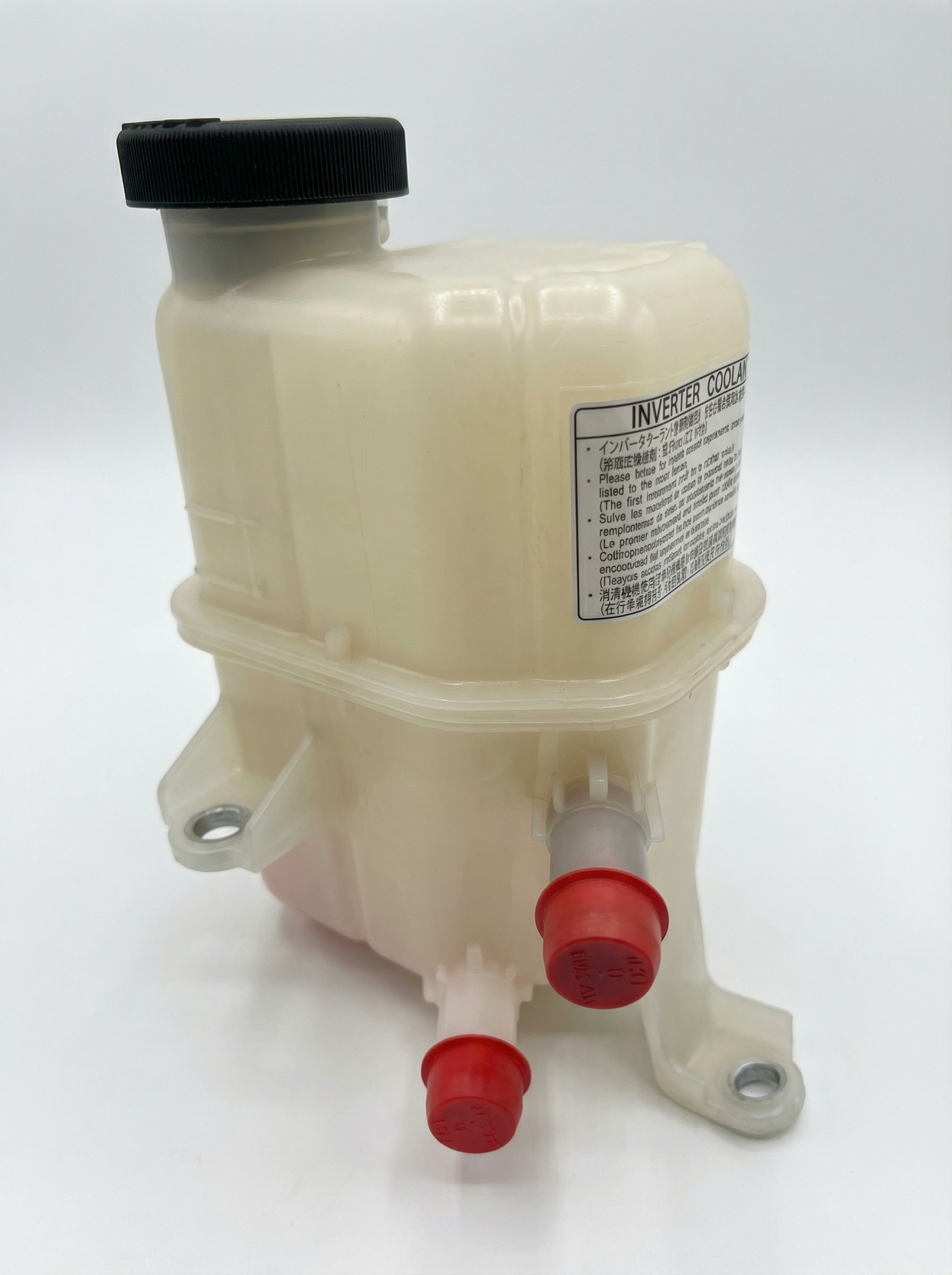
- Do not confuse the engine coolant reservoir with the separate, smaller reservoir for the hybrid inverter system.
Symptoms of a Failing Engine Coolant Reservoir
A failing coolant reservoir can present several obvious signs. Because it is made of plastic and lives in a hot engine bay, it's prone to cracking and degradation over time.
- Constant Low Coolant: If you find yourself frequently needing to top off your pink Toyota Super Long Life Coolant, the reservoir is a likely suspect. Slow leaks from small cracks can be hard to spot but will cause a noticeable drop in the coolant level over time.
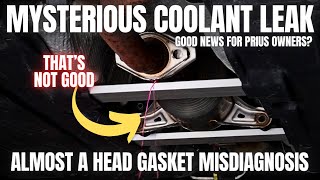
- Visible Coolant Leaks: You may find puddles of pink or orange fluid under the front of your car. You might also see dried coolant residue—a crusty, pinkish-white stain— 🎬 See how to track down a mysterious coolant leak.on or around the reservoir itself, especially near the cap or seams.
- Engine Overheating: If the reservoir can't hold coolant, the system will eventually run low, introducing air and leading to overheating. An overheating engine is a serious problem that can cause severe damage if not addressed immediately.
- Visible Cracks or Damage: A visual inspection may reveal hairline cracks, yellowing, or brittleness in the plastic. The plastic can become fragile from countless heat cycles and may crack under pressure.
- Steam from the Engine Bay: If you see steam coming from under the hood, it could be coolant escaping from a crack in the reservoir and hitting hot engine components.
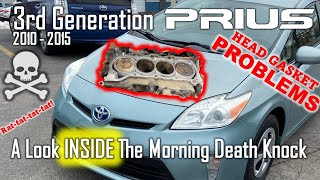
Warning: A leaking coolant reservoir can be a symptom of a much more serious problem. On the 1.8L 2ZR-FXE engine used in the Prius and CT200h, a clogged Exhaust Gas Recirculation (EGR) circuit can lead to excessive engine heat and, eventually, head gasket failure. This failure can over-pressurize the cooling system, forcing coolant out of the reservoir cap or even cracking the tank. If you replace the reservoir without addressing the root cause of the over-pressurization, the new part will likely fail again.
🎬 Watch: Understanding Prius head gasket issues and the EGR system.Vehicle and Part Compatibility
This engine coolant reservoir, OEM part number 16480-28080, is shared across several Toyota and Lexus hybrid models that use the same underlying platform.
- 2010-2015 Toyota Prius
- 2012-2015 Toyota Prius Plug-in
- 2012-2018 Toyota Prius V
- 2011-2017 Lexus CT200h
- 2010-2012 Lexus HS250h
While the Prius and CT200h use the 1.8L 2ZR-FXE engine, the Lexus HS250h uses a 2.4L 2AZ-FXE engine, yet it shares the same reservoir. For 2012-2015 Toyota Prius models, it is wise to verify your vehicle's 7th and 8th VIN digits to ensure a perfect match. This part fits standard Prius models with VINs starting '...DU...', Prius Plug-in models with VINs starting '...DP...', and Prius V models with VINs starting '...EU...'.
Buying a Used Engine Coolant Reservoir
A used OEM coolant reservoir is an excellent, cost-effective alternative to a new dealer part, especially when compared to cheap, poorly made aftermarket options. Here’s what to look for when buying a recycled part:
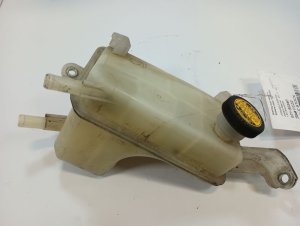
- Inspect for Cracks: Carefully examine the entire surface, especially around the mounting points, seams, and hose connections. Pay close attention to the neck where the cap twists on. Use a bright light to look for hairline fractures that might be hard to see.
- Check for Discoloration: The plastic should be a translucent white. Significant yellowing or a brownish tint indicates the plastic has become brittle from excessive heat and is more likely to crack.
- Examine the Hose Nipples: Ensure the inlet and outlet nipples are fully intact, with no cracks or chips. These are common failure points.
- Verify the Cap Seal: While many used reservoirs may not come with a cap, if one is included, check its gasket. A dry, cracked, or flattened gasket won't hold pressure. It's often a good idea to buy a new OEM cap regardless.
- Cleanliness Inside: The inside of the tank should be free of thick sludge, oil, or heavy sediment. An oily film is a major red flag for a head gasket leak on the donor vehicle. A clean tank from a low-mileage vehicle is ideal.
Pro Tip: Gently squeeze the tank (if possible). It should feel slightly flexible. If it feels extremely hard and brittle with no give, it's best to pass on it, as it will be prone to cracking upon installation or soon after.
Recalls and Technical Service Bulletins (TSBs)
As of early 2026, there are no specific recalls or TSBs issued by Toyota or the NHTSA for the engine coolant reservoir on these models. However, the cooling system as a whole has been the subject of owner complaints, often related to coolant loss that is ultimately traced back to other components like the EGR system or head gasket.
Replacement Overview and Difficulty
Replacing the engine coolant reservoir is a straightforward job that most DIY mechanics can complete with basic tools.
- Difficulty: 2 out of 5
- Estimated Time: 0.5 - 1 hour
- Tools Needed: 10mm socket/wrench, pliers for hose clamps, drain pan, funnel.
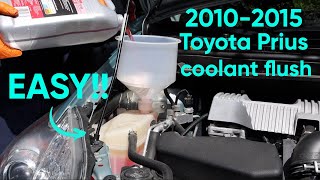
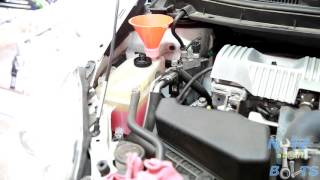
The general process involves removing a few 10mm bolts that secure the tank, using pliers to slide the hose clamps back and detach the coolant hoses, and lifting the tank out. Be prepared for some coolant to spill from the hoses. After installing the new tank, you will need to refill and 'burp' the system to remove any air that was introduced. This is a critical step to prevent overheating.
🎬 Watch: Step-by-step guide to draining and refilling your coolant.Cost Comparison
Prices can vary by location and supplier, but this provides a general cost expectation.
| Part Type | Estimated Cost |
|---|---|
| New OEM (Dealer) | $235 - $340 |
| New Aftermarket | $30 - $235 |
| Used OEM | $50 - $125 |
| Shop Labor | $70 - $150 |
Frequently Asked Questions (FAQ)
Is it safe to drive with a cracked coolant reservoir?
It is not recommended. A small crack can quickly become a large one, leading to rapid coolant loss and engine overheating, which can cause catastrophic engine damage. If you must drive, keep a very close eye on the temperature gauge and check the coolant level before every trip.
Why is my new reservoir leaking from the cap?
This could be due to a few reasons. First, the cap itself may be bad; the spring or gasket can fail. Second, and more concerningly, your engine's cooling system may be over-pressurized due to a separate issue like a failing head gasket, which is forcing coolant past the cap's pressure relief valve. If a new OEM cap doesn't solve the problem, have the system professionally diagnosed.
What's the difference between the engine and inverter coolant reservoirs?
These hybrids have two separate cooling systems. The large reservoir discussed here is for the gasoline engine. There is a second, smaller reservoir for the hybrid electronics (the inverter). They use the same type of pink coolant but are not connected. Both should be checked periodically.
Can I use a universal aftermarket reservoir?
No. This reservoir is custom-molded to fit a specific location in the engine bay and has specific hose connection points. A universal tank will not fit or function correctly. It is best to use a genuine OEM part, whether new or recycled, for a guaranteed fit.
Helpful Videos
Technical Specifications
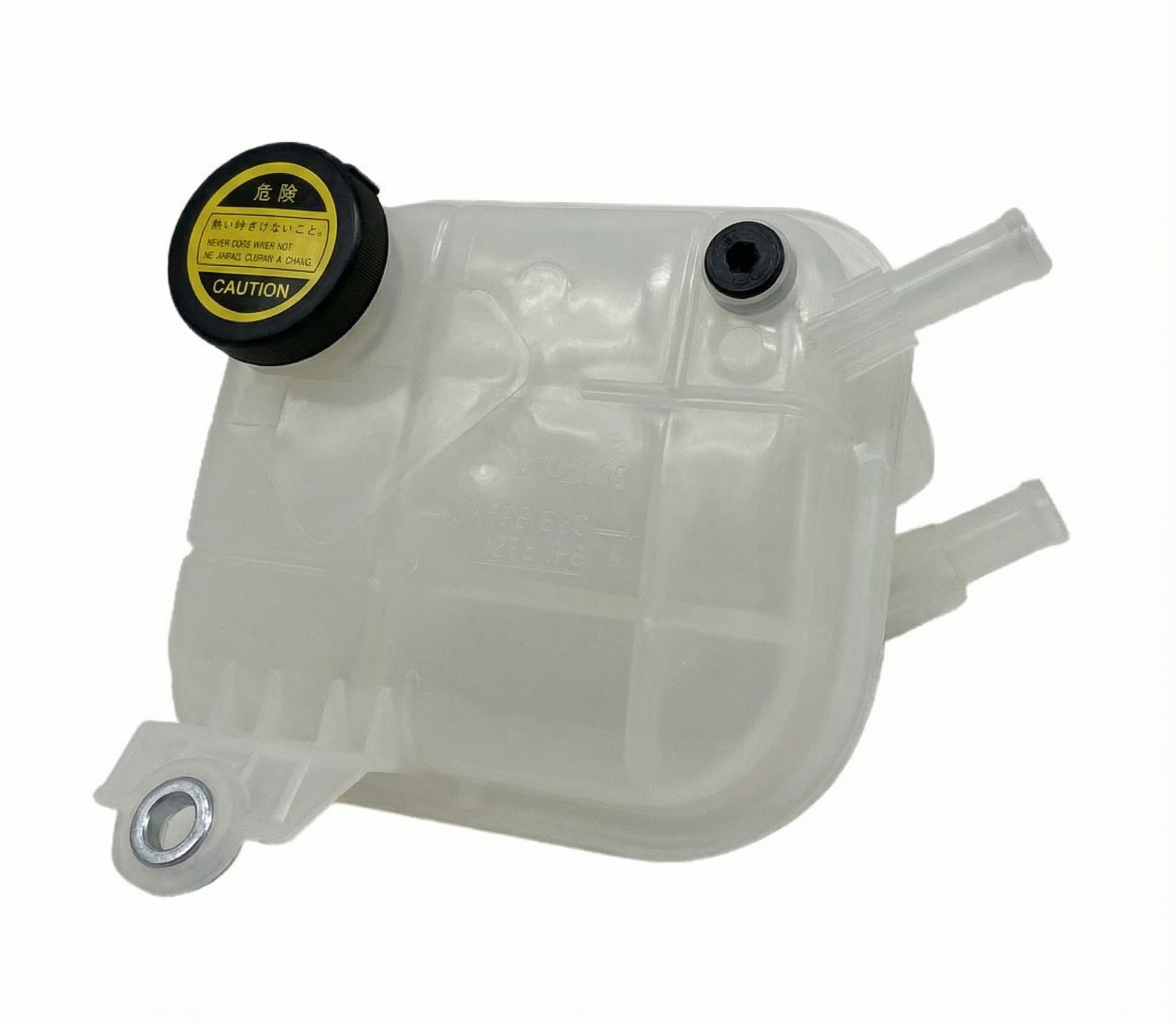
OEM Part Numbers: 16480-28080 1648028080
Material: Molded Plastic. Color: Translucent White. Includes connections for inlet and overflow hoses.
We Have This Part in Stock

The information in this article is provided for general reference and educational purposes only. Vehicle specifications, procedures, and part compatibility can vary by production date, trim level, and region. Always consult your vehicle's factory service manual and verify part numbers before purchasing or performing repairs. Safety-critical components such as airbags, seat belts, and braking systems should be installed by a qualified professional.
- Toyota Prius:
- Toyota Prius Plug-in:
- Toyota Prius V:
- Lexus CT200h:
- Lexus HS250h: