

1995-2005 Land Rover Fan Blade Failure: A Guide to Cracks, Explosions, and Replacement
This guide covers the two different engine cooling fan blades used on the 1995-2005 Range Rover and 1999-2004 Discovery, explaining how to identify the right part and avoid catastrophic failure.
- There are two different fan blades: Part ERR4960 for the Rover V8 (95-02 Range Rover, 99-04 Discovery) and PGG000041 for the BMW V8 (03-05 Range Rover).
- Visually inspect the fan blade for cracks around the center hub. Any crack means the fan is unsafe and must be replaced immediately to prevent a dangerous explosion.
- 2003-2004 Discovery II models have a one-piece fan/clutch. To replace a bad clutch, you must buy a new clutch AND a separate fan blade from an earlier model.
- It is highly recommended to replace the fan clutch and inspect the water pump any time you replace the fan blade.
Which Fan Blade Does Your Land Rover Need?
Before diagnosing issues or buying a replacement, you must identify which engine your Land Rover has, as the fan blades are not interchangeable. The vehicle range covered by this guide uses two completely different V8 engines and, therefore, two different fan blades.
Type 1: Rover V8 Engine Fan Blade
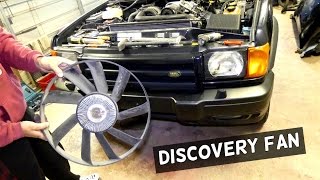
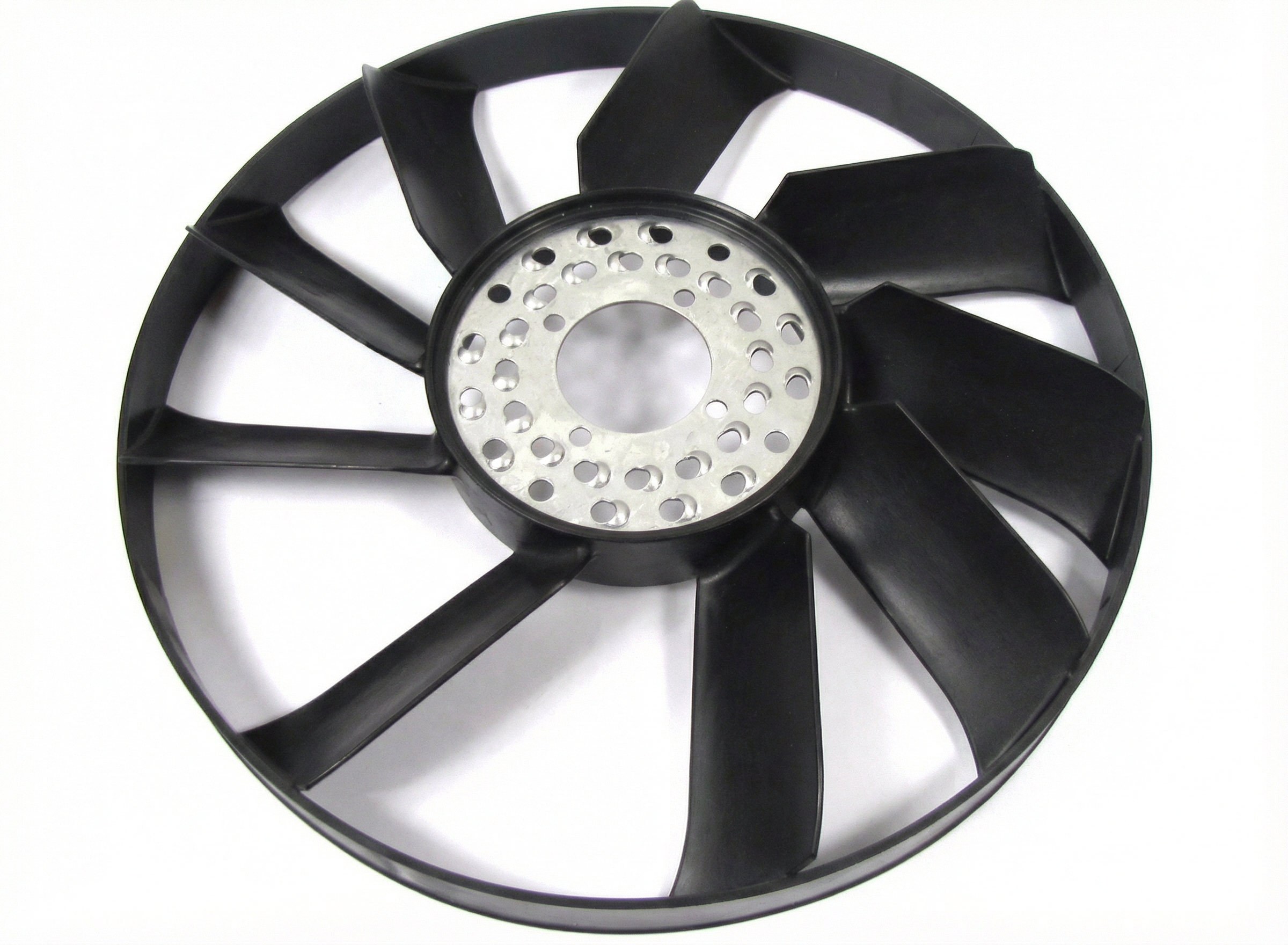
This fan blade is for the Land Rover V8 engine. It is a 9-blade design and is known by the part number ERR4960.
- 1999-2004 Land Rover Discovery Series II
- 1995-2002 Land Rover Range Rover (P38)
Compatibility Alert for 1999 Discovery: In 1999, Land Rover sold both the new Discovery Series II and the older Discovery I. This fan blade only fits the Discovery Series II. Verify your vehicle model before purchasing.
The 2003-2004 Discovery II Anomaly
While the ERR4960 blade fits Discovery II models from 1999-2002, the 2003-2004 models came from the factory with a one-piece fan and clutch assembly. On these later models, the fan blade cannot be separated from the original clutch. If you are replacing a failed clutch on a 2003-2004 Discovery II, you must also purchase a new fan blade designed for the earlier models (like the ERR4960 or an aftermarket equivalent) that can bolt to your new clutch.
Type 2: BMW V8 Engine Fan Blade
This fan blade is for the BMW M62 V8 engine used in the Range Rover for a short period. It is known by part numbers PGG000040 and the superseding number PGG000041.
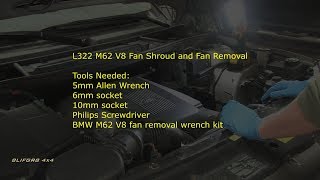
- 2003-2005 Land Rover Range Rover (L322) 🎬 Watch: How to remove the fan and shroud on L322 models
Symptoms of a Failing Fan Blade
A failing fan blade or its associated clutch can cause serious problems. Be aware of these warning signs.
1. Catastrophic Fan Blade Failure ("Explosion")
The most dangerous failure mode is when the plastic fan blades, weakened by age and heat cycles, break apart while the engine is running. This can sound like a small explosion under the hood. The flying plastic shards can destroy the fan shroud, puncture the radiator, slice through hoses, and even dent the hood. This is often preceded by a vibration or wobble.
2. Engine Overheating at Low Speeds
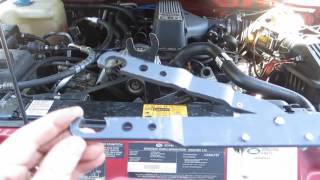
If your engine temperature gauge climbs in stop-and-go traffic but returns to normal at highway speeds, it's a classic sign that the fan is not pulling enough air. This is often a problem with the fan clutch not engaging properly 🎬 See these quick checks to test your viscous fan clutch, but a damaged or incorrect fan blade can also be the cause.
3. Visible Cracks in the Plastic
The most important preventative check is a visual inspection. Look for hairline cracks radiating outward from the center hub where the blade bolts to the clutch. Any cracks, no matter how small, mean the fan blade must be replaced immediately to prevent a catastrophic failure.
4. Loud Roaring or Whirring Noise
A constant, loud "jet engine" roar that rises and falls with engine RPM can indicate that the viscous fan clutch is seized. While this is a clutch failure, it puts constant, unnecessary stress on the fan blade and water pump bearing, and the clutch and blade should be replaced together.
Buying a Used Engine Cooling Fan Blade
A used OEM fan blade can be a good value, as the original parts often use higher-quality plastics than cheap aftermarket alternatives. However, careful inspection is mandatory.
Physical Inspection Checklist:
- CRACKS ARE A DEAL-BREAKER: The number one thing to check for is cracks. Use a bright light and inspect the entire fan blade, front and back. Pay extremely close attention to the area around the center mounting holes. Any sign of a crack means the part is junk.
- Check for Brittleness: Gently flex one of the blades. It should have a small amount of give. If it feels extremely stiff, brittle, or makes crackling sounds, the plastic has degraded and is unsafe to use.
- Look for Impact Damage: Check the leading edges of all blades for nicks, chips, or missing chunks. Even small damage can unbalance the fan, leading to vibrations that can destroy the water pump bearing over time.
- Verify the Part Number: Make sure you are buying the correct part for your engine (ERR4960 for Rover V8, PGG000041 for BMW V8). Do not rely on visual memory alone.
Pro Tip: Given the age of these vehicles, the plastic on any original fan blade has been through tens of thousands of heat cycles. Even if a used fan looks good, it carries a higher risk of failure than a new part. Weigh the cost savings against the potential for catastrophic damage.
Known Issues, TSBs, and Recalls
There are no active recalls or Technical Service Bulletins (TSBs) from the NHTSA specifically for the engine cooling fan blade on these Land Rover models. However, the tendency for the plastic blades to become brittle and fail over time is a widely documented issue in owner forums and among Land Rover specialists. The failure is almost always due to the age and material properties of the plastic, not a specific design flaw that would trigger a recall.
Replacement Overview and Difficulty
- Difficulty Rating: 3 out of 5
- Estimated Time: 1-2 hours
- DIY Feasible: Yes, with the correct tools.
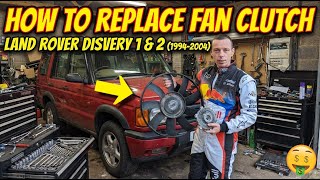
Replacing the fan blade and clutch assembly is straightforward but requires special tools. 🎬 Watch this walkthrough on removing the cooling fan and clutch The main challenge is breaking loose the large nut that holds the assembly to the water pump.
Required Special Tools:
- Fan Clutch Wrench: A thin, long-handled 36mm wrench is required for the large nut on the Rover V8 models.
- Fan Hub Holding Tool: A tool that bolts or hooks onto the water pump pulley bolts to keep it from turning while you loosen the main nut.
Pro Tip: Always replace the fan clutch when you replace the fan blade. A failing clutch can cause a new blade to perform poorly, and a seized clutch can cause a new blade to fail prematurely. It's also wise to inspect the water pump for any play or leaks and consider replacing it at the same time, as all three components are related and require the same labor to access.
Cost Comparison
| Part/Service | Estimated Cost |
|---|---|
| New OEM Fan Blade | $110 - $180 |
| New Aftermarket Fan Blade | $30 - $70 |
| Used OEM Fan Blade | $40 - $90 |
| Shop Labor to Replace | $150 - $300 |
Note: Costs are estimates and can vary based on location, supplier, and the specific part required. Labor costs assume replacement of the fan blade and clutch together.
Frequently Asked Questions (FAQ)
Can I drive with a cracked or broken fan blade?
No. It is extremely unsafe. A cracked fan blade can come apart at any moment, causing extensive and expensive damage to your radiator, hoses, and hood. If you see a crack, do not start the engine. The vehicle must be repaired before it is driven.
Should I replace my fan clutch with the fan blade?
Yes, absolutely. The fan blade and fan clutch work together, and the labor to access them is identical. A worn fan clutch can cause your new fan blade to not work correctly, and a seized clutch can put enough stress on a new blade to cause it to fail. It is considered best practice to replace them as a set.
Why did my 2003 Discovery II have a one-piece fan assembly?
For the 2003 and 2004 model years, Land Rover used a one-piece fan and clutch assembly where the parts were not designed to be separated. If you own one of these years and the clutch fails, you must buy both a new clutch and a new, separate fan blade (from a 1999-2002 model) to replace the integrated unit.
Is a cheap aftermarket fan blade a good idea?
It can be a gamble. While some aftermarket blades are fine, others are made from lower-quality plastic that may not hold up to the engine bay heat and stress as well as the OEM part. A high-quality used OEM blade that has been carefully inspected is often a better choice than a new, cheap aftermarket part.
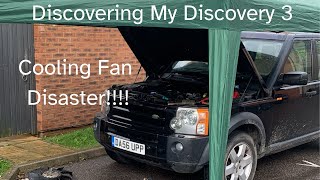
Helpful Videos

Technical Specifications
OEM Part Numbers: ERR4960 PGG000040 PGG000041
Rover V8 Fan (ERR4960): 9-blade design. BMW V8 Fan (PGG000041): 11-blade design. Both are for belt-driven, viscous clutch cooling systems.
We Have This Part in Stock

The information in this article is provided for general reference and educational purposes only. Vehicle specifications, procedures, and part compatibility can vary by production date, trim level, and region. Always consult your vehicle's factory service manual and verify part numbers before purchasing or performing repairs. Safety-critical components such as airbags, seat belts, and braking systems should be installed by a qualified professional.
- Land Rover Range Rover:
- Land Rover Discovery:
- 🎬 Helpful Videos
- 🛍️ Shop This Part
- Which Fan Blade Does Your Land Rover Need?
- Type 1: Rover V8 Engine Fan Blade
- Type 2: BMW V8 Engine Fan Blade
- Symptoms of a Failing Fan Blade
- 1. Catastrophic Fan Blade Failure ("Explosion")
- 2. Engine Overheating at Low Speeds
- 3. Visible Cracks in the Plastic
- 4. Loud Roaring or Whirring Noise
- Buying a Used Engine Cooling Fan Blade
- Physical Inspection Checklist:
- Known Issues, TSBs, and Recalls
- Replacement Overview and Difficulty
- Required Special Tools:
- Cost Comparison
- Frequently Asked Questions (FAQ)
- 🎟️ Get 5% Off