

1982-1985 S10, Sonoma & Blazer Fan Clutch: Overheating, Noise, and the 'CCR' Code
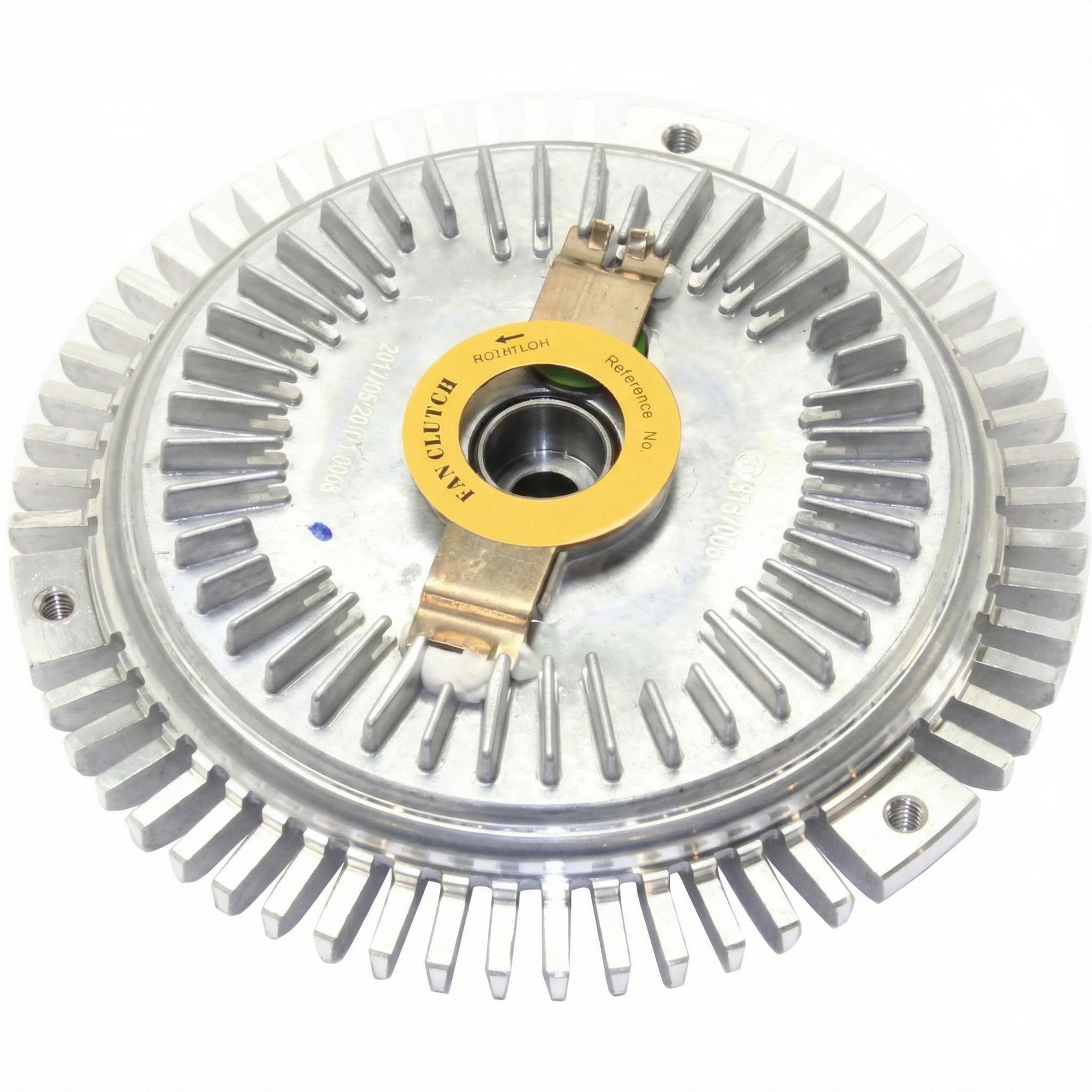
This guide covers the common failure symptoms, replacement costs, and critical compatibility details for the engine cooling fan clutch on the 1982-1985 Chevrolet S10, GMC Sonoma, S10 Blazer, GMC S15 Jimmy, and GMC S15.
- Fitment is critical. For 1985 models with the 2.5L engine and A/C, the fan clutch must have the ID code 'CCR' to function correctly.
- The most common failure symptom is engine overheating at idle or in slow traffic, which returns to normal at higher speeds.
- Before buying a used clutch, check for leaks and test it by hand: it should have smooth resistance, not spin freely or be seized.
- A seized clutch will cause a loud, constant roaring noise and reduce engine power and fuel economy.
Symptoms of a Failing Fan Clutch
A failing fan clutch can cause a range of issues, from annoying noises to potentially catastrophic engine damage from overheating. Here are the most common symptoms for the Chevrolet S10, GMC Sonoma, S10 Blazer, GMC S15 Jimmy, and GMC S15.
1. Engine Overheating at Low Speeds or Idle
This is the most classic sign of a bad fan clutch. When you're stuck in traffic or driving slowly, there isn't enough natural airflow through the radiator. The fan is supposed to compensate, but if the clutch isn't engaging, the fan won't spin fast enough to cool the engine. If you notice the temperature gauge climbing at red lights but returning to normal once you're moving at a steady speed (over 30-40 MPH), the fan clutch is a primary suspect.
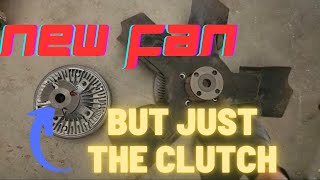
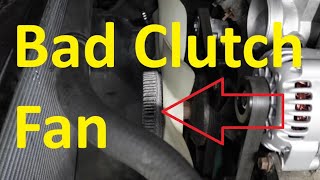
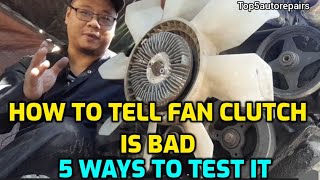
🎬 Watch: How to test if your fan clutch has failed2. Loud Roaring Noise from the Engine Bay
If the fan clutch fails in the engaged position, it will be locked to the engine's speed. This creates a loud roaring or "jet engine" sound that gets louder with engine RPM. This noise will be most noticeable on startup and during acceleration and may not quiet down as you reach higher speeds. A clutch stuck in this state constantly robs the engine of power and can hurt fuel economy.
3. Poor Air Conditioning Performance at Idle
Your vehicle's A/C system relies on air flowing over the condenser (which looks like a small radiator) to work effectively. If the fan clutch isn't engaging at idle, there won't be enough airflow over the condenser, causing the A/C to blow warm or cool—but not cold—air when the vehicle is stopped.
4. Noticeable Decrease in Power and Fuel Economy
A fan clutch that is seized or stuck in the 'on' position puts a constant drag on the engine. The engine has to work harder to spin the fan at high speed, even when it's not needed. This parasitic loss can lead to sluggish acceleration and a noticeable drop in fuel efficiency.
Known Issues and Vehicle-Specific Information
For these first-generation S-series trucks, the most significant issue with the fan clutch is ensuring correct fitment. There are no specific recalls or widespread Technical Service Bulletins (TSBs) from GM or the NHTSA related to the fan clutch on these models. The primary challenge is part variation.
Compatibility Warning: The 'CCR' Code
Fitment for the fan clutch on these vehicles is highly specific and depends on the engine, model year, and options like air conditioning. A critical piece of information for 1985 models equipped with the 2.5L 4-cylinder engine and air conditioning is the three-letter identification code 'CCR'. This code is often stamped on the part itself. If your vehicle requires a clutch with the 'CCR' code, you must use a part with that exact identifier to ensure proper cooling performance. Using the wrong clutch can lead to overheating or improper fan engagement. Always verify your vehicle's specific requirements before purchasing.
Buying a Used Engine Cooling Fan Clutch
A quality used OEM fan clutch can be a reliable and cost-effective alternative to a new part, especially compared to cheap aftermarket units which may not engage at the correct temperature. Here’s what to inspect before you buy.
1. Perform the Spin Test
With the clutch off the vehicle, try to spin it by hand. It should turn with a smooth, firm resistance, almost like it's moving through thick honey. It should not spin freely for more than one revolution, nor should it be completely seized and impossible to turn.
- Too Loose: If it spins easily with little to no resistance, the internal silicone fluid has likely leaked out, and it will not engage properly. Do not buy it.
- Too Stiff/Seized: If it's extremely difficult or impossible to turn by hand, it has failed in the locked position. This will cause a constant roar and rob engine power. Do not buy it.
2. Check for Leaks and Wobble
Inspect the body of the fan clutch carefully. Look for oily residue, especially around the front seal where the bi-metal spring is located and around the bearing at the back. Any sign of fluid leakage means the clutch is failing and should be rejected. Also, hold the main body and try to wiggle the flange where the fan blades mount. There should be no side-to-side play or wobble. Excessive play indicates a worn-out bearing.
3. Verify Part Numbers and ID Codes
This is the most critical step. Due to the variations, you must match the part to your vehicle's exact configuration. The verified OEM part number is 88961755, which replaced the earlier number 14046527. For 1985 2.5L models with A/C, look for the 'CCR' code stamped on the unit. Do not purchase a part if you cannot confirm it is correct for your specific engine and options.
Installation Overview and Difficulty
Replacing the fan clutch on these trucks is a straightforward job for a DIY mechanic with basic hand tools.
- Difficulty Rating: 2 out of 5
- Estimated Time: 0.5 - 1.0 hours
- Tools Needed: Ratchet and socket set, wrenches (often a large one for the main nut or smaller ones for the four studs), screwdriver (for fan shroud clips/screws).
Basic Replacement Steps:
- Disconnect Battery: As a safety precaution, disconnect the negative battery terminal.
- Remove Fan Shroud: The plastic shroud around the fan often comes in two pieces. Remove any clips or bolts holding the top half and lift it out of the way.
- Loosen Fan Clutch: The fan clutch is attached to the water pump pulley. There are typically four nuts holding it onto studs on the pulley. You may need to use a wrench to hold the pulley still while loosening the nuts.
- Remove Fan and Clutch Assembly: Once the nuts are off, the fan and clutch assembly can be carefully lifted out of the engine bay.
- Separate Fan from Clutch: Place the assembly on a workbench and unbolt the fan blades (usually four bolts) from the old clutch.
- Install New Clutch: Bolt the fan blades onto the new clutch and install the assembly back onto the water pump pulley. Tighten the nuts securely.
- Reinstall Shroud: Put the fan shroud back into position and secure it.
- Reconnect Battery: Reconnect the negative battery terminal and start the engine to test for proper operation.
Pro Tip: When the engine is first started cold, it's normal to hear the fan roar for 30-60 seconds. This is because the fluid inside the clutch has settled while sitting. The noise should quickly fade as the fluid redistributes.
Cost Comparison
The cost to replace a fan clutch can vary significantly based on the part source and whether you do the work yourself.
| Part Type | Part Cost | Shop Labor Cost | Total Estimated Cost |
|---|---|---|---|
| New OEM | $150 - $250 | $95 - $140 | $245 - $390 |
| New Aftermarket | $40 - $80 | $95 - $140 | $135 - $220 |
| Used OEM | $30 - $75 | $95 - $140 | $125 - $215 |
| Shop Labor Only | N/A | $95 - $140 | $95 - $140 |
Frequently Asked Questions (FAQ)
Can I test my old fan clutch before replacing it?
Yes. With the engine completely cool and turned off, try to spin the fan blade by hand. It should have some resistance and stop within one rotation. If it spins freely or feels wobbly, it's bad. Also, with the engine warm and turned off, the clutch should have significantly more resistance to turning by hand. If there's no change in resistance between hot and cold, the clutch is not working correctly.
🎬 Watch: A mechanic explains common bad fan clutch symptomsWhat does the 'CCR' code on the fan clutch mean?
The 'CCR' is a specific production code used by General Motors to identify a particular version of the fan clutch. For 1985 S10, S10 Blazer, and GMC equivalents with the 2.5L engine and A/C, this code signifies the clutch with the correct engagement temperature and specifications for that powertrain combination. Using a non-CCR clutch on a vehicle that requires it can lead to cooling problems.
Is a loud fan noise on a cold start normal?
Yes, for a short period. When the vehicle has been sitting, the silicone fluid inside the clutch can settle in a way that causes it to be partially engaged on startup. This results in a noticeable fan roar for up to a minute before it quiets down. If the roaring noise does not go away after a minute or two of driving, the clutch may be failing.
Can I just eliminate the fan clutch and bolt the fan directly to the pulley?
This is not recommended. While it is physically possible with some modifications, it would cause the fan to spin at full engine speed all the time. This creates a constant loud roar, significantly reduces engine power and fuel economy, and can cause the engine to run too cool in the winter, affecting performance and heating. It also puts unnecessary stress on the fan blades and water pump bearing.
Helpful Videos
Technical Specifications
OEM Part Numbers: 88961755 14046527
Thermally-activated viscous clutch. Standard rotation. Fitment identified by specific application and, in some cases, an ID code such as 'CCR'.
We Have This Part in Stock

The information in this article is provided for general reference and educational purposes only. Vehicle specifications, procedures, and part compatibility can vary by production date, trim level, and region. Always consult your vehicle's factory service manual and verify part numbers before purchasing or performing repairs. Safety-critical components such as airbags, seat belts, and braking systems should be installed by a qualified professional.
- Chevrolet S10:
- GMC Sonoma:
- Chevrolet S10 Blazer:
- GMC S15 Jimmy:
- GMC S15:
- 🎬 Helpful Videos
- 🛍️ Shop This Part
- Symptoms of a Failing Fan Clutch
- 1. Engine Overheating at Low Speeds or Idle
- 2. Loud Roaring Noise from the Engine Bay
- 3. Poor Air Conditioning Performance at Idle
- 4. Noticeable Decrease in Power and Fuel Economy
- Known Issues and Vehicle-Specific Information
- Compatibility Warning: The 'CCR' Code
- Buying a Used Engine Cooling Fan Clutch
- 1. Perform the Spin Test
- 2. Check for Leaks and Wobble
- 3. Verify Part Numbers and ID Codes
- Installation Overview and Difficulty
- Basic Replacement Steps:
- Cost Comparison
- Frequently Asked Questions (FAQ)
- 🎟️ Get 5% Off