

2002-2008 Jeep Liberty Fan Clutch: Overheating, Roaring Noises, and Diagnosis
This guide covers the common failure symptoms, diagnostic tests, and replacement costs for the two different engine cooling fan clutches used on the 2002-2008 Jeep Liberty.
- There are two different fan clutches for this Jeep Liberty generation: one for the 3.7L V6 gas engine and a separate one for the 2.8L diesel.
- The most common failure symptom is engine overheating in slow traffic that goes away at highway speeds.
- Many owners report that aftermarket fan clutches cause excessive noise; a used OEM Mopar part is often a more reliable choice.
- A simple 'spin test' with the engine off can diagnose the clutch: if it spins freely when hot, it's bad.
Engine & Part Variations: 3.7L Gas vs. 2.8L Diesel
The 2002-2008 Jeep Liberty (KJ) used two completely different fan clutches depending on the engine. It is critical to identify your engine before purchasing a replacement part, as they are not interchangeable.
Compatibility Warning: Always verify your engine size before ordering. The fan clutch for the 3.7L V6 gas engine will not fit the 2.8L 4-cylinder diesel engine, and vice-versa.
- 3.7L V6 Gas (2002-2008): This is the most common engine. The fan clutch for this engine has a counter-clockwise (reverse) rotation. It is also shared with some 2007-2008 Dodge Nitro models (3.7L & 4.0L V6).
- 2.8L L4 CRD Diesel (2005-2006): This engine was only available for two model years. It uses a specific fan clutch, also with a counter-clockwise rotation.
Symptoms of a Failing Fan Clutch
A bad fan clutch can cause a few distinct symptoms. Often, the first sign appears during low-speed driving or when idling.
| Symptom | Description |
|---|---|
| Engine Overheating at Low Speeds | This is the most common symptom. The engine temperature gauge climbs when you're in stop-and-go traffic or idling, but cools down once you get moving at highway speeds. This happens because the fan isn't pulling enough air through the radiator without the help of natural airflow from driving fast. |
| Loud Roaring Noise | If the fan clutch fails in the locked position, it will spin at full speed all the time. This creates a loud, continuous roar that gets louder with engine RPM. 🎬 See and hear what a loud, failing fan sounds like. This can also lead to a noticeable loss of power and reduced fuel economy. A brief roar on a cold start that goes away after a minute is normal. |
| Poor Air Conditioning Performance | The A/C condenser sits in front of the radiator and also needs airflow to work properly. A failing fan clutch can cause poor A/C cooling, especially when the vehicle is not moving. |
| Fan Wobble or Free-Spinning | With the engine off, if you can wiggle the fan blade tip more than about a quarter-inch back and forth, the bearing may be worn. If the fan spins too freely (more than a few rotations) with a light push when the engine is hot, the internal fluid has likely failed. |
How to Diagnose a Bad Fan Clutch
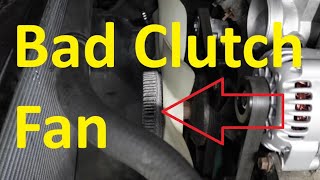
You can perform a few simple tests at home to determine if your fan clutch is faulty. 🎬 Watch: A quick guide on testing for fan clutch failure. For all tests, make sure the engine is off.
The Spin Test
- When the engine is cold: Spin the fan by hand. It should turn with a slight, consistent drag. It should not spin freely for more than 1-2 rotations.
- When the engine is hot: Run the engine until it reaches normal operating temperature. Turn the engine off. Carefully try to spin the fan again. The resistance should be noticeably higher than when it was cold.
- Test Result: If the fan spins freely (more than 3-5 rotations) when hot, the clutch is bad. If it feels seized and is extremely difficult or impossible to turn by hand, it is also bad.
The Wobble Test
- Grasp the fan at the top and bottom.
- Try to rock it back and forth towards the radiator and the engine.
- Test Result: A very small amount of play (less than 1/4 inch at the fan tip) is normal. Excessive wobble indicates a failed bearing in the fan clutch.
Important: Excessive wobble can also be caused by a failing water pump bearing, as the fan clutch is mounted directly to it. If you find significant wobble, inspect the water pump for leaks from its weep hole.
Visual Inspection
Look at the body of the fan clutch, especially around the center hub where the bearing is. Oily streaks or a build-up of greasy dirt are clear signs that the internal silicone fluid is leaking out, which means the clutch needs to be replaced.
Buying a Used Engine Cooling Fan Clutch
A used OEM fan clutch can be a smart and reliable alternative to a new part, especially when compared to cheap aftermarket options. Forum discussions with Jeep Liberty owners frequently show that aftermarket fan clutches often do not perform like the original, sometimes engaging too often or not at all, leading to noise and cooling issues. A low-mileage used OEM unit is often a better choice.
What to Check Before Buying
- Check for Leaks: Inspect the clutch body for any signs of oil leakage. A clean, dry unit is essential.
- Perform the Spin Test: Even on a bench, you can feel for the clutch's internal resistance. It should not spin freely like a pinwheel, nor should it feel seized or gritty when you turn it. It should have a smooth, viscous drag.
- Check for Wobble: Hold the main body and try to wiggle the threaded mounting hub. There should be no discernible play or looseness in the bearing.
- Verify the Part Number: Double-check that the OEM part number matches the requirement for your 3.7L or 2.8L engine.
- Why Used OEM is Often Better: The thermal spring on the front of the fan clutch is calibrated specifically for the Jeep Liberty's cooling system. Many aftermarket units use generic springs that cause them to engage at the wrong temperatures, leading to the common complaints of excessive noise and constant running. A genuine Mopar part, even used, will have the correct calibration.
Cost Comparison
Prices can vary based on supplier and brand, but here is a general cost breakdown:
| Part Type | Estimated Cost |
|---|---|
| New OEM (Mopar) | $250 - $400 |
| New Aftermarket | $50 - $100 |
| Used OEM | $40 - $90 |
| Shop Labor | $90 - $130 |
Replacement Overview
Replacing the fan clutch is a feasible DIY job for someone with mechanical experience and the right tools.
- Difficulty: 3 out of 5
- Estimated Time: 1-2 hours
- Essential Tools:
- Fan Clutch Pulley Holding Tool (can often be rented from auto parts stores)
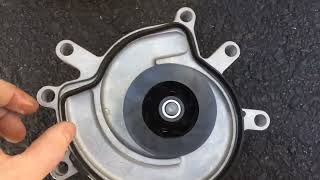
- Large Wrench (36mm or 1 7/16" for the 2.8L Diesel 🎬 Watch: Step-by-step fan clutch installation for the 2.8L Diesel engine.)
- Standard socket/wrench set (13mm for fan bolts)
Pro Tip: The large nut that holds the fan clutch to the water pump has reverse threads on the 3.7L V6. This means you turn it clockwise to loosen it. The nut typically loosens in the same direction the fan spins. Leaving the serpentine belt on during removal can help hold the pulley still.
Known Issues, TSBs, and Recalls
As of early 2026, there are no specific recalls or widespread Technical Service Bulletins (TSBs) from NHTSA for fan clutch failure on the 2002-2008 Jeep Liberty. However, many owners in online forums report poor experiences with aftermarket and "heavy duty" replacements, which often lock up and create excessive noise. Sticking with an OEM Mopar part is highly recommended for proper operation.
Technical Specifications & OEM Part Numbers
Ensure you are purchasing the correct part for your engine.
For 3.7L V6 Gas Engine:
- OEM Part Numbers: 52079718AC, 52079718AD, 55038106AA
- Rotation: Counter-Clockwise (Reverse)
For 2.8L L4 Diesel Engine:
- OEM Part Numbers: 55037733AC, 55037733AD
- Rotation: Counter-Clockwise (Reverse)
Frequently Asked Questions (FAQ)
Can I drive with a bad fan clutch?
It is not recommended. If the clutch has failed and is not engaging, your engine will likely overheat in slow traffic, which can cause severe engine damage. If it has failed in the locked position, it puts constant strain on the water pump bearing and hurts fuel economy, but is less likely to cause immediate damage.
Why is my new aftermarket fan clutch so loud?
This is a very common complaint. Many aftermarket clutches, especially "heavy duty" or "severe duty" models, are not calibrated correctly for the Liberty. They engage too easily and stay locked, creating a constant roaring sound. This is why many owners recommend using an OEM Mopar part.
Is the fan clutch part of the water pump?
No, they are separate parts, but the fan clutch screws onto the front of the water pump pulley. Because they are connected, a bad water pump bearing can cause the fan to wobble, and a seized fan clutch can put stress on the water pump bearing. It is common practice to inspect the water pump when replacing the fan clutch.
What tools do I need to replace a Jeep Liberty fan clutch?
You will need a special fan clutch wrench set, which includes a large, thin wrench for the nut and a holding tool to keep the pulley from spinning. These can often be rented from local auto parts stores. For the 2.8L Diesel, a 36mm or 1 7/16" wrench is required.
Helpful Videos
Technical Specifications
OEM Part Numbers: 52079718AC (3.7L) 52079718AD (3.7L) 55038106AA (3.7L) 55037733AC (2.8L Diesel) 55037733AD (2.8L Diesel)
Rotation: Counter-Clockwise (Reverse) for both engine types. Mounting: Thread-on to water pump pulley.
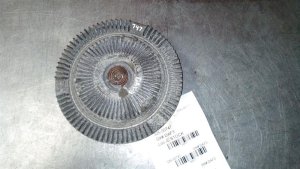
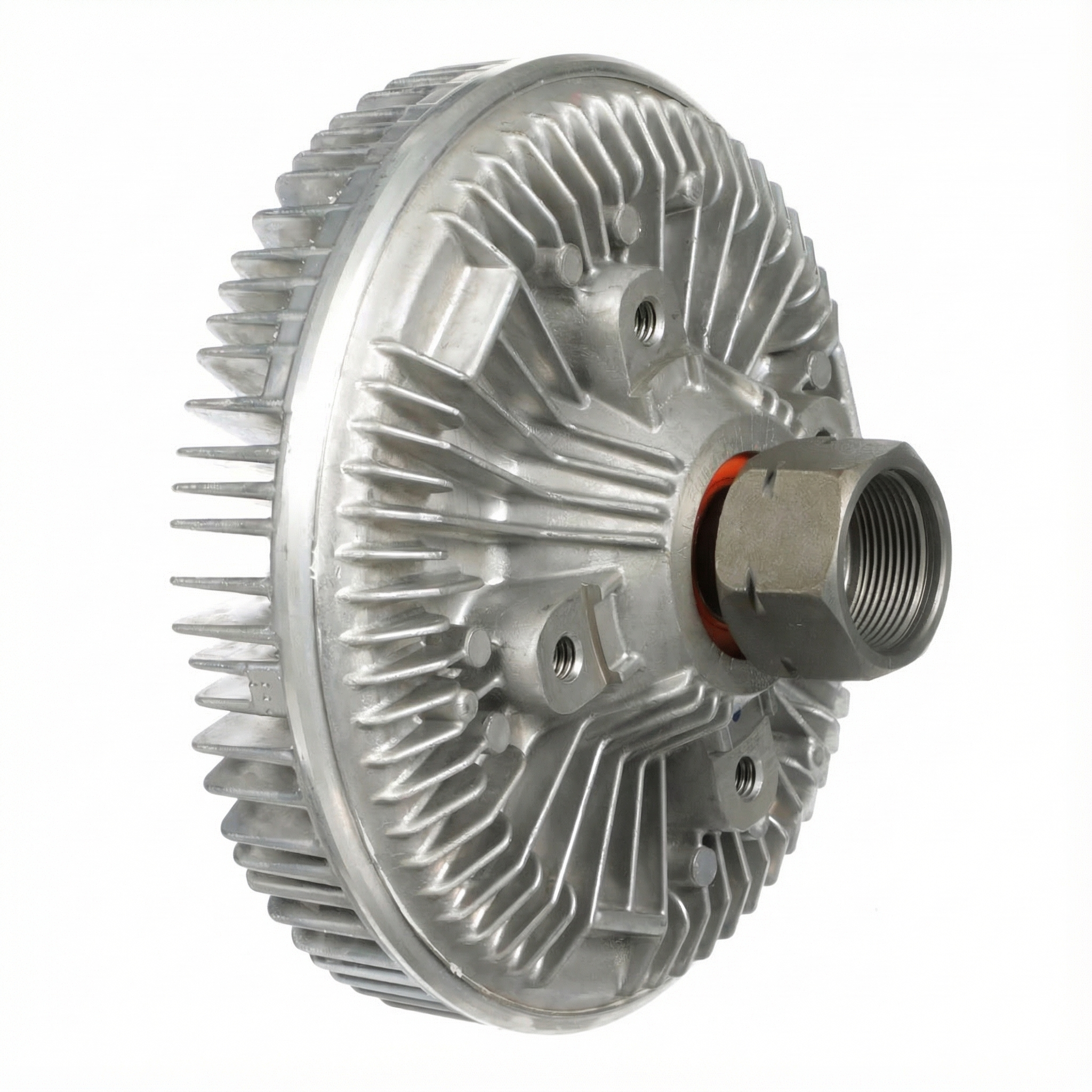
We Have This Part in Stock

The information in this article is provided for general reference and educational purposes only. Vehicle specifications, procedures, and part compatibility can vary by production date, trim level, and region. Always consult your vehicle's factory service manual and verify part numbers before purchasing or performing repairs. Safety-critical components such as airbags, seat belts, and braking systems should be installed by a qualified professional.
- Jeep Liberty:
- 🎬 Helpful Videos
- 🛍️ Shop This Part
- Engine & Part Variations: 3.7L Gas vs. 2.8L Diesel
- Symptoms of a Failing Fan Clutch
- How to Diagnose a Bad Fan Clutch
- The Spin Test
- The Wobble Test
- Visual Inspection
- Buying a Used Engine Cooling Fan Clutch
- What to Check Before Buying
- Cost Comparison
- Replacement Overview
- Known Issues, TSBs, and Recalls
- Technical Specifications & OEM Part Numbers
- For 3.7L V6 Gas Engine:
- For 2.8L L4 Diesel Engine:
- Frequently Asked Questions (FAQ)
- 🎟️ Get 5% Off