

GM 1.4L Turbo Valve Cover Failure: Fixing P0171 & Whistling Noises on Cruze, Sonic, Encore, Trax & More
This is the definitive guide to the common engine valve cover failure on 2011-2022 GM 1.4L turbo vehicles, which is caused by a hidden PCV system defect.
- The most common failure is the integrated PCV valve diaphragm inside the cover, not the cover or gasket itself.
- A loud whistle, rough idle, and a P0171 check engine code are classic symptoms of this failure.
- A missing check valve in the intake manifold can cause repeat failures of the valve cover; inspect it before replacement.
- GM issued a Special Coverage program (10 years/120k miles) for many of these vehicles, so check with a dealer first.
- Replacement is a simple DIY job requiring an E10 and T30 Torx socket, with a torque spec of 71 in-lbs.
Symptoms of a Failing Valve Cover & PCV System
A failure in the GM 1.4L engine's valve cover assembly is almost always a failure of the internal PCV diaphragm. When this happens, unmetered air is sucked into the engine, creating a large vacuum leak. The symptoms are consistent across all affected vehicles, including the 2011-2016 Chevrolet Cruze, 2013-2022 Buick Encore, 2013-2022 Chevrolet Trax, 2016 Chevrolet Cruze Limited, 2012-2020 Chevrolet Sonic, and 2014-2016 Cadillac ELR.
- Loud Whistling or Sucking Noise: The most obvious symptom is a distinct hissing or whistling sound coming from the engine bay at idle. This is the sound of air being sucked through the torn PCV diaphragm.
- Check Engine Light: The vacuum leak will trigger a Check Engine Light. The most common code is P0171 (System Too Lean). You may also see codes like P1101 (Intake Air Flow System Performance) or P0106 (Manifold Absolute Pressure Sensor Performance).
- Rough Idle and Poor Performance: The engine may idle erratically, stumble, or shake. You may also experience hesitation during acceleration and a general loss of power.
- High Oil Consumption and Leaks: The intense vacuum created by the failure can pull oil past engine seals. This can lead to increased oil consumption, blue smoke from the exhaust, and can even force oil out of the filler cap or cause other seals, like the rear main seal, to fail.
Pro Tip: Quick Diagnosis: With the engine running at idle, try to remove the oil filler cap. If it's very difficult to remove due to strong suction, the PCV diaphragm has likely failed. Another test is to hold a small, light piece of paper or a tissue over the small vent hole on the top of the valve cover; if the paper is sucked against the hole, it confirms the failure.
The Root Cause: A Two-Part Problem
While replacing the valve cover fixes the immediate symptoms, it may not be a permanent solution. The failure is often caused by another related issue.
1. The Valve Cover PCV Diaphragm
The primary failure is a tear in the rubber diaphragm of the PCV pressure regulator valve built into the cover. This diaphragm becomes brittle over time from heat and exposure to oil vapors, eventually cracking and creating a vacuum leak. Because it is integrated into the cover, the entire assembly must be replaced.
2. The Intake Manifold Check Valve
A less obvious but critical failure point is a small, orange check valve located inside the intake manifold. This valve can become dislodged and sucked into the engine. When this check valve is missing, the PCV system experiences excessive vacuum and pressure fluctuations, which can quickly destroy the diaphragm in a brand-new valve cover. If you replace the valve cover without checking for this intake manifold valve, your new cover may fail almost immediately. Before replacing your valve cover, remove the PCV hose from the intake manifold and look inside the port to ensure the check valve is still there. If it is missing, the intake manifold must be replaced along with the valve cover for a complete and lasting repair.
Is Your Vehicle Covered? GM Special Coverage Program
Due to the high failure rate, General Motors issued a Special Coverage program for this issue, which acts as a specific warranty extension. Program N202299080 covers certain model years for 10 years or 120,000 miles from the original service date. This applies to:
- 2014 Buick Encore
- 2011-2014 Chevrolet Cruze
- 2012-2014 Chevrolet Sonic
- 2014 Chevrolet Trax
A similar program was issued for 2015-2016 Chevrolet Cruze and 2015 Chevrolet Sonic models. If your vehicle falls within these ranges and has this issue, contact a GM dealer with your VIN to see if the repair is covered at no charge.
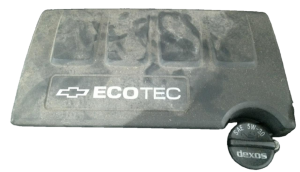
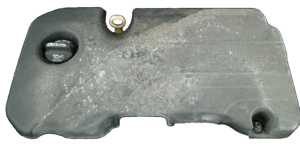
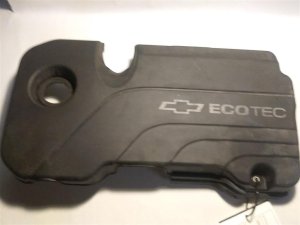
Buying a Used Engine Cover: What to Check
For buyers of used or recycled parts, this component presents a unique challenge. While a used OEM part can be a good value, especially compared to a low-quality new aftermarket part, there are risks.
- The Real Failure is Internal: The key failure component is the internal rubber PCV diaphragm, which you cannot inspect visually. A used cover from a high-mileage vehicle may have a diaphragm that is already brittle and close to failing.
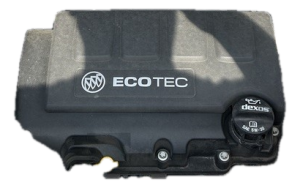
- Physical Inspection: When inspecting a used cover, check for any cracks in the plastic housing, particularly around the bolt holes and the PCV vent area. Ensure all mounting points are intact.
- The Aftermarket Gamble: New aftermarket valve covers are available, but reviews are mixed. Some users report immediate fitment issues and oil leaks, while others find them to be a good value. A low-mileage, used OEM cover may offer better quality and fit than a cheap, new aftermarket alternative.
- The Most Important Step: Before buying any replacement cover (new or used), check the intake manifold on your own vehicle for the presence of the internal check valve. Installing a perfectly good used cover on an engine with a bad intake manifold will cause the replacement part to fail quickly.
DIY Replacement Guide
Replacing the valve cover is a straightforward job for a DIY mechanic. The difficulty is about a 2 out of 5 and typically takes 1-1.5 hours.
- Disconnect Battery: Always start by disconnecting the negative battery terminal.
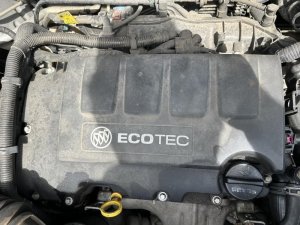
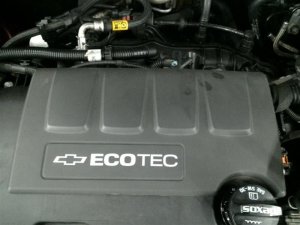
- Remove Engine Beauty Cover: Pull the top plastic cover straight up to remove it.
- Remove Ignition Coil Pack: Disconnect the electrical connector from the coil pack. Use a T30 Torx bit to remove the two bolts holding the coil pack, then pull the entire assembly straight up and out.
- Disconnect Hoses and Sensors: Carefully disconnect any wiring harnesses and vacuum hoses attached to the valve cover.
- Remove Valve Cover Bolts: Use an E10 external Torx socket to remove the 15 perimeter bolts. An 8mm standard socket can work in a pinch but is not ideal.
- Remove the Cover: The cover may be stuck. Gently pry at designated points if necessary, but do not use excessive force that could damage the aluminum cylinder head.
- Clean the Mating Surface: Use a plastic scraper and a clean rag with brake cleaner to remove all old gasket material and oil from the cylinder head surface.
- Apply RTV Sealant: Apply a small dab of oil-resistant RTV sealant at the corners where the timing cover meets the cylinder head. This is a known potential leak point.
- Install New Cover: Place the new valve cover, with its new gasket, onto the head. Hand-tighten the bolts to ensure it's seated correctly.
- Torque Bolts: Tighten the bolts in a crisscross pattern starting from the center and working your way out. The torque specification is 71 in-lbs (approximately 8 Nm). Do not overtighten, as this can crack the plastic cover or damage the gasket.
- Reassemble: Reinstall the ignition coil pack, connect all hoses and sensors, and put the engine beauty cover back on. Reconnect the battery.
Cost Comparison
| Part/Service | Estimated Cost |
|---|---|
| New OEM Valve Cover | $150 - $250 |
| New Aftermarket Valve Cover | $50 - $120 |
| Used OEM Valve Cover | $40 - $90 |
| Shop Labor Cost | $140 - $200 |
Vehicle-Specific Notes
- All Listed Models: The primary issue described affects all listed vehicles equipped with the 1.4L Turbo LUV/LUJ engine.
- Cadillac ELR: The ELR uses this same 1.4L engine as a range-extender generator. While its usage pattern is different (more on/off cycles), it is still susceptible to the same PCV and engine component failures. Owners have noted the engine noise from this 1.4L is particularly noticeable in the otherwise quiet ELR cabin.
- Buick Encore GX: Note that some 2020 Buick Encore GX models with the 1.2L engine were subject to a different recall for a blocked PCV passage, which is a separate issue from the 1.4L engine's diaphragm failure.
Frequently Asked Questions (FAQ)
Can I just replace the small PCV valve or diaphragm?
No. The PCV pressure regulator valve and its diaphragm are integrated into the plastic valve cover and are not designed to be serviced separately. The entire valve cover assembly must be replaced to fix the problem.
What happens if I ignore a failed PCV system?
Ignoring the problem will lead to a persistent Check Engine Light and poor engine performance. More critically, the extreme crankcase vacuum can cause other, more expensive engine seals (like the crankshaft seals) to fail, leading to major oil leaks. It can also lead to excessive oil consumption.
Is a cheap aftermarket valve cover a good idea?
It can be a gamble. While many aftermarket covers work fine, some have been reported to have poor fitment, causing leaks right after installation. Others may use a lower-quality diaphragm that fails much sooner than the original. If the price of a new OEM part is too high, a low-mileage used OEM part may be a more reliable choice than the cheapest aftermarket option.
Why does my new valve cover seem to have failed already?
If a new valve cover fails quickly, the most likely cause is a missing check valve in the intake manifold. This missing valve creates conditions that destroy the new cover's PCV diaphragm. You must inspect the intake manifold and replace it if the check valve is gone.
Technical Specifications
OEM Part Numbers: 25198498 55573746 25198874 25198877 25203036 55568393
Bolt Torque: 71 in-lbs (8 Nm)
We Have This Part in Stock

The information in this article is provided for general reference and educational purposes only. Vehicle specifications, procedures, and part compatibility can vary by production date, trim level, and region. Always consult your vehicle's factory service manual and verify part numbers before purchasing or performing repairs. Safety-critical components such as airbags, seat belts, and braking systems should be installed by a qualified professional.
- Chevrolet Cruze:
- Buick Encore:
- Chevrolet Trax:
- Chevrolet Cruze Limited:
- Chevrolet Sonic:
- Cadillac ELR:
- 🛍️ Shop This Part
- Symptoms of a Failing Valve Cover & PCV System
- The Root Cause: A Two-Part Problem
- 1. The Valve Cover PCV Diaphragm
- 2. The Intake Manifold Check Valve
- Is Your Vehicle Covered? GM Special Coverage Program
- Buying a Used Engine Cover: What to Check
- DIY Replacement Guide
- Cost Comparison
- Vehicle-Specific Notes
- Frequently Asked Questions (FAQ)
- 🎟️ Get 5% Off