

Malibu, Equinox & More 2.4L/2.5L Engine Cover: Decoding Cracks, Lean Codes & PZEV
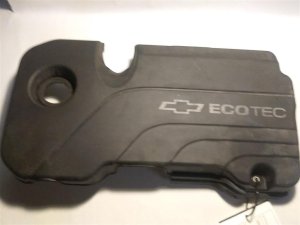
This integrated air intake duct and engine cover can cause lean codes and rough running; here's how to find the right used part for your Chevrolet, Buick, or Saturn.
- This is a functional air intake duct, not just a decorative cover. A crack will cause a vacuum leak and engine problems.
- You MUST match the part to your engine (2.4L or 2.5L) and your emissions type (PZEV or non-PZEV). Check the sticker under your hood.
- Failure commonly causes a P0171 'System Too Lean' code, rough idle, and hesitation.
- Replacement is extremely easy (1/5 difficulty) and a used OEM part is a reliable, low-cost option.
Critical: Identify Your Engine and Emissions Type First
Before buying a replacement engine cover, you must correctly identify which engine and emissions system your vehicle has. These vehicles used two different four-cylinder engines, and the covers are not interchangeable. Furthermore, each engine had versions for standard Federal emissions and for PZEV (Partial Zero-Emission Vehicle) standards, which also use different parts.
Warning: Installing the wrong cover can lead to a poor seal, persistent engine problems, and a recurring Check Engine Light. Always verify your engine and emissions type before ordering.
How to Check Your Emissions Type
The most reliable way to determine if you have a PZEV or standard Federal emissions vehicle is to check the Vehicle Emission Control Information sticker located in the engine bay, usually on the underside of the hood or on the radiator support. The sticker will explicitly state that the vehicle conforms to PZEV or ULEV/SULEV standards if it is a PZEV model.
Engine Type 1: 2.4L Ecotec (LAF, LEA, LUK)
This engine is found in a majority of the vehicles on the fitment list, particularly from 2010-2017. It is known for specific issues related to the PCV system.
- Common Vehicles: 2008-2012 Chevrolet Malibu, 2010-2016 Buick LaCrosse, 2011-2017 Buick Regal, 2007-2009 Saturn Aura, 2012-2017 Buick Verano, 2010-2013 Buick Allure, 2012-2015 Chevrolet Captiva Sport, 2010-2017 Chevrolet Equinox.
- Known Part Numbers: 12649143, 19419245 (supersedes 25822719, 25842350). Note that separate part numbers exist for PZEV and non-PZEV versions.
Engine Type 2: 2.5L Ecotec (LKW)
This engine was used in later model Malibu and Impala sedans.
- Common Vehicles: 2013-2015 Chevrolet Malibu, 2016 Chevrolet Malibu Limited, 2014-2015 Chevrolet Impala.
- Known Part Numbers: 12641857 (This is specifically for the non-PZEV version). A different part is required for PZEV models.
Symptoms of a Failing Engine Cover / Intake Duct
Because this part is a sealed air duct, any failure typically results in a vacuum leak. The symptoms are consistent and directly related to unmetered air entering the engine.
| Symptom | Description |
|---|---|
| Check Engine Light | The most common sign is a Check Engine Light with diagnostic trouble code P0171 - System Too Lean. This code means the engine's oxygen sensors are detecting too much oxygen in the exhaust, a direct result of the extra, unmetered air from the cracked duct. |
| Rough Idle | The engine may shake, stutter, or idle erratically because the air-fuel mixture is unstable at low RPMs. |
| Hissing or Sucking Noise | You may hear a distinct whistling or hissing sound from the engine bay as air is sucked through the crack in the plastic duct. The sound may get louder during acceleration. |
| Poor Acceleration / Hesitation | When you press the gas pedal, the engine may hesitate or feel like it's bogging down before it starts to accelerate properly. This is caused by the engine management system struggling to compensate for the incorrect air-fuel ratio. |
| Visible Cracks | A physical inspection will often reveal cracks in the plastic, especially in the ribbed, flexible sections or around the mounting points and hose clamps. |
Known Issues, TSBs, and Recalls
Special Coverage for 2.4L Ecotec PCV System (TSB 14882)
Vehicles with the 2.4L Ecotec engine are subject to a well-known issue where the Positive Crankcase Ventilation (PCV) orifice inside the intake manifold becomes clogged, especially in cold weather. This blockage causes excessive pressure to build inside the engine, which can force oil past seals. The most common and severe result is a blown rear main seal, leading to a major oil leak.
🎬 See how a frozen PCV causes rear main seal failure.In response, GM issued Special Coverage Adjustment #14882, extending the warranty for this specific condition to 10 years or 120,000 miles. While this is not a failure of the engine cover itself, the repair requires removing the intake manifold to clean the orifice. The engine cover/duct must be removed to access the intake manifold, so this issue is highly relevant for anyone working on this part of the engine.
Recalls
While the vehicles covered by this guide have been subject to various recalls, such as for rear suspension toe links (NHTSA 20V-764) and eAssist generator modules (NHTSA 13V-224), there are no specific safety recalls for the failure of the engine cover and intake duct itself.
Buying a Used Engine Cover: What to Check
A used OEM engine cover is an excellent, cost-effective solution, as quality aftermarket replacements for this specific integrated part are not widely available. However, careful inspection is key.
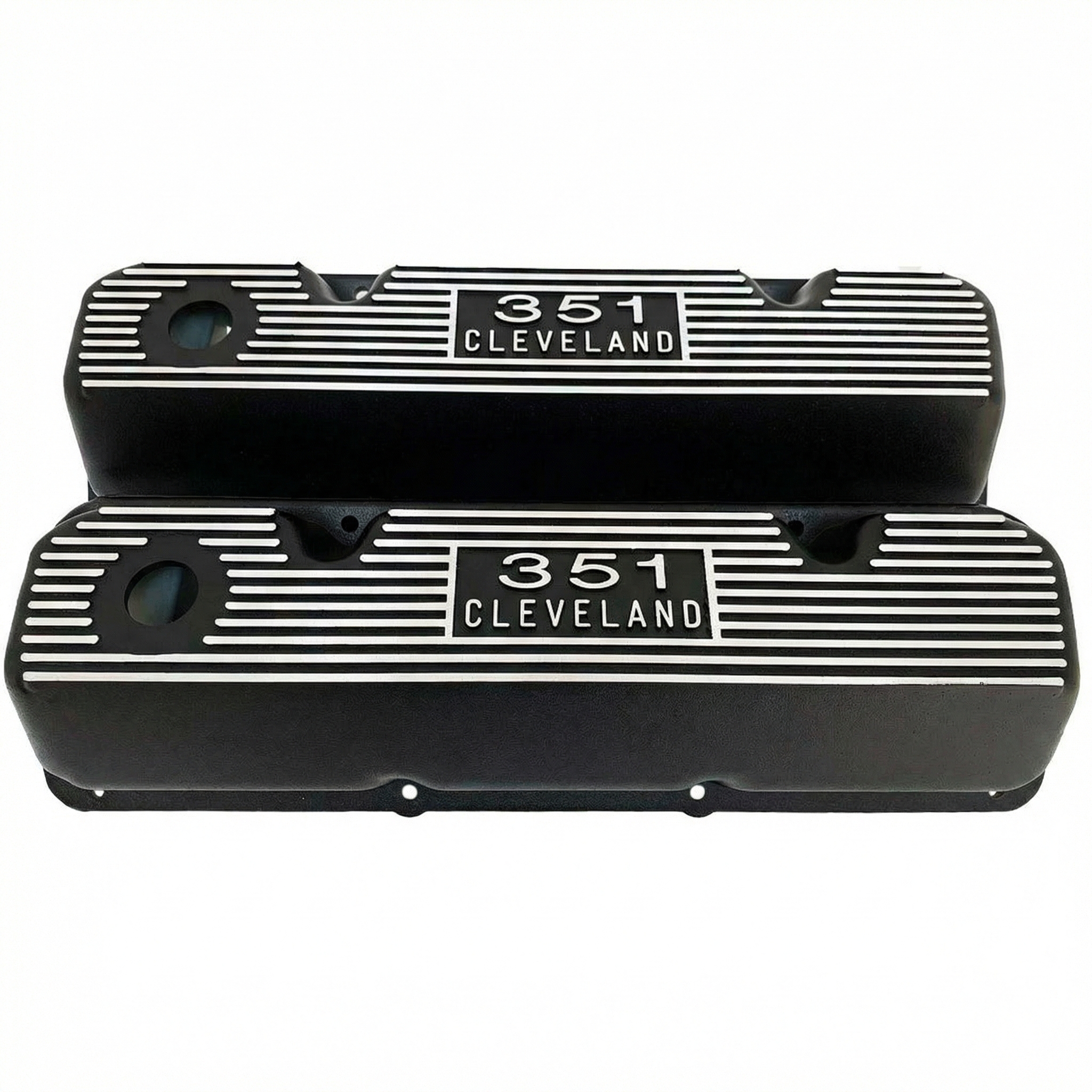
Pro Tip: Cheap aftermarket parts often found online are simple valve covers, not the integrated intake duct/engine cover. They will not work. A used OEM part guarantees correct fitment and material quality, preventing future vacuum leaks.
- Verify Compatibility: This is the most important step. Ensure the used part comes from a vehicle with the exact same engine (2.4L or 2.5L) AND the same emissions type (PZEV or non-PZEV) as yours. Check the donor vehicle's under-hood emissions sticker information if possible.
- Inspect for Cracks: Thoroughly examine the entire part. Pay close attention to the flexible accordion-style ribs, the area where the hose clamp secures it to the airbox, and all mounting points. Flex the part slightly to reveal any hairline cracks that may not be obvious.
- Check Mounting Points: Ensure all plastic mounting posts and rubber grommets are intact and not broken or brittle. Damaged mounting points will prevent the cover from seating securely, leading to rattles and potential vacuum leaks.
- Look for Warping: Lay the cover on a flat surface to check for any significant warping from heat cycles, which could prevent a proper seal against the throttle body.
- Check for Oil Contamination: While some oil residue inside from the PCV system is normal, excessively soft, sticky, or 'mushy' plastic indicates severe oil damage and the part should be rejected.
Replacement Guide & Difficulty
Replacing the engine cover and intake duct is a very simple job suitable for any DIY mechanic.
- Installation Difficulty: 1 out of 5
- Estimated Time: 5-10 minutes
- Tools Needed: Flathead screwdriver or 8mm socket (for the hose clamp).
Step-by-Step Replacement
- Unscrew the Oil Filler Cap: Remove the engine oil cap and set it aside.
- Lift the Cover: Firmly pull upwards on the engine cover. It is held in place by several rubber grommets that will pop out of their mounting posts.
- Loosen the Hose Clamp: Use a screwdriver or socket to loosen the clamp securing the duct to the air filter housing.
- Remove the Old Part: With the clamp loose, the entire cover/duct assembly can be wiggled free and removed from the vehicle.
- Install the New Part: Slide the new duct onto the air filter housing and position the cover over the engine. Press down firmly over the mounting post locations until you feel the grommets pop into place. Tighten the hose clamp.
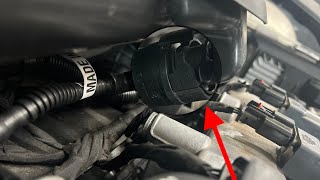
- Replace Oil Cap: Screw the oil filler cap back on. 🎬 Watch this quick walkthrough of the air intake replacement process. You're done.
Cost of a Replacement Engine Cover
Prices can vary based on engine type and condition. Labor costs are minimal due to the simplicity of the job.
| Part Source | Estimated Cost |
|---|---|
| New OEM | $65 - $150 |
| New Aftermarket | Not commonly available |
| Used OEM | $35 - $90 |
| Shop Labor | $0 - $25 (many shops will install it for free or for a minimal charge) |
Frequently Asked Questions (FAQ)
How do I know for sure if my car is a PZEV model?
Look for the 'Vehicle Emission Control Information' sticker under your hood. It will clearly state if the vehicle's emissions system is certified for PZEV, SULEV, or ULEV standards. This is the only guaranteed way to know.
Can I just repair a crack in my old cover with epoxy or tape?
While a temporary repair might seem to work, it is not recommended. The engine bay experiences constant vibration and extreme temperature changes, which will likely cause the repair to fail quickly, bringing back the vacuum leak and Check Engine Light. Given the low cost of a used OEM part, replacement is the only reliable solution.
Will replacing this cover fix my P0171 lean code?
If a visual inspection confirms a crack or leak in the cover/duct assembly, then yes, replacing it is very likely to resolve your P0171 code. However, other issues like a dirty MAF sensor, a bad oxygen sensor, or other vacuum leaks can also cause this code, so a full diagnosis is always best.
What is the difference between this engine cover and a valve cover?
This part is an integrated air intake duct and a decorative cover. It is located on top of the engine and directs air into the throttle body. A valve cover (or rocker cover) is a metal or plastic cover that seals the top of the cylinder head to prevent oil from leaking out from the valvetrain. They are two completely different parts with different functions.
Helpful Videos

Technical Specifications
OEM Part Numbers: 12641857 12649143 19419245 25822719 25842350 15823976 20807220 12601949 12611828 12616006 12634977 12637132 12637133 12639749 12639886 12661296 12669563
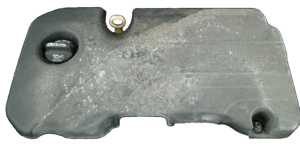
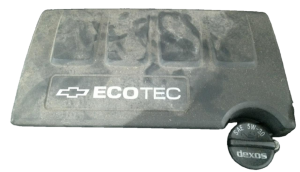
Material: Plastic. Function: Integrated Engine Cover and Air Cleaner Outlet Duct.
We Have This Part in Stock

The information in this article is provided for general reference and educational purposes only. Vehicle specifications, procedures, and part compatibility can vary by production date, trim level, and region. Always consult your vehicle's factory service manual and verify part numbers before purchasing or performing repairs. Safety-critical components such as airbags, seat belts, and braking systems should be installed by a qualified professional.
- Chevrolet Malibu:
- Buick LaCrosse:
- Buick Regal:
- Chevrolet Impala:
- Saturn Aura:
- Buick Verano:
- Buick Allure:
- Chevrolet Captiva Sport:
- Chevrolet Equinox:
- Chevrolet Malibu Limited:
- GMC Terrain:
- Pontiac G6:
- Saturn Vue:
- Buick Envision:
- Chevrolet Camaro:
- Chevrolet Cruze:
- Chevrolet Volt:
- Saturn L-Series:
- 🎬 Helpful Videos
- 🛍️ Shop This Part
- Critical: Identify Your Engine and Emissions Type First
- How to Check Your Emissions Type
- Engine Type 1: 2.4L Ecotec (LAF, LEA, LUK)
- Engine Type 2: 2.5L Ecotec (LKW)
- Symptoms of a Failing Engine Cover / Intake Duct
- Known Issues, TSBs, and Recalls
- Special Coverage for 2.4L Ecotec PCV System (TSB 14882)
- Recalls
- Buying a Used Engine Cover: What to Check
- Replacement Guide & Difficulty
- Step-by-Step Replacement
- Cost of a Replacement Engine Cover
- Frequently Asked Questions (FAQ)
- 🎟️ Get 5% Off