

Ford 2.0L EcoBoost Engine Cover Issues: 2012-2018 Edge, Explorer, Taurus & Police Sedan
This guide covers the common rattling noise from the 2.0L EcoBoost engine cover and warns about a more serious underlying issue you shouldn't ignore.
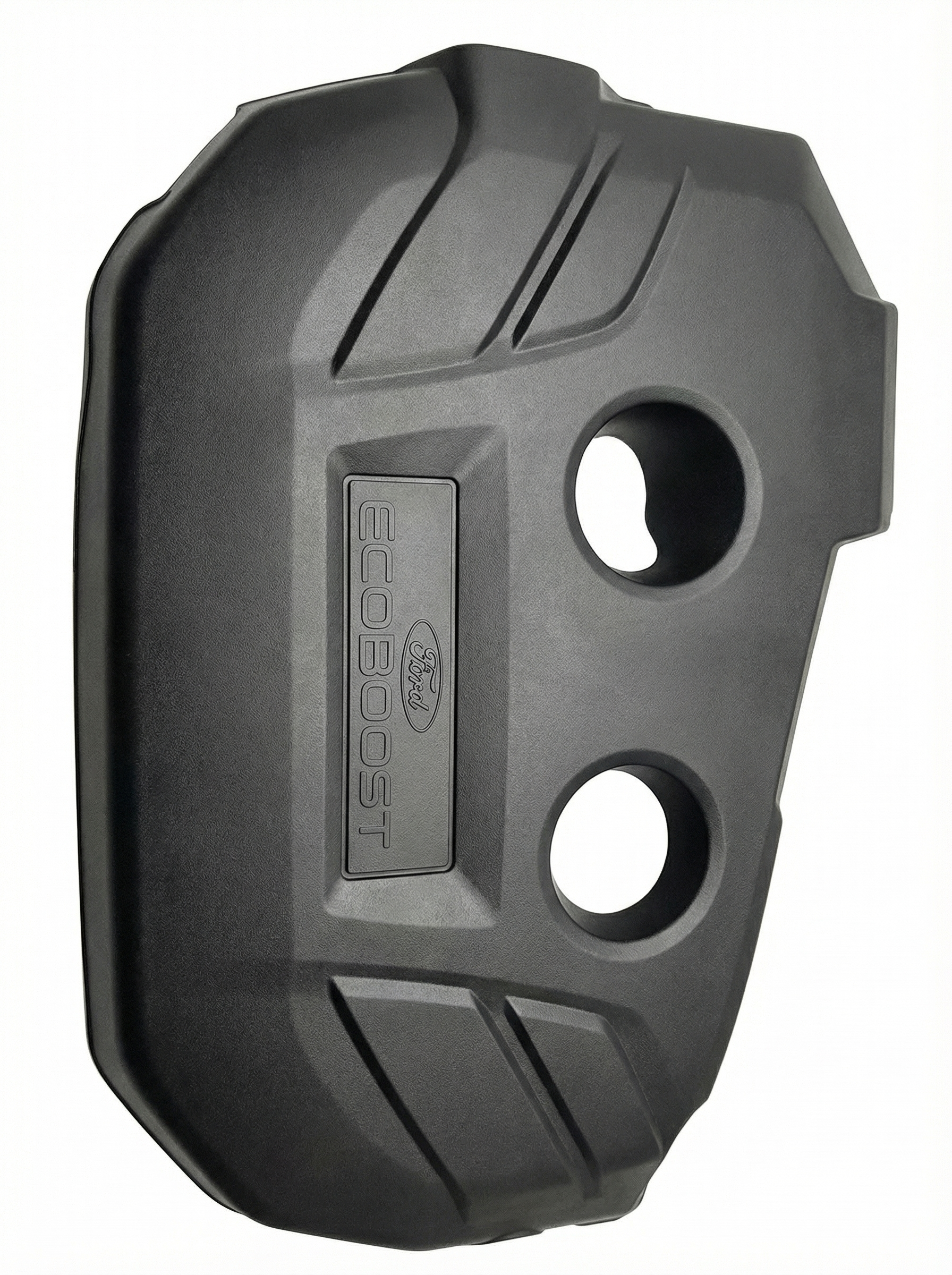
- This engine cover is ONLY for the 2.0L EcoBoost engine in the specified Ford Edge, Explorer, Taurus, and Police Sedan models.
- A rattling noise could be a simple loose cover, but it could also indicate a serious cracked flexplate issue (per Ford TSBs). Remove the cover to see if the noise persists.
- When buying a used cover, the most important check is to inspect the underside for broken or cracked plastic mounting posts.
- Replacement is extremely easy and requires no tools; the cover simply pops on and off.
Is Your Engine Cover Rattling or Just Loose?
A buzzing or rattling sound coming from the engine bay is the most common issue with the engine cover on the 2012-2014 Ford Edge, 2012-2015 Ford Explorer, 2013-2017 Ford Taurus, and 2014-2018 Ford Special Service Police Sedan equipped with the 2.0L EcoBoost engine. This noise is typically most noticeable at idle or at specific engine speeds (RPMs). The cause is almost always a broken mounting point or a worn-out rubber grommet that prevents the cover from sitting securely on the engine.
Warning: A rattling noise could be more than just a loose cover. Ford has issued several Technical Service Bulletins (TSBs) for a cracked flexplate on some 2.0L EcoBoost engines, which causes a similar rattling sound from the bellhousing area. Before assuming the noise is the cover, pull the cover straight up to remove it, then start the engine. If the rattle is gone, the cover is the problem. If the noise remains, you may have a more serious issue that requires professional diagnosis.
Symptoms of a Failing Engine Cover
- Audible Rattling or Buzzing: A plastic-on-plastic or plastic-on-metal vibration sound from the top of the engine. This noise will stop completely when the cover is removed.
- Loose Fit: The cover feels wobbly or can be easily moved by hand even when it's supposed to be secured.
- Visible Damage: Cracks, especially around the mounting holes, or pieces of the plastic mounting posts broken off.
Buying a Used Engine Cover: What to Inspect
A used OEM engine cover is an excellent value since it's a cosmetic and sound-dampening part that doesn't have mechanical wear parts. However, a careful inspection is necessary to ensure you get a good one that won't rattle.
- Inspect the Mounting Posts: This is the most critical step. Flip the cover over and examine the plastic posts where the rubber grommets attach. Make sure none of these posts are cracked, repaired with glue, or broken off. A single broken mount will cause the cover to rattle.
- Check the Rubber Grommets: The cover attaches to ball studs on the engine via rubber grommets. Sometimes these grommets stay on the engine, and sometimes they stay in the cover. Ensure the grommets are still pliable and not dried out or missing. If they are worn, you may be able to source new ones separately.
- Verify the Foam Insulation: The foam pad on the underside of the cover is essential for sound dampening. Check that this foam is present and not crumbling or soaked with oil, which could indicate a separate engine leak issue.
- Look for Heat Damage: Check for any signs of melting or warping. This is uncommon but could point to a more serious problem with the vehicle it came from, such as an exhaust leak.
Pro Tip: If your current cover's mounting posts are intact but it's still rattling, the rubber grommets may be worn. You can sometimes restore a snug fit by wrapping a small amount of high-temperature tape around the engine's ball studs to make them slightly thicker, giving the old grommets a tighter surface to grip.
Installation Guide
Replacing the engine cover is one of the easiest jobs you can do on your vehicle. No tools are required.
Difficulty: 1 out of 5
Estimated Time: Less than 1 minute
- Removal: Firmly grip the sides of the old engine cover and pull straight up. It is held in place by several rubber grommets that pop off ball studs on the engine.
- Installation: Position the new cover over the engine, aligning the mounting holes on the underside of the cover with the ball studs on the engine.
- Secure: Press down firmly on each corner of the cover until you feel and hear it pop into place. Give it a gentle tug to ensure it is secure and does not wobble.
Cost of a Replacement Engine Cover (2.0L EcoBoost)
| Part Type | Estimated Cost |
|---|---|
| New OEM (Ford) | $100 - $145 |
| New Aftermarket | Not commonly available |
| Used OEM | $50 - $95 |
| Shop Labor | $0 - $25 |
Frequently Asked Questions (FAQ)
Is it safe to drive without the engine cover?
Yes, it is completely safe to drive without the engine cover. It serves no critical function for engine operation. The only downsides will be a slightly louder engine noise and a less tidy appearance under the hood.
Will this engine cover fit my Ford Edge, Explorer, or Taurus with the 3.5L V6 engine?
No, this cover is specifically for models equipped with the 2.0L EcoBoost 4-cylinder engine. It will not fit the 3.5L V6, 2.3L EcoBoost, or any other engine variant. Always verify fitment by part number or by confirming your engine size before purchasing.
My engine cover rattles. Can I fix it?
It depends on why it's rattling. If the plastic mounting posts on the cover itself are broken, the only reliable fix is to replace the cover. If the posts are fine, the rubber mounting grommets may be worn out. You can try replacing the grommets or using a DIY fix like wrapping the mounting studs on the engine with tape to create a tighter fit.
Are there any recalls for this engine cover?
No, there are no specific recalls for the engine cover itself. While some of these vehicle models have been recalled for other issues, none target this part.
Technical Specifications
OEM Part Numbers: BB5Z-6A949-C BB5Z-6A949-B BB5Z-6A949-A
Material: Molded Plastic with underside foam insulation for sound dampening.
We Have This Part in Stock

The information in this article is provided for general reference and educational purposes only. Vehicle specifications, procedures, and part compatibility can vary by production date, trim level, and region. Always consult your vehicle's factory service manual and verify part numbers before purchasing or performing repairs. Safety-critical components such as airbags, seat belts, and braking systems should be installed by a qualified professional.
- Ford Edge:
- Ford Explorer:
- Ford Taurus:
- Ford Special Service Police Sedan: