

2019-2025 Mazda 3, CX-30 & CX-50 Engine Cover: Fitment, Part Numbers, and Replacement
This guide covers the crucial differences in engine covers for Mazda's 2.0L and 2.5L non-turbo engines, including the important distinction for models with cylinder deactivation.
- This cover is only for 2.0L and 2.5L non-turbo engines; it will not fit the 2.5L Turbo.
- For the 2.5L engine, you must verify if your vehicle has cylinder deactivation, as the covers are different and not interchangeable.
- When buying a used cover, the most important check is for cracks or damage at the mounting points on the underside.
- Replacement is extremely simple and requires no tools; it just pulls off and pushes on.
Symptoms of a Failing Engine Cover
Since the engine cover is a non-moving plastic part, it doesn't "fail" in a mechanical sense. Instead, issues are typically related to physical damage or improper installation.
- Rattling or Buzzing Noises: The most common symptom is a rattling or buzzing sound coming from the engine bay, especially at idle or certain RPMs. This is usually caused by a loose cover, broken mounting points, or degraded rubber grommets that no longer hold the cover securely.
- Visible Damage: Over time, the plastic can become brittle from constant heat cycles. This can lead to cracks, especially around the mounting holes. Damage can also occur if the cover is dropped or mishandled during maintenance.
- Melted or Deformed Areas: In rare cases, extreme engine heat or a nearby fluid leak (like oil or coolant) can cause the plastic to melt or warp. This is a sign of a more serious underlying issue that needs to be addressed immediately.
Vehicle and Engine Compatibility: The Critical Details
This engine cover is shared across several popular Mazda models, but compatibility is very specific. It's essential to verify your vehicle's engine before purchasing a replacement.
Warning: This engine cover ONLY fits models equipped with the 2.0L or 2.5L naturally aspirated (non-turbo) Skyactiv-G engine. It will not fit any vehicle with the 2.5L Turbo engine.
Cylinder Deactivation vs. Non-Cylinder Deactivation
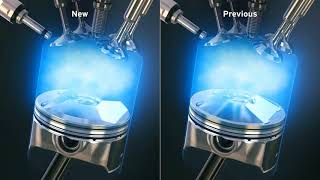
The most important compatibility factor for the 2.5L engine is whether your vehicle has cylinder deactivation. Mazda produced two different engine covers for the 2.5L non-turbo engine, and they are not interchangeable. Cylinder deactivation is a fuel-saving technology that shuts down the two outside cylinders during light-load cruising. 🎬 Watch: How Mazda's cylinder deactivation technology works. The cylinder head and valve train components are different on these engines, which necessitates a different shape for the engine cover. Always confirm if your vehicle has this feature before ordering a part.
| Vehicle | Model Years | Engine Compatibility Notes |
|---|---|---|
| Mazda MAZDA3 | 2019-2023 | Fits 2.0L & 2.5L non-turbo. Must verify cylinder deactivation status for 2.5L. |
| Mazda CX-30 | 2020-2025 | Fits 2.5L non-turbo. Must verify cylinder deactivation status. |
| Mazda 3 | 2021-2025 | Fits 2.0L & 2.5L non-turbo. Must verify cylinder deactivation status for 2.5L. |
| Mazda CX-50 | 2021-2025 | Fits 2.5L non-turbo. Must verify cylinder deactivation status. |
Known Issues, TSBs, and Recalls
There are no recalls or widespread Technical Service Bulletins (TSBs) directly related to the plastic engine cover itself. However, some TSBs mention noises that could be mistaken for a loose engine cover.
- TSB 01-006/20: Some 2018-2020 Mazda6, CX-5, and 2019-2020 Mazda3 vehicles may exhibit a tapping noise from the engine caused by air bubbles in the hydraulic lash adjusters (HLA). This is an internal engine noise, not the cover itself.
- Service Alert SA-023/22: This alert addresses a tapping or rattling noise from the valve train area on various 2021-2023 models with cylinder deactivation, which can occur after multiple cold starts without a proper warm-up. While the noise is internal, a loose engine cover could produce a similar sound.
Searches of the NHTSA database for the Mazda3, CX-30, and CX-50 show recalls for issues like brake calipers, fuel hoses, and ABS control units, but none involve the engine cover.
Buying a Used Engine Cover: What to Check
A used OEM engine cover is an excellent value, as it's a non-mechanical part that doesn't wear out. However, a careful inspection is key to getting a good part.
- Check All Mounting Points: This is the most critical inspection. Flip the cover over and carefully examine the plastic bosses where the rubber grommets attach. Look for any cracks, stress marks (white lines in the plastic), or broken pieces. A cover with a broken mounting point will not sit securely and will likely rattle.
- Inspect for Cracks and Heat Damage: Check the entire surface, top and bottom, for any cracks. Pay close attention to the edges and corners. Look for any discoloration, warping, or melted spots that would indicate excessive heat exposure.
- Verify the Part Number: If possible, match the part number on the used cover to your original. This is the best way to ensure you are getting the correct version, especially concerning the cylinder deactivation feature. Part numbers like PAF3-10-2F0A are for engines without cylinder deactivation, while others are for models with it.
- Check the Insulation Pad: Most covers have a foam or foil-backed insulation pad on the underside. Ensure this pad is present and in good condition. A torn or oil-soaked pad should be avoided.
Replacement Guide (Difficulty: 1/5)
Replacing the engine cover is one of the easiest tasks you can perform on your vehicle. No tools are required.
Pro Tip: It's easiest to remove and install the engine cover when the engine is cool to the touch.
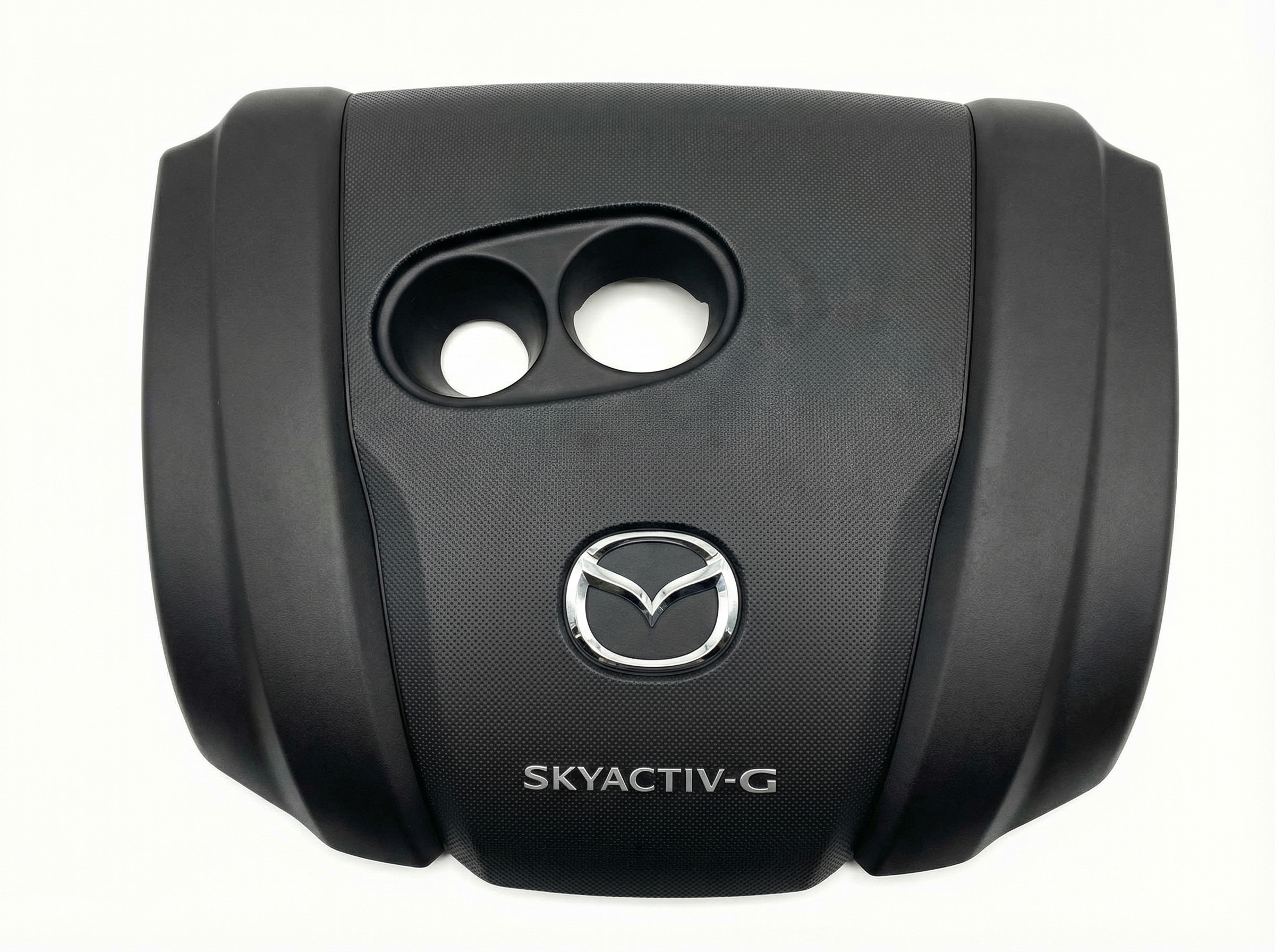
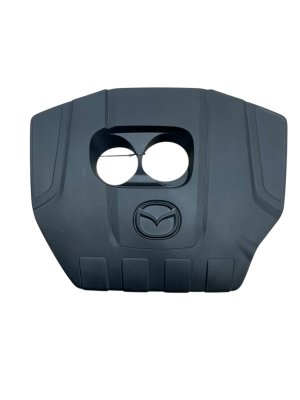
- Locate the Cover: Open the hood. The engine cover is the large plastic piece sitting on top of the engine, usually with the Mazda logo on it.
- Remove the Old Cover: Firmly grip the sides of the cover and pull straight up. It is held in place by several rubber grommets that pop onto ball studs on the engine. You will feel a few distinct pops as it releases.
- Transfer Grommets (If Needed): Check if the rubber mounting grommets came off with the old cover or stayed on the engine's ball studs. If they are stuck in the old cover, carefully pry them out and press them onto the ball studs on the engine before installing the new cover.
- Install the New Cover: Align the mounting holes on the new cover with the ball studs on the engine. Press down firmly on the cover directly over each mounting point until you feel and hear it snap securely into place.
- Check for Secure Fit: Gently tug on the edges of the cover to ensure it is fully seated and does not move or rattle.
Cost Comparison
The cost for a replacement engine cover can vary significantly between new OEM, used OEM, and aftermarket options.
| Part Source | Estimated Cost | Notes |
|---|---|---|
| New OEM | $105 - $195 | Prices vary by specific part number. For example, PAF3-10-2F0A can be found for around $105-$125, while PAJ1-10-2F0A may cost $130-$160. |
| New Aftermarket | $40 - $70 | Refers to the lower engine splash shields, as direct cosmetic top covers are less common in the aftermarket. Quality and fit may vary. |
| Used OEM | $75 - $100 | A cost-effective option that maintains original fit and quality. Prices depend on condition and availability. |
| Shop Labor | $0 - $25 | Most shops will not charge to install this part if it's part of a larger service. If it's the only task, expect a minimal labor charge. |
Frequently Asked Questions (FAQ)
Can I drive my car without the engine cover?
Yes, it is perfectly safe to drive without the plastic engine cover. It serves no critical mechanical function. The engine may sound slightly louder, and the top of the engine will get dirtier, but it will not cause any harm.
How do I know if my 2.5L Mazda engine has cylinder deactivation?
The most reliable way is to check your vehicle's original window sticker or specifications. Some owner forums suggest that the 8th digit of the VIN can indicate the engine type, but this should be verified with a dealer. When in doubt, contacting a Mazda dealership with your VIN is the best way to confirm.
What is the difference between the top engine cover and the lower engine splash shield?
The top engine cover is the decorative plastic piece you see when you open the hood. The lower engine splash shield (or under-cover) is a larger panel bolted to the bottom of the car to protect the engine from road debris and improve aerodynamics. They are two completely different parts.
Why is my engine cover rattling?
The most common cause of rattling is worn or missing rubber mounting grommets. Over time, these can harden or break, allowing the cover to vibrate against the engine. Broken plastic mounting points on the cover itself can also cause a rattle.
Helpful Videos
Technical Specifications
OEM Part Numbers: PAF3-10-2F0 PAF3-10-2F0A PAF3102F0 PAJ1-10-2F0 PAJ1-10-2F0A PAJ1102F0 PX01-10-2F0A PX04102F0 PX4N-10-2F0B PX4N-10-2F0C PXNS-10-2F0
Material: Molded plastic with underside foam/foil insulation.
We Have This Part in Stock

The information in this article is provided for general reference and educational purposes only. Vehicle specifications, procedures, and part compatibility can vary by production date, trim level, and region. Always consult your vehicle's factory service manual and verify part numbers before purchasing or performing repairs. Safety-critical components such as airbags, seat belts, and braking systems should be installed by a qualified professional.
- Mazda CX-30:
- Mazda 3:
- Mazda CX-50:
- Mazda MAZDA3:
- 🎬 Helpful Videos
- 🛍️ Shop This Part
- Symptoms of a Failing Engine Cover
- Vehicle and Engine Compatibility: The Critical Details
- Cylinder Deactivation vs. Non-Cylinder Deactivation
- Known Issues, TSBs, and Recalls
- Buying a Used Engine Cover: What to Check
- Replacement Guide (Difficulty: 1/5)
- Cost Comparison
- Frequently Asked Questions (FAQ)
- 🎟️ Get 5% Off