

2009-2016 Porsche 911 3.8L Crankshaft: Failure Diagnosis, Inspection, and Replacement Costs
A detailed reference for diagnosing crankshaft issues in the 9A1 engine and a guide to inspecting and purchasing a used crankshaft for your Carrera S, 4S, or GTS.
- Crankshaft failure in the 9A1 engine is rare; symptoms are more often caused by bearing failure or a faulty crankshaft position sensor.
- This crankshaft is ONLY for 3.8L NA engines in 2009-2016 Carrera S/4S/GTS models. It does NOT fit Turbo or GT3 models.
- Replacement is a full engine rebuild with a difficulty of 5/5, requiring a Porsche specialist and costing thousands in labor.
- When buying a used crankshaft, meticulous inspection of the bearing journals for scoring and heat damage is absolutely critical.
Symptoms of Crankshaft Failure
Mechanical failure of the crankshaft itself in the 2009-2016 Porsche 911's 9A1 engine is rare, as it is a very robust component. However, failure of the related crankshaft bearings is more common and can lead to crankshaft damage. It's crucial to distinguish between a failing sensor and a true mechanical problem.
Mechanical Failure Symptoms
- Deep Engine Knock or Clunking: This is the most serious symptom. It's a low-pitched, heavy metallic knock from the bottom of the engine that often gets louder with RPM. This sound is typically caused by excessive clearance in the connecting rod bearings or main bearings, allowing the crankshaft to physically knock against them.
- Severe Engine Vibration: A damaged or out-of-balance crankshaft can cause significant vibrations that are felt throughout the car and increase with engine speed.
- Metal Shavings in Engine Oil: When performing an oil change, inspect the used oil and filter for metallic particles. Shiny, glitter-like flakes (especially copper or silver colored) are a tell-tale sign of bearing material wearing away. This is a critical warning sign of impending failure.
- Engine Seizure: In the worst-case scenario, a failed bearing can cause the crankshaft to seize, locking the engine completely. This is a catastrophic failure that will require a full engine rebuild or replacement.
Symptoms of a Bad Crankshaft Position Sensor
Often, symptoms that seem like a major engine issue can be caused by a much simpler and cheaper part: the crankshaft position sensor. This sensor tells the engine computer (DME) the exact position and speed of the crankshaft. A bad sensor can cause:
- Difficulty starting the engine or a no-start condition.
- Engine stalling intermittently.
- Rough idling and engine misfires.
- Poor acceleration and reduced fuel economy.
- A Check Engine Light with codes like P0335 or P0336.
Pro Tip: Before assuming a catastrophic engine failure, always scan for diagnostic trouble codes. A crankshaft position sensor fault is a much more common and less expensive repair. Also, a high-frequency pulsating noise from the engine bay on these models can sometimes be traced to the oil separator (AOS), not a bearing knock. A TSB was issued for this issue.
Known Issues, TSBs, and Recalls
The 9A1 engine found in the 997.2 (2009-2012) 🎬 Watch: Step-by-step crankshaft position sensor replacement for 997.2 models. and 991.1 (2012.5-2016) 🎬 See how to replace the crankshaft position sensor on 991.1 cars. generations is widely regarded as a significant improvement in reliability over the prior M96/M97 engine, notably eliminating the problematic intermediate shaft (IMS) bearing. However, no engine is perfect.
- Recalls: There are no known NHTSA recalls for the crankshaft or internal engine bearings on the 2009-2016 Porsche 911 Carrera models. Recalls for this period typically involve airbags, lighting, and other non-engine components.
- Technical Service Bulletins (TSBs): No major TSBs point to a widespread crankshaft failure pattern on the 3.8L Carrera engines. While the GT3 models of this era had well-documented valvetrain issues, those do not apply to the Carrera models covered here.
- Bore Scoring: While not a crankshaft issue, cylinder bore scoring is a known potential problem on 9A1 engines. Symptoms include a light ticking or knocking sound, increased oil consumption, and a sooty tailpipe on one side. It's important to properly diagnose the source of any engine noise, as bore scoring can sometimes be mistaken for a bottom-end bearing problem.
Compatibility Warning: This crankshaft fits only the 3.8L naturally aspirated engine in Porsche 911 Carrera S, Carrera 4S, and GTS models from 2009-2016. It will NOT fit standard Carrera (3.4L or 3.6L), Turbo, Turbo S, or GT3 models, which use different crankshafts. Always verify the part number before purchase.
Buying a Used Engine Crankshaft
Given that a new OEM crankshaft costs thousands of dollars, a high-quality used OEM part is a viable option for engine rebuilds. However, this is a critical component where careful inspection is mandatory.
Physical Inspection Checklist:
- Journal Surfaces: This is the most important check. The polished surfaces where the bearings ride (both main and rod journals) must be perfectly smooth. Run your fingernail across the surface; you should not be able to catch your nail on any scratches or grooves.
- Check for Scoring: Look for any lines, grooves, or discoloration on the journals. Deep scratches are an immediate deal-breaker.
- Heat Damage: Look for blue or dark brown discoloration on the journals. This is a sign of oil starvation and extreme heat, which compromises the hardness of the steel. A crankshaft with heat damage should be rejected.
- Straightness: While impossible to verify by eye, ask the seller if the crankshaft came from a running engine or one with a known catastrophic failure. A crank from an engine where a rod broke can be bent. It should be professionally checked for straightness at a machine shop before installation.
- Keyways and Threads: Inspect the keyway for the crank pulley and the threads on the nose of the crank for any damage.
Why Used OEM is the Best Choice
For a high-stress, precision component like a Porsche crankshaft, a verified, good-condition used OEM part is often a better choice than a new, unproven aftermarket part. The Porsche OEM crankshaft is forged for strength and balanced to exacting tolerances. Aftermarket crankshafts for this specific application are rare and their material quality and manufacturing tolerances are a significant gamble. The cost savings are not worth the risk of catastrophic engine failure.
Cost Comparison
Replacing a crankshaft is part of a full engine rebuild. The costs below reflect the price of the part itself and the extensive labor required.
| Part/Service | Estimated Cost | Notes |
|---|---|---|
| New OEM Crankshaft | $6,800 - $7,200 | Part number 9A110207720, purchased from a Porsche dealer. |
| Used OEM Crankshaft | $1,000 - $2,500 | Price varies based on condition, mileage, and seller. Requires careful inspection. |
| New Aftermarket | Not Recommended | Very few reputable options exist for this specific engine. Quality is a major concern. |
| Shop Labor (Engine Rebuild) | $7,500 - $15,000+ | This is a 40+ hour job requiring a specialist. Cost can increase significantly if other internal damage is found. |
Replacement Difficulty
- Rating: 5 out of 5 (Expert Level)
- DIY Feasible: No
- Estimated Time: 40-60 hours
Crankshaft replacement is not a standalone repair; it is an integral part of a complete engine overhaul. The procedure involves removing the engine and transmission from the vehicle, completely disassembling the engine down to the bare block, splitting the engine case halves, and then reassembling everything with new bearings, seals, and gaskets. This requires specialized tools, an engine hoist, an engine stand, and deep expertise in Porsche engines. This job should only be performed by a professional Porsche technician or a highly experienced engine builder.
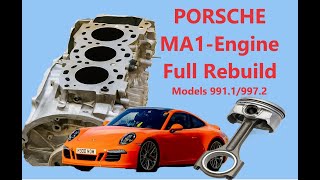
🎬 Watch a professional technician perform a complete 9A1 engine rebuild.Frequently Asked Questions (FAQ)
Can a damaged Porsche crankshaft be repaired?
In most cases, it is not cost-effective or recommended. While a machine shop can sometimes grind a crankshaft's journals to an undersize dimension and use oversized bearings, this is more common on older, domestic engines. For a high-RPM Porsche engine, the standard and safest procedure is to replace a damaged crankshaft with a new or verified-good used unit.
What are the main causes of crankshaft bearing failure?
The primary causes are oil starvation (from low oil level, a failed oil pump, or blocked oil passages), oil contamination (fuel, coolant, or debris in the oil), or simply high mileage and wear. Aggressive driving on a cold engine can also accelerate wear, as the oil has not reached its optimal temperature and viscosity.
If I buy a used crankshaft, do I need to replace the bearings?
Yes, absolutely. You must always install a new set of main and connecting rod bearings when replacing a crankshaft. Never reuse old bearings. The bearings are relatively inexpensive and are critical for ensuring proper oil clearance and long engine life.
Does this crankshaft fit a 911 GT3?
No. The GT3 uses a different, more specialized engine (even when displacing 3.8L) with a different crankshaft designed for even higher RPMs. The GT3 crankshaft has a different part number and is significantly more expensive.
Helpful Videos
Technical Specifications
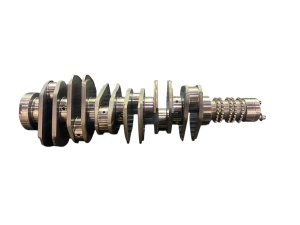
OEM Part Numbers: 9A110207704 9A110207720
Forged steel construction. Fits 3.8L displacement Porsche 9A1 naturally aspirated engines.
We Have This Part in Stock

The information in this article is provided for general reference and educational purposes only. Vehicle specifications, procedures, and part compatibility can vary by production date, trim level, and region. Always consult your vehicle's factory service manual and verify part numbers before purchasing or performing repairs. Safety-critical components such as airbags, seat belts, and braking systems should be installed by a qualified professional.
- Porsche 911:
- 🎬 Helpful Videos
- 🛍️ Shop This Part
- Symptoms of Crankshaft Failure
- Mechanical Failure Symptoms
- Symptoms of a Bad Crankshaft Position Sensor
- Known Issues, TSBs, and Recalls
- Buying a Used Engine Crankshaft
- Physical Inspection Checklist:
- Why Used OEM is the Best Choice
- Cost Comparison
- Replacement Difficulty
- Frequently Asked Questions (FAQ)
- 🎟️ Get 5% Off