

2018-2025 Mitsubishi Eclipse Cross Engine Harmonic Balancer: Diagnosis and Inspection
A detailed guide to identifying failure symptoms and inspecting a used OEM harmonic balancer for your 2018-2025 Mitsubishi Eclipse Cross.
- The harmonic balancer is not a common failure item on the 2018-2025 Mitsubishi Eclipse Cross.
- Aftermarket replacements are not readily available, making your only options a new OEM part or a used OEM part.
- When buying used, the most critical inspection is checking the rubber ring for cracks, swelling, or separation.
- Driving with a bad balancer is unsafe; it can leave you stranded and potentially cause catastrophic engine damage.
- Always replace the front crankshaft oil seal at the same time as the balancer.
Symptoms of a Failing Harmonic Balancer
While not a common failure point on the 2018-2025 Mitsubishi Eclipse Cross, a bad harmonic balancer will produce distinct symptoms. The root cause is almost always the degradation of the rubber layer that bonds the inner and outer sections of the pulley. When this rubber fails due to age, heat, or oil contamination, the balancer can no longer absorb vibrations and may begin to separate.
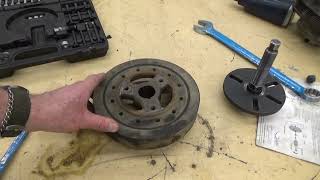
🎬 Watch: 5 signs your harmonic balancer is failing you- Engine Vibrations: The most common symptom is a new or unusual vibration felt throughout the vehicle, especially at idle or at certain RPM ranges. As the balancer loses its ability to dampen crankshaft harmonics, these vibrations are transferred into the engine block and chassis.
- Rattling or Knocking Noises: If the outer ring separates from the inner hub, it can create a rattling, clanking, or knocking sound from the front of the engine that changes with engine speed. This can sometimes be mistaken for a more serious internal engine problem.
- Visible Wobble: A clear sign of failure is a visible wobble from the main crankshaft pulley while the engine is running. You can observe this by safely looking at the front of the engine with it idling. A healthy balancer spins true with no perceptible side-to-side movement.
- Squealing or Chirping Belts: A failing balancer that wobbles or separates can cause the accessory drive belt to become misaligned. This leads to squealing or chirping noises as the belt wears unevenly or slips on the pulleys. You may also see premature fraying or shredding of the belt.
- Separation of Components: In severe cases, the outer ring can completely detach from the hub. This will cause an immediate loss of all belt-driven accessories, including the alternator (loss of battery charging) and potentially the water pump on some engines, leading to rapid overheating.
Buying a Used Engine Harmonic Balancer
For the 2018-2025 Mitsubishi Eclipse Cross, aftermarket harmonic balancers are not readily available. This makes a quality used OEM part a very practical and cost-effective choice compared to a new OEM unit from a dealer. However, because the failure point is the rubber element, a thorough inspection is critical before purchasing.
Physical Inspection Checklist:
- Inspect the Rubber Ring: This is the most important check. Look closely at the rubber sandwiched between the inner hub and the outer pulley ring. Reject any balancer that shows signs of dry rot, deep cracks, missing chunks, or a bulging or swollen appearance. Oil contamination can cause the rubber to swell and soften, so look for any signs that it has been soaked in oil.
- Check for Separation: Try to move the outer ring and inner hub by hand. There should be absolutely no movement between the two pieces. If you can twist or rock the outer ring independently of the hub, the bond has failed, and the part is useless.
- Examine the Keyway: Inspect the keyway slot on the inner hub. This is where the balancer locks onto the crankshaft. Ensure the slot is not cracked, deformed, or worn out. A damaged keyway can prevent the balancer from seating correctly, leading to wobble and potential crankshaft damage.
- Check Pulley Grooves: Run your finger through the serpentine belt grooves on the outer ring. They should be smooth and free of significant rust, chips, or damage that could shred a new belt.
- Look for Scribe Marks: Some mechanics will draw a paint line across the face of the balancer from the hub to the outer ring to check for slippage. If you see such a line and it is broken or misaligned, it means the outer ring has spun on the hub, and the part should be rejected.
Pro Tip: When buying a used balancer, choose one from a lower-mileage vehicle if possible. The rubber degrades with age and heat cycles, so a newer, lower-mileage part will have a longer remaining service life.
Known Issues, TSBs, and Recalls
As of early 2026, there are no widespread reported issues, Technical Service Bulletins (TSBs), or recalls specifically related to the engine harmonic balancer for the 2018-2025 Mitsubishi Eclipse Cross in the North American market. Searches of the NHTSA database and automotive forums do not indicate this is a common problem part for this vehicle. Most issues reported for the Eclipse Cross concern the CVT transmission or electronic systems.
Cost & Replacement Information
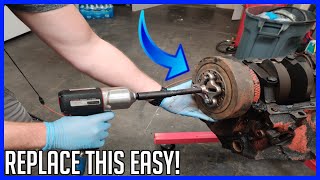
Replacing the harmonic balancer is a moderately difficult job that typically requires a special puller tool to remove the old unit and an installer tool to press the new one on without damaging it or the crankshaft.
| Part/Service | Estimated Cost |
|---|---|
| New OEM (Dealer) | $150 - $250 (estimate, online pricing not available) |
| New Aftermarket | Not readily available as of early 2026 |
| Used OEM | $50 - $100 |
| Shop Labor | $200 - $400 |
The replacement process generally takes 1.5 to 3 hours for a professional technician. The difficulty is rated 3 out of 5 due to the need for specialized puller/installer tools and the high torque required for the main crankshaft bolt.
🎬 See this DIY harmonic balancer removal and replacement walkthroughFrequently Asked Questions
Can I drive with a bad harmonic balancer?
It is not recommended. A wobbling balancer can throw the accessory belt, causing a loss of power steering and battery charging, which can leave you stranded. In a worst-case scenario, severe vibrations can lead to crankshaft damage, a far more expensive repair.
Do I need a special tool to replace the harmonic balancer?
Yes. A specific type of harmonic balancer puller is required to safely remove it from the crankshaft without causing damage. You will also need a torque wrench capable of handling the high torque specification of the main crankshaft bolt upon reinstallation. Attempting to pry it off can damage the balancer, timing cover, or crankshaft.
Why can't I find an aftermarket balancer for my Eclipse Cross?
For some less common vehicles or parts that do not fail frequently, aftermarket companies may not invest in the tooling to produce a replacement. As of early 2026, major aftermarket suppliers like Dorman, Dayco, and listings on sites like RockAuto do not show a part for the 2018-2025 Eclipse Cross. This makes used OEM or new OEM your primary options.
Should I replace the front crankshaft seal at the same time?
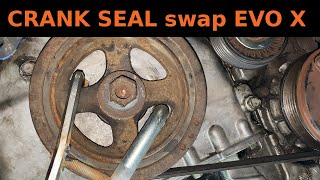
Yes, it is highly recommended. The harmonic balancer must be removed to access the front crankshaft seal (also called the front main seal). A wobbling balancer can often damage this seal, causing an oil leak. Replacing this inexpensive seal while the balancer is off is cheap insurance against having to do the entire job again later.
🎬 Watch: How to replace a Mitsubishi front crank sealHelpful Videos

Technical Specifications
OEM Part Numbers: 1104A114
Fits 1.5L (4B40) Turbocharged Engine.

The information in this article is provided for general reference and educational purposes only. Vehicle specifications, procedures, and part compatibility can vary by production date, trim level, and region. Always consult your vehicle's factory service manual and verify part numbers before purchasing or performing repairs. Safety-critical components such as airbags, seat belts, and braking systems should be installed by a qualified professional.
- Mitsubishi Eclipse Cross: