

2008-2015 Audi R8 4.2L V8 Intake Manifold: Carbon Buildup and Runner Flap Guide
This guide covers the critical failure points of the Audi R8 4.2L V8 intake manifold, focusing on carbon buildup, runner flap issues, and how to inspect a used part.
- The primary cause of most intake manifold issues on the R8 4.2L V8 is carbon buildup due to the direct-injection engine design.
- Failure of the internal intake runner flaps (or their actuators) is a common mechanical problem, leading to significant power loss and specific fault codes (P2006, P2007).
- When buying a used manifold, physically check that the runner flap linkage moves smoothly without binding; this is the most critical inspection point.
- Compatibility is crucial; this part only fits 4.2L V8 models and has a production date split in 2010. Always verify part numbers.
Symptoms of a Failing Intake Manifold
A faulty intake manifold on the Audi R8 4.2L V8 can manifest in several ways, often related to carbon buildup or mechanical failure of the internal components. Being aware of these symptoms can help you diagnose the problem before it leads to more severe engine issues.
1. Rough Idle and Engine Misfires
This is one of the most common symptoms. Excessive carbon buildup on the intake valves and in the manifold ports can disrupt airflow, leading to an unstable air-fuel mixture. This can cause the engine to idle erratically, shake, or misfire. A flashing check engine light often accompanies misfires, with diagnostic codes like P0300 (Random Misfire) or P0301-P0308 (Misfire in a specific cylinder).
2. Loss of Power and Hesitation
If the intake runner flaps are stuck in one position, it can severely impact engine performance. For example, if the flaps are stuck closed (a common failure), the engine will feel sluggish and lack power at higher RPMs. If they are stuck open, the car may feel weak at lower RPMs. You may also notice a general hesitation when you press the accelerator.
3. Audible Hissing or Whistling Noises
A crack in the plastic intake manifold or a failed gasket can create a vacuum leak. This often produces a distinct hissing or whistling sound from the engine bay, which may be more noticeable at idle. A significant vacuum leak will disrupt the engine's air-fuel ratio and can cause many of the other symptoms listed here.
4. Check Engine Light with Specific Codes
Aside from misfire codes, a failing intake manifold can trigger codes related to the runner control system. The most common codes are:
- P2006: Intake Manifold Runner Control Stuck Closed (Bank 1)
- P2007: Intake Manifold Runner Control Stuck Closed (Bank 2)
- P2070: Intake Manifold Tuning (IMT) Valve Stuck Open
- P2015: Intake Manifold Runner Position Sensor/Switch Circuit Range/Performance
Known Issues for the 2008-2015 Audi R8 4.2L V8
The primary issues with this intake manifold are directly linked to the engine's design and a few key mechanical components.
Carbon Buildup
The 4.2L V8 engine uses Fuel Stratified Injection (FSI), a form of direct injection. While this technology is great for performance and efficiency, it has a significant downside: carbon buildup. In traditional port-injected engines, gasoline is sprayed over the intake valves, effectively cleaning them. In a direct-injection engine, fuel is injected directly into the cylinder, so the intake valves and manifold runners never get washed by fuel. Over time, oil vapor from the crankcase ventilation system bakes onto the hot surfaces of the intake ports and valves, forming hard carbon deposits. This buildup restricts airflow, can cause the runner flaps to stick or bind, and leads to all the major symptoms of failure. Regular carbon cleaning (often by walnut shell blasting) every 60,000 to 80,000 miles 🎬 Watch: Full walnut blasting carbon cleaning service on an R8 is considered routine maintenance for these engines.
Intake Runner Flap and Actuator Failure
The manifold contains plastic flaps that pivot to change the runner length. The linkage, actuators, and position sensors that control these flaps can fail. The plastic components can become brittle and break, or the vacuum-operated actuators can develop leaks in their diaphragms, rendering them inoperative. When an actuator fails, it can cause a vacuum leak that affects both banks of the engine, potentially triggering codes for both P2006 and P2007 even if only one actuator has failed.
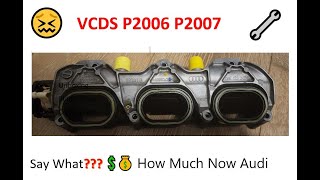
🎬 See how to diagnose P2006 and P2007 intake flap codesCompatibility Warning: This intake manifold is ONLY for the 4.2L V8 engine (engine codes BYH, CNDA). It will not fit the 5.2L V10 model. For 2010-2012 models, there is a production date split. This part fits vehicles produced after 08/23/2010. Always verify your vehicle's engine code and production date before purchasing.
Buying a Used Engine Intake Manifold
A used OEM manifold can be an excellent value, but careful inspection is crucial. 🎬 Watch: Expert tips for inspecting a used Audi R8 Given the high cost of a new OEM part, a quality used unit is often the best choice. Here’s what to check:
- Check for Cracks: Carefully inspect the entire plastic housing for cracks, especially around the seams, mounting bolt holes, and vacuum ports. Even a small crack can cause a significant vacuum leak.
- Inspect the Runner Flaps and Linkage: This is the most critical check. Find the external actuator arm and manually move it. The linkage should move smoothly without binding or excessive play. Listen for any clicking or grinding sounds. If the linkage feels loose, stiff, or broken, do not buy the manifold.
- Examine Carbon Buildup: Look inside the intake runners. While some light coating of carbon is normal for a used part, avoid any manifold with thick, chunky deposits that could break off and enter the engine. Excessive buildup may also indicate the runner flaps are heavily caked and may not operate correctly.
- Verify All Sensors and Actuators are Present: Ensure the manifold comes with its position sensors and vacuum actuators. While these can sometimes be swapped from your old manifold, it's best to get a complete unit.
- Confirm Part Numbers: Match the part number on the manifold to your original or to the known compatible numbers (079133185AR, 079133185BA, 079133185BD, 079133185CP, 079133185CT).
Pro Tip: When replacing the manifold, it is the perfect time to perform a carbon cleaning service on the engine's intake ports and valves. Since the manifold has to be removed for this service anyway, doing both jobs at once saves significant labor costs.
Cost Comparison
The cost for an Audi R8 intake manifold can vary dramatically between new, used, and the associated labor.
| Part Type | Estimated Cost |
|---|---|
| New OEM | $8,000 - $9,000+ |
| New Aftermarket | Not commonly available |
| Used OEM | $700 - $1,400 |
| Shop Labor (Manifold Gasket Replacement) | $591 - $868 |
Note: Labor costs for a full manifold replacement may be higher than for just the gaskets. Prices are estimates and will vary based on location, supplier, and vehicle condition.
Frequently Asked Questions (FAQ)
Can I just clean my intake manifold instead of replacing it?
Yes, cleaning is often possible and recommended, especially for carbon buildup. However, if the manifold is physically cracked or if the internal runner flap mechanism is broken, cleaning will not solve the problem and replacement is necessary.
What is the installation difficulty?
For a DIY mechanic, this is a difficult job, rated at a 4 out of 5. The R8's mid-engine layout provides tight access, and the procedure is tedious. For a professional technician, it is a more straightforward, albeit time-consuming, task. Estimated time is around 3-5 hours.
Are there any recalls for this part?
As of early 2026, there are no specific recalls issued by the NHTSA for the intake manifold on the 2008-2015 Audi R8. However, there are numerous Technical Service Bulletins (TSBs) related to engine performance and carbon buildup.
Why is a new OEM manifold so expensive?
The high cost is due to the complexity of the part, including the variable runner system, integrated sensors, and the relatively low production volume of the Audi R8. This makes a quality used OEM part a very attractive alternative for most owners.
Helpful Videos


![Yes, Carbon Cleaning works [ONLY IF YOU DO IT RIGHT] R8 V8](https://img.youtube.com/vi/fCxDBLHmmUk/mqdefault.jpg)

Technical Specifications
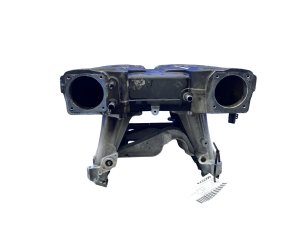
OEM Part Numbers: 079133185AR 079133185BA 079133185BD 079133185CP 079133185CT
Variable length intake manifold for 4.2L FSI V8 engines (BYH, CNDA).
We Have This Part in Stock

The information in this article is provided for general reference and educational purposes only. Vehicle specifications, procedures, and part compatibility can vary by production date, trim level, and region. Always consult your vehicle's factory service manual and verify part numbers before purchasing or performing repairs. Safety-critical components such as airbags, seat belts, and braking systems should be installed by a qualified professional.
- Audi R8:
- 🎬 Helpful Videos
- 🛍️ Shop This Part
- Symptoms of a Failing Intake Manifold
- 1. Rough Idle and Engine Misfires
- 2. Loss of Power and Hesitation
- 3. Audible Hissing or Whistling Noises
- 4. Check Engine Light with Specific Codes
- Known Issues for the 2008-2015 Audi R8 4.2L V8
- Carbon Buildup
- Intake Runner Flap and Actuator Failure
- Buying a Used Engine Intake Manifold
- Cost Comparison
- Frequently Asked Questions (FAQ)
- 🎟️ Get 5% Off