

2005-2010 Sportage & 2005-2009 Tucson 2.7L V6 Intake Manifold: Fixing Lean Codes and Vacuum Leaks
This guide covers the common failure points, symptoms, and replacement costs for the intake manifold system on the 2.7L V6 Kia Sportage and Hyundai Tucson.
- The most common failure is the intake manifold gaskets, not the manifold itself, causing vacuum leaks and lean codes (P0171, P0174).
- Complete aftermarket intake manifolds are not readily available; a good used OEM part is the best alternative to a new one if the manifold is actually damaged.
- The upper intake manifold must be removed to access the rear spark plugs, so it is highly recommended to replace the gaskets during a spark plug service.
- Always use new gaskets when reinstalling the manifold; never reuse the old ones as they are a primary point of failure.
Symptoms of Intake Manifold Failure
On the 2.7L V6 engine found in the Kia Sportage and Hyundai Tucson, problems with the intake manifold system almost always point to failing gaskets rather than a cracked manifold. When these gaskets degrade, they create vacuum leaks, allowing unmetered air to enter the engine, which disrupts the carefully balanced air-fuel ratio. This leads to a distinct set of symptoms.
- Check Engine Light with Lean Codes: The most common sign is a check engine light with diagnostic trouble codes P0171 (System Too Lean Bank 1) and P0174 (System Too Lean Bank 2). These codes mean the engine's oxygen sensors are detecting too much oxygen in the exhaust, forcing the engine computer to add more fuel to compensate.
- Rough or Unstable Idle: An engine with a vacuum leak will often idle erratically. You might notice the RPMs fluctuating or the vehicle vibrating more than usual when stopped.
- Hissing Noises: A distinct hissing or sucking sound may be audible from the engine bay, especially when the engine is running. This is the sound of air being pulled through a crack in a gasket.
- Reduced Power and Poor Acceleration: The incorrect air-fuel mixture can cause the engine to hesitate or feel sluggish when you press the gas pedal.
- Decreased Fuel Economy: When the engine computer injects extra fuel to compensate for the excess air, your vehicle's gas mileage will suffer.
Pro Tip: A mechanic can confirm a vacuum leak using a smoke machine. This tool fills the intake system with a harmless vapor, and any leaks will be immediately visible as smoke escapes from the faulty gasket.
Known Issues, TSBs, and Recalls
There are no widespread issues of the plastic upper manifold or aluminum lower manifold cracking or failing on these vehicles. The primary failure point is consistently the gaskets that seal the system. Searches of the National Highway Traffic Safety Administration (NHTSA) database show no recalls or specific Technical Service Bulletins (TSBs) for the intake manifold assembly on the 2005-2010 Kia Sportage or 2005-2009 Hyundai Tucson. The most common repair is replacing the upper and lower intake gasket sets.
Buying a Used Engine Intake Manifold
Since complete aftermarket manifold assemblies for this specific application are not readily available, a used OEM part is a common and cost-effective solution if your manifold is physically damaged. However, in most cases, you will only need to replace the gaskets.
If you do need to replace the manifold itself, here’s what to look for in a used part:
- Focus on the Upper Plenum (Part No. 28310-37270): This is the plastic component that is more susceptible to damage from mishandling or over-tightening bolts. The lower aluminum runners are very durable and rarely need replacement.
- Inspect for Cracks: Carefully check the plastic plenum for any hairline cracks, especially around the bolt holes and seams. Pay close attention to the threaded inserts to ensure they are not pulled out or damaged.
- Check Mating Surfaces: Ensure the surfaces where the upper and lower manifolds meet, and where the lower manifold meets the cylinder heads, are flat and free of deep scratches or gouges that could prevent a good seal.
- Mileage is Less Critical: Unlike moving parts, an intake manifold's condition is more dependent on proper care than mileage. A low-mileage part that was handled poorly during removal is worse than a high-mileage part in good condition.
- ALWAYS Buy New Gaskets: Never reuse old intake gaskets. A new set of upper and lower gaskets is inexpensive and essential for a successful repair. Used manifolds often ship without gaskets, or with old ones that should be discarded immediately.
Cost Comparison for Intake Manifold Service
The cost of addressing an intake manifold issue depends heavily on whether you are replacing the manifold itself or just the gaskets. For most owners, only the gaskets will be necessary.
| Part or Service | Estimated Cost | Notes |
|---|---|---|
| New OEM Upper Manifold (28310-37270) | $250 - $385 | This is for the plastic upper plenum only. |
| Used OEM Upper Manifold | $100 - $175 | A common option from salvage yards or online sellers. |
| New Aftermarket Manifold | Not Available | Complete aftermarket manifolds for this specific 2.7L V6 are not widely available as of early 2026. |
| Intake Gasket Set (Upper & Lower) | $15 - $55 | Widely available from brands like Fel-Pro, Victor Reinz, and Mahle. |
| Shop Labor (Gasket Replacement) | $270 - $450 | Labor to remove the plenum, replace upper and lower gaskets, and reinstall. Total job cost at a shop typically ranges from $335 to $760. |
Replacement Difficulty & Overview
Replacing the intake manifold gaskets on the 2.7L V6 is a moderately difficult job that requires patience and careful organization of parts.
- Difficulty Rating: 3 out of 5
- Estimated Time: 2.5 - 4 hours
- DIY Feasible: Yes, for an experienced DIY mechanic.
The upper intake manifold must be removed to perform other common services, such as changing the three rear spark plugs or replacing the rear valve cover gasket. Because of this, many mechanics recommend replacing the intake gaskets as preventative maintenance whenever the plenum is removed for another job.
The general steps involve:
- Disconnecting the battery.
- Removing the engine cover and air intake ducting.
- Disconnecting the throttle and cruise control cables from the throttle body.
- Unplugging numerous electrical connectors and vacuum hoses attached to the plenum. Taking photos before you start is highly recommended.
- Unbolting the support brackets and the main bolts holding the upper manifold in place.
- Lifting the upper manifold off. It's crucial to immediately cover the exposed lower intake ports with clean rags to prevent anything from falling into the engine.
- Replacing the upper and lower gaskets, cleaning the mating surfaces, and reassembling in reverse order.
Warning: Do not reuse old gaskets. The cost of a new gasket set is minimal compared to the labor required to fix a leak caused by a reused gasket.
Frequently Asked Questions (FAQ)
Do I need to replace the whole intake manifold or just the gaskets?
For the 2005-2010 Kia Sportage and 2005-2009 Hyundai Tucson with the 2.7L engine, you almost always only need to replace the gaskets. The manifold itself is durable. Only replace the manifold if it is physically cracked or damaged, which is uncommon.
What's the difference between the upper and lower intake manifold?
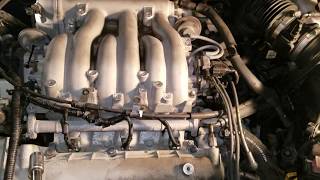
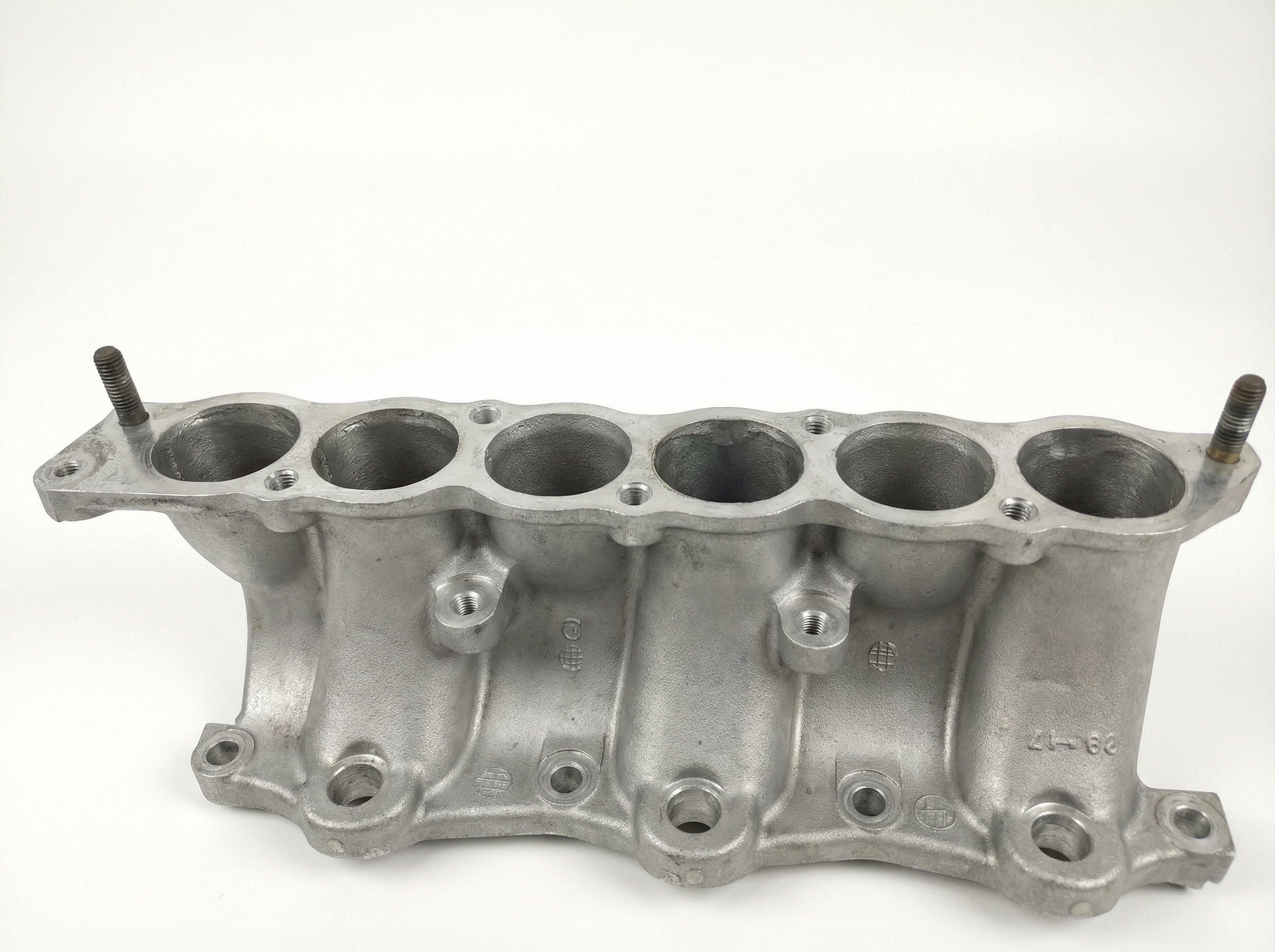
The upper intake manifold (also called the plenum or surge tank) is the large plastic component that you see on top of the engine. The lower intake manifold consists of the aluminum runners that sit underneath the plenum and connect directly to the engine's cylinder heads. Gaskets are required in both locations.
Can I drive my car with a leaking intake manifold gasket?
You can, but it is not recommended for long. Driving with a vacuum leak can lead to poor engine performance, terrible fuel economy, and potential long-term damage to the catalytic converters from the incorrect air-fuel mixture. It is best to get it repaired promptly.
Why is this repair often done with a spark plug change?
On this V6 engine, the upper intake manifold completely covers the rear three spark plugs. To access them, the manifold must be removed. Therefore, it is standard practice to replace the inexpensive intake gaskets anytime the manifold is removed for a spark plug job to prevent future leaks.
Helpful Videos



Technical Specifications
OEM Part Numbers: 28310-37270 28411-37200
Fits 2.7L DOHC 'Delta' V6 Engine. The system consists of an upper plastic plenum (surge tank) and a lower aluminum runner assembly.
We Have This Part in Stock

The information in this article is provided for general reference and educational purposes only. Vehicle specifications, procedures, and part compatibility can vary by production date, trim level, and region. Always consult your vehicle's factory service manual and verify part numbers before purchasing or performing repairs. Safety-critical components such as airbags, seat belts, and braking systems should be installed by a qualified professional.
- Kia Sportage:
- Hyundai Tucson: