

2010-2015 Nissan GT-R Intake Manifold: Leaks, Upgrades, and the 2015 Part Change
Your definitive reference for diagnosing, replacing, and purchasing a used engine intake manifold for the R35 Nissan GT-R.
- The stock GT-R intake manifold is very reliable; failures are typically due to aging gaskets, not the manifold itself.
- Compatibility is critical for 2015 models; a part change occurred on October 1, 2014. Verify your vehicle's build date before buying.
- Symptoms of a leak include hissing noises, significant power loss under boost, and a rough idle.
- Replacement is a difficult, 4-6 hour job. Always use new gaskets for all mating surfaces to prevent leaks.
Symptoms of a Failing GT-R Intake Manifold
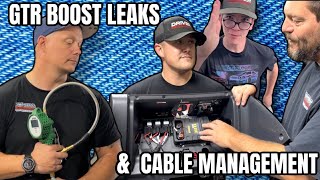
While the factory Nissan GT-R intake manifold is known to be very robust, failures can still occur, typically due to age, extreme modifications, or damage. The most common failures are cracks in the aluminum casting or failing gaskets, which result in a boost or vacuum leak. 🎬 Watch: Identifying and fixing common GT-R boost leaks Because the VR38DETT engine is turbocharged, symptoms can be more pronounced under boost.
- Hissing or Whistling Noises: This is the classic sign of a leak. You may hear a noticeable hiss from the engine bay at idle. The sound will often get louder or change pitch as the turbos build pressure during acceleration.
- Loss of Power and Sluggish Acceleration: A leak allows metered, pressurized air to escape before it reaches the cylinders. This leads to a loss of boost pressure, making the car feel significantly less powerful, especially during hard acceleration.
- Rough Idle: A leak disrupts the carefully calculated air-fuel ratio, causing the engine to run rough, surge, or vibrate at idle.
- Check Engine Light: The engine computer (ECU) may detect the imbalance in the air-fuel ratio and trigger a Check Engine Light. Common codes include P0171 (System Too Lean Bank 1) and P0174 (System Too Lean Bank 2), as unmetered air is entering the system. Misfire codes (P0300-P0306) can also occur.
Known Issues, TSBs, and Recalls
For the 2010-2015 model years, there are no widespread factory defects, technical service bulletins (TSBs), or recalls issued by Nissan or the NHTSA specifically for the engine intake manifold. The stock cast aluminum manifold is generally considered very reliable for stock and moderately modified vehicles. Most issues arise from gasket failure over time or from cracks caused by running extremely high boost levels not supported by the stock hardware.
Pro Tip: Many GT-R owners and tuners note that the factory mating between the upper and lower intake manifold runners is not perfectly smooth. While not a failure, having a performance shop port and match the runners is a common modification to improve airflow and optimize performance.
Buying a Used 2010-2015 GT-R Intake Manifold: An Inspection Guide
Due to the high cost of a new OEM manifold, a used part is an excellent value. However, careful inspection is critical, especially for a high-performance car like the GT-R. This part includes both the upper collector and the lower runners.
Key Inspection Points:
- Verify Part Numbers and Compatibility: This is the most important step. There was a part change during the 2015 model year. The primary part number is 14010-JF00B, which was later superseded by 14010-JF00C. For 2015 models, you must confirm the production date of the donor vehicle. Parts from vehicles manufactured before October 1, 2014, may differ from those manufactured after. Always match the part number from your old manifold or confirm with the seller.
- Inspect for Cracks: Carefully examine the entire manifold, especially around the welds, mounting flanges, and throttle body connections. Hairline cracks can be hard to see but will cause major issues.
- Check Mating Surfaces: The surfaces where the upper and lower sections meet, and where the lower manifold meets the cylinder heads, must be perfectly flat. Use a straight edge to check for any warping that could prevent a gasket from sealing properly.
- Examine All Ports and Fittings: Ensure all threaded holes for sensors (like the MAP sensor) and vacuum lines are clean and have undamaged threads. Stripped threads can be difficult and costly to repair.
- Look for Heat Damage: Check for any signs of melting, discoloration, or fire damage. This could indicate the part came from a vehicle that suffered a catastrophic engine failure or fire and should be avoided.
Cost of Replacing a Nissan GT-R Intake Manifold
Replacing the intake manifold on a GT-R is an expensive repair, primarily due to the high cost of the part itself and the labor-intensive replacement process.
| Part/Service | Estimated Cost |
|---|---|
| New OEM (Upper Collector) | $2,700 - $3,300 |
| New Aftermarket (Performance) | $2,500 - $9,500+ |
| Used OEM (Upper & Lower Assembly) | $500 - $1,500 |
| Shop Labor Cost | $600 - $1,200 |
Installation Tips and Difficulty
Difficulty Rating: 4 out of 5 (Very Difficult)
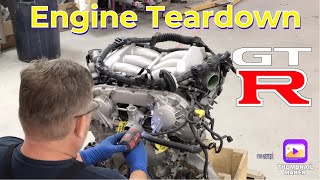
Replacing the intake manifold on the VR38DETT is a complex and time-consuming job that is not recommended for beginners. The engine bay is tight, and access requires removing numerous components. 🎬 See this engine disassembly for a look at the manifold Forum discussions often describe the job as taking between 4 to 6 hours for an experienced mechanic.
- DIY Feasibility: This job is feasible for a very experienced DIY mechanic with a comprehensive set of tools, including socket extensions and universal joints.
- Always Replace Gaskets: It is critical to use new gaskets for every surface that is separated. This includes the upper-to-lower manifold gasket (Nissan P/N: 14033-JF00A), the lower manifold-to-head gaskets (Nissan P/N: 14035-JF00A, qty 2), and the throttle body gaskets (Nissan P/N: 16175-ET80A, qty 2).
- Torque Sequence: Follow the factory service manual's specified torque sequence and values for the manifold bolts to ensure an even seal and prevent damage.
- System Disconnection: Be prepared to disconnect fuel lines, multiple electrical connectors, vacuum hoses, and the dual throttle bodies.
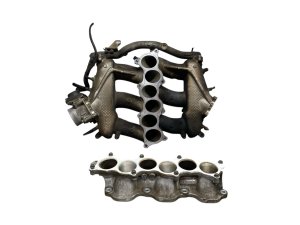
Warning: This is a used engine intake manifold set that includes both the upper and lower sections. The provided information about a part having fire damage is an example of what to look for; inspect any used part for such damage before purchase. For 2015 models, this part fits vehicles manufactured through September 30, 2014.
Frequently Asked Questions (FAQ)
Can I reuse my old intake manifold gaskets?
No. The gaskets are designed to crush and seal once. Reusing them will almost certainly result in a vacuum or boost leak. Always install new gaskets when replacing or reinstalling an intake manifold.
What is the difference between the early and late 2015 GT-R intake manifolds?
Nissan made a change to the intake manifold partway through the 2015 model year (around October 2014). While the exact engineering changes are not widely documented, the part numbers are different, and they are not interchangeable. It is essential to verify the production date of your vehicle or the part number on your existing manifold before purchasing a replacement.
Is an aftermarket intake manifold a worthwhile upgrade?
For most stock or lightly modified GT-Rs, the factory intake manifold is more than sufficient. Aftermarket manifolds are designed for cars running significantly higher horsepower (800+ HP) with upgraded turbos. They offer increased plenum volume and better airflow but require engine tuning and are a significant investment. 🎬 Watch: Installing and testing an upgraded performance intake plenum For a stock replacement, a used OEM unit is the most cost-effective choice.
What causes the intake manifold to fail?
The stock manifold itself rarely fails. The most common issue is a leak from an aged or hardened gasket. In the rare event the manifold itself fails, it is usually a crack in the cast aluminum, often caused by the stress of very high boost levels from aggressive aftermarket tuning.
Helpful Videos
Technical Specifications
OEM Part Numbers: 14010-JF00B 14010-JF00C 14003-JF00B 14003-JF00A
Material: Cast Aluminum. Consists of an upper collector (plenum) and a lower runner section.
We Have This Part in Stock

The information in this article is provided for general reference and educational purposes only. Vehicle specifications, procedures, and part compatibility can vary by production date, trim level, and region. Always consult your vehicle's factory service manual and verify part numbers before purchasing or performing repairs. Safety-critical components such as airbags, seat belts, and braking systems should be installed by a qualified professional.
- Nissan GT-R:
- 🎬 Helpful Videos
- 🛍️ Shop This Part
- Symptoms of a Failing GT-R Intake Manifold
- Known Issues, TSBs, and Recalls
- Buying a Used 2010-2015 GT-R Intake Manifold: An Inspection Guide
- Key Inspection Points:
- Cost of Replacing a Nissan GT-R Intake Manifold
- Installation Tips and Difficulty
- Frequently Asked Questions (FAQ)
- 🎟️ Get 5% Off