

2008-2010 Porsche Cayenne 4.8L V8 Intake Manifold: Turbo vs. Non-Turbo Failures and Fixes
This guide covers the critical differences between Turbo and non-Turbo manifolds, common vacuum leaks, and intake runner flap failures for the 2008-2010 Porsche Cayenne.
- You must verify if your Cayenne is a non-turbo (S/GTS) or Turbo model; the intake manifolds are not interchangeable.
- The most common failures are cracks causing vacuum leaks (rough idle, hissing) and issues with the internal runner flaps (loss of power, P2004/P2006 codes).
- When buying a used manifold, physically inspect for cracks and test the runner flap linkage by hand for smooth operation.
- Coolant leaks in this area are almost always from the pipes *under* the manifold, not the manifold itself, but replacement requires removing the manifold.
Critical: Turbo vs. Non-Turbo Manifolds
Before diagnosing or purchasing an intake manifold for a 2008-2010 Porsche Cayenne with the 4.8L V8, you must first identify your engine. The manifolds for the naturally aspirated (non-turbo) and turbocharged engines are entirely different parts and are not interchangeable.
Warning: The most common purchasing error is buying the wrong manifold. Double-check your vehicle's specifications and the part number on the unit itself before ordering.
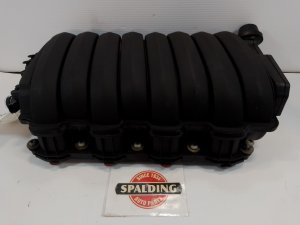
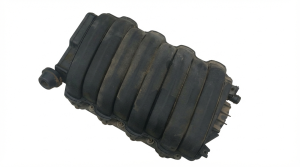
- Non-Turbo (Cayenne S, GTS): These models use a large, one-piece plastic manifold. To confirm you have this engine, check that the 5th digit of your Vehicle Identification Number (VIN) is 'B'. Known part numbers include 94811001623, which supersedes older versions like 94811001620, 94811001621, and 94811001622.
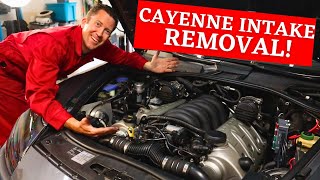
- Turbo (Cayenne Turbo, Turbo S): These models use a different manifold assembly designed to work with the twin-turbocharger system. 🎬 Watch this step-by-step guide for removing the Turbo manifold. Part numbers for this version include 94811001660 and its successors, 94811001661 and 94811001662.
Symptoms of a Failing Intake Manifold
Failures in the Cayenne's intake manifold typically fall into two categories: vacuum leaks from a cracked body or faulty gaskets, and problems with the internal intake runner flaps.
1. Vacuum Leaks
Over time, the plastic manifold can develop hairline cracks due to constant heat cycles. The gaskets that seal it to the cylinder heads can also become hard and brittle. Symptoms include:
- Rough or Unstable Idle: The engine may shake, surge, or have a bouncing RPM at a stop as it struggles to compensate for unmetered air entering the engine.
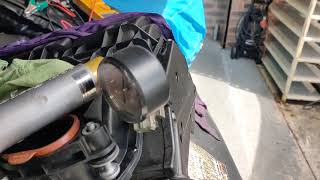
- Hissing or Whistling Noise: A distinct sucking sound may be audible from the engine bay, especially at idle. 🎬 See a professional diagnostic walkthrough for finding engine vacuum leaks.
- Check Engine Light: Fault codes for a lean fuel mixture, such as P0171 and P0174, are common. Misfire codes may also appear.
- Poor Fuel Economy: The engine control module (ECM) will inject more fuel to compensate for the extra air, leading to increased consumption.
2. Intake Runner Flap Failure
The 4.8L V8 uses adjustable flaps inside the manifold to change the intake runner length for better performance. When this system fails, you may experience:
- Loss of Power: A noticeable lack of power, particularly at either low or high RPMs, depending on whether the flaps are stuck open or closed.
- Check Engine Light: Specific fault codes related to the intake manifold runner control (IMRC) system will be stored. Common codes include:
- P2004: Intake Manifold Runner Control Stuck Open (Bank 1)
- P2005: Intake Manifold Runner Control Stuck Open (Bank 2)
- P2006: Intake Manifold Runner Control Stuck Closed (Bank 1)
- P2007: Intake Manifold Runner Control Stuck Closed (Bank 2)
Pro Tip: Carbon buildup from the direct injection system can cause the runner flaps to become sticky or completely seized. In some cases, a thorough cleaning of the intake manifold and valves can restore function without needing to replace the entire manifold.
Known Issues, Recalls, and TSBs
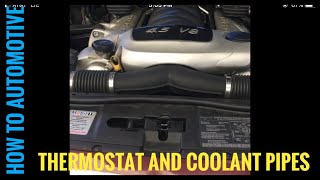
While there are no official recalls or Technical Service Bulletins (TSBs) specifically for the 4.8L V8 intake manifold on the 2008-2010 Cayenne, it is a component that must be removed to service other common failure points. Notably, the plastic coolant pipes running in the valley of the engine underneath the intake manifold are a well-known source of leaks. If you are experiencing unexplained coolant loss, the problem is likely the pipes below the manifold, not the manifold itself.
🎬 Watch: How to replace the coolant pipes under the manifold.Buying a Used 2008-2010 Cayenne Intake Manifold
A used OEM manifold is an excellent, cost-effective alternative to an expensive new part, especially since quality aftermarket replacements are not widely available. Careful inspection is key to getting a good part.
What to Inspect:
- Confirm the Part Number: This is the most important step. Ensure the number stamped on the manifold matches the type you need (Turbo vs. Non-Turbo).
- Check for Cracks: Meticulously inspect the entire plastic body, especially around the seams, mounting points, and the throttle body connection. Hairline cracks can be hard to spot but will cause persistent vacuum leaks.
- Test the Runner Flap Linkage: Locate the external arm for the flap actuator. Manually move it through its range of motion. It should move smoothly with some resistance and no grinding, clicking, or binding. If it feels loose, disconnected, or seized, the internal mechanism is broken and the manifold is unusable.
- Look for Warping: Place the manifold on a flat surface. The gasket surfaces that meet the cylinder heads should sit perfectly flat. Any warping indicates the donor vehicle may have overheated, compromising the integrity of the plastic.
- Avoid Repaired Units: Look for signs of epoxy, JB Weld, or other sealants, which indicate a previous, likely failed, attempt to fix a crack.
Cost Comparison
Prices can vary based on supplier and condition. These are typical estimates to help you understand the value of a used OEM part.
| Part Type | Estimated Cost |
|---|---|
| New OEM | $700 - $900 |
| New Aftermarket | Not commonly available |
| Used OEM | $200 - $350 |
| Shop Labor for Installation | $450 - $700 |
Replacement Overview
Replacing the intake manifold is an advanced DIY job that requires patience and care.
- Difficulty: 4 out of 5
- Estimated Time: 4-6 hours
- Key Steps: The process involves relieving fuel pressure, disconnecting the battery, removing the throttle body, disconnecting all eight fuel injectors, unplugging numerous sensors and vacuum lines, and carefully unbolting the manifold. The rearmost bolts can be difficult to access.
- Torque Specs: Manifold bolts should be tightened in a crisscross pattern in two stages: first to 10 Nm (7.5 ft-lbs), and then a final pass to 15 Nm (11 ft-lbs).
- Required Parts: Always install new intake manifold gaskets and a new throttle body gasket when replacing the manifold.
Frequently Asked Questions
Can I repair a cracked intake manifold?
It is not recommended. Plastic repairs with epoxy or other adhesives rarely hold up to the heat and pressure fluctuations in the engine bay, leading to a repeat failure. Replacement is the only reliable solution.
Do I have to replace the intake manifold if I have a P2004 code?
Not necessarily. The P2004 code means the runner flaps are stuck open. This could be caused by a bad actuator solenoid, a vacuum line leak, or carbon buildup jamming the flaps. These possibilities should be investigated before replacing the entire manifold.
Is an intake manifold leak serious?
It can be. While a small vacuum leak will just cause poor performance and fuel economy, a large leak can cause stalling and make the vehicle unreliable. If runner flap components break off internally, they could potentially enter the engine and cause catastrophic damage, though this is rare.
Why do I smell coolant but can't find a leak on the manifold?
On the 2008-2010 4.8L V8, the intake manifold does not have coolant flowing through it. However, a notorious set of plastic coolant pipes runs directly underneath it. These pipes are a very common failure point. A leak there will cause coolant to pool in the engine valley and evaporate, creating a strong smell. The intake manifold must be removed to replace these pipes.
Helpful Videos
Technical Specifications
OEM Part Numbers: 94811001602 94811001620 94811001621 94811001622 94811001623 94811001660 94811001661 94811001662
Material: Plastic Composite. Features: Integrated variable length intake runners. Torque Specs: Two-stage tightening to 10 Nm, then 15 Nm.
We Have This Part in Stock

The information in this article is provided for general reference and educational purposes only. Vehicle specifications, procedures, and part compatibility can vary by production date, trim level, and region. Always consult your vehicle's factory service manual and verify part numbers before purchasing or performing repairs. Safety-critical components such as airbags, seat belts, and braking systems should be installed by a qualified professional.
- Porsche Cayenne:
- 🎬 Helpful Videos
- 🛍️ Shop This Part
- Critical: Turbo vs. Non-Turbo Manifolds
- Symptoms of a Failing Intake Manifold
- 1. Vacuum Leaks
- 2. Intake Runner Flap Failure
- Known Issues, Recalls, and TSBs
- Buying a Used 2008-2010 Cayenne Intake Manifold
- What to Inspect:
- Cost Comparison
- Replacement Overview
- Frequently Asked Questions
- 🎟️ Get 5% Off