

2006-2007 Subaru B9 Tribeca Intake Manifold: Diagnosing Leaks and TGV Failures
A complete guide to identifying symptoms, inspecting a used part, and understanding the replacement costs for the 3.0L H6 engine's intake manifold.
- This manifold is ONLY for the 2006-2007 B9 Tribeca with the 3.0L engine; it will not fit 2008+ models.
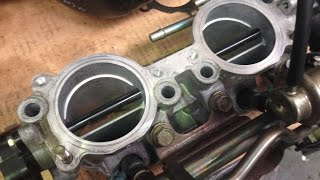
- The integrated Tumble Generator Valves (TGVs) are a common failure point and are not sold separately, requiring replacement of the entire manifold.
- Symptoms are typically related to vacuum leaks, including a rough idle, lean codes (P0171, P0174), and hissing noises.
- When buying used, prioritize a complete assembly with TGV motors and inspect carefully for cracks at the mounting flanges.
Symptoms of a Failing Intake Manifold
A problem with the intake manifold on the 3.0L Tribeca can show up in several ways, often related to vacuum leaks or issues with the integrated Tumble Generator Valves (TGVs). Here are the most common signs:
- Rough or Unstable Idle: This is the most frequent symptom. A crack in the manifold or a failed gasket allows unmetered air into the engine, disrupting the precise air-fuel ratio and causing the engine to shake, surge, or idle unevenly.
- Check Engine Light: A vacuum leak will almost always trigger a Check Engine Light. Common codes include P0171 (System Too Lean Bank 1) and P0174 (System Too Lean Bank 2), indicating the engine is receiving too much air. You may also see codes related to TGV failure, such as P2004, P2005, P2006, or P2007, which indicate a valve is stuck open or closed.
- Audible Hissing or Whistling: A significant vacuum leak from a cracked manifold or bad gasket can often be heard as a sucking or hissing noise from the engine bay, especially when the engine is running.
- Reduced Power and Poor Acceleration: When the engine can't maintain the correct air-fuel mixture, performance suffers. The vehicle may feel sluggish and less responsive to the throttle.
- Decreased Fuel Economy: The engine's computer will try to compensate for the extra air from a vacuum leak by injecting more fuel, leading to a noticeable drop in gas mileage.
Known Issues, TSBs, and Recalls
While there are no direct recalls for the intake manifold on the 2006-2007 Tribeca, owners should be aware of related issues.
Tumble Generator Valve (TGV) Failure
The Tumble Generator Valves integrated into the intake manifold are a known Subaru failure point. A Technical Service Bulletin (TSB 09-72-20R) for other Subaru models highlights an issue where lubricant from the TGV actuator can leak, causing erratic operation and triggering trouble codes. When a TGV fails, it cannot be replaced separately; the entire intake manifold assembly must be replaced. This makes checking TGV function critical when diagnosing issues or buying a used part.
Recalls
There are several recalls for the 2006-2007 B9 Tribeca, but none pertain to the intake manifold. The most notable is for a faulty hood latch that could allow the hood to open while driving (NHTSA Recall #16V060000, Subaru recalls WQX-59 and WQY-60). Other recalls involve side curtain airbags and puddle lights.
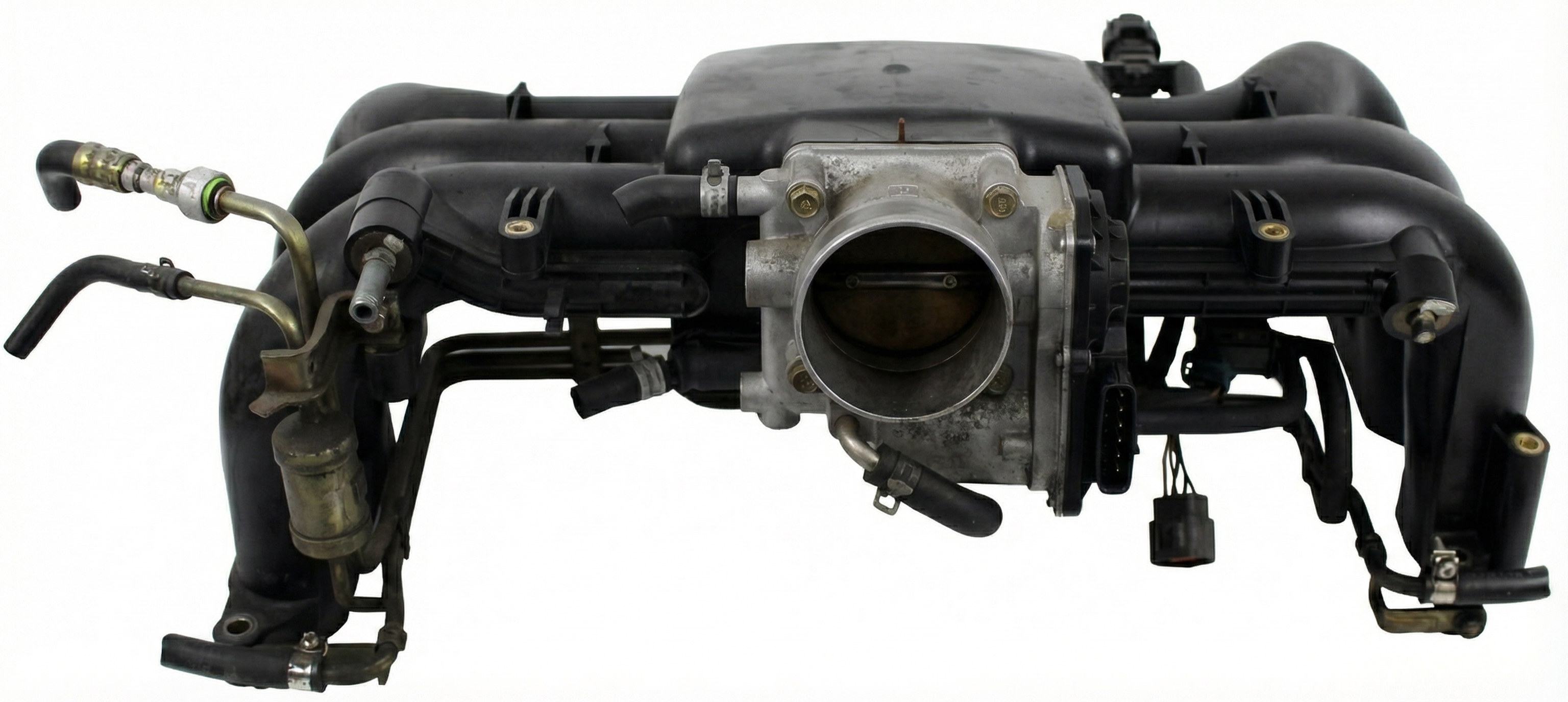
Compatibility Warning: This intake manifold (OEM Part #14001AB800) fits ONLY the 2006-2007 Subaru B9 Tribeca equipped with the 3.0L H6 engine. It will not fit the 2008 and newer Tribeca models that use a larger 3.6L engine.
Buying a Used Engine Intake Manifold
A used OEM intake manifold is an excellent, cost-effective alternative to a new part, especially since quality aftermarket options are scarce. An original Subaru part ensures perfect fitment and material quality. Here’s what to inspect before you buy:
- Inspect for Cracks: Carefully examine the entire aluminum casting, paying close attention to the bolt flanges where it mounts to the cylinder heads. These areas are under stress and are the most likely places for cracks to form. Also check around any threaded sensor ports.
- Check Gasket Surfaces: Run your finger and a straightedge along all the machined gasket surfaces. They must be perfectly flat, smooth, and free of deep scratches, corrosion, or warping. An uneven surface will not seal properly, even with a new gasket.
- Verify Completeness: A good used manifold should come with the Tumble Generator Valve (TGV) motors and position sensors still attached. These components are not typically sold separately from the manifold, so getting a complete assembly is a huge value. Check that the electrical connectors are not broken.
- Look for Damage: Check for any signs of impact damage or broken vacuum nipples. During removal at a salvage yard, these plastic ports can easily be snapped off.
Pro Tip: When you have the intake manifold removed, it's the perfect time to replace other parts that are difficult to access. This includes the six spark plugs, the valve cover gaskets, and any brittle-looking vacuum hoses. This will save you significant labor costs in the future.
Cost Breakdown
Prices can vary based on location and supplier, but here is a general cost comparison to help you understand the value of a used OEM part.
| Part Type | Estimated Cost |
|---|---|
| New OEM | $650 - $850 (based on similar models, may be higher) |
| New Aftermarket | Not commonly available |
| Used OEM | $100 - $250 |
| Shop Labor (Gasket Replacement) | $350 - $550 |
Frequently Asked Questions (FAQ)
Can I just replace the intake manifold gaskets?
Yes. If the problem is only a failed gasket and the manifold itself is not cracked or warped, you can just replace the gaskets. However, given the high labor cost to access the manifold on the H6 engine, it's wise to carefully inspect the manifold itself during the job. If there's any doubt about its condition, replacing it while everything is apart is the most cost-effective long-term solution.
What are Tumble Generator Valves (TGVs) and why do they matter?
Tumble Generator Valves are small flaps inside the intake runners that close on a cold engine to make the air 'tumble' as it enters the cylinder. This helps fuel mix with the air more efficiently, reducing emissions at startup. They are a known failure point, and since they are built into the manifold, a failed TGV requires replacing the entire intake manifold assembly.
Is this a difficult DIY job? (1-5 Scale)
This is a 4 out of 5 difficulty. Replacing the intake manifold on the Subaru H6 engine is a labor-intensive process that requires removing numerous components, including fuel lines and electrical connectors in a tight space. It is recommended for experienced DIY mechanics only. For most owners, this job is best left to a professional.
Is this the same intake manifold used on the 3.0L Outback?
While they share the same EZ30 engine, the intake manifolds may have different part numbers and configurations due to chassis differences. Always verify compatibility using the specific OEM part number (14001AB800 for the 2006-2007 Tribeca) before purchasing.
Helpful Videos
Technical Specifications
OEM Part Numbers: 14001AB800
Material: Cast Aluminum
We Have This Part in Stock

The information in this article is provided for general reference and educational purposes only. Vehicle specifications, procedures, and part compatibility can vary by production date, trim level, and region. Always consult your vehicle's factory service manual and verify part numbers before purchasing or performing repairs. Safety-critical components such as airbags, seat belts, and braking systems should be installed by a qualified professional.
- Subaru B9 Tribeca: