

Audi Q7, Q5, A4, A6, A5 & Allroad Engine Mount Failure: 2017-2025 Vibration & Leak Guide
A detailed guide to diagnosing, replacing, and buying used engine mounts for Audi models that experience premature failure, causing vibrations and fluid leaks.
- The factory fluid-filled engine mounts on these Audi models are a common failure point, often leaking and collapsing at low mileage (30-70k miles).
- The most common symptom is a harsh vibration felt in the cabin at idle, along with clunking noises during acceleration.
- Replacement is a very labor-intensive and expensive job ($1,800-$3,000+) as it requires lowering the front subframe.
- Durable solid rubber aftermarket mounts are a popular alternative that eliminates the possibility of leaks, but may slightly increase vibration at idle.
The Common Failure on Modern Audis: Leaking Engine Mounts

Owners of many popular Audis, including the 2017-2022 Audi Q7, 2021-2025 Audi Q5, 2019-2021 Audi A6, 2017-2020 Audi A4, 2018-2020 Audi A5, and 2017-2020 Audi allroad, may experience a common and frustrating issue: premature engine mount failure. These vehicles often use the same underlying platform (Audi's MLB Evo) and share a sophisticated, yet failure-prone, engine mount design.
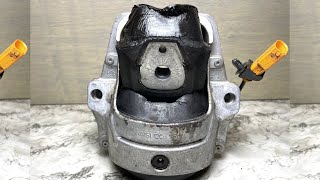
The original factory mounts are active, fluid-filled units designed for a premium ride. However, the rubber can degrade, causing the internal hydraulic fluid—often a distinct purple color—to leak out. This leads to the mount collapsing, resulting in a host of noticeable symptoms. This failure can occur at surprisingly low mileage, with some owners reporting issues as early as 30,000 to 40,000 miles.
Symptoms of a Failed Engine Mount

A failing engine mount will make its presence known through several distinct symptoms. Because these are active electronic mounts, you may experience one or more of the following:
- Excessive Vibration at Idle: This is the most common complaint. A noticeable vibration or deep shudder can be felt through the steering wheel, floor, and seats, especially when the car is in Drive and stopped at a light.
- Clunking or Thudding Noises: You may hear or feel a 'clunk' from the engine bay when accelerating, braking, or shifting between Drive and Reverse. This is the sound of the engine moving excessively because it is no longer properly secured.
- Visible Fluid Leaks: A clear sign of failure is the presence of oily, often purple, fluid on the subframe or underbody shield directly below the engine mount.
- Visible Collapse: A collapsed mount will have a noticeably reduced gap between the upper and lower metal portions of its housing. The rubber will appear compressed or 'pancaked'.
- Fault Codes: In some cases, a completely failed active mount can trigger a fault code in the engine control module, as the electrical component is no longer functioning correctly.
How to Diagnose a Bad Engine Mount
- Visual Inspection for Leaks: Using a flashlight, inspect the area around and below both engine mounts (left and right side). Look for any signs of fresh or dried fluid residue on the mount itself and on the subframe beneath it.
- Check for Collapse: Compare the driver and passenger side mounts. A good mount has a clear air gap within the rubber bushing. A failed mount will look sagged and compressed, with the upper metal part sitting on or very close to the lower rubber stop.
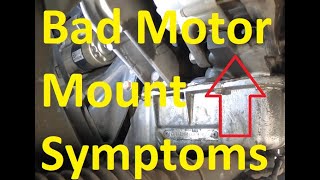
- The 'Brake-Torque' Test: With the hood open and the parking brake firmly set, have an assistant sit in the car, press the brake pedal hard, and briefly shift into Drive and apply a small amount of throttle. Watch the engine for excessive movement. A healthy engine will rock slightly, but an engine with a bad mount will lift or lurch significantly. Use extreme caution when performing this test. 🎬 Watch: See these symptoms and the brake-torque test in action.
Warning: The active engine mounts have electrical connectors. If you are inspecting them, be careful not to damage the wiring or connectors.
Buying a Used Engine Mount: What to Look For

Given the high cost of new OEM mounts, a quality used part can be a smart purchase. However, since this part has a high failure rate, careful inspection is critical. Here’s what to check before you buy:
- Verify No Leaks: The number one red flag is any sign of fluid leakage. Inspect the entire rubber surface for dark, oily stains, especially around the seams and any small weep holes. The fluid is often purple but can look like dark oil when dirty. If you see any evidence of a leak, reject the part.
- Inspect for Rubber Cracks: Check the rubber for any cracks, tearing, or deterioration. Pay close attention to the areas where the rubber meets the metal housing. Even small cracks can soon lead to a leak.
- Check for Collapse: Look at the mount from the side. The central metal core should be suspended in the middle of the rubber. If it is sagging or touching the bottom of the housing, the mount has collapsed and is no good.
- Verify Part Numbers: Engine mounts vary between the 2.0L 4-cylinder and 3.0L V6 engines, and sometimes by model year. Always match the OEM part number from your old mount to the used one you are buying. Common prefixes are 4M0- and 8W0-.
- Check the Electrical Connector: Ensure the plastic electrical connector and any attached wiring are intact and free of damage. A broken connector will render the mount's active features useless and cause a fault code.
Pro Tip: When buying used, ask the seller for the mileage of the donor vehicle. Given that these mounts can fail as early as 30,000 miles, a part from a very low-mileage vehicle is a much safer bet.
Known Issues, TSBs, and Recalls
The primary known issue is the inherent design of the fluid-filled mounts leading to premature failure. This is widely discussed in owner forums and is a common repair for these vehicles. There are no active recalls for this specific issue. While no TSBs exist for the fluid leak itself, Audi has issued Technical Service Bulletin 2036392 for a related problem: if other electrical work is performed (like programming a key), the active engine mount control module can have its settings deactivated, leading to vibration. A dealer or qualified shop may need to perform a 'basic setting' procedure to resolve this if the mounts themselves are not physically broken.
OEM vs. Aftermarket Alternatives
You have three main options when replacing these mounts:
- New OEM: This restores the original ride quality but uses the same failure-prone fluid-filled design. It is the most expensive option.
- Used OEM: A cost-effective choice if you can find a verified low-mileage, non-leaking part.
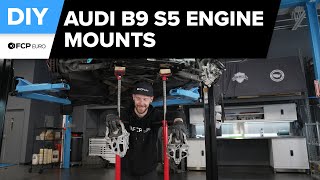
- Solid Rubber Aftermarket: Companies like 034Motorsport offer 'Density Line' mounts that are solid rubber and fluid-free. They are far more durable and will not leak. The trade-off can be a slight increase in cabin vibration at idle compared to the OEM active mounts. These kits often include resistor bypasses to prevent fault codes from the disconnected active mount wiring. 🎬 See how to install aftermarket performance mounts and subframe inserts.
Cost of Replacement
Replacing these engine mounts is a labor-intensive and expensive job. The front subframe must be partially lowered to gain access, which takes several hours.
| Part/Service | Estimated Cost |
|---|---|
| New OEM Mount (Each) | $275 - $410 |
| New Aftermarket Mount (Solid, Pair) | $300 - $350 |
| Used OEM Mount (Each) | $75 - $200 |
| Shop Labor (Pair) | $1,200 - $2,000+ |
| Total Dealer Replacement (Pair) | $1,800 - $3,000+ |
Frequently Asked Questions (FAQ)
Do I need to replace both engine mounts at the same time?
Yes, it is highly recommended. The mounts wear at a similar rate, and the labor involved is nearly the same whether you replace one or both. Replacing them in pairs ensures proper engine alignment and prevents the new mount from being stressed by an old, failing one on the other side.
Can I still drive with a leaking engine mount?
You can drive the vehicle, but it's not recommended for long. A collapsed mount puts extra stress on the other mount, the transmission mount, and drivetrain components like axles and exhaust flex pipes. The excessive engine movement can also damage nearby hoses and wiring.
Will a solid aftermarket mount make my luxury car feel rough?
Most users of high-quality solid rubber mounts (like 'Street Density' versions) report only a minor, sometimes barely perceptible, increase in vibration at idle. Once the car is moving, the difference is typically unnoticeable. For most drivers, the improved durability is worth the slight trade-off in comfort. Track-focused or 'Race Density' mounts will be significantly harsher.
Is replacing Audi engine mounts a DIY job?
This is an advanced DIY project. It requires safely supporting the engine from above with a support bar, and then carefully lowering the front subframe. It involves working in tight spaces and requires specific tools like triple-square sockets. For most owners, this job is best left to a professional mechanic experienced with Audi vehicles.
Helpful Videos


Technical Specifications
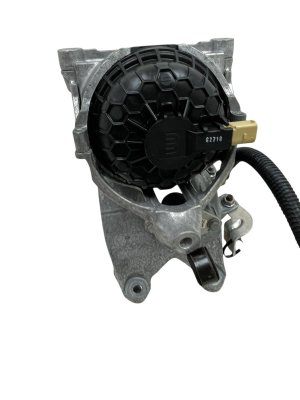
OEM Part Numbers: 4M0199371FC 4M0199372FC 4M0199371GJ 4M0199372GH 4M0199371GL 4M0199372FM 4M0199372GA 4M0199371FE 4M0199372FE 8W0199371CQ 8W0199372CP 8W0199371BD 8W0199371CP
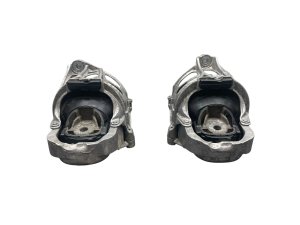
Electronically controlled, hydraulic (fluid-filled) active mounts. Feature a 2-pin electrical connector for active damping control.
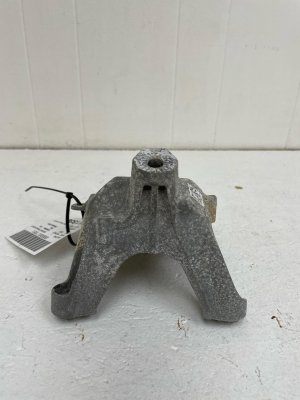
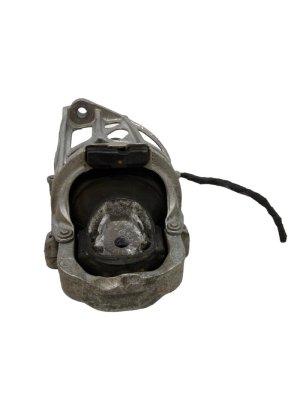
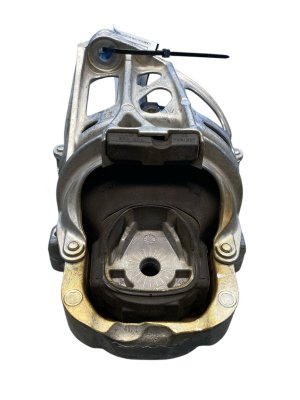
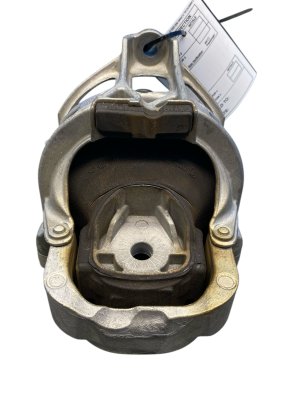
We Have This Part in Stock

The information in this article is provided for general reference and educational purposes only. Vehicle specifications, procedures, and part compatibility can vary by production date, trim level, and region. Always consult your vehicle's factory service manual and verify part numbers before purchasing or performing repairs. Safety-critical components such as airbags, seat belts, and braking systems should be installed by a qualified professional.
- Audi Q7:
- Audi Q5:
- Audi A6:
- Audi A4:
- Audi A5:
- Audi allroad:
- 🎬 Helpful Videos
- 🛍️ Shop This Part
- The Common Failure on Modern Audis: Leaking Engine Mounts
- Symptoms of a Failed Engine Mount
- How to Diagnose a Bad Engine Mount
- Buying a Used Engine Mount: What to Look For
- Known Issues, TSBs, and Recalls
- OEM vs. Aftermarket Alternatives
- Cost of Replacement
- Frequently Asked Questions (FAQ)
- 🎟️ Get 5% Off