

2017-2019 Porsche 911 Engine Mounts: PADM Faults, Bracket Numbers, and Replacement Costs
This guide explains the crucial difference between standard and active engine mounts, how to diagnose failures, and the cost-saving options dealers won't mention.
- The most common failure on PADM-equipped cars is the internal electronic sensor, not the mount itself. Repairing the sensor is thousands of dollars cheaper than replacing the whole mount.
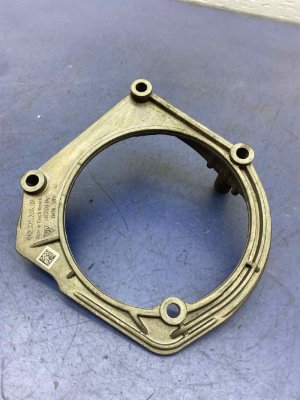
- The OEM part number 9A2-375-236-02 is for a support bracket, not the actual engine mount which is a separate part.
- PADM failure usually triggers a dashboard warning light, while standard mount failure causes physical symptoms like vibration, noise, and sagging exhaust tips.
- A dealer quote to fix a PADM fault can be extremely high ($5k-$7k), but cost-effective alternatives like sensor replacement or using standard mounts exist.
Part Number Confusion: Mount vs. Bracket

It is important to clarify a common point of confusion. The OEM part number 9A2-375-236-02 (and its variants) is for the Engine Mount Support Bracket, not the engine mount itself. This is a sturdy, cast aluminum piece that connects the actual engine mount to the vehicle's frame. While essential, this bracket rarely fails. The engine mount is the more complex component—containing rubber and sometimes electronic parts—that actually wears out.
Standard vs. Dynamic (PADM) Mounts: A Critical Difference

Before diagnosing or buying, you must identify which type of engine mount your 2017-2019 Porsche 911 has. This is the single most important factor affecting symptoms, cost, and repair strategy.
How to Identify Your Mounts:
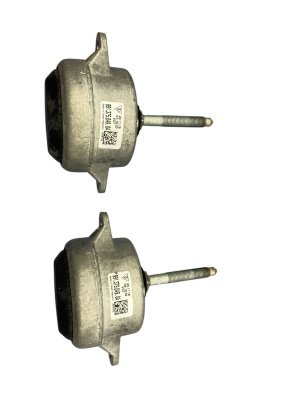
- Standard Mounts: These are passive, hydraulic mounts. Vehicles without the Sport Chrono package typically have standard mounts.
- Porsche Active Drivetrain Mounts (PADM): These are electronically controlled active mounts. If your car has the Sport Chrono package (with the mode switch on the steering wheel), it almost certainly has PADM. PADM mounts have a visible electrical connector running to them.
Symptoms of a Failing Engine Mount

Failure symptoms differ significantly between the two mount types.
Symptoms of Standard Mount Failure:
- Excessive Vibration: A strong vibration felt in the cabin, floor, or steering wheel, especially at idle or when accelerating.
- Clunking or Thudding Noises: Loud clunks or bangs from the rear of the car during acceleration, deceleration, or gear changes. This is the sound of the engine moving excessively and hitting other components.
- Sagging Exhaust Tips: As the rubber in the mounts degrades and collapses, the entire engine can sag slightly. This is often most visible by looking at the exhaust tips, which may appear lower than normal or uneven.
- Sloppy Drivetrain Feel: A general sense of looseness in the drivetrain, less precise shifting, and a delay in power delivery.
Symptoms of PADM (Dynamic Mount) Failure:
Pro Tip: The most common PADM failure is electronic, not mechanical.
- "PADM Fault" or "PADM Disabled" Message: The most common symptom by far is a warning message on the instrument cluster. This almost always indicates the failure of an internal electronic sensor, not the physical mount structure.
- Reverts to "Soft" Mode: When a PADM fault occurs, the system deactivates, and the mounts default to their softest setting. You may not notice any change in driving feel during normal conditions, but the performance-enhancing stiffening will be disabled.
- Physical Failure (Rare): In rare cases, a PADM mount can fail mechanically like a standard mount. Symptoms would include fluid leaks from the mount housing, visible cracks in the rubber, or the same clunking and vibration as a failed standard mount.
Buying a Used 2017-2019 911 Engine Mount

Purchasing a used engine mount can be a smart way to save money, but careful inspection is critical.
What to Check Before Purchasing:
- For Standard Mounts:
- Inspect the Rubber: Look for any signs of cracking, perishing, or tearing in the rubber. The rubber should be firm and free of deep cracks.
- Check for Leaks: These are hydraulic mounts. Check for any signs of fluid residue, which indicates a failed internal seal.
- Verify Part Number: Ensure the part number (e.g., 99137504904 for a standard mount) matches what your vehicle requires.
- For PADM (Dynamic) Mounts:
Warning: Buying a used PADM mount is risky. The electronic sensor is a common failure point, and it's impossible to test on a loose part.
- Assume the Sensor is Bad: It is safest to assume the sensor in a used PADM mount will need to be replaced. Factor the cost of a new aftermarket sensor (around $300) into your purchase price.
- Physical Inspection: Check for any obvious physical damage, such as cracks in the housing, a damaged electrical connector, or fluid leaks.
- Why Used OEM is a Good Option: If you can find a physically intact used PADM mount for a low price, you can install a new aftermarket sensor and have a fully functional mount for a fraction of the cost of a new OEM unit.
Known Issues, TSBs, and Recalls
As of early 2026, there are no specific recalls or widespread Technical Service Bulletins (TSBs) from Porsche or the NHTSA regarding engine mount failure for the 2017-2019 Porsche 911 (991.2 generation). The common PADM sensor failure is well-documented in owner forums and by independent specialists but has not resulted in an official recall campaign.
Replacement Overview
Replacing the engine mounts on a 991.2 is a moderately difficult job that requires some disassembly of the rear of the car.
- Difficulty: 3 out of 5
- Estimated Time: 2-3 hours
- Tools Required: E12 Torx socket, 18mm deep socket, extensions, ratchet, torque wrench, floor jack, and a block of wood.
- General Steps:
- Access the mounts by removing the rear bumper, taillights, and rear spoiler assembly.
- Support the engine from underneath using a floor jack with a wide block of wood to distribute the load across the plastic oil pan. Do not lift the car; just support the engine's weight.
- Working from below, remove the 18mm nut securing the mount stud to the carrier.
- From above, remove the two E12 Torx bolts holding the mount to the chassis.
- If replacing a PADM mount, disconnect the electrical connector.
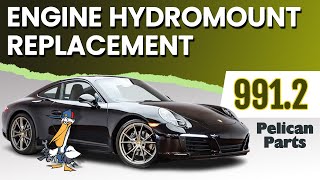
- Remove the old mount and install the new one. It is highly recommended to replace mounts in pairs. 🎬 See this step-by-step walkthrough for replacing 991.2 engine mounts.
- Torque Specs:
- Bottom 18mm Nut: 63 ft-lbs (86 Nm)
- Top E12 Torx Bolts: 27 ft-lbs (37 Nm)
Cost Comparison
The cost difference, especially for PADM-equipped cars, is significant.
| Part/Service | Estimated Cost |
|---|---|
| New OEM PADM Mount (Each) | $1,500 - $2,600 |
| New OEM Standard Mount (Each) | $400 - $600 |
| New OEM Support Bracket (9A2-375-236-02) | $185 - $200 |
| Aftermarket PADM Sensor Repair Kit | $290 - $350 |
| Used OEM Mount (Standard or PADM) | $150 - $500 |
| Shop Labor to Replace Both Mounts | $800 - $1,200 |
Frequently Asked Questions (FAQ)
Can I replace my failed PADM mounts with standard mounts?
Yes, it is physically possible to replace active PADM mounts with standard (passive) mounts. However, this will trigger a persistent "PADM Fault" error on the dashboard. This error can be coded out of the system using specialized Porsche diagnostic tools (PIWIS), which an independent specialist or dealer would need to do.
My dealer quoted me $7,000 to fix my PADM fault. Are there cheaper options?
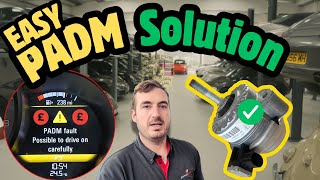
Yes. A $7,000 quote likely involves replacing both PADM mounts with new OEM parts at dealer prices. Since the most common failure is just the internal sensor, the most cost-effective repair is to have an independent shop replace only the sensors with aftermarket units 🎬 Watch: How to fix PADM faults and save thousands on sensors., which can save you thousands of dollars.
Will a bad engine mount cause damage if I keep driving?
For a PADM electronic fault, driving is generally safe as the mount simply stays in its soft setting. For a mechanically failed mount (standard or PADM) that is causing clunking and vibration, continued driving can put stress on other components like the transmission, driveshafts, and exhaust system, potentially leading to more expensive repairs down the line.
Are stiffer aftermarket mounts a good idea?
For a dedicated track car, stiffer semi-solid mounts (like those from Rennline or Torque Solution) can improve responsiveness. However, for a street-driven car, they will significantly increase the noise, vibration, and harshness (NVH) felt in the cabin. For most owners, a functional OEM mount provides the best balance of performance and comfort.
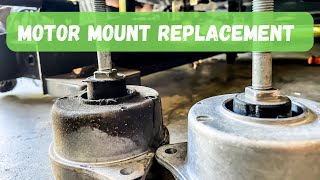
🎬 Watch: Comparing OEM mounts to Rennline semi-solid upgrades.Helpful Videos
Technical Specifications
OEM Part Numbers: 9A2-375-236-02 9A237523602 99137504904
Mount Type: Hydraulic (Standard) or Magnetorheological (PADM - Porsche Active Drivetrain Mounts). Torque Specs: Bottom Nut (18mm) - 63 ft-lbs (86 Nm), Top Bolts (E12) - 27 ft-lbs (37 Nm).
We Have This Part in Stock

The information in this article is provided for general reference and educational purposes only. Vehicle specifications, procedures, and part compatibility can vary by production date, trim level, and region. Always consult your vehicle's factory service manual and verify part numbers before purchasing or performing repairs. Safety-critical components such as airbags, seat belts, and braking systems should be installed by a qualified professional.
- Porsche 911:
- 🎬 Helpful Videos
- 🛍️ Shop This Part
- Part Number Confusion: Mount vs. Bracket
- Standard vs. Dynamic (PADM) Mounts: A Critical Difference
- How to Identify Your Mounts:
- Symptoms of a Failing Engine Mount
- Symptoms of Standard Mount Failure:
- Symptoms of PADM (Dynamic Mount) Failure:
- Buying a Used 2017-2019 911 Engine Mount
- What to Check Before Purchasing:
- Known Issues, TSBs, and Recalls
- Replacement Overview
- Cost Comparison
- Frequently Asked Questions (FAQ)
- 🎟️ Get 5% Off