

2020-2025 Toyota & Lexus 2.5L Hybrid Engine Mounts: Crown, RX350h, Highlander, RAV4 & Venza
This guide covers the specific engine mounts for the 2.5L hybrid engine and explains the critical differences from the 2.4L Turbo 'Hybrid MAX' system.
- Compatibility is critical: These mounts ONLY fit the 2.5L Hybrid engine, not the 2.4L Turbo 'Hybrid MAX' found in some Crown and Lexus RX trims.
- Symptoms are distinct: The primary signs of failure are excessive vibration at idle and loud clunking noises when shifting or accelerating.
- Inspect used parts carefully: Check for cracks in the rubber and fluid leaks. A low-mileage used OEM part is often superior to a cheap new aftermarket one.
- Labor costs vary widely by model: Replacing a mount on a Toyota Highlander is significantly more labor-intensive and expensive than on a RAV4 or Venza.
Vehicle and Engine Compatibility: The 2.5L Hybrid Rule
Critical Warning: These engine mounts are specifically for models equipped with the 2.5L Hybrid engine (engine code: A25A-FXS). They will NOT fit vehicles with the 2.4L Turbo 'Hybrid MAX' engine (engine code: T24A-FTS). Always verify the engine in the vehicle before purchasing.
This compatibility information is crucial for the Toyota Crown and Lexus RX, which offer both engine options. Here is a breakdown of the vehicles covered by this guide:
- 2023-2025 Toyota Crown: Fits XLE and Limited trims with the 2.5L Hybrid. Does NOT fit the Platinum trim with the 2.4L Turbo Hybrid MAX.
- 2023-2025 Lexus RX350h: Fits the RX350h model with the 2.5L Hybrid. Does NOT fit the RX500h, which uses the 2.4L Turbo Hybrid MAX.
- 2020-2024 Toyota Highlander: Fits all Hybrid models, which use the 2.5L engine.
- 2021-2025 Toyota RAV4: Fits all Hybrid and Prime (PHEV) models, which use the 2.5L engine system.
- 2021-2024 Toyota Venza: All Venza models from this period use the 2.5L Hybrid engine.
Symptoms of a Failing Engine Mount
Because these vehicles are relatively new, widespread age-related mount failure is uncommon. However, defects or damage can still occur. The signs of a bad engine mount are often noticeable from the driver's seat.
- Excessive Vibration: This is the most common symptom. You may feel a new or stronger vibration through the steering wheel, floor, or seats, especially when the vehicle is idling in gear.
- Clunking or Banging Noises: Loud clunks, bangs, or thumps from the engine bay are a serious sign. This noise is most obvious when you shift from Park to Drive or Reverse, or during acceleration and deceleration. It's the sound of the engine moving excessively and hitting other components.
- Visible Engine Movement: A healthy engine should have very little movement. If you have a helper put the car in gear and lightly press the accelerator while you watch the engine (with the hood open and from a safe distance), you should not see it lurch or rock significantly. Excessive movement indicates a failed mount.
- A Rougher Ride: A general sense that the ride is bumpier or harsher than it used to be can sometimes be traced back to worn mounts that are no longer damping engine vibrations effectively.
Known Issues, TSBs, and Recalls
As of early 2026, there are no specific recalls or widespread Technical Service Bulletins (TSBs) issued by Toyota or Lexus for premature engine mount failure on these specific models. The original equipment mounts are generally considered durable.
However, it's important not to misdiagnose other known issues as a bad engine mount. Some of these vehicles have TSBs for other conditions that can cause noise or vibration:
- 2020-2022 Toyota Highlander Hybrid: A TSB was issued for an engine noise during acceleration between 0-45 mph, which is not related to the mounts.
- 2021-2025 Toyota RAV4 Hybrid: Some models may experience a growl or humming noise from the hybrid transaxle. Additionally, these models are part of a customer support program for potential corrosion on the high-voltage cable to the rear motor, a condition sometimes referred to as "Cablegate."
Diagnosing the source of a noise or vibration correctly is key. A failed mount is about excessive movement and impact, while other issues may present as a more constant hum or drone.
Buying a Used Engine Mount: What to Inspect
Purchasing a used OEM engine mount is an excellent way to save money without sacrificing quality, as factory parts often use higher-grade materials than inexpensive aftermarket alternatives. However, a thorough inspection is critical.
- Inspect the Rubber Thoroughly: The rubber is the most important part. Look for any signs of cracking, tearing, or splitting. Pay close attention to the areas where the rubber bonds to the metal brackets. Any separation here means the mount is failing.
- Check for Leaks (Hydraulic Mounts): Many modern engine mounts are hydraulic, meaning they are filled with a special fluid to help dampen vibrations. Look for any dark, oily residue on the outside of the mount. A leaking mount has failed and will not perform correctly.
- Look for Compression or Stretching: Compare the used mount to photos of a new one if possible. A failed mount may look compressed, collapsed, or stretched out of shape from bearing the engine's weight improperly.
- Verify Part Numbers: Given the critical engine differences, double-check that the part number on the used mount matches one of the known OEM numbers for the 2.5L Hybrid engine.
Pro Tip: For this part, a low-mileage used OEM mount is often a better choice than a brand-new, cheap aftermarket part. The quality of the rubber and the precise hydraulic tuning in the OEM mount are specifically designed for the vibration frequency of the 2.5L hybrid system, ensuring a smoother and quieter ride.
Replacement Difficulty and Overview
- Difficulty Rating: 3-5 out of 5 (Varies significantly by mount location)
- DIY Feasible: For accessible mounts (Yes), for difficult mounts (Not Recommended)
Replacing an engine mount can range from straightforward to very difficult depending on which mount has failed. The top mount, often called a torque strut or "dog bone," is typically the easiest. The front and passenger-side mounts are often accessible after removing a wheel and splash shield. However, the rear mount or transmission-side mounts can be much more challenging, sometimes requiring the subframe to be lowered for access.
The high labor cost quoted for the Toyota Highlander suggests at least one of its mounts is in a particularly difficult-to-reach location.
General Replacement Steps:
- Support the Engine: Place a floor jack with a block of wood under the engine's oil pan or the transmission to support its weight. This is the most critical step to prevent damage.
- Gain Access: This may involve removing plastic engine covers, air intake boxes, wheels, and inner fender liners (splash shields).
- Unbolt the Old Mount: First, remove the bolts connecting the mount to the vehicle's frame. Then, remove the bolts connecting it to the engine bracket. You may need to slightly raise or lower the engine with the jack to relieve tension on the bolts.
- Install the New Mount: Maneuver the new mount into position. Loosely thread all bolts by hand first to ensure proper alignment before tightening.
- Torque to Spec: Tighten the bolts to the manufacturer's specified torque setting. Once all bolts are tight, you can remove the floor jack supporting the engine.
- Reassemble: Reinstall all components that were removed for access.
Cost Comparison
The cost to replace an engine mount varies significantly based on the vehicle and which mount is being replaced. The Toyota Highlander is notably more expensive due to higher labor times for at least one of the mounts.
| Part Source | Toyota RAV4 / Venza / Crown / Lexus RX350h | Toyota Highlander |
|---|---|---|
| New OEM (Part Only) | $150 - $260 per mount | $150 - $260 per mount |
| New Aftermarket (Part Only) | $70 - $130 per mount | $40 - $150 per mount |
| Used OEM (Part Only) | $40 - $110 per mount | $100 - $190 per mount |
| Shop Labor Cost | $330 - $485 | $720 - $1,055 |
| Estimated Total (New OEM + Labor) | $480 - $745 | $870 - $1,315 |
Frequently Asked Questions
Do I need to replace all engine mounts at the same time?
Not necessarily. It is acceptable to replace only the failed mount. However, if one mount has failed due to age or high mileage, the others are likely nearing the end of their service life as well. A failed mount also puts extra stress on the remaining mounts, which can cause them to fail sooner.
How can I tell which specific mount is bad?
The best way is a visual inspection for cracks or leaks. You can also have a helper shift the car between Drive and Reverse (with the brakes firmly applied) while you watch the engine. The direction of the most significant engine movement will point toward the failed mount. For example, if the engine lifts excessively, the front or rear mount may be bad. If it rocks side-to-side, one of the side mounts has likely failed.
Why is the labor cost so much higher for the Toyota Highlander?
The labor time for auto repairs is based on a standardized guide. The higher cost for the Highlander indicates that at least one of its primary mounts is in a very difficult location, requiring the removal of more components or even the partial lowering of the subframe to access it.
Is a vibrating engine always a bad mount?
No. While a bad mount is a common cause, other issues can also cause vibrations. These include misfires from bad spark plugs or ignition coils, an unbalanced driveshaft, or issues within the hybrid transaxle. It's important to rule out other potential causes before committing to a mount replacement.
Technical Specifications
OEM Part Numbers: 12281-25030 12305-25090 12306-25010 12306-25070 12361-25190 12371-25100 12371-25120
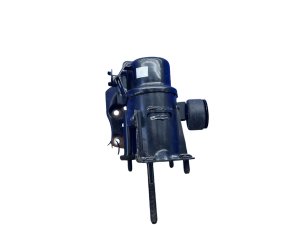
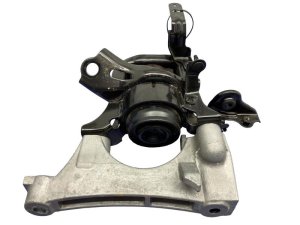
Most primary mounts are of a hydraulic (fluid-filled) design to effectively dampen vibrations from the hybrid powertrain.
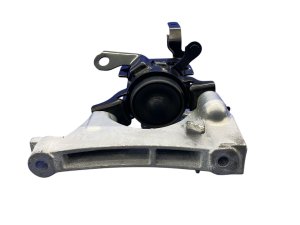
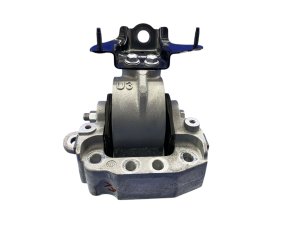
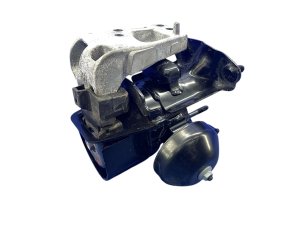
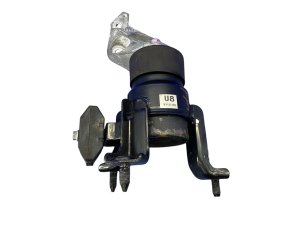
We Have This Part in Stock

The information in this article is provided for general reference and educational purposes only. Vehicle specifications, procedures, and part compatibility can vary by production date, trim level, and region. Always consult your vehicle's factory service manual and verify part numbers before purchasing or performing repairs. Safety-critical components such as airbags, seat belts, and braking systems should be installed by a qualified professional.
- Toyota Crown:
- Lexus RX350h:
- Toyota Highlander:
- Toyota RAV4:
- Toyota Venza:
- 🛍️ Shop This Part
- Vehicle and Engine Compatibility: The 2.5L Hybrid Rule
- Symptoms of a Failing Engine Mount
- Known Issues, TSBs, and Recalls
- Buying a Used Engine Mount: What to Inspect
- Replacement Difficulty and Overview
- General Replacement Steps:
- Cost Comparison
- Frequently Asked Questions
- 🎟️ Get 5% Off